This guide introduces backcountry guide clubs across Japan, run by professional guides holding international mountain guide or JMGA (Japan Mountain Guide Association) certifications. Unlike managed ski resorts, the backcountry is fraught with risks. Going alone should be avoided as a general rule, and friends or acquaintances accompanying you won't necessarily avoid danger. Guide clubs provide support not only for those who have never done backcountry skiing before, but also for those who feel anxious or have obstacles when going to unfamiliar places. If you're going backcountry skiing, use a guide club
eachguide club page
The guide club introduction focuses on JMGA-certified guide clubs. We have collected and organized various information to provide as much detail as possible about the guide clubs
- Number of guides, qualifications, guide ratio
-
The ratio is a guideline for how many guests there should be for one guide. For ski and snowboard guiding in mountain areas, the ideal ratio is one guide to six guests. Within this range, you can see what guidelines each guide club has
When you look at this together with the number of guides, you can see the maximum number of people they can accept for a tour. Also, the areas they can guide vary depending on their qualifications. For detailed guidelines on this, see the JMGA website
- rental
-
We have listed the rental equipment items for each guide club. The details are mainly divided into four categories: safety gear, backpacks, skiing equipment, and climbing gear. Please check your belongings against the gear you own
- The actual tour content
-
This report details the activity time, cumulative elevation gain, average hike time, and slope characteristics for three different types of tours: first-time participants, those with backcountry experience, and the most difficult level.
Activity time includes all time spent on the snow, including ascent, skiing, and breaks. This information provides a general overview of the characteristics of each guide club.If the activity time and hiking time are long for the first time participant, it is possible to predict a route without lift access, but if the hiking time is short and there is a large cumulative elevation change, it is likely that a tour will use a lift. This is also largely due to the regional characteristics of the guide club's location
At first glance, there may not seem to be much difference between a first-time tour participant and one with BC experience. First-time participants receive an explanation of the conditions in the field, ample hiking time, and more rest periods, so the time spent on snow is not that different from that spent with BC experience. However, the difference is the hiking time and elevation gain. Since the itinerary usually involves repeated sliding and climbing, the hiking time and elevation gain increase
By the way, a total elevation difference of 600m is like skiing from the summit to the base of Marunuma Kogen, and 1000m is like skiing from the top to the bottom of Happo-One Ski Resort
Hokkaido
-

Mountain Guide Coyote | We value safety and peace of mind, and want our guests to take something extra home with them | Hokkaido
-
Niseko Mecca | Choose from a variety of options based on your level and desires, such as "I want to ski on Mt. Yotei" or "I want to start on the slopes" | Hokkaido
-
Trive Mountain Guides Hokkaido | Making people who love skiing happy | Hokkaido
-
UNTRACKED HOKKAIDO | Guide to Hokkaido's deserted slopes and deep powder | Hokkaido
-
International mountain guide Naoyuki Kato | Guiding in Hokkaido, Japan and overseas, from mechanized (heli-cat) to ski touring and mountaineering
-
Hokkaido Backcountry Guys | Amazing quality and volume! A wide variety of tours to choose from | Hokkaido
-
Backcountry Glide Niseko | Hosted by Austrian nationally certified mountain ski guide Jun Horie | Hokkaido
-
Guide Bankei | Daisuke Sasaki produces a trip that will give you a turn of a lifetime | Hokkaido
-
Natures | Get intoxicated by the silky snow and diverse terrain unique to Daisetsuzan Mountains | Hokkaido
-
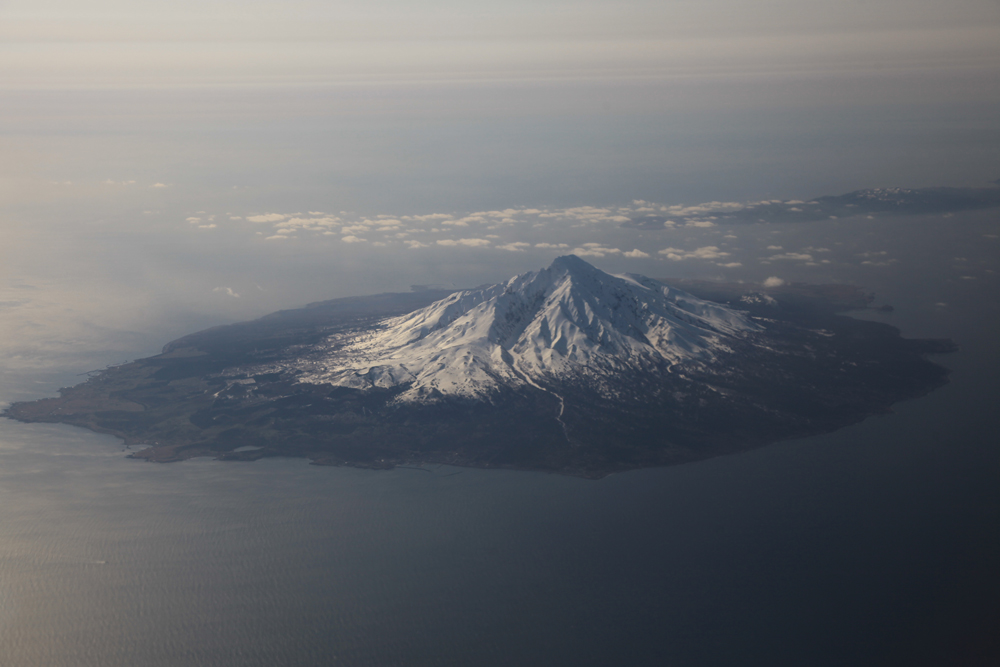
Rishiri Nature Guide Service | Drop into the ocean at Dream Field surrounded by the sea 360 degrees | Hokkaido
-
Daichi Terui | Small group guiding tailored to your level | Hokkaido
-
RIKI JAPOW GUIDE | From major points to the finest untouched snow surfaces | Hokkaido
-
Sapporo Mountain Time | Custom-made tours that respect the guest's feelings | Hokkaido
-
BC Caravan | Skiing on good snow at the right time in the right place | Hokkaido
-
CIRCLE GAME guide service | Based in Sapporo, we provide a private guide service that values the four circles | Hokkaido


Tohoku
-
ZAOC | Choose from a variety of locations to suit your level | Miyagi Prefecture
-
IWATE BACKCOUNTRY GUIDES | Experience something unique to Hachimantai | Iwate Prefecture
-
Spur Akita Mountain Guide | We'll guide you to a place you can enjoy comfortably based on your physical strength and skiing level | Akita Prefecture

Hakuba
-
Powder junkies happy! | Hakuba Backcountry Guide Mainline | Hakuba
-
Embark on a deep adventure that includes the climate and culture of Hakuba! | Endekashi
-
Color Sports Club | It's up to you which "color" you want to enjoy! | Nagano Prefecture
-
Kuroda Mountain Guide Office | Providing ski touring with a sense of adventure | Nagano Prefecture
-
LOCUS GUIDE SERVICE | From Hakuba's backcountry to the slopes, we offer total support for a wonderful experience in harmony with nature | Nagano Prefecture
-
Mountain and backcountry guide Shoji Matsumoto | Tours focused on safety, communication, and growth | Nagano Prefecture
-
Yuji Emoto | Drawing yourself on a blank canvas with international mountain guide Yuji Emoto | Nagano Prefecture
-
BLUECLIFF | Authentic backcountry skiing in small groups tailored to your level | Nagano Prefecture
-
POWERZONE Hakuba | Providing satisfying snow play experiences with the know-how to enjoy nature throughout the seasons | Nagano Prefecture
-
Bantei ~Bamboo Tail~ | Proven techniques and accurate guiding by a professional snowboarder with over 20 years of experience | Nagano Prefecture
-
Epic Japan | A comprehensive guide to snowy mountains across Japan, based in Hakuba and Nozawa Onsen | Nagano Prefecture
-
TABIYA | A guide club similar to a mountain ski school, focusing on lessons for skiing in the mountains | Nagano Prefecture
-
GRANIX mountain guide | The special feeling you can get by getting away from your everyday life | Nagano Prefecture