


The backcountry skiing landscape is constantly changing, with the spread of freeride culture and an increase in inbound tourists visiting Japanese resorts. We spoke to some of the most knowledgeable backcountry ski guides about what's happening in the field today and what they're feeling
Q. Have you noticed any recent trends among guests or changes in the field?

The people who are closest to the current state of backcountry skiing are the guides who are out in the field every day. We asked them about the changes they have seen in the past few years in terms of the types of guests and the way they ski
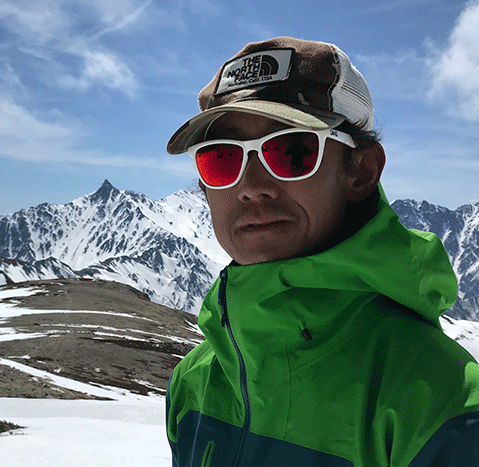
- The number of people using the Shinkansen (bullet train) is increasing year by year, and so is the number of station pick-ups.
- More people are preparing by watching YouTube videos. -
We are seeing a growing trend of customers being eager to learn, such as by taking avalanche safety courses and taking avalanche safety worker certification exams.
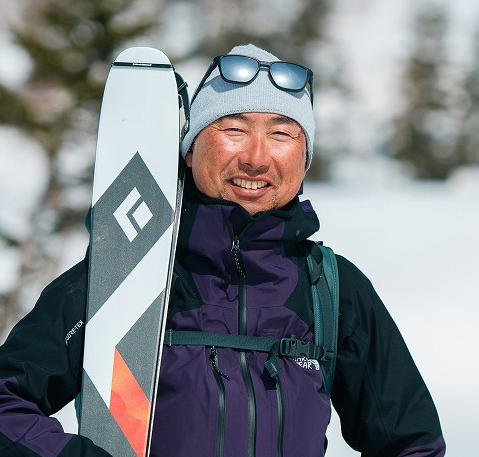
The number of tour participants during the powder season is on the rise, but it seems that the number of participants during the remaining snow season from April onwards is not increasing as much. One of the fun things about spring tours is that you can travel over a wide area by taking advantage of the mobility of skis and splitboards, and there is an increased element of mountain climbing. I would like more people to know about this kind of fun
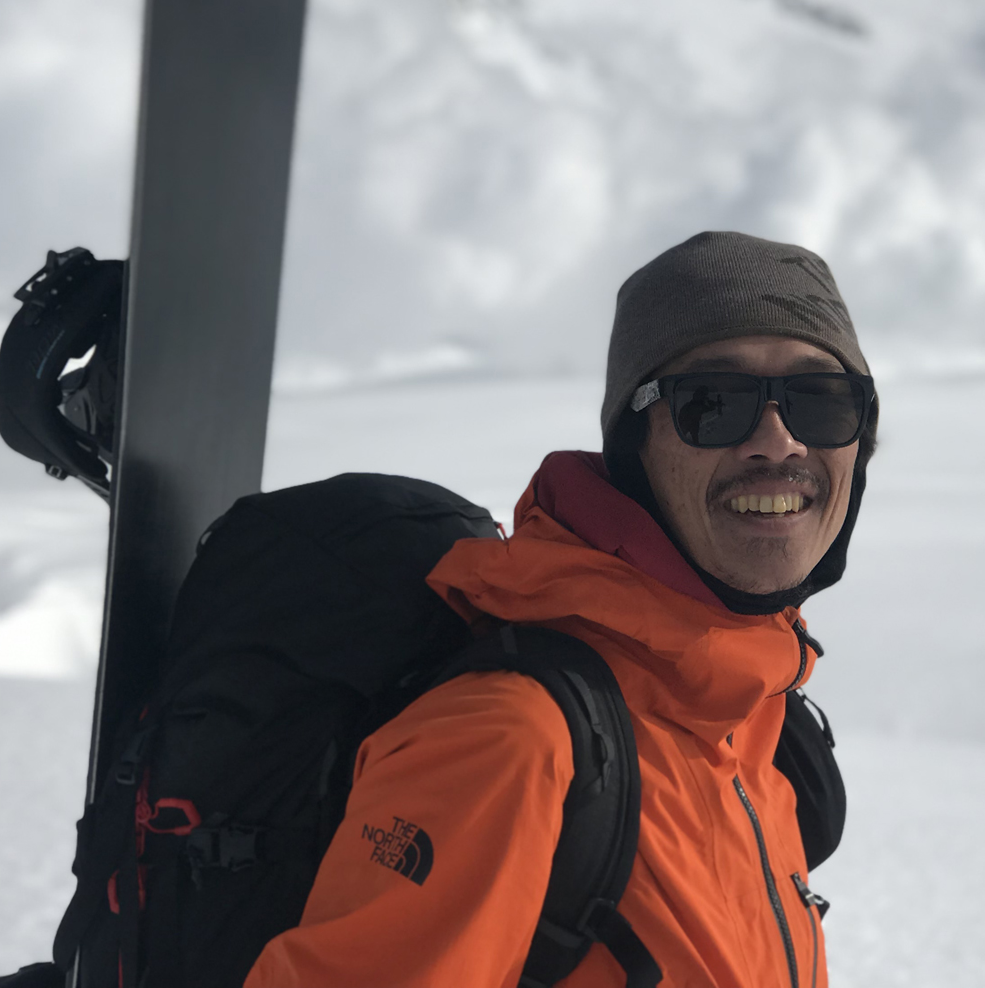
Splitboard usage has increased dramatically
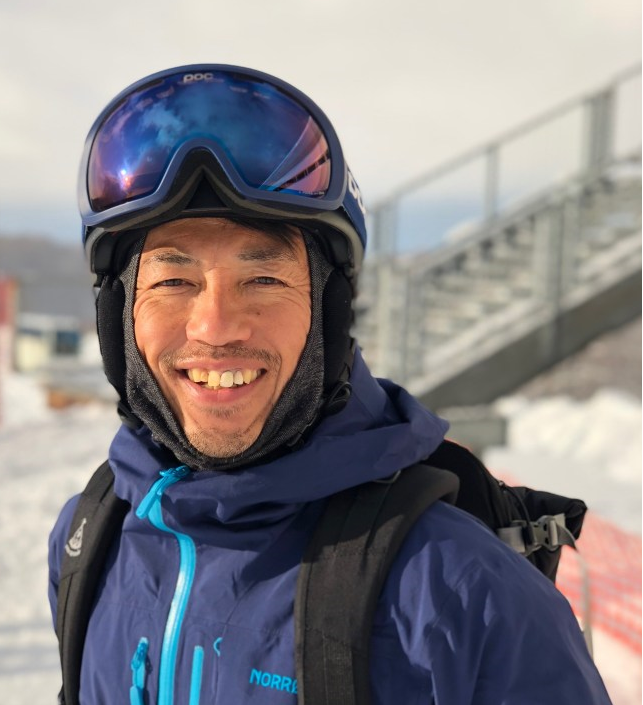
I feel like I'm no longer as pushy
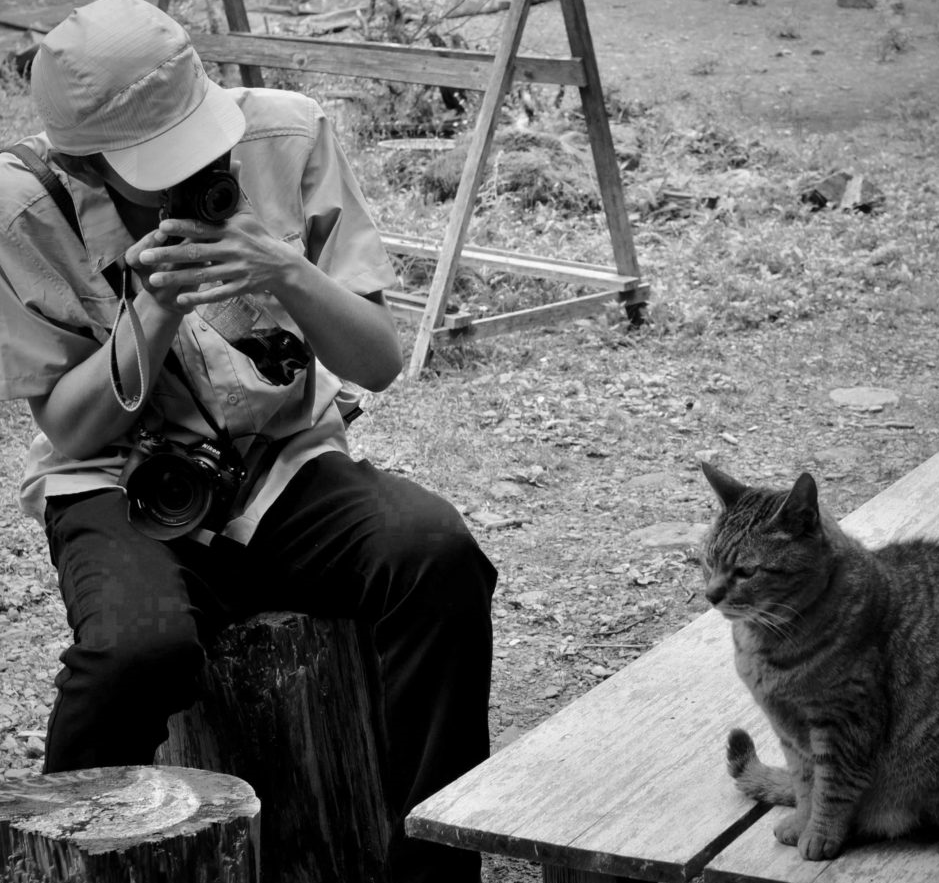
I think that experienced people have started to prepare equipment that matches their plans. In the past, even though the tours involved a lot of walking, there were often people with metal skis and non-tech bindings
More and more people are choosing boots that are soft and easy to walk in. This has helped them to maintain a steady walking pace and increase the number of slopes they can enter at the right time

On days when the conditions were good, we received many applications regardless of the day of the week, and everyone had become good at judging the conditions

More and more guests are bringing their own videography equipment on tours
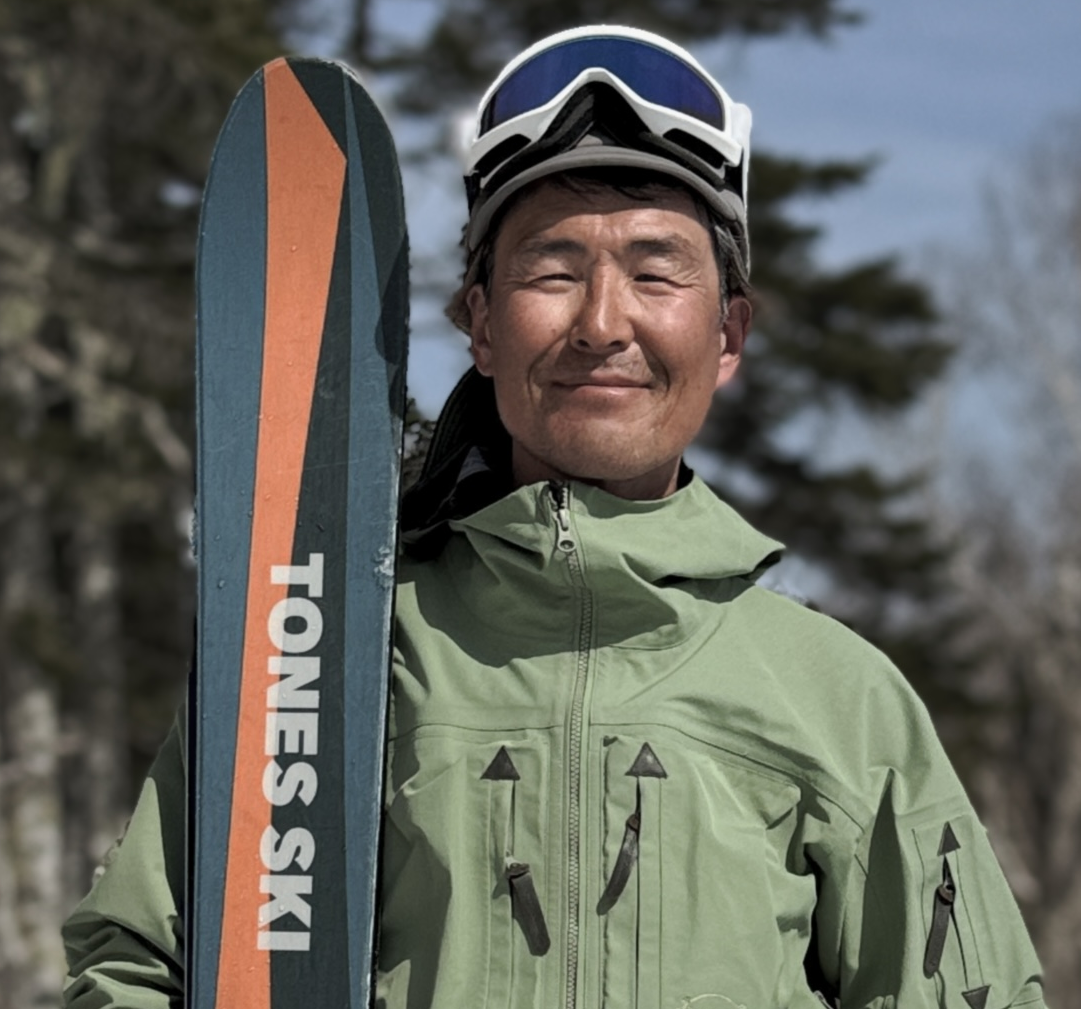
I feel that mountain enthusiasts are also becoming polarized.
The more experienced climbers seek bigger fields and deeper into the mountains, while those in the middle range seem to find satisfaction in self-guided activities within a slightly smaller area. For the middle group, their activities are probably mainly concentrated in areas close to ski resorts.
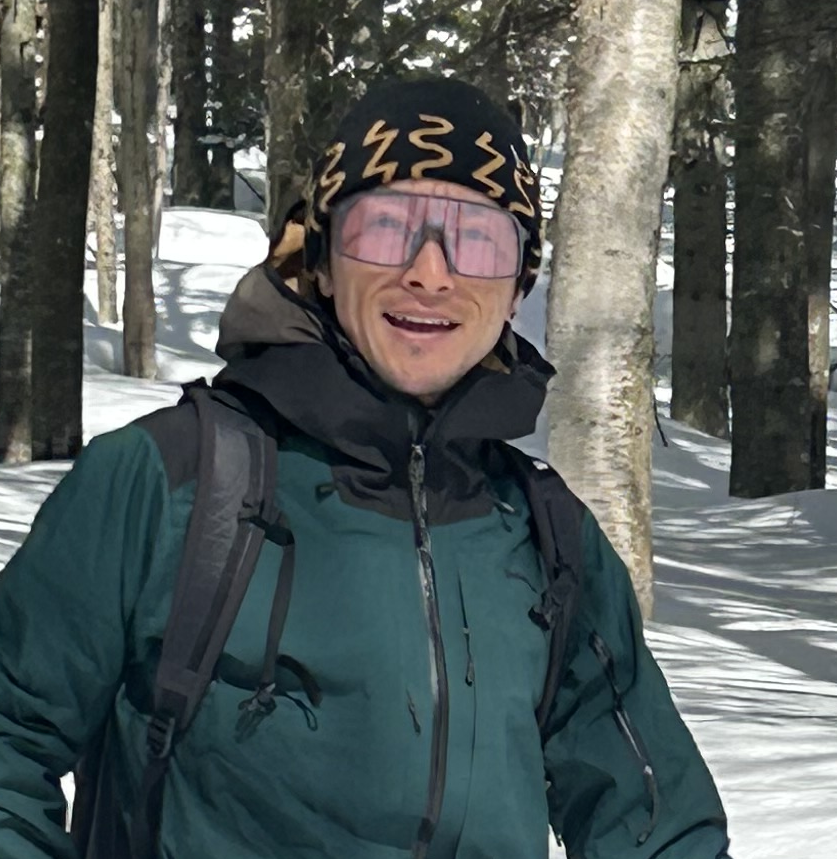
Asian guests are also starting to join BC, and the field is overflowing with foreign guests
There are a lot of cancellations of reservations for tours for Asian inbound tourists..
Q. Is there anything you would tell guests not to do at BC?

In nature, even the slightest carelessness can turn into a major risk. To ensure a safe and enjoyable time in the mountains, what are some of the things that guides ask you to avoid?
Self-reporting more than you actually are
Taking photos is fine, but we will designate specific locations that are definitely outside of avalanche zones, so please respect those instructions and position your camera accordingly. Occasionally, first-time participants may stop in avalanche zones while skiing, based on their own judgment.
Also, a certain number of people feel tense and find it difficult to ski when someone is taking a photo, so please refrain from pointing your camera at those who do not want it.

Equipment problems are common, especially at the beginning of the season.
Binding screws coming loose or plastic cracking due to age are frequent occurrences. Always tighten screws before a tour and test all equipment at the ski resort to ensure there are no issues.
Similarly, if you purchase new equipment, test it at the ski resort beforehand. If you can't figure out how to use your bindings during a tour, or if it takes you 10 minutes to put them on, it will dampen the spirits of other guests, and more importantly, you won't enjoy yourself. Please practice using any new equipment at a ski resort before participating in a tour.

I think self-centered behavior is dangerous
Upload a tour log
- Poor gear maintenance
- Very rarely, wearing earphones -
Stopping at the bottom of a steep, open slope -
Wearing a wearable camera on a chest harness
This is something you should stop doing. It's about skiing at an excessive speed that exceeds your limits
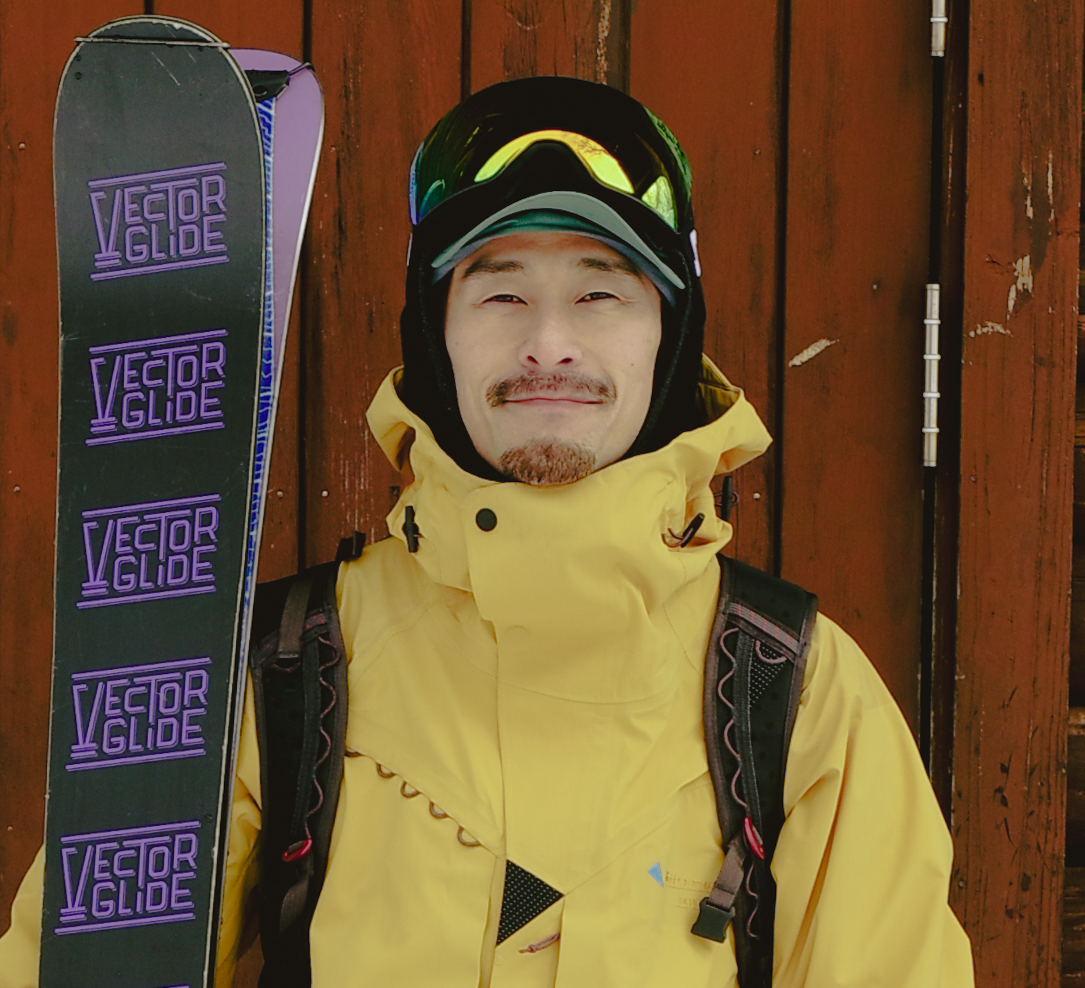
Don't be lazy and ignore the guide's instructions.
Don't put on your jacket during breaks, don't refuel, and don't handle your climbing skins carelessly. Of course, instructions before skiing and for risk reduction are important, but these little things are actually directly related to safety.
Passing a spot where there are no tracks and ending up in a dangerous area

When skiing while filming with a GoPro or similar, the camera can crash into a tree, break, or get lost, which can take up a lot of time. Suddenly, you start skiing at the same time while filming. They should at least be told, and it's not something you can do everywhere. There may be places that allow it depending on the time and situation, but I hope they understand that it's not the same as a ski slope
If your skiing skills are not yet at the level required for backcountry skiing, or if you can ski but are not fit enough to hike, we will ask you questions, but we would appreciate you proactively reporting your skiing skills in advance
This includes skiing at excessive speeds and skiing without looking around
While there aren't any absolute rules in the mountains, there are manners that ensure everyone can enjoy themselves comfortably. However, it seems that many people are entering the mountains without being prepared for these manners.
In unmanaged backcountry areas, safety management risks must be taken into consideration, but it appears that more and more people are entering with the same mindset as they would on a ski resort.
Q. Where do you think the difference is between “intermediate BC skiers” and “advanced BC skiers”?

The depth of the backcountry cannot be measured by skiing technique alone. What is the difference between "intermediate" and "advanced" as seen by experienced guides? The depth of the backcountry cannot be measured by skiing technique alone
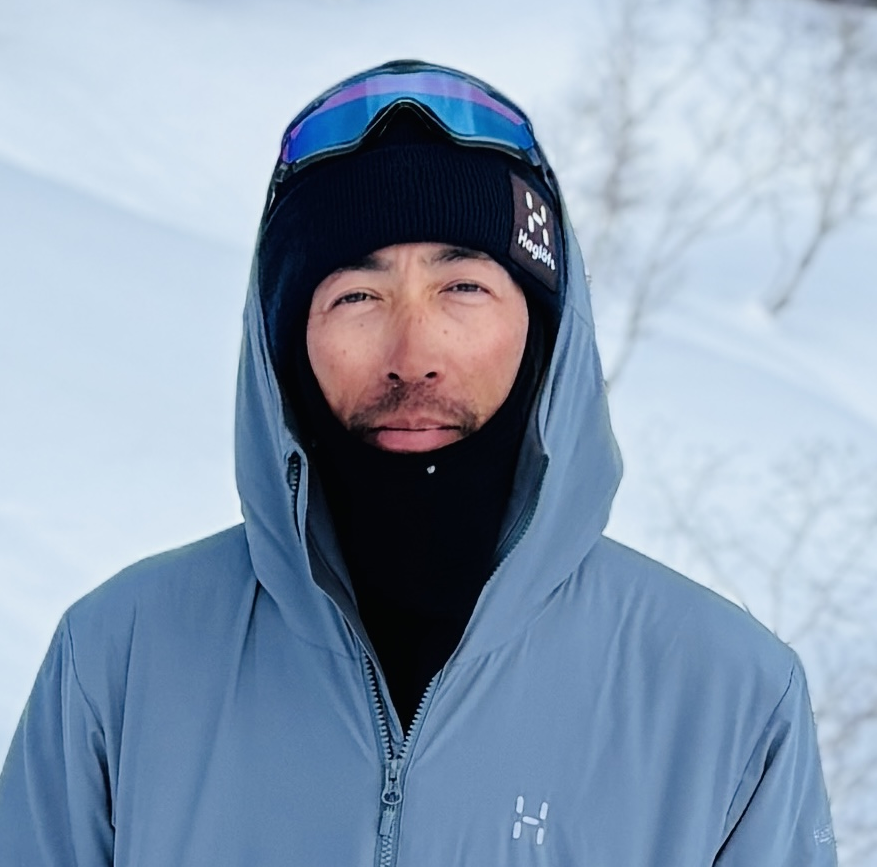
This includes skiing and hiking techniques, and although intermediate skiers have acquired basic skills and knowledge, they have issues with being able to respond to unpredictable situations and making decisions in high-risk situations
On the other hand, advanced players, in addition to these, have the ability to make sound judgments based on their extensive experience and knowledge, the ability to gather information, and the comprehensive ability to respond to any situation
about whether you can act in a manner that shows respect for each other's actions
.
It's difficult to define each of these, but I think anyone who can plan a day using only a paper topographical map when they have no other information is definitely an advanced user
- Lack of skills on groomed slopes and insufficient experience on off-piste (including powder) slopes.
- Ability to visualize your own skiing line, including judging terrain and snow conditions.
- Appropriate selection of backpack and luggage.
- Appropriate behavior in different locations.
- Selection of skiing equipment and gear based on predicted conditions.
Those who can come early and prepare before the tour starts
Can you act predictably?
There is a difference in peace of mind
I feel at ease when I join people who climb or hike in the mountains during the off-season, because there are other important issues to consider when climbing in the mountains
Traversing and dealing with changes in snow conditions
- Movement in the mountains (efficient and smooth)
- Skiing skills
- Ability to handle all types of snow
- Enjoyment of any snow or terrain
- Mental composure based on experience -
Attentively listening to the guide's explanations
Safely hike up (track setting) while checking your surroundings, and choose your line when skiing
Responsiveness and perspective
safety management
It all comes down to whether you have the time to be aware of your surroundings and your gliding technique
Physical strength, relaxed judgment, and speed of action
Q. How do you take care of your body during the season?
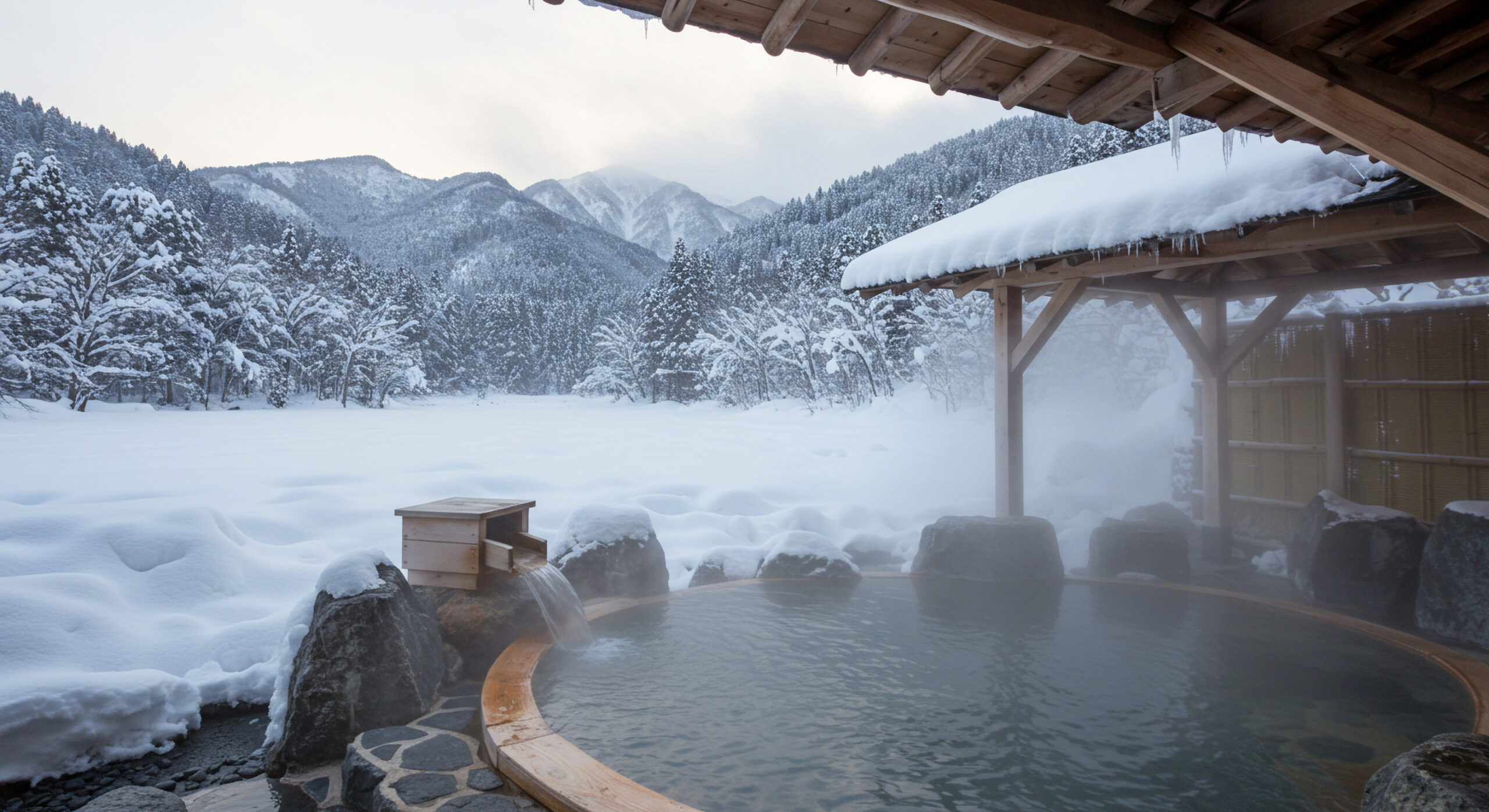
We spoke to mountain guides who lead tours throughout the season about the self-care habits they follow to stay healthy in the harsh environment
I try to get in a good workout early in the season to prepare my body for winter before starting the work season. During the season, I avoid unnecessary events and drinking parties so that I have time to recover
Regular lifestyle and regular full-body massage
I always take ZEN NUTRITION Tora before leaving in the morning and Dharma after returning home. They are natural and safe supplements
Balanced nutrition and good quality sleep
• Hot springs, icing, and stretching
• A balanced diet and sleep
Morning Stretch Roun CBD Balm
Take a hot bath instead of just a shower
I do the same. I take a bath to warm myself up
"Get plenty of sleep, take care of your body, and rest your mind."
I try to get at least 6 hours of sleep every day. I do
about 30 minutes of stretching after my bath. To
unwind, I sometimes go hiking in the mountains, or I have days when I do nothing at all.
I try to stretch and get deep sleep
Stretching is essential
Hot springs and saunas!
Soak in the hot springs to warm up your body thoroughly before stretching!
Relax your body and mind in the hot springs