

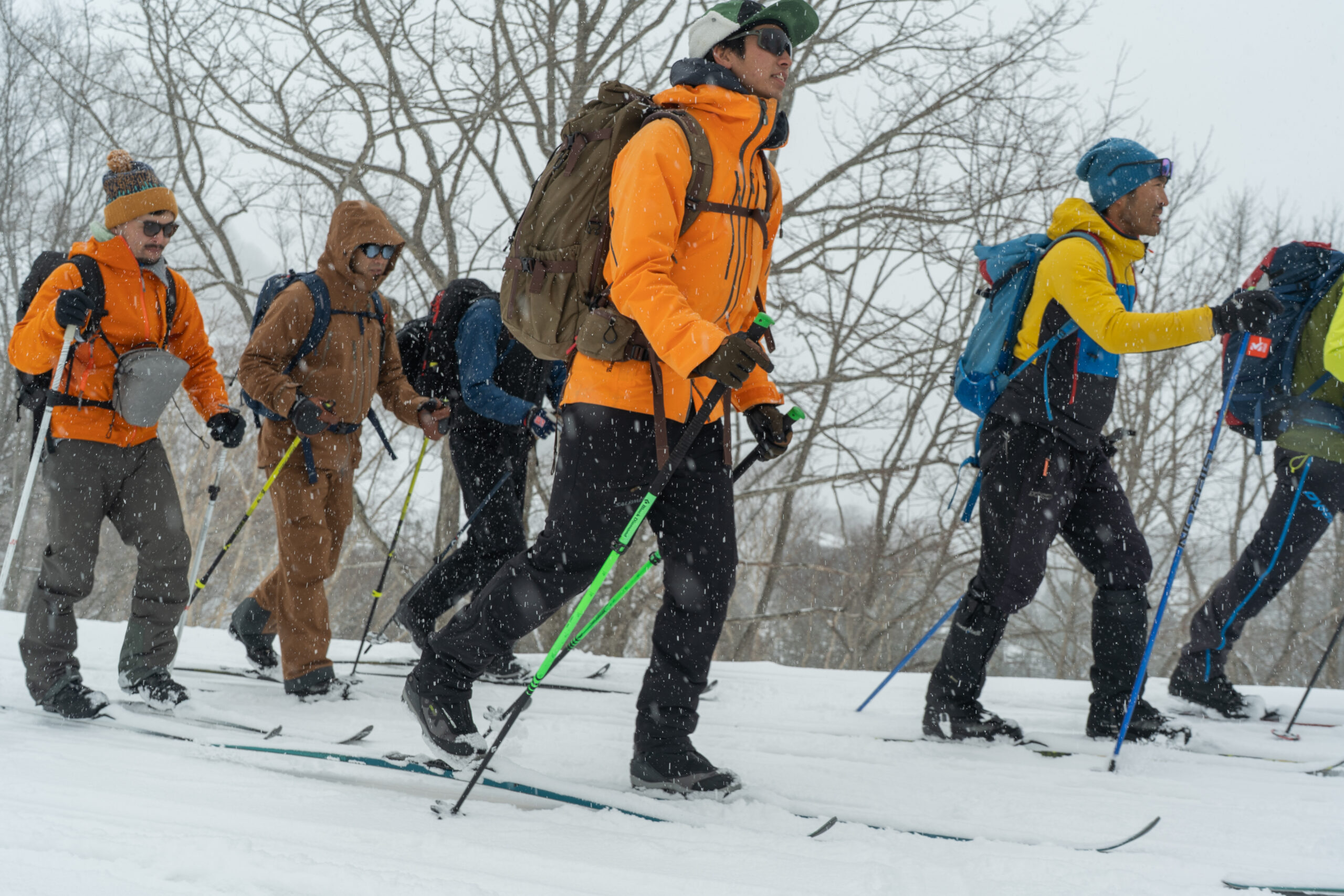
Have you heard of BC cross-country skiing, which allows you to easily walk and ski?
The boards are light, and you can walk through the forest without gaining any altitude, skiing down a gentle slope while enjoying the scenery and conversation with your friends. Let's introduce you to BC cross-country, a sport full of charm that is gradually gaining popularity.
What is the unfamiliar term "BC Cross Country"?
Skiing encompasses many genres, including alpine, cross-country, ski jumping, telemark, freestyle, and freeride.
Beyond groomed slopes, the number of people enjoying backcountry skiing and snowboarding in areas outside of designated ski resorts, where they ensure their own safety, is increasing, leading to greater diversification in the sport.
Recently, the term BC (backcountry) cross-country skiing seems to be gaining some traction, but it's still unfamiliar to many.
Backcountry? Cross-country skiing? It's a term that's difficult to imagine what it entails.
That's because BC cross-country skiing is a Japanese-made English term that refers to "walking skiing," which is called Nordic BC in Europe. Of course, you can do it not only by walking, but also by skiing.
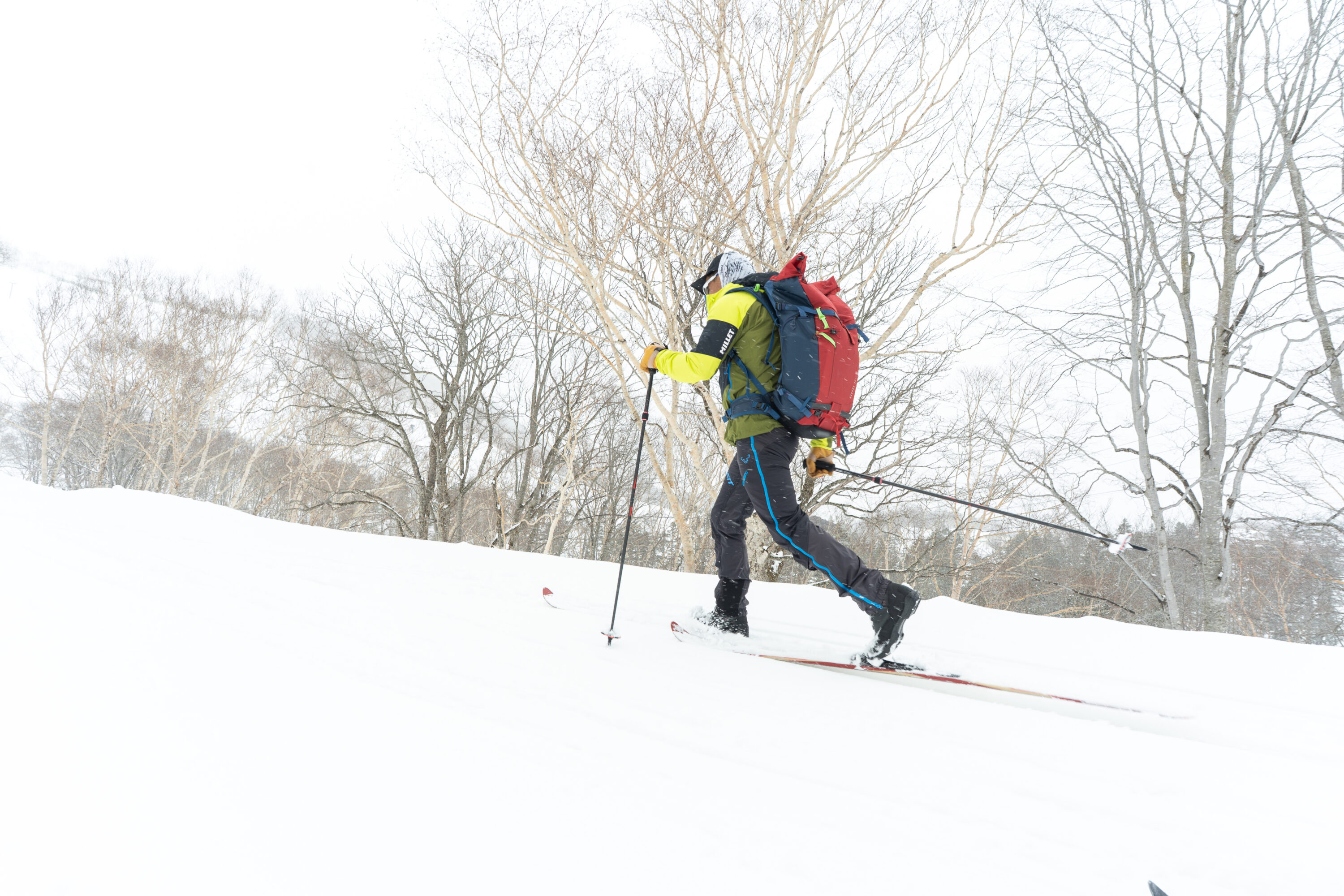
When people hear the term "backcountry," they typically imagine riding a lift or ropeway to the top of a mountain, or climbing up on foot in mountain areas without powered lifts, skiing through untouched fields, and enjoying deep powder.
Tracing the etymology of "backcountry," it refers to undeveloped and unmanaged areas such as "backyard mountains," "remote areas," and "isolated places." In that sense, the term "backcountry" is not limited to altitude or difficulty of access.
If you look around a region with snow cover, all the nature you see—flatlands, hills, snow-covered paths along rivers, ponds and waterfalls that are only accessible during the snowy season, and forests—can be called backcountry.
In other words, BC cross-country skiing is a way to walk and glide freely through the backcountry.
What gear should I use? How should I dress?
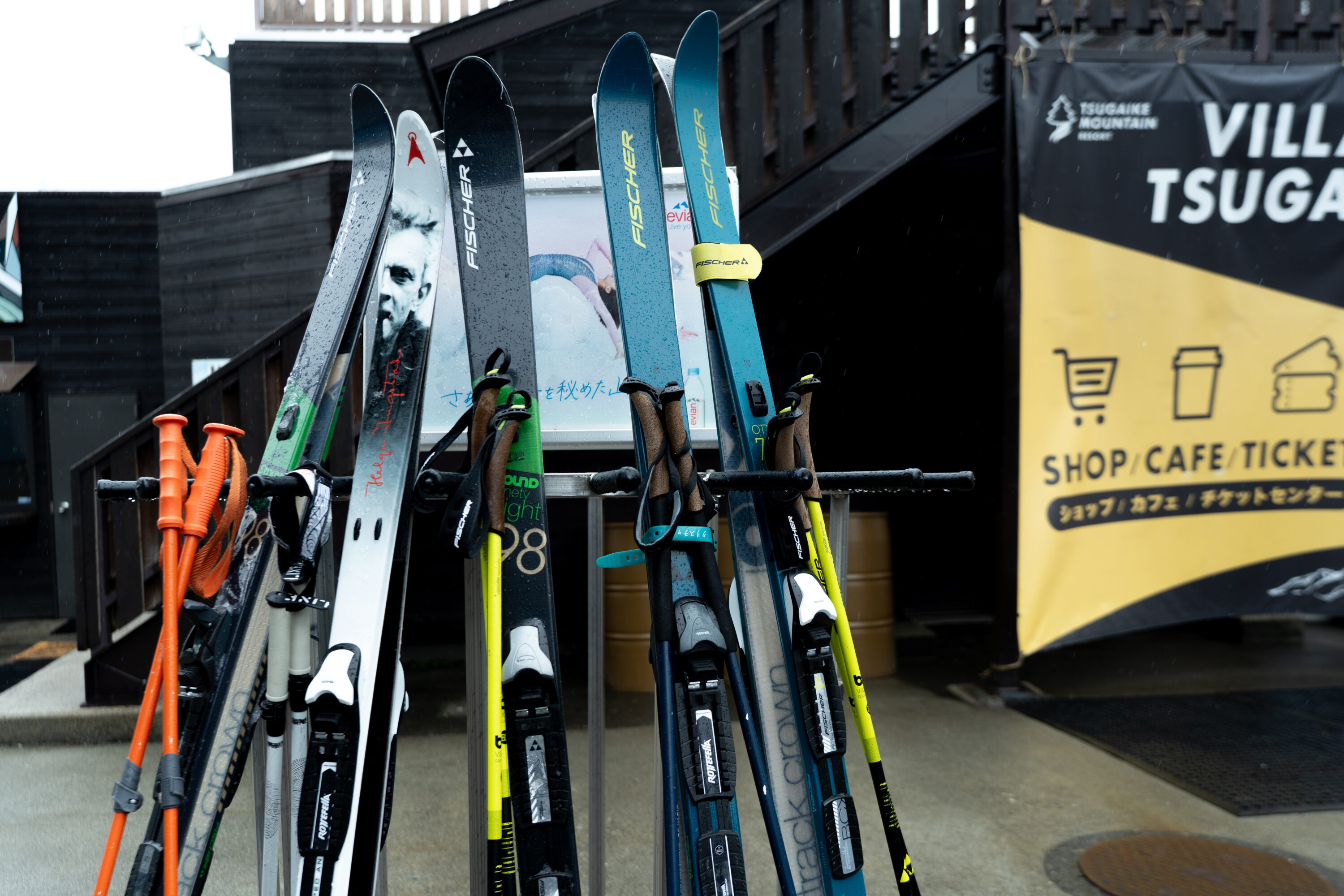
Skis used in "BC cross-country" typically have a waist width of 60-80mm and are very lightweight. The base features a step sole, allowing you to walk uphill.
The bindings are NNN BC standard cross-country bindings. The boots are also soft leather boots that meet this standard
. The ease of walking thanks to the step sole and heel-free design, combined with the stability provided by the waist width, allows for smooth skiing, and the seamless transition from mode change to skin attachment/detachment is a key feature of BC cross-country gear.

Clothing selection is crucial, depending on the weather and the day's activities. In winter outdoor activities, you want to avoid getting sweaty and leaving it on your skin. In addition to layering according to the weather and temperature, those unfamiliar with heel-free bindings should consider wearing bib pants to mitigate the risk of falls.
Generally, a three-layer ski suit or a cross-country softshell is recommended for warmer temperatures. Rainwear or fleece used for hiking can also be used as substitutes. You can easily try backcountry cross-country skiing with outdoor clothing you already have at home, without needing to prepare anything new.
What is the appeal of BC cross-country skiing?
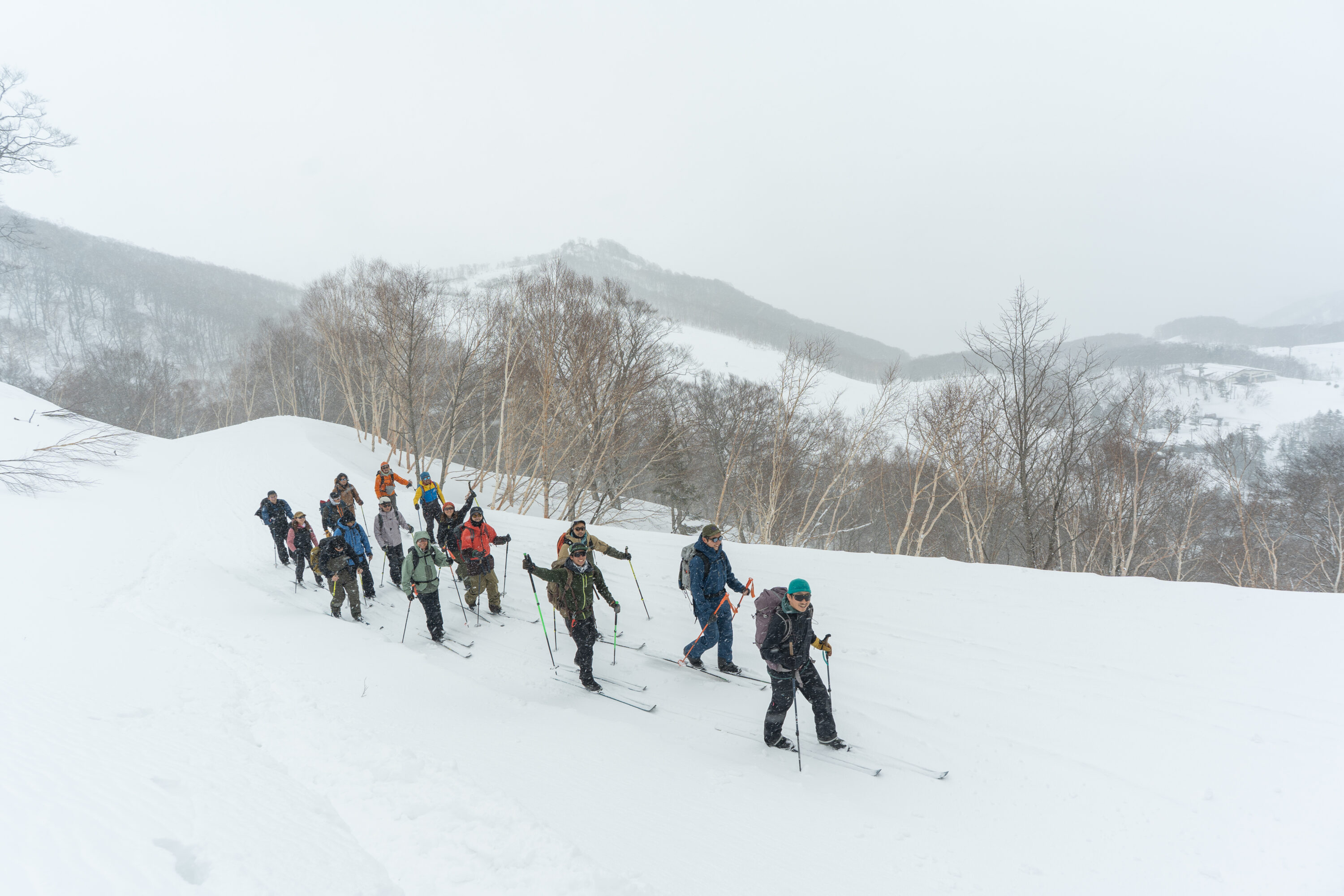
One day in April 2025, 15 skiers and snowboarders who had become fascinated with the appeal of backcountry cross-country skiing gathered at Tsugaike Kogen Ski Resort in Otari Village, Nagano Prefecture.
The initiator of this project is Kota Ito, CEO of well-tuned
"In 2022, I tried out BC cross-country skis with Mr. Renting from Fischer at Tsugaike Nature Park and realized their great potential as a way to enjoy skiing in the future.
Since then, as we have been organizing BC cross-country tours throughout Japan with the help of brands and shops, we have met passionate people in each region.
This led us to establish the BC Cross-Country Meeting, an annual event at Tsugaike Nature Park, where it all began, as a forum for exchanging ideas about BC cross-country skiing."
He told me about the background of the event.
The route for the day was from the gondola station at Tsugaike Kogen Ski Resort to Tsugaike Nature Park. When we got on the gondola and arrived at the mountaintop station, there was about 10 centimeters of snow due to unseasonal snowfall.
Many of the members were regular winter sports enthusiasts, so we laughed and said, "We brought the wrong skis today," as we started walking towards our destination, Tsugaike Nature Park.
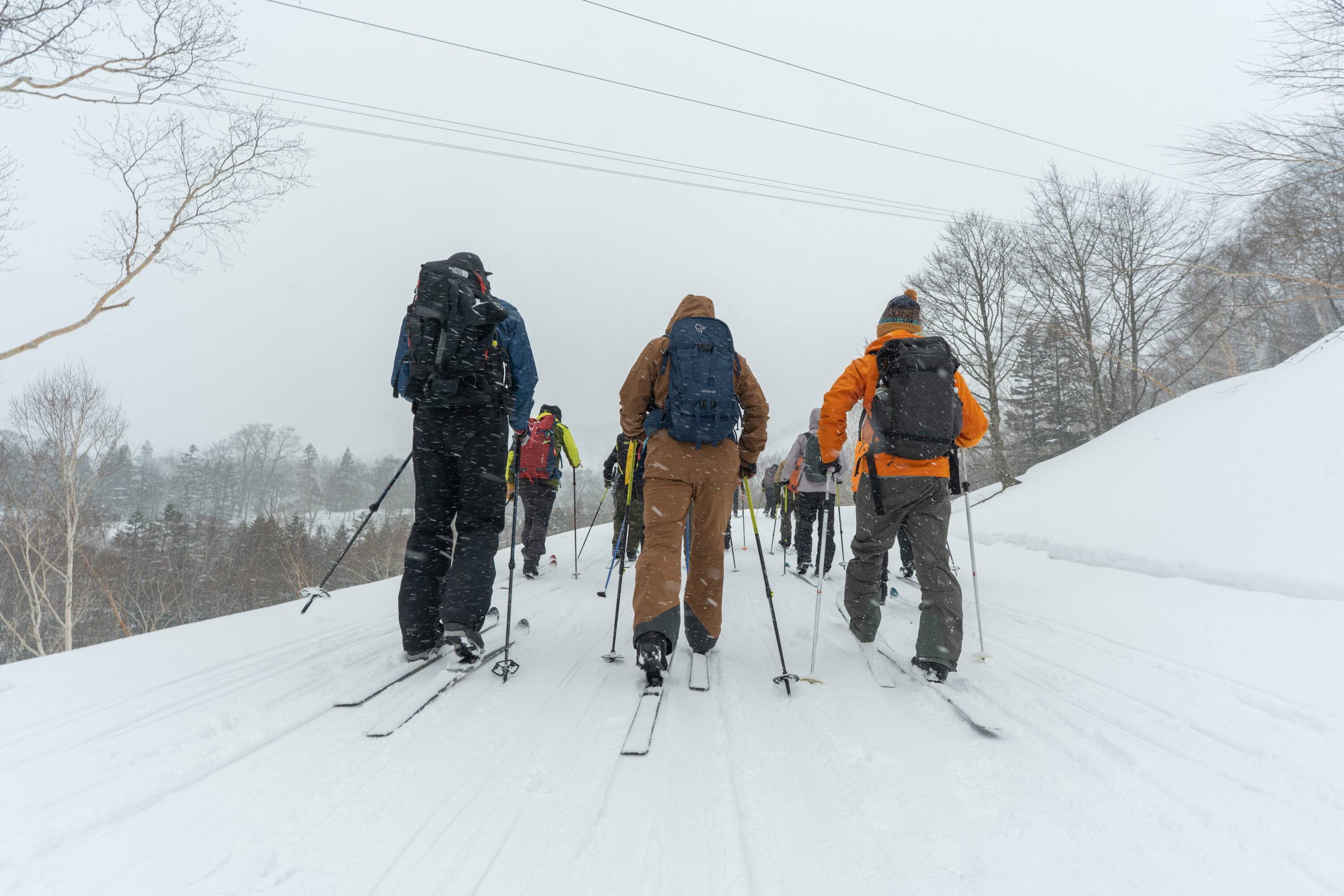
We proceeded along a forest road used to access areas outside the ropeway's jurisdiction before its spring opening.
Many people are likely familiar with this forest road, as it's often used when going backcountry skiing or snowboarding from Tsugaike Ski Resort.
Although I had climbed this route several times before, I remember that it was difficult to get to the ropeway stop due to the gradual climb. I was worried that I would be late and cause trouble for the other members, but that worry was soon resolved.
The lightweight gear and comfortable, non-restrictive leather boots of backcountry cross-country skiing made for a pleasant experience, naturally lifting my spirits and making conversation flow easily.
Furthermore, since there's no need to change binding modes or re-apply skins, you can even make a U-turn mid-climb, ski down, and then climb back up again. The fact that backcountry
cross-country skiing isn't solely about uphill riding is another appealing aspect.

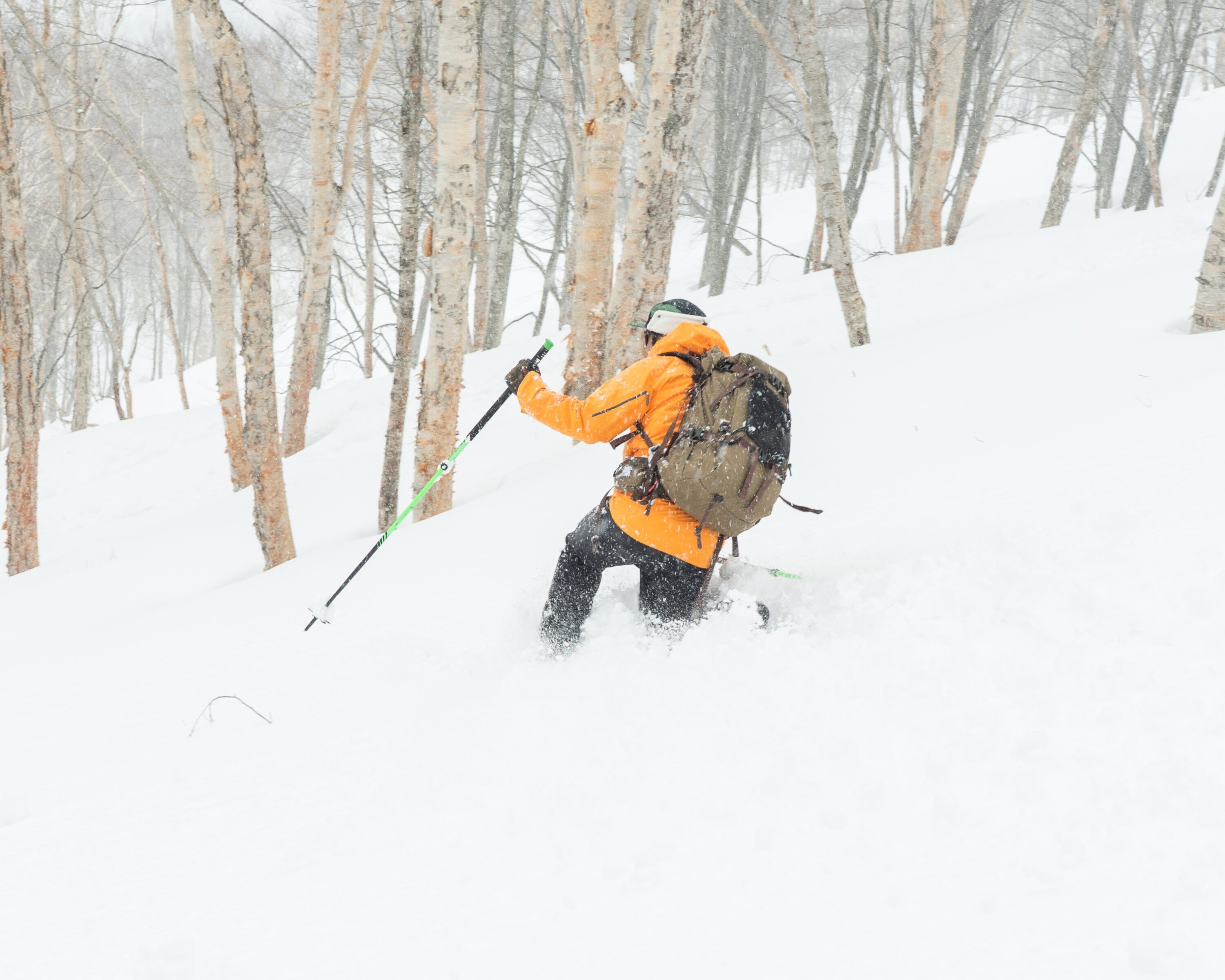
How to enjoy BC cross-country skiing
While there are many ways to enjoy winter sports, backcountry skiing and snowboarding, and BC cross-country skiing, which involves hiking through foothills and forests, share a common appeal.
While gliding down powder snow and admiring breathtaking scenery are certainly part of the experience, if you consider the conversations during the hike to your destination, the unique scenery and emotions of the day, and the hot springs and meals afterward as part of the mountain trip, the actual time spent skiing or snowboarding is only a small part.
Surprisingly, the other parts of the experience are often what leave the strongest memories.
While advancements in ski equipment are making it easier to gain altitude, a closer look at the gear and terrain reveals an endless expanse of backcountry skiing where you can enjoy yourself at your own pace.
Why not try backcountry cross-country skiing this winter, where you can freely and effortlessly walk and ski?
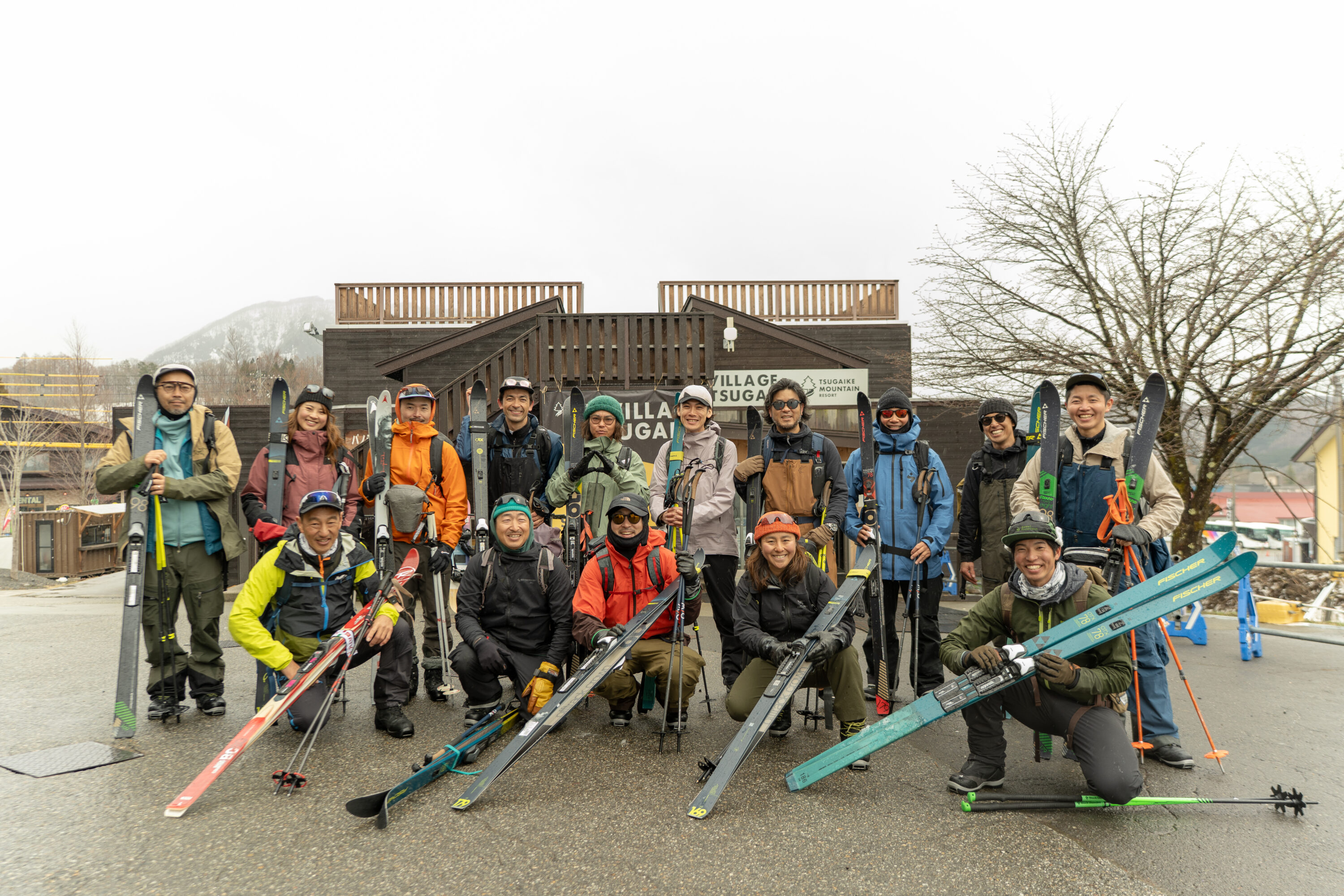

Photo=Tomoya Tezuka