
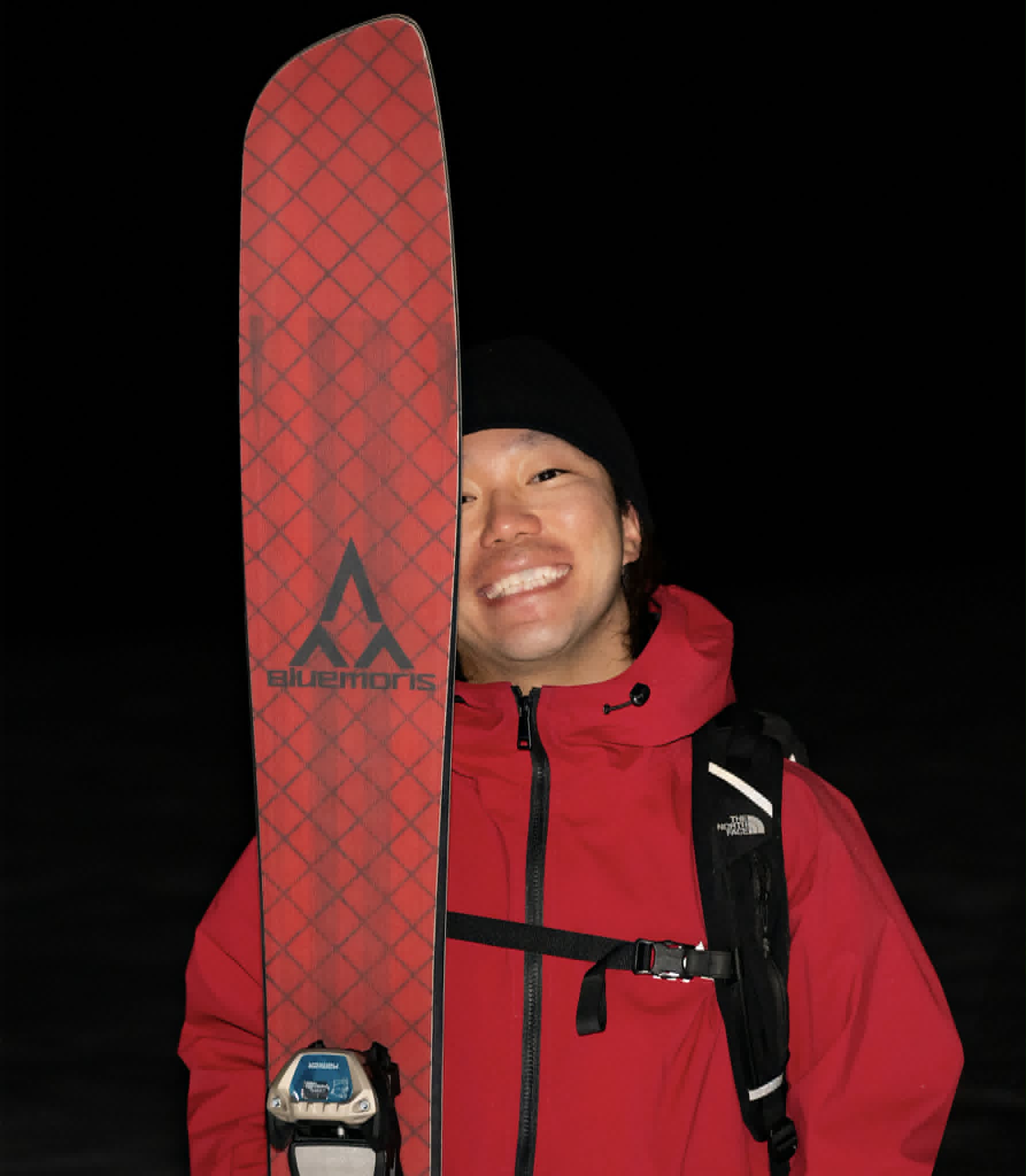
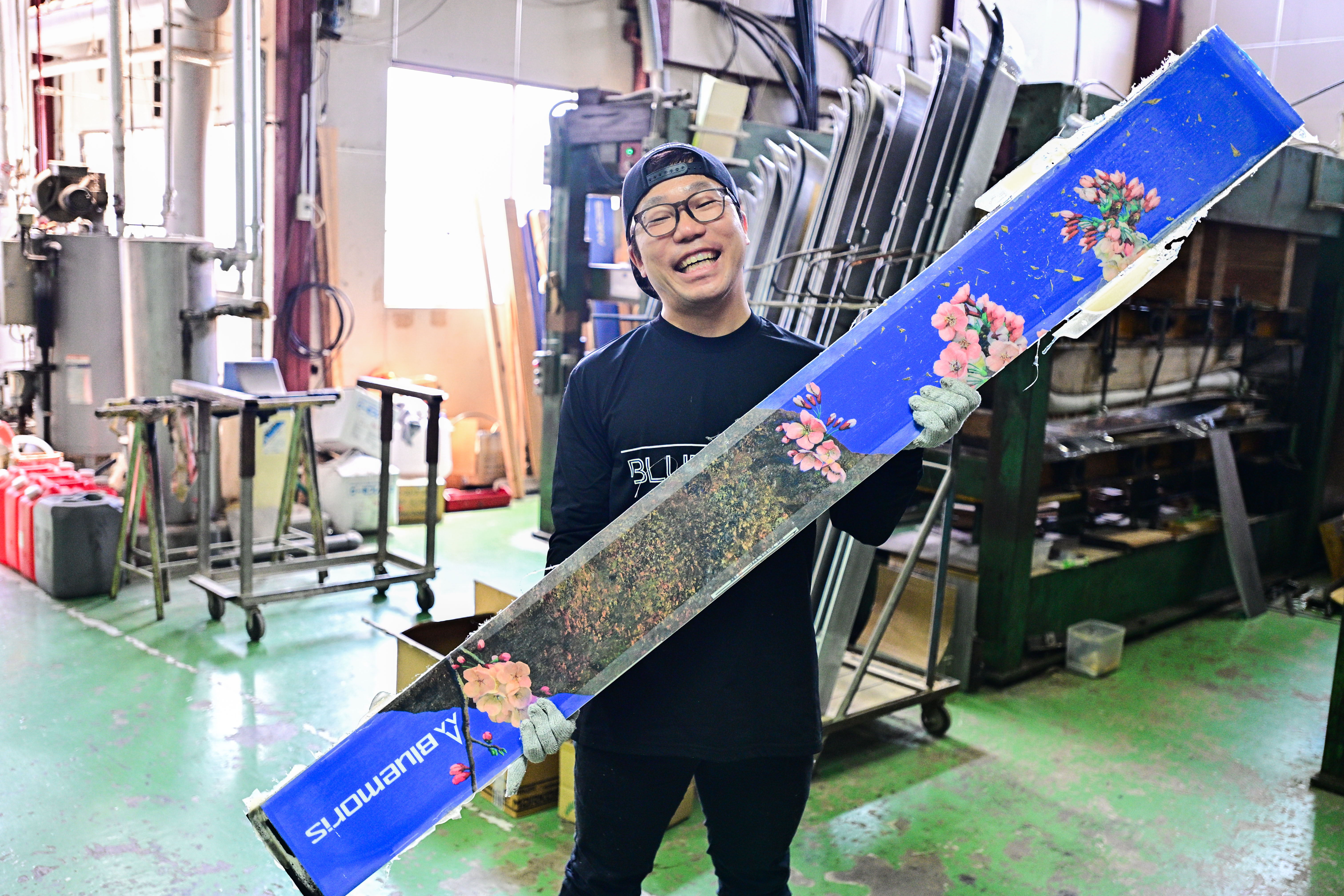
A man who called himself a "ski developer" but (presumably) knew nothing about skis actually visited a ski manufacturing factory and ended up working on the ski manufacturing process
This three-part series explores the mysteries of ski making—materials, internal structure, and production process—in an entertaining way, allowing viewers to relive this unique experience. This is the final episode.
Entertainment skier Shogo Kono, whose hard-earned knowledge vanished like bubbles overnight, faces the challenge of making skis helplessly and suffers a crushing defeat.
Day 3. Will he ever be able to complete his skis?!
Day 3, a do-or-die situation! The only lesson learned yesterday: "Don't panic, but hurry!"
Day 3. As usual, the assembly room is neatly prepared with all the parts and molds
"Don't worry, I'll help out today."
Ms. Satomura's voice is incredibly reassuring. I can now visualize the design and the sequence of steps much more clearly than yesterday.
The most important thing I learned yesterday is to not rush and to finish applying the adhesive to the board in as few coats as possible.
I can even picture myself completing each layer in less than 3 minutes.
Now, let's put it into practice


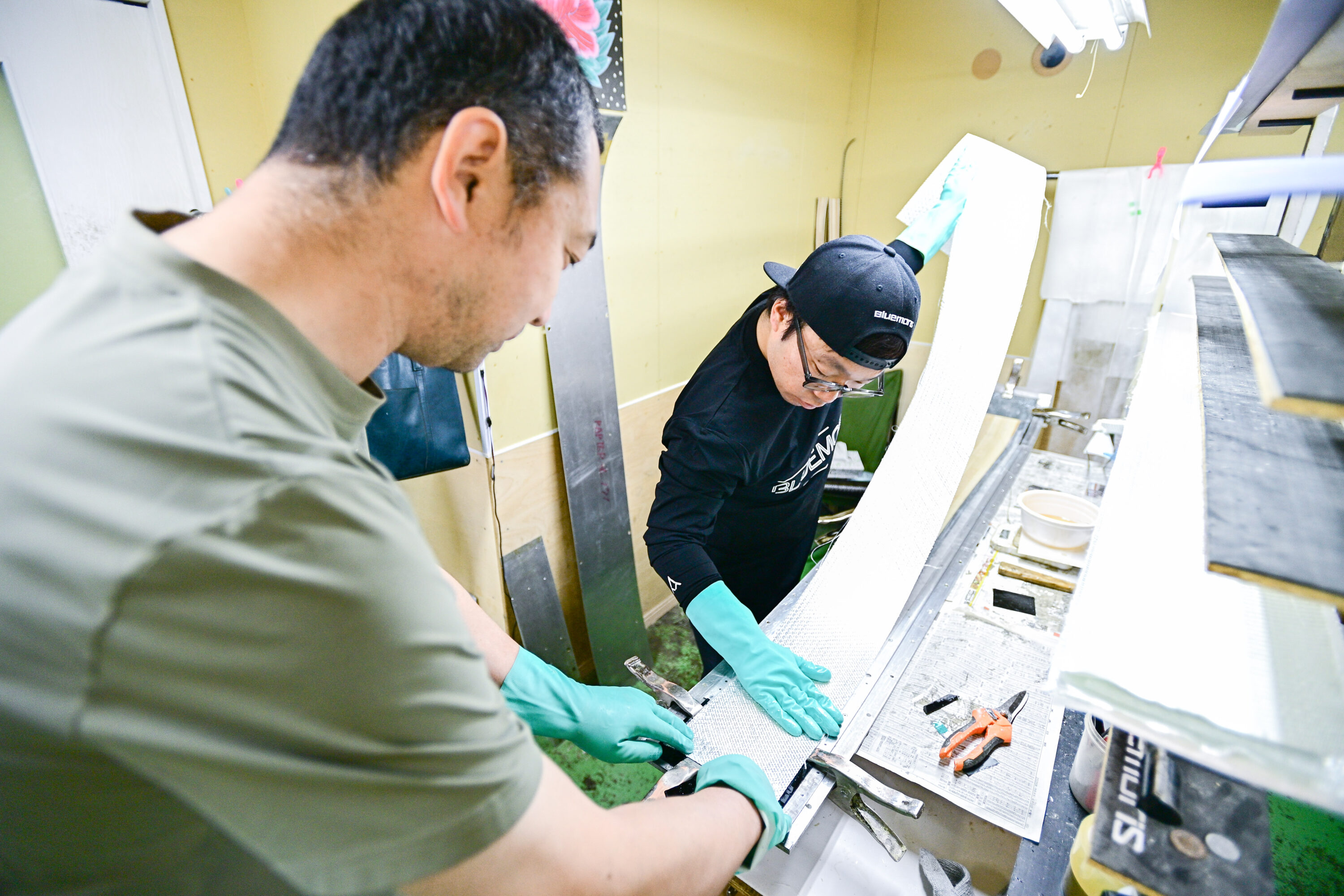
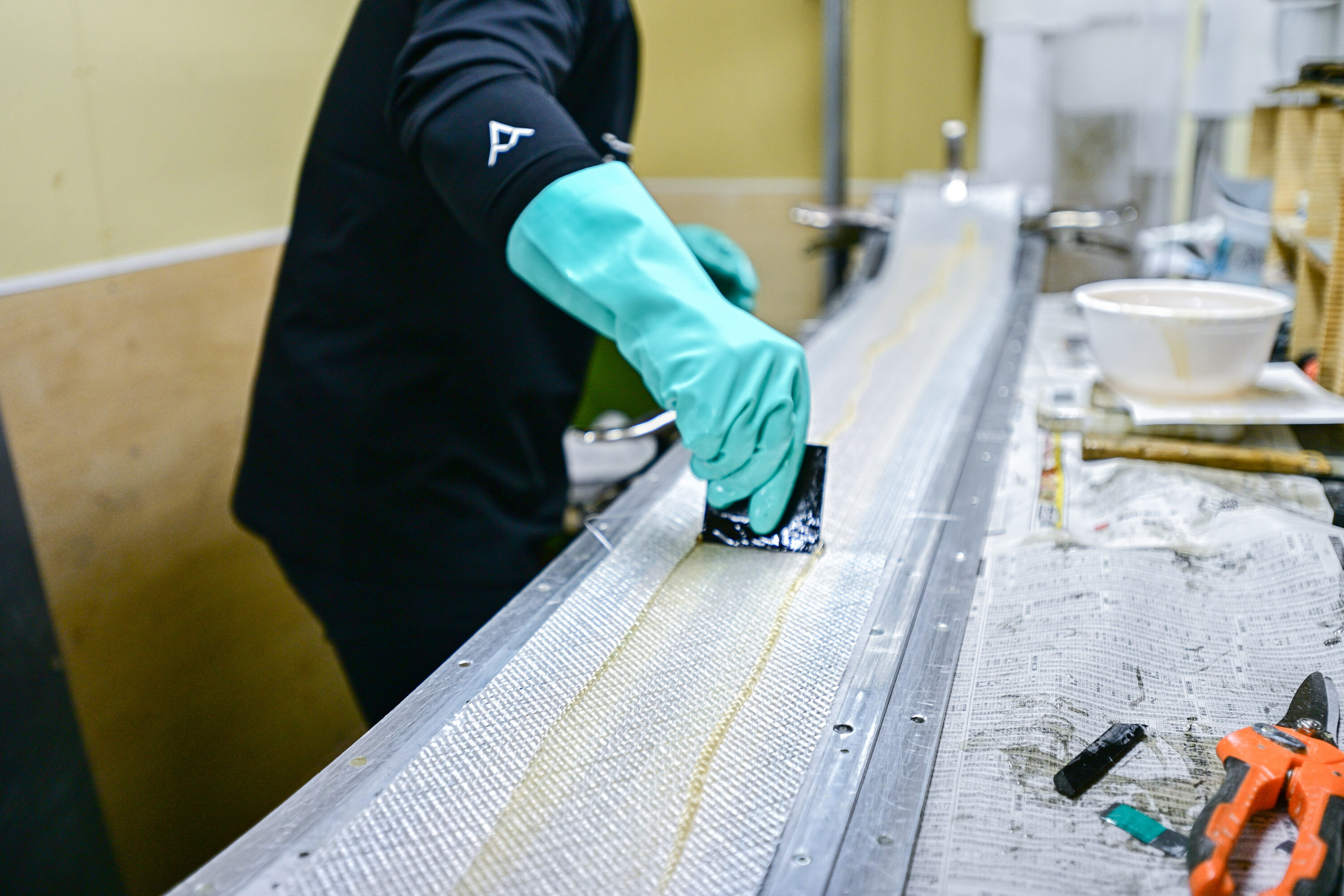
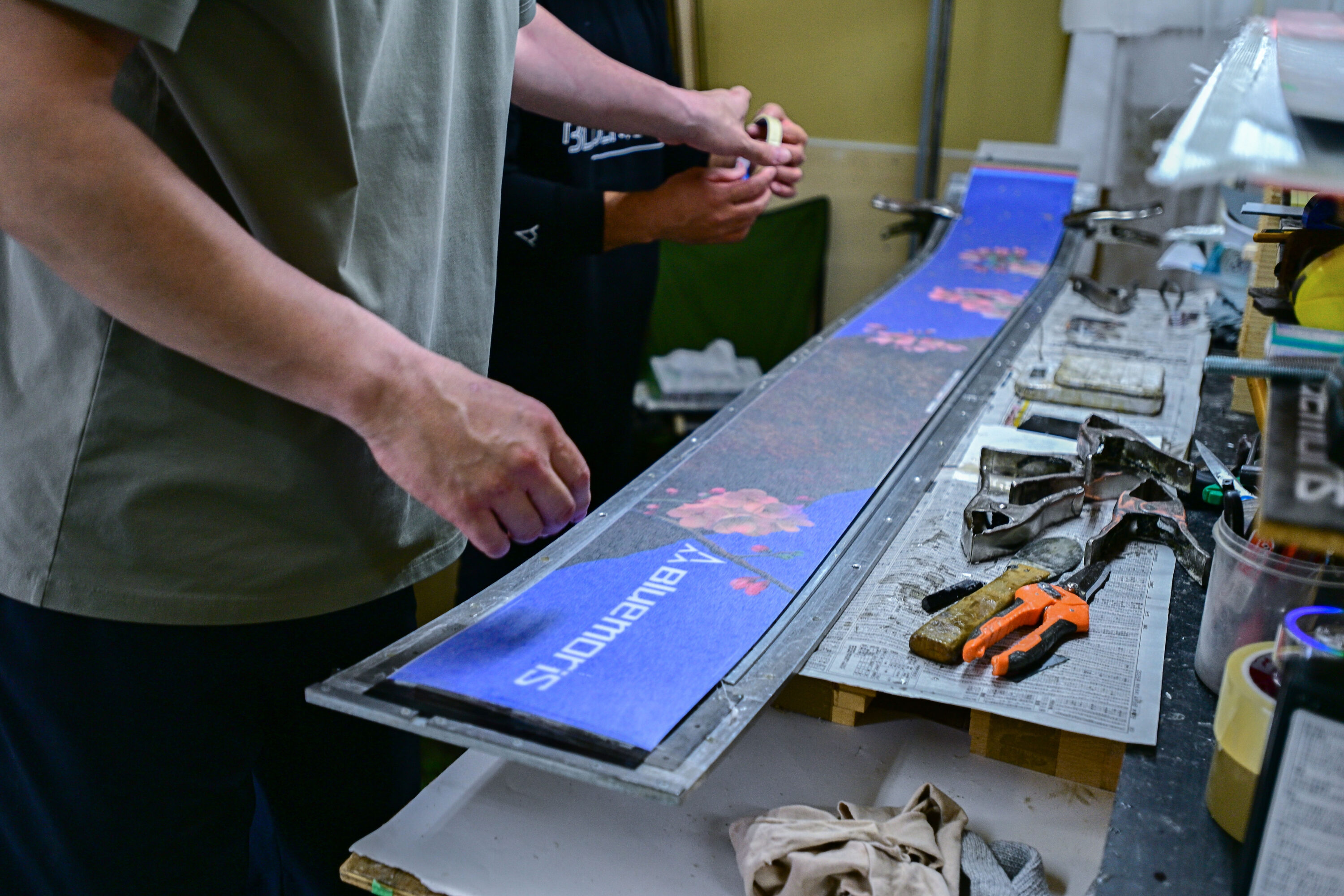
This time, we'll properly place the top sheet with the 26-27 season graphics on it and close the mold.
The time taken is 42 minutes!!
It was the very last moment before the epoxy started to harden. Mr. Satomura applied adhesive to the tail area, which I thought significantly reduced the time, but it still took this long
That said, it was done in half the time it took on the second day.
I guess that's pretty good.
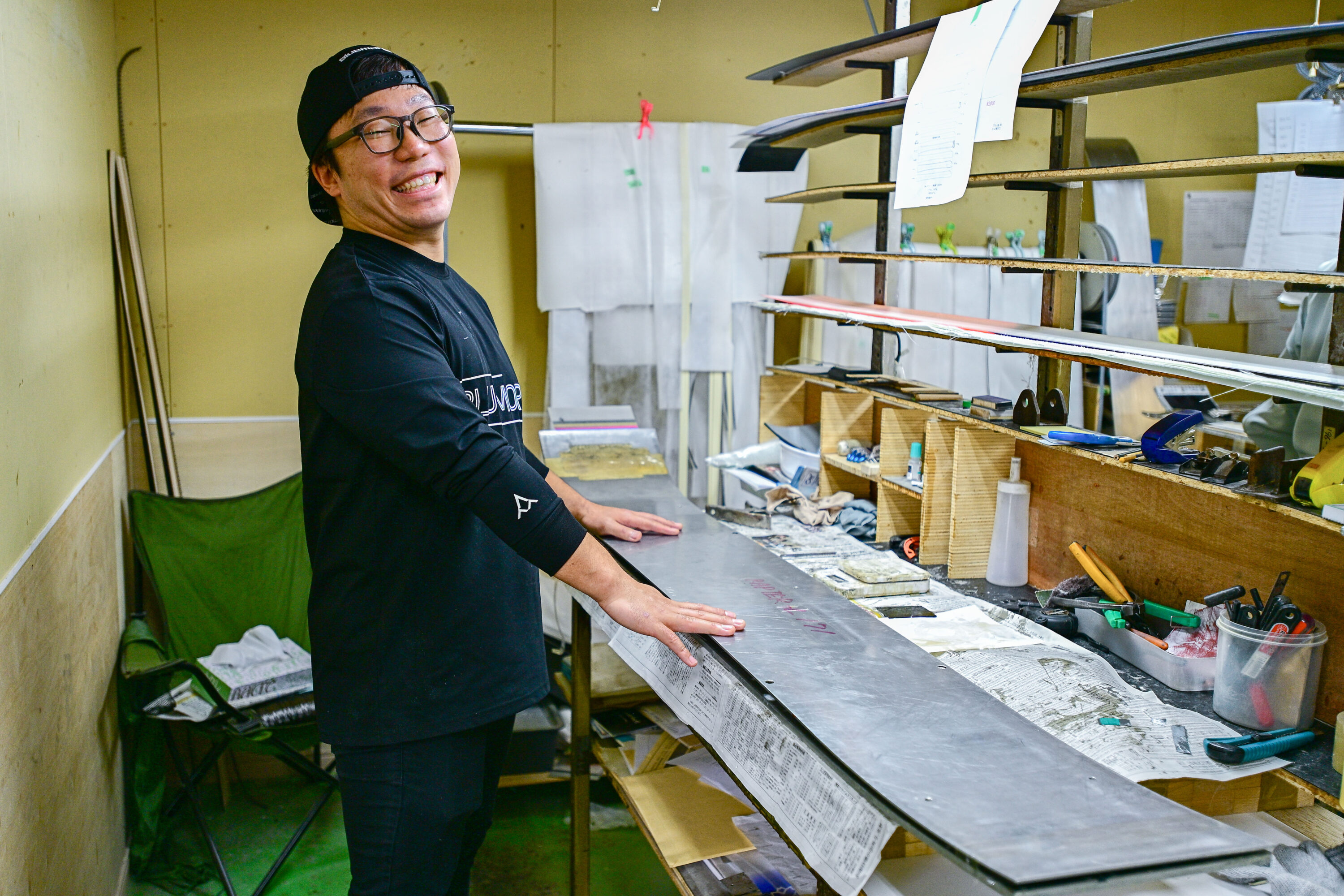
The mold is placed on the press machine and pressure is applied. The results will be available after one hour
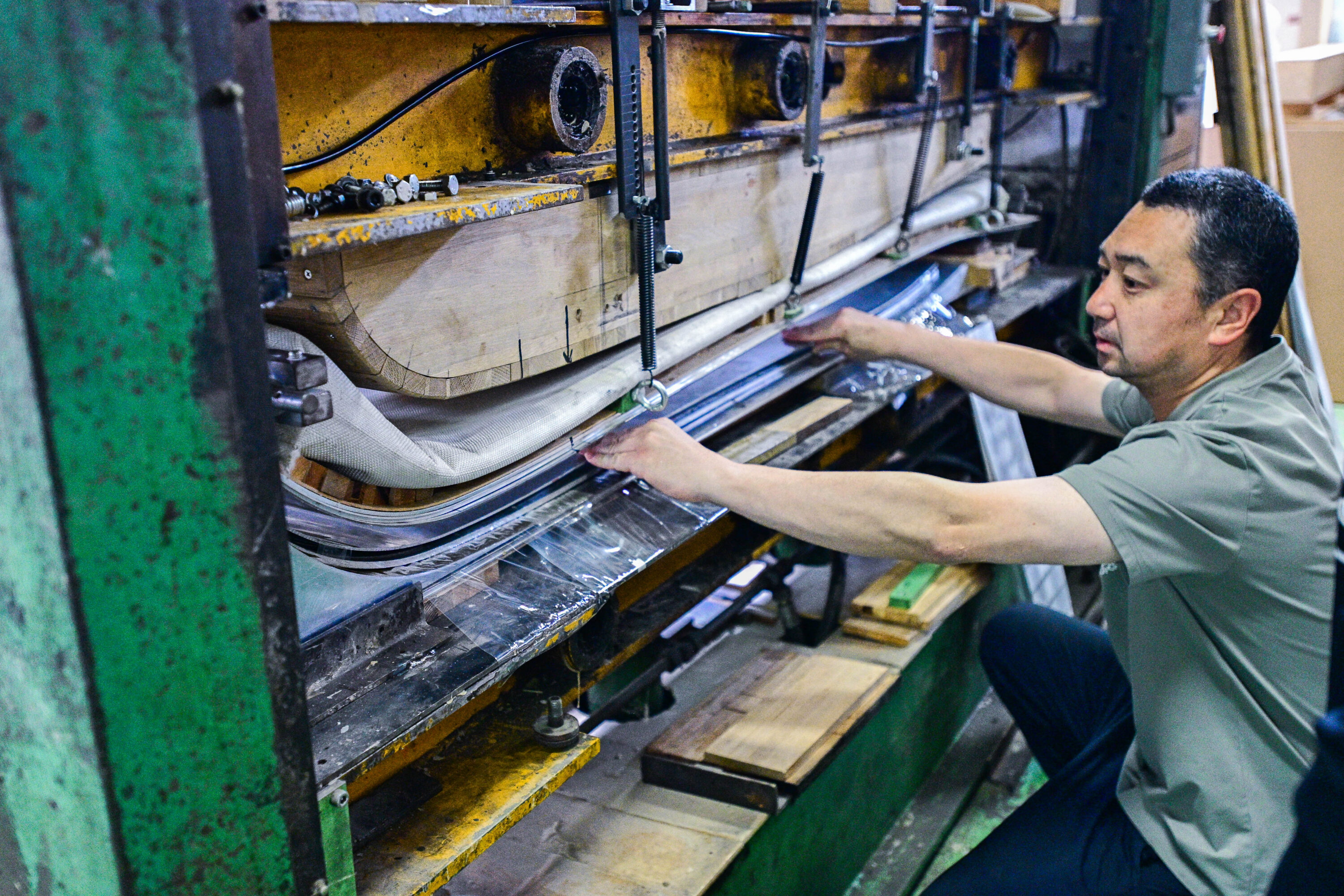
An hour of prayer. The tension was so intense I couldn't even taste the spicy miso ramen
"It's a little early, but let's have lunch. If you'd like, how about we go eat some salty ramen from Aomori?"
According to Edo-san, Aomori is famous for its strong, flavorful cuisine
This ramen shop has the look and feel of a long-established local ramen shop, and I chose the spicy miso ramen
"The ramen here has a strong flavor, so I recommend having it with rice."
Edo-san kept repeating that the flavor was too strong, but he was so unsure about the finished product that he couldn't taste anything at all. He could tell the flavor was strong with his tongue, but it didn't seem to reach his brain
The thought of this continuing after tonight's dinner is simply terrifying
Finally, a flawless pass! The weight of the "OK" handed to me by the craftsman
When I returned to the factory
"Okay, then I'll have them take it out of the press machine."
"That's what Mr. Satomura said. He released the pressure and pulled the piping hot mold out of the press. He removed the top mold and finally came face to face with the sheet metal
Are there any small dents? Is it properly pressed down? Has any adhesive leaked between the edge and the sole? We checked each one together with Satomura-san
"Yeah, that's a good job!"
After Satomura-san finished checking everything, she gave the OK signal
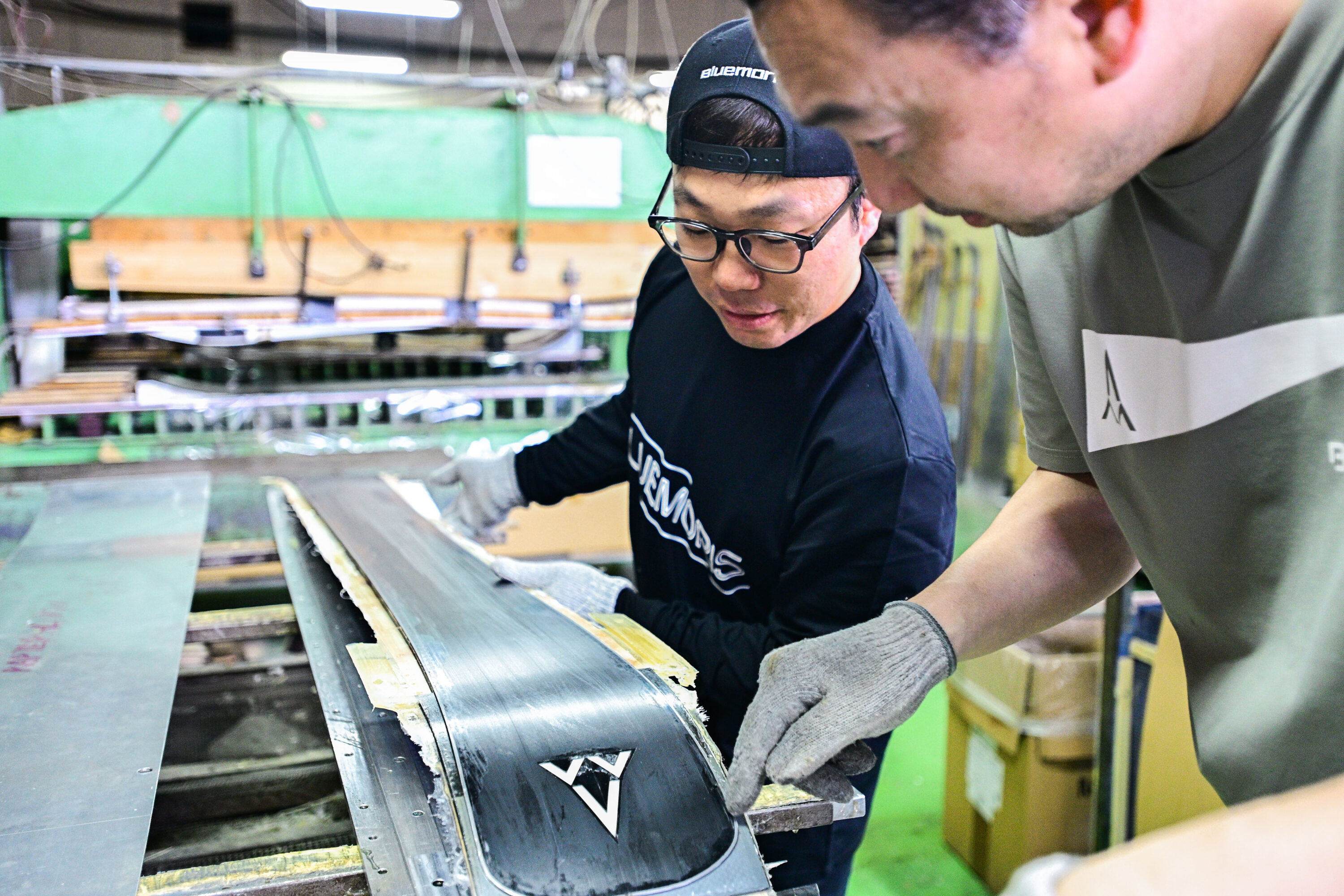
Yes!!
I'm confident I looked better than when I drew a sunny, extremely cold, menthol-covered powder (with a photographer and videographer present)
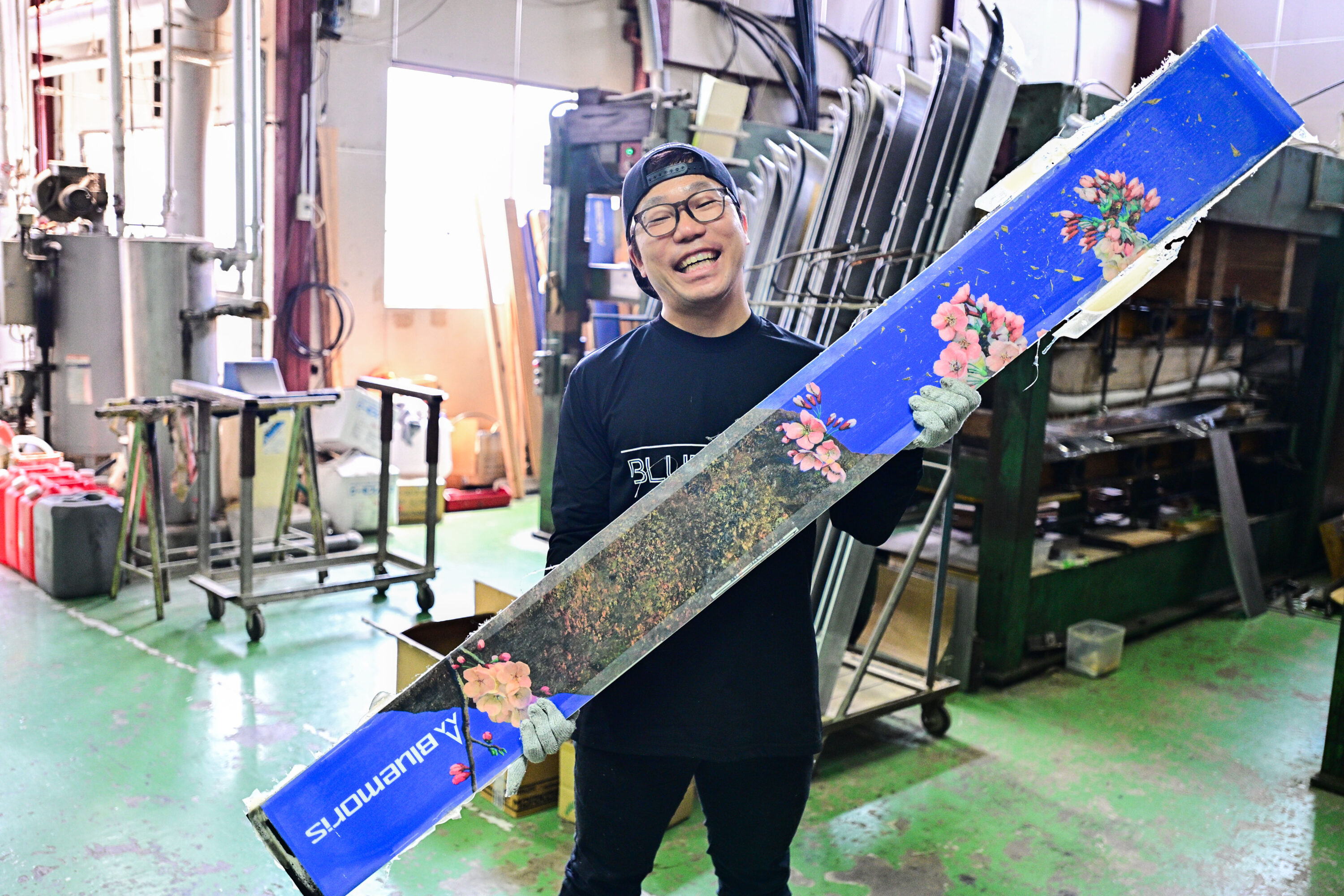
The never-ending polishing loop! I want to punch myself for asking in the past, "Is pre-tuning necessary?"
Now, the skis are cut into the desired shape by trimming the edges and then the sides and edges are sharpened
First, the edges are trimmed. This is done by Mr. Goto, a veteran craftsman with over 20 years of experience in this field.
If even a little thickness remains on the sides at this stage, the polishing time will increase. He quickly cuts the edges into skis using a tabletop scroll saw.
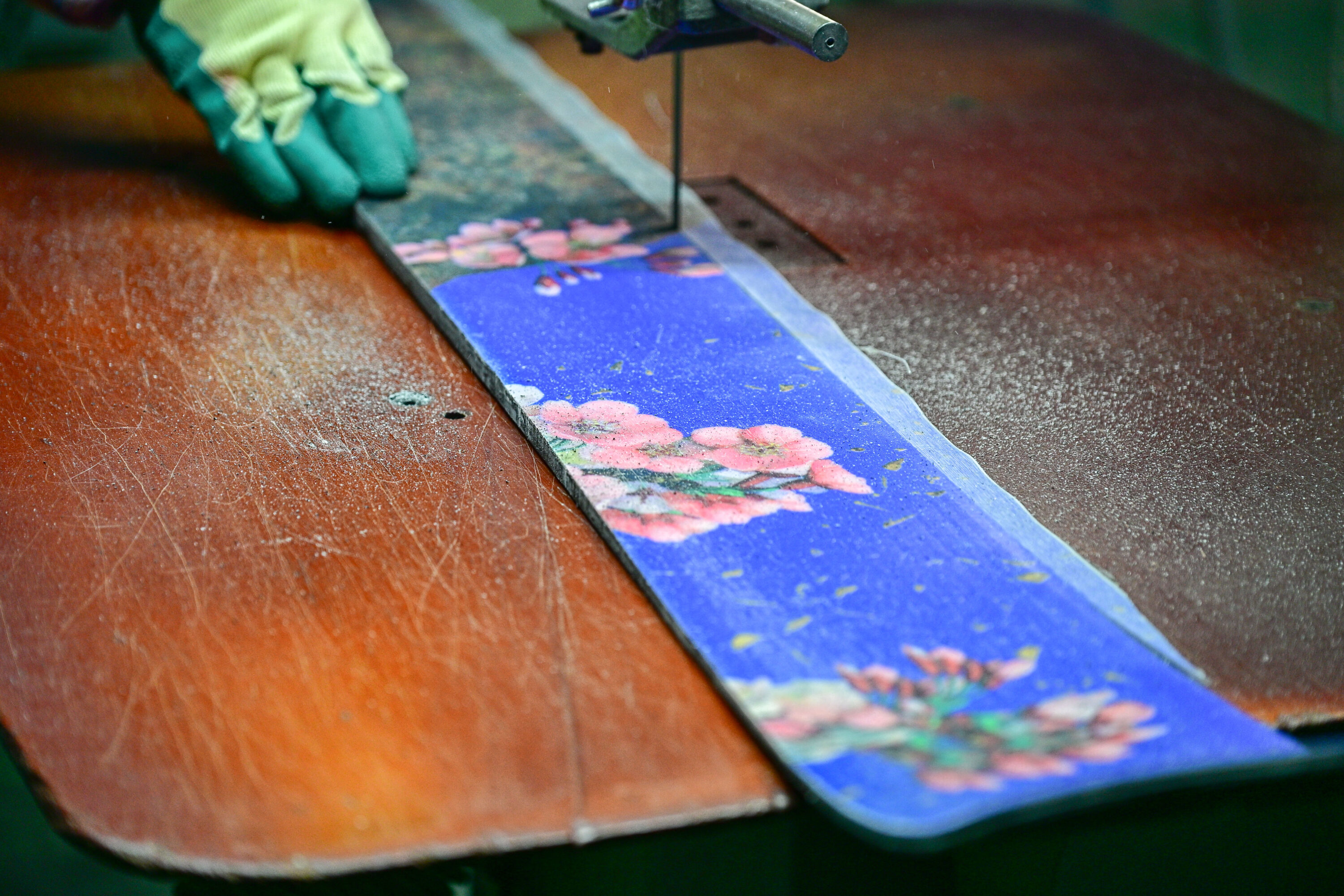
However, I'm sure that if I were to attempt this step, I would make an irreparable mistake, which presents a significant challenge
And then there's polishing
Polishing, oh polishing
The reason I'm talking about polishing with such emotion is because this process took more than three times the time, effort, and concentration I had anticipated
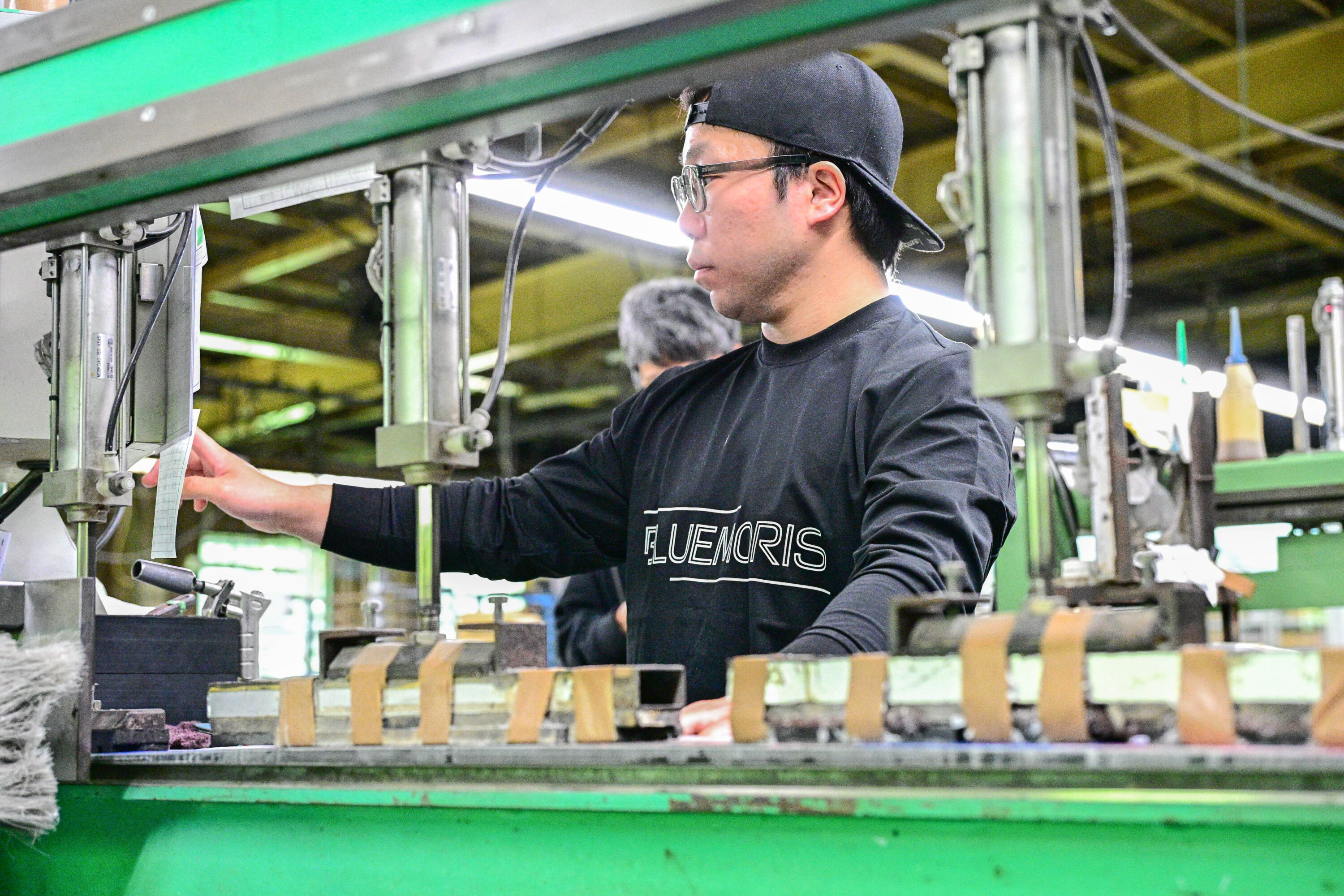
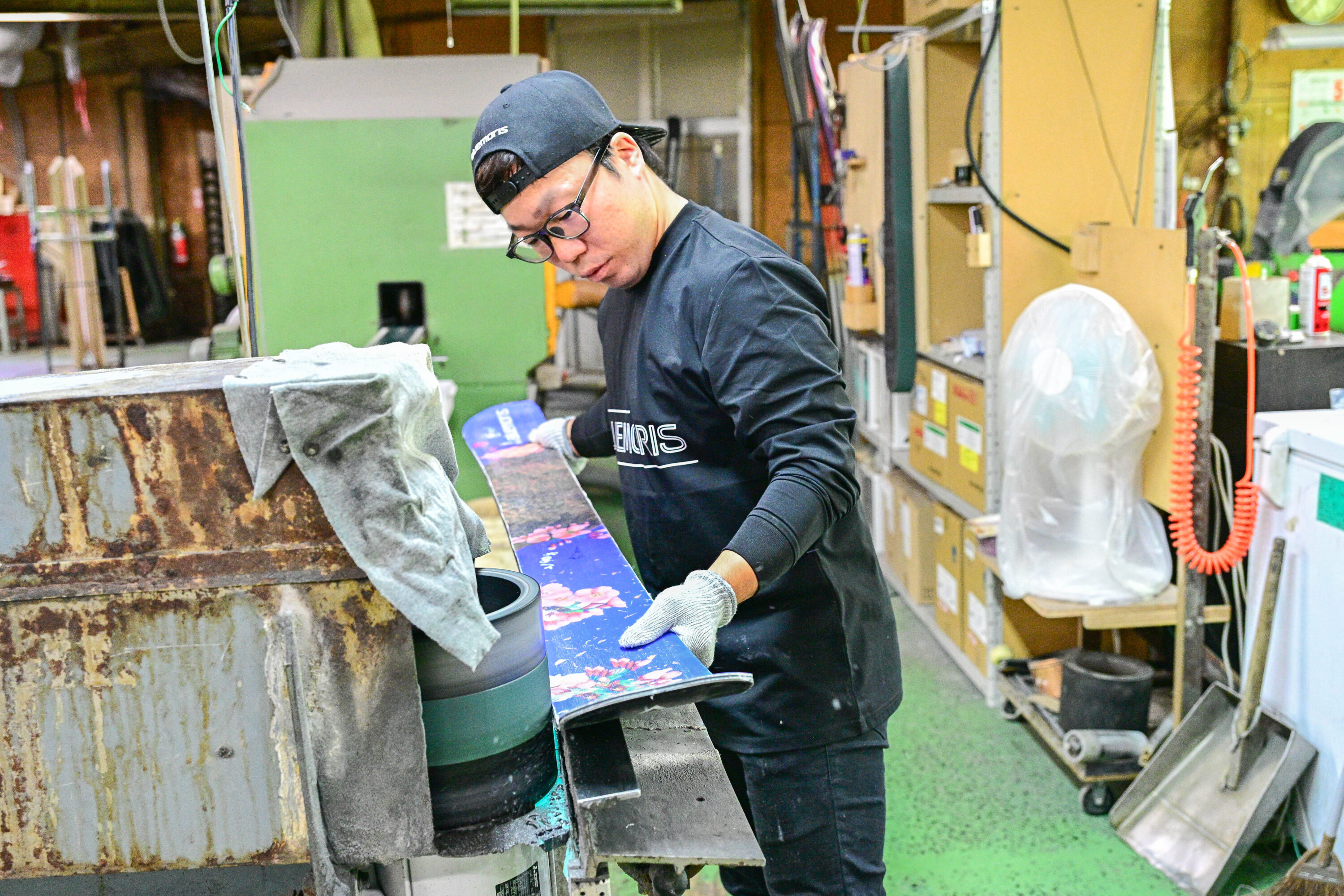
This process is repeated twice.
From here, the sole sanding begins: rough sanding, intermediate sanding, and finishing.
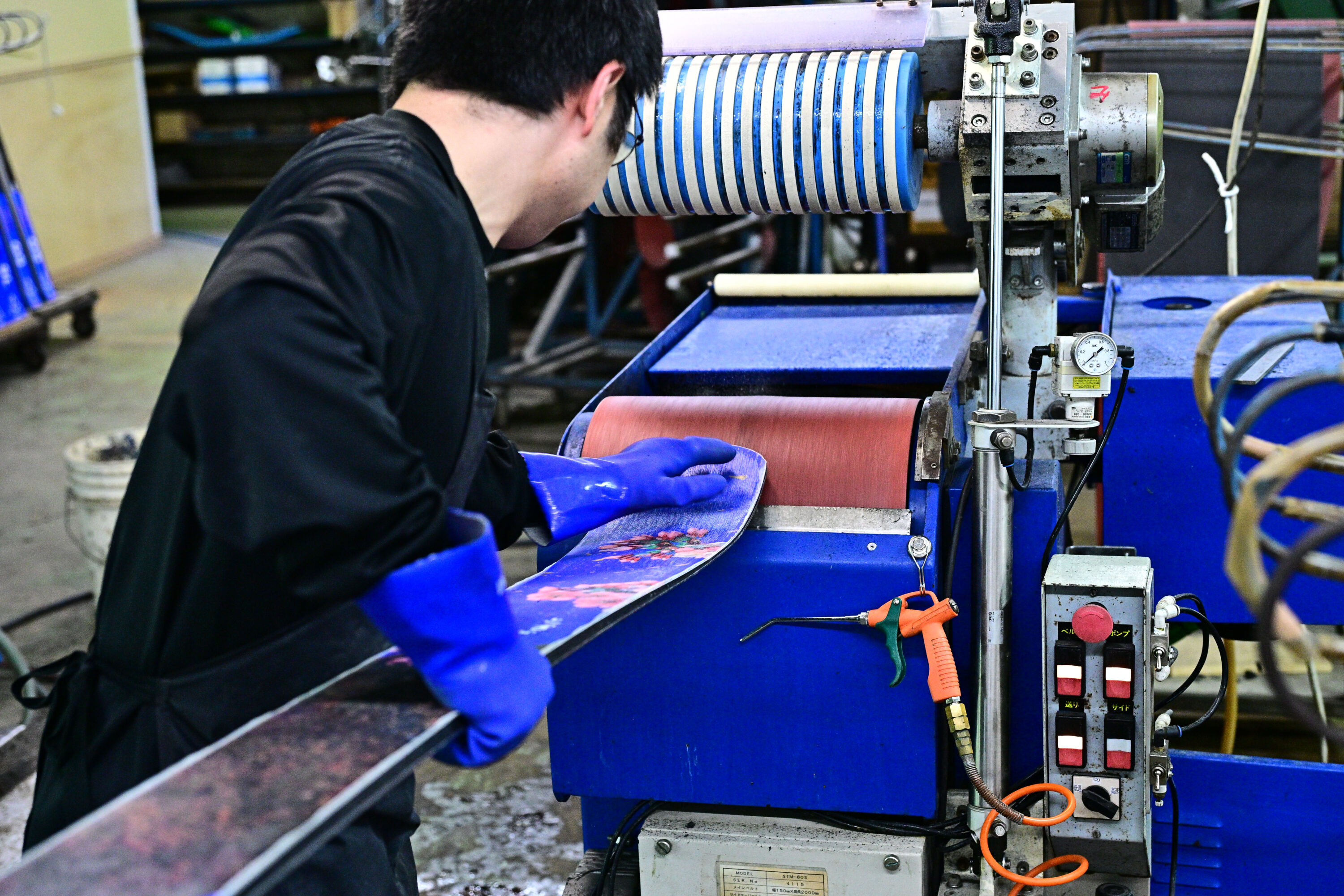
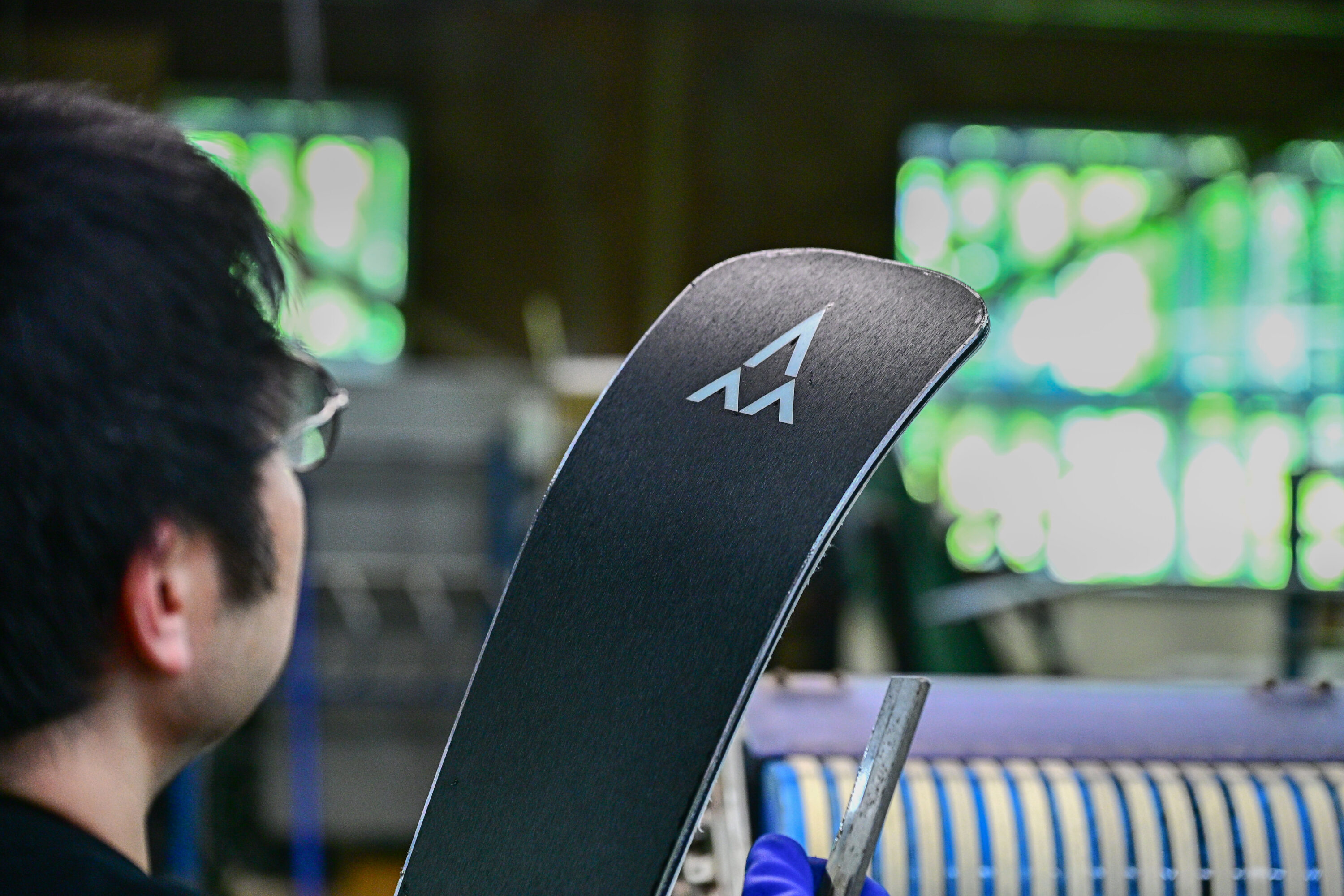
It takes an astonishing amount of time. Mr. Umeda, who is in charge of the polishing work, is, needless to say, a veteran craftsman.
However, unlike the craftsmen mentioned earlier, it's not at all the case that "it looks easy when you see the craftsmen doing it quickly."
In order to achieve the highest possible precision, we refuse to compromise on anything. That's why it takes so long. After sanding, the next step is rough shaping and intermediate shaping with a stone
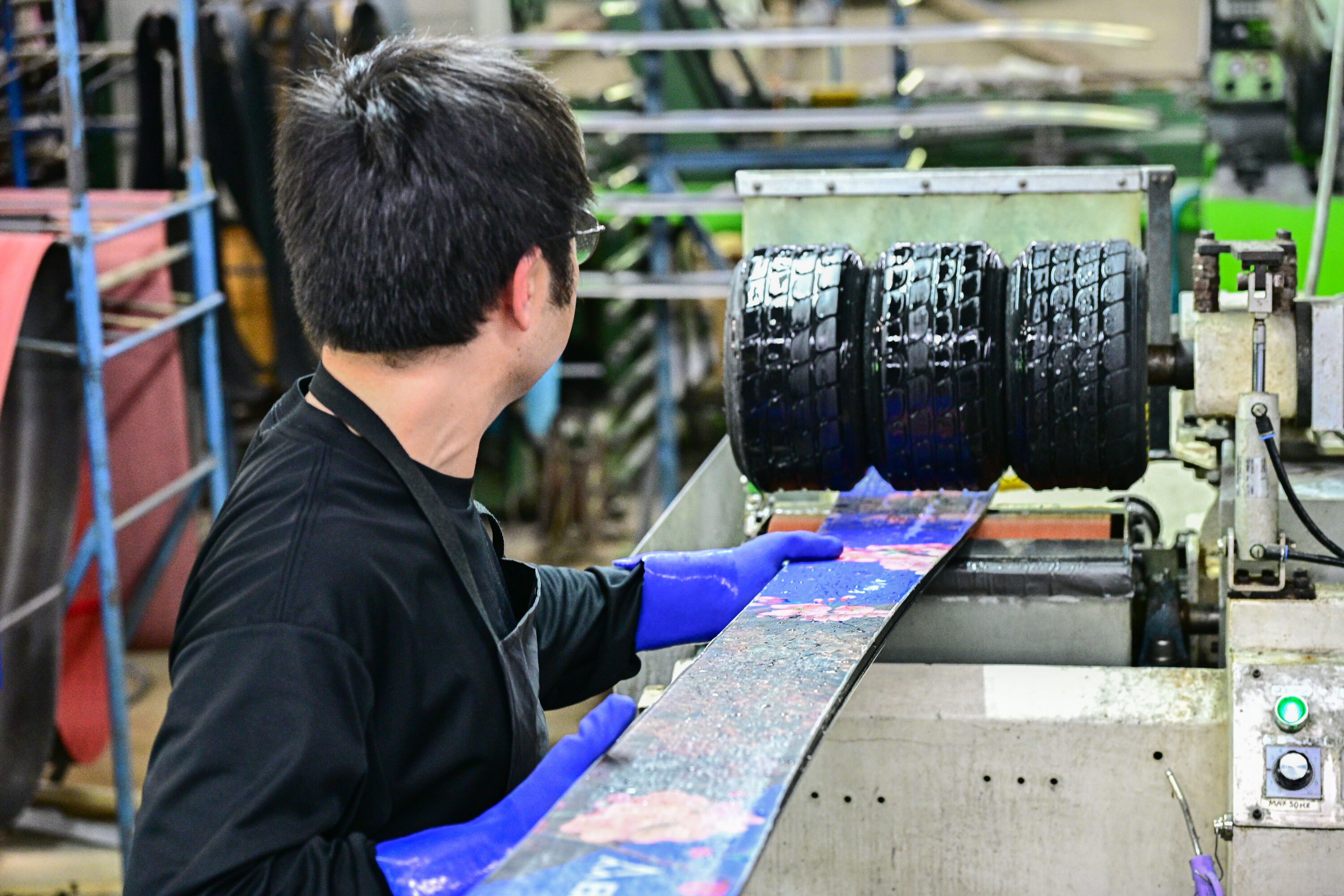
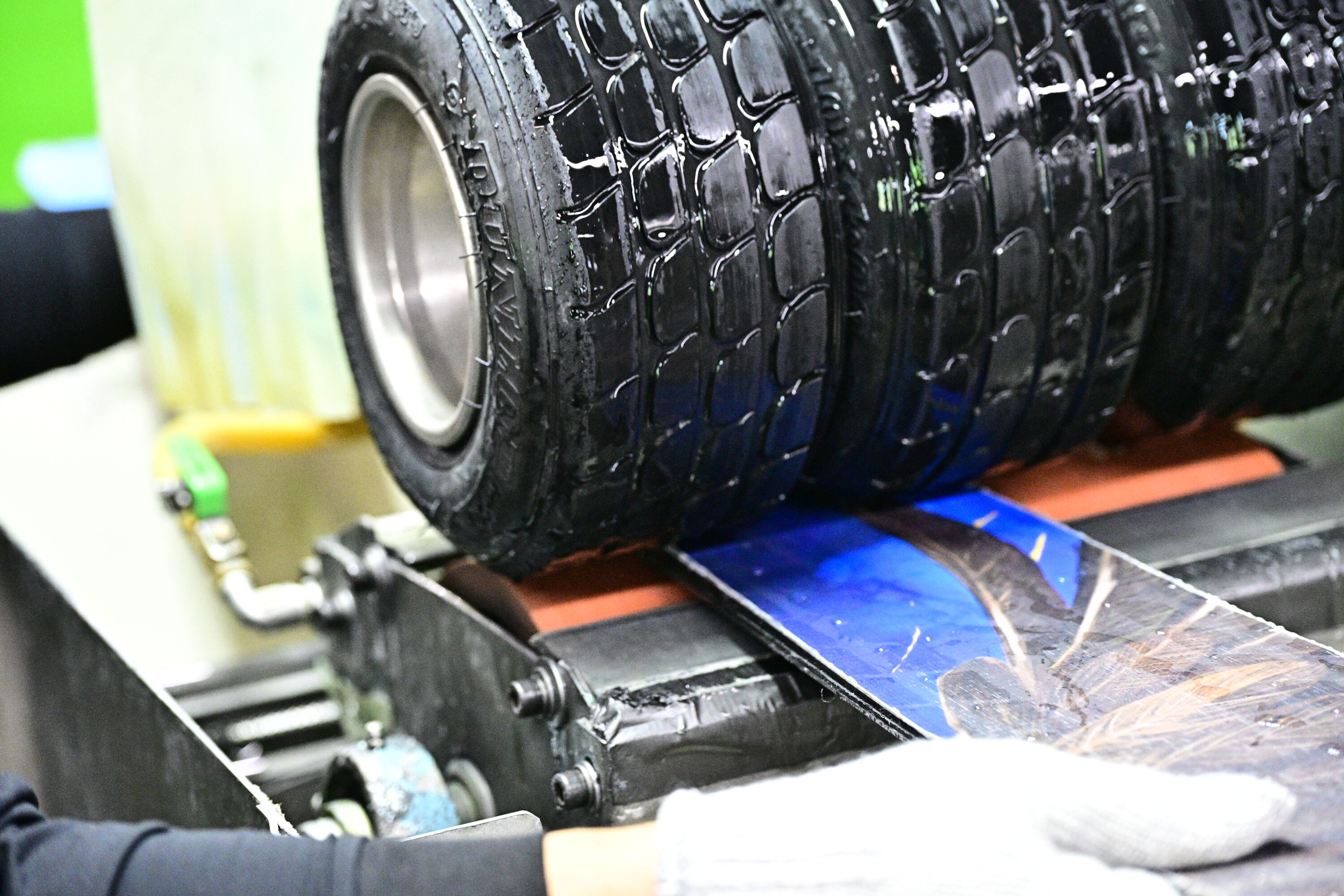
I get to try it out occasionally, but just as fatigue starts to build up in my legs, which are mostly just standing still, the process finally moves on to setting the next edge angle

And then, more stone polishing.
Again?! While we looked on in surprise, Mr. Umeda continued to work towards achieving perfect precision. This is the board after the final stone polishing was complete.
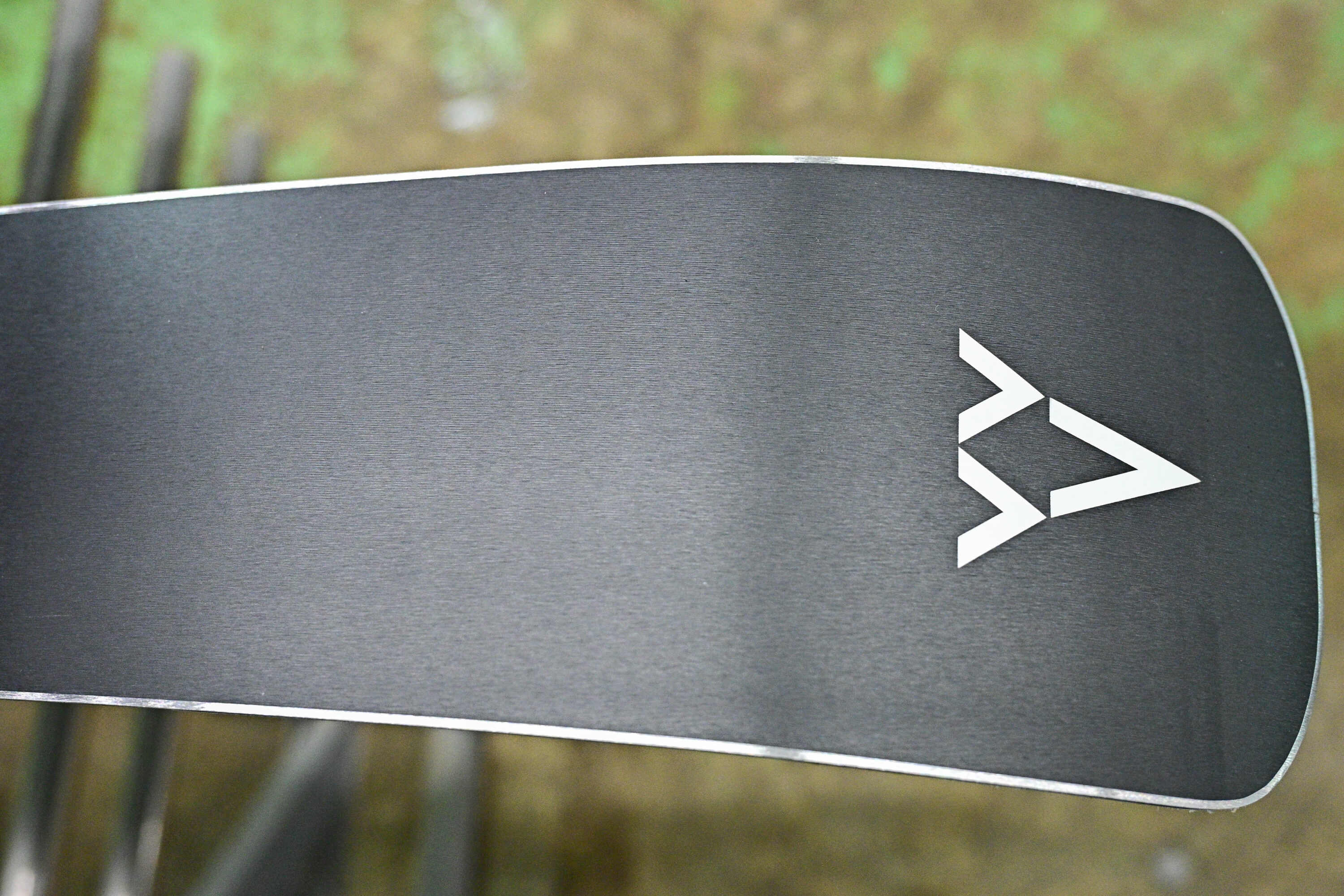
Even though it hasn't been waxed, it repels water so well that it doesn't even need wiping. I feel like I've witnessed the incredible skill of a craftsman. I almost instinctively reached out to shake their hand
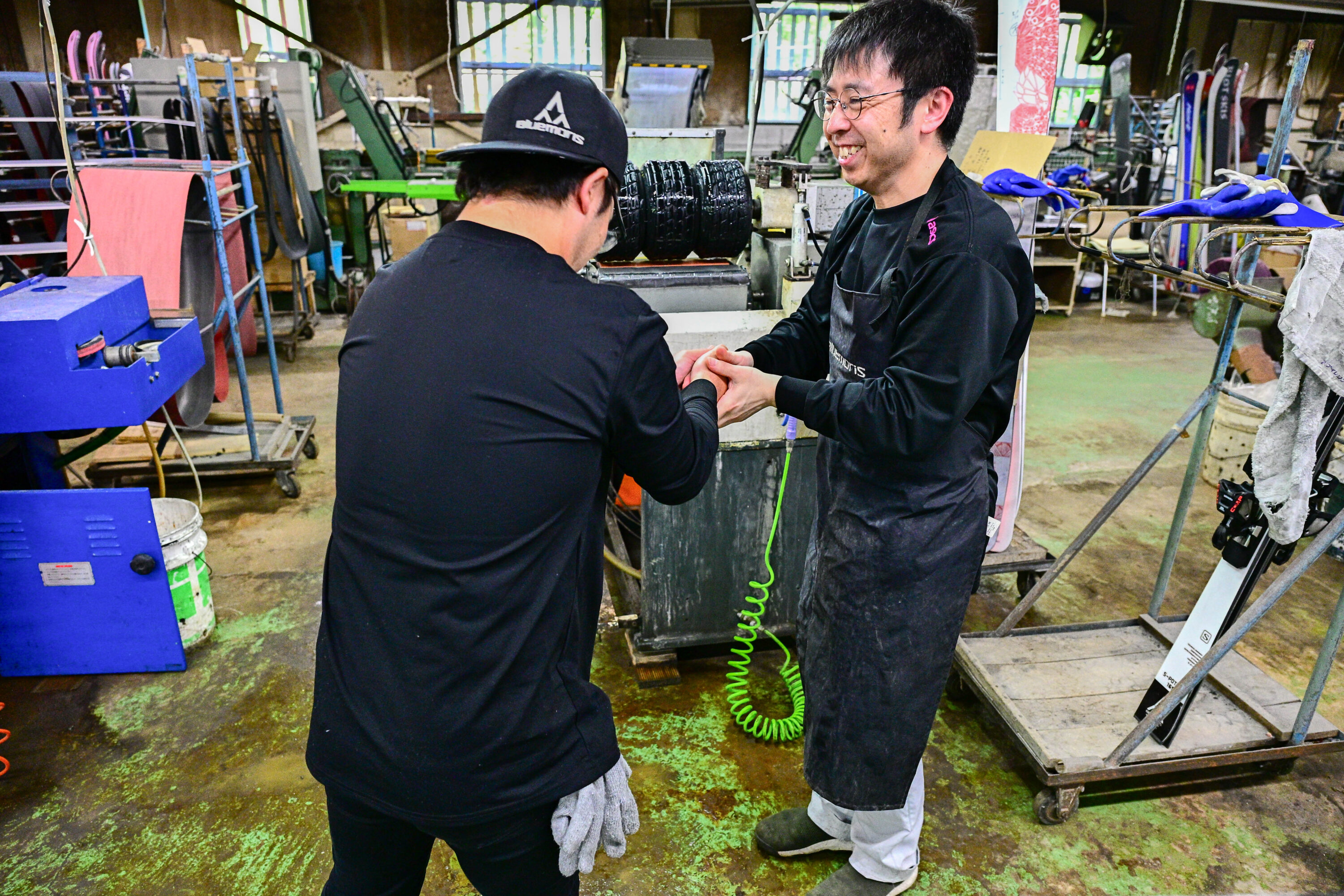
It's truly an amazing world. I
wonder if polishing accounts for more than half of the human involvement in the wood-making process? It's a profound world of polishing.
I want to punch my past self who, unaware of the backside of how these boards are made, once asked, "Do Blue Morris boards need pre-tuning?"
Not overlooking even a few percent of error! The final check that creates miraculous synchronicity
From here, the process involves inspection and pairing based on weight measurement
Blue Morris has established a quality check system of approximately 70 items when manufacturing skis.
Each item is checked with meticulous care. This includes visual inspection for minor scratches and delamination, checking the position of the rocker and camber, and measuring the weight.
There is also a pressure check to see how much the ski flexes when weight is applied perpendicularly to it.
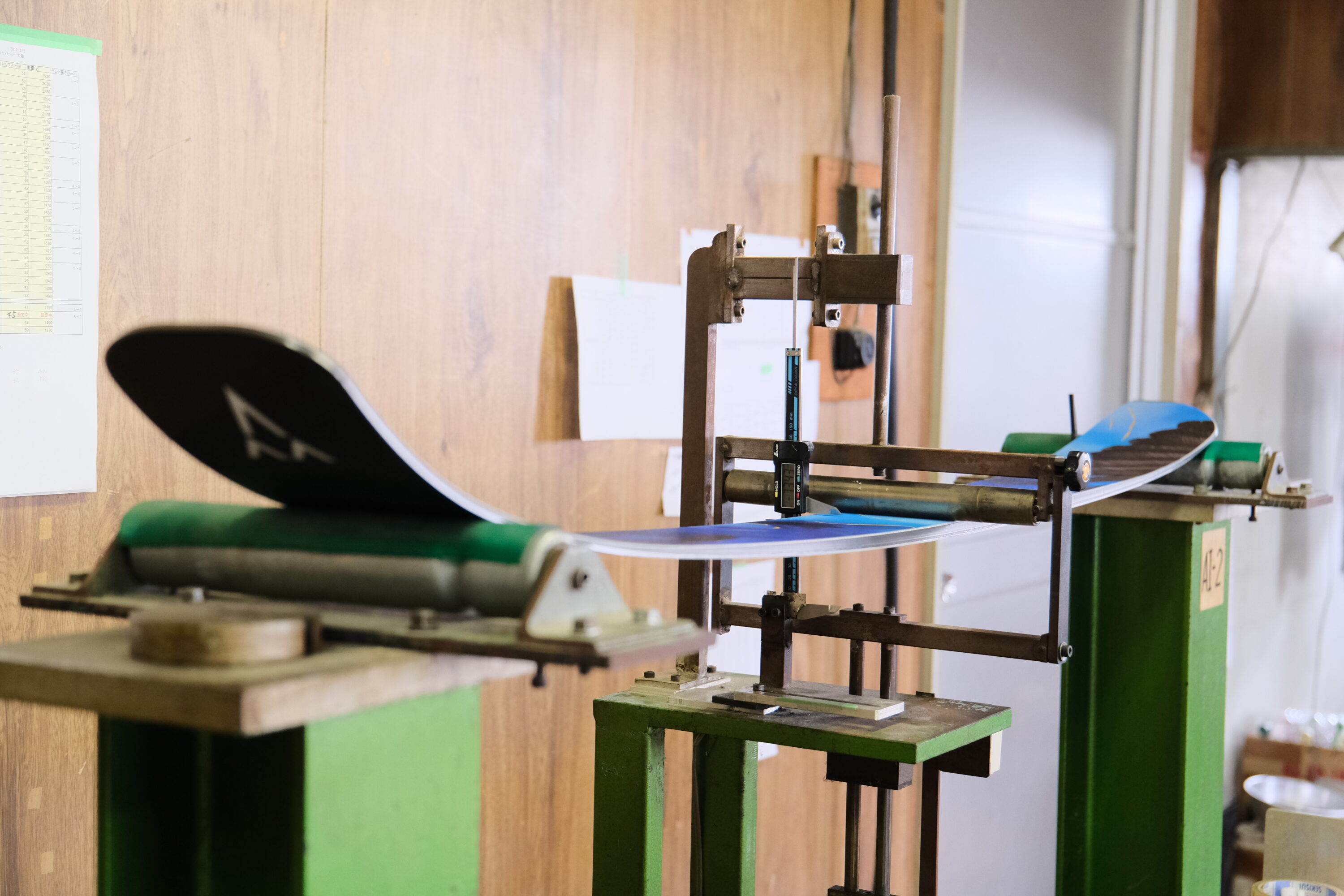
Finally, among the boards that have passed the quality check, there is a pairing process where boards that perfectly match are combined from among boards that each have a few percent margin of error
The skis are completed through these processes.
After that, they are transported from Aomori to retailers all over the country, purchased by customers, and then the bindings are attached before they are delivered to each customer's feet.
Afterword
This time, after studying the development process, the materials and properties of the boards, and the manufacturing process, I experienced the entire board-making process firsthand
My impression in one word: "I was moved."
I believe that being moved is when your previous values are turned upside down by an experience. This time, I traveled to learn how skiing was born and how it reached the feet of skiers, and I was completely overwhelmed by its sheer scale
It was a truly wonderful experience. In fact, I wish every skier could have this experience and develop a greater appreciation for their skis
I would like to conclude by saying that I hope that everyone who reads this rough account of my experience will come to love their own snowboard even more
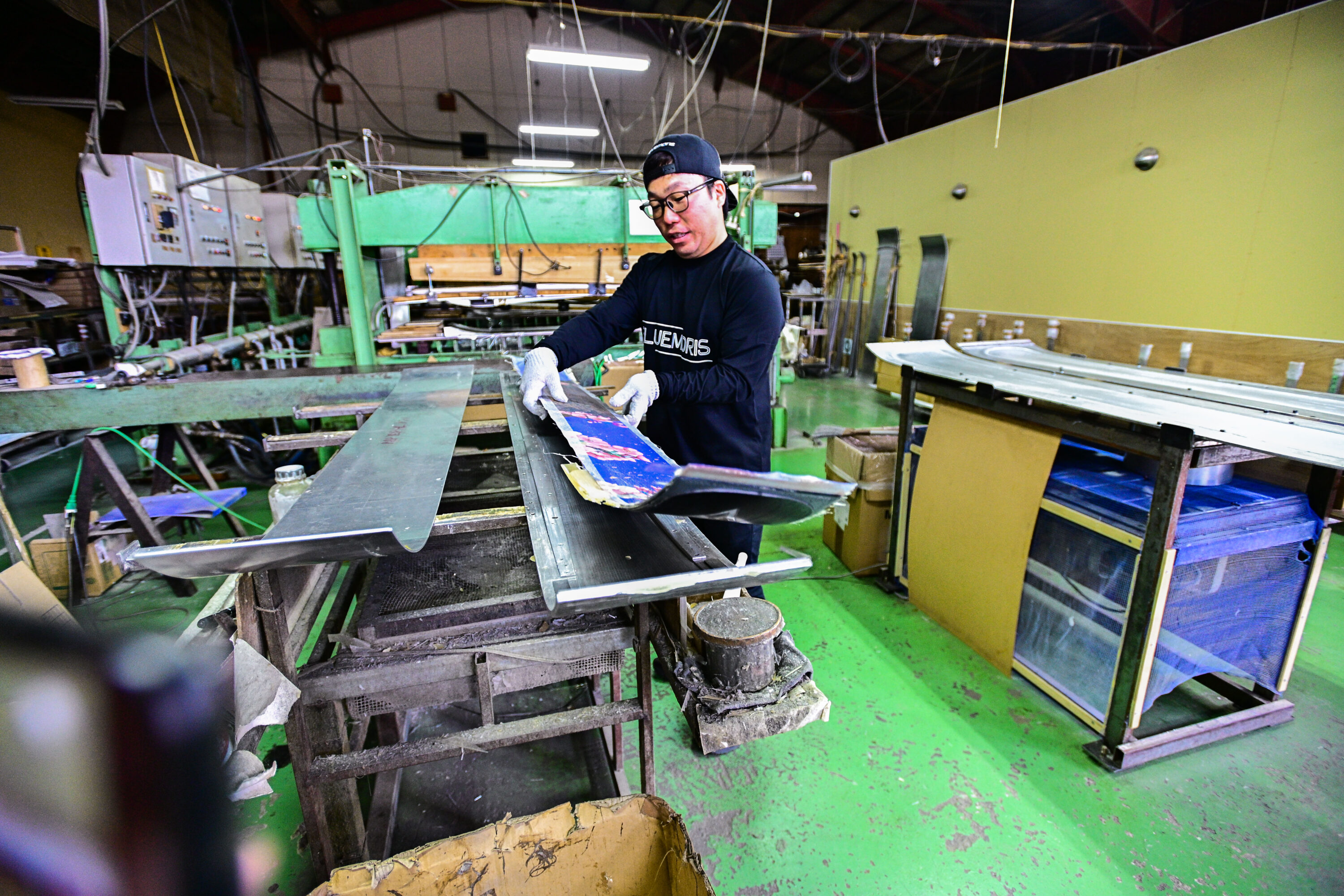
Bluemoris Freeride ski development: Shogo Kono
Blue Morris https://bluemoris.com/
The World of Ski Manufacturing: A World Even Skiers Don't Know ( 3 Episodes)
Episode 1: Undercover Investigation
Episode 2: Board Assembly
Episode 3: We'll Make It No Matter What
Photo by Hodaka Ando