

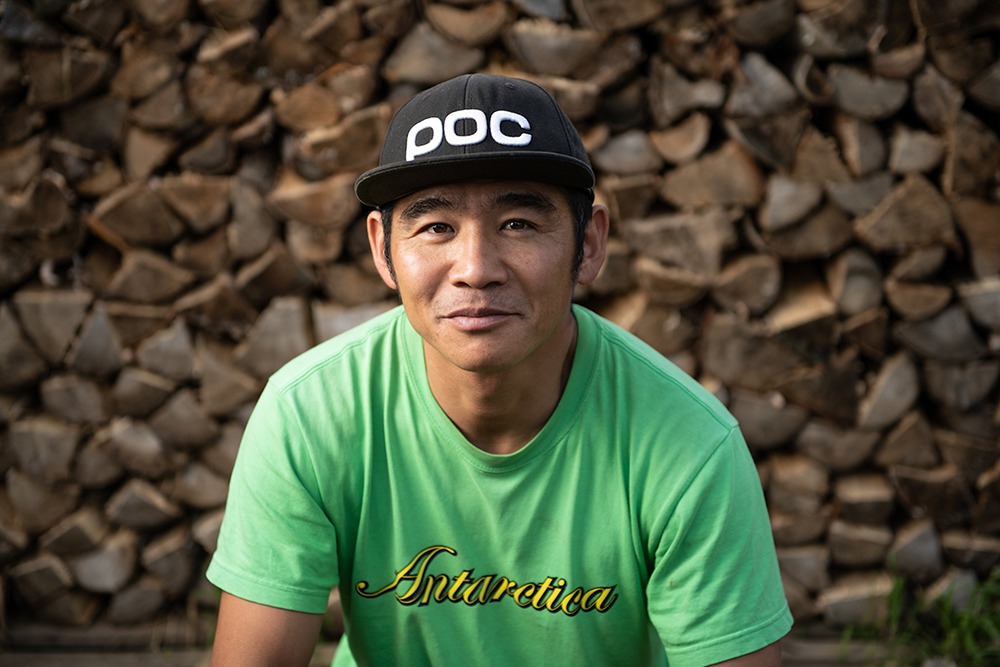
He was one of the first Japanese skiers to compete in the Big Mountain Skiing World Championships, which could be considered the origin of the "FWT (Freeride World Tour)," and was also an adventurous skier who went on ski expeditions to Alaska, Greenland, and other places. It can be said that it was undoubtedly this man's presence that led to backcountry skiing becoming accepted by the general public and the niche genre of freeride skiing becoming popular among Japanese skiers. Who exactly is international mountain guide Sasaki Daisuke, who is also known for the NHK documentary "Denali Descent"? We take a closer look at his past and current activities, which are difficult to answer now
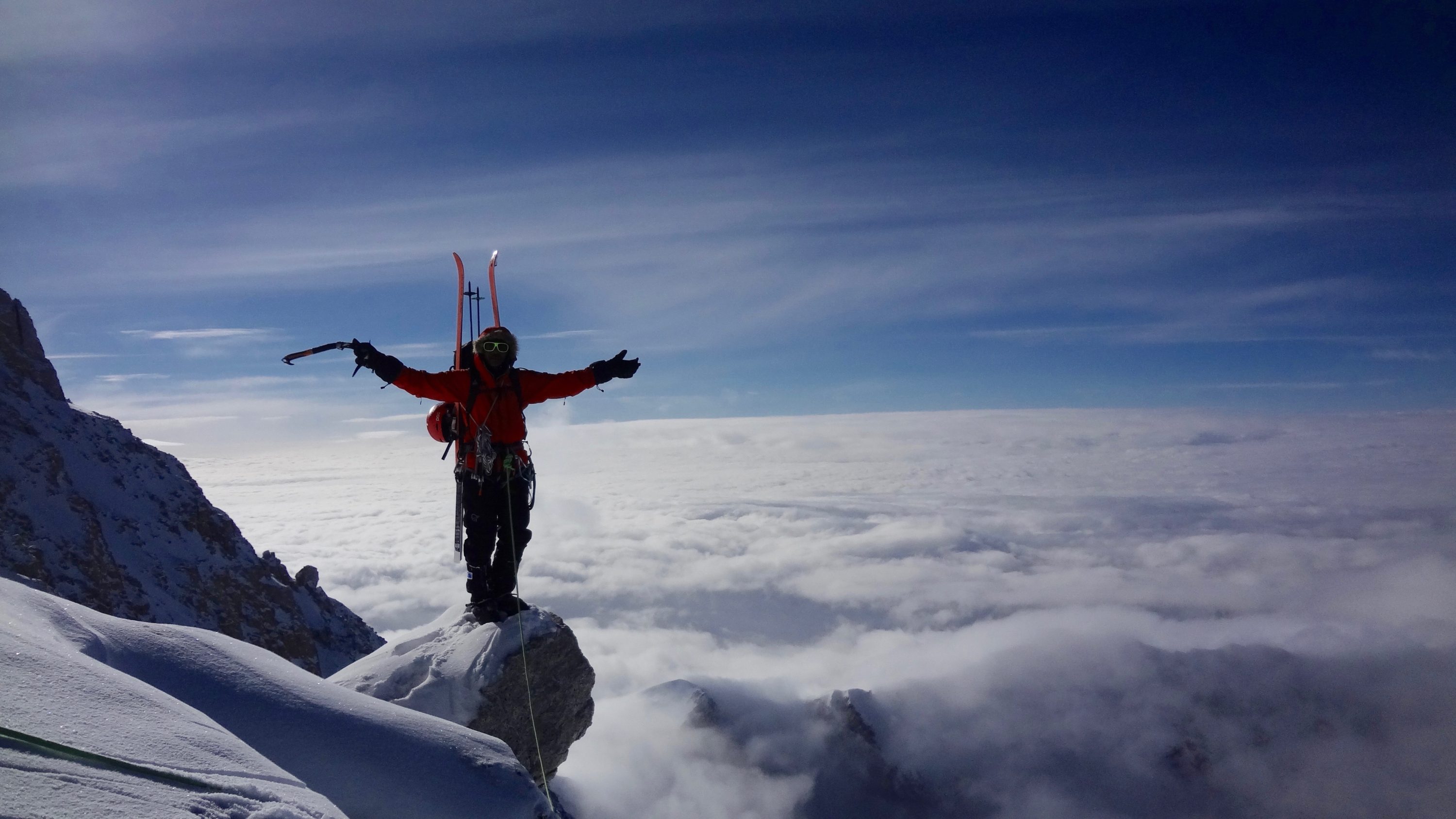
This is the first
Wikipedia entry of Daisuke Sasaki
──It seems that there are still quite a few people who want to know Sasaki Daisuke's profile
Is that so? I think there are quite a few people who first learned about me after watching the NHK program on the southwest face of Denali. Well, I don't have a Wikipedia page or anything
──Come to think of it, there was talk about whether or not you should write articles for Wikipedia, quite a while ago
It brings back memories. It's true that when you search for "Sasaki Daisuke," a professional wrestler comes up, and there was a skier with the same name and age in the same genre, so I was often mistaken for him. "Oh, Daisuke, is that 〇@#△✕⁈? That's surprising," they'd say. "No, that's Sasaki Daisuke (※1) from Aomori, not me." It was really embarrassing
──We have the same name and are the same age. It's amazing how we managed to come so close in the niche world of big mountain skiing. What's more, Aomori's Daisuke Sasaki is a former member of the wrestling club and is a serious fighter, which makes things even more complicated
That's right (laughs)
──Well, anyway, let's take a Wikipedia-style look back at Sasaki Daisuke's career
Ah, that sounds interesting
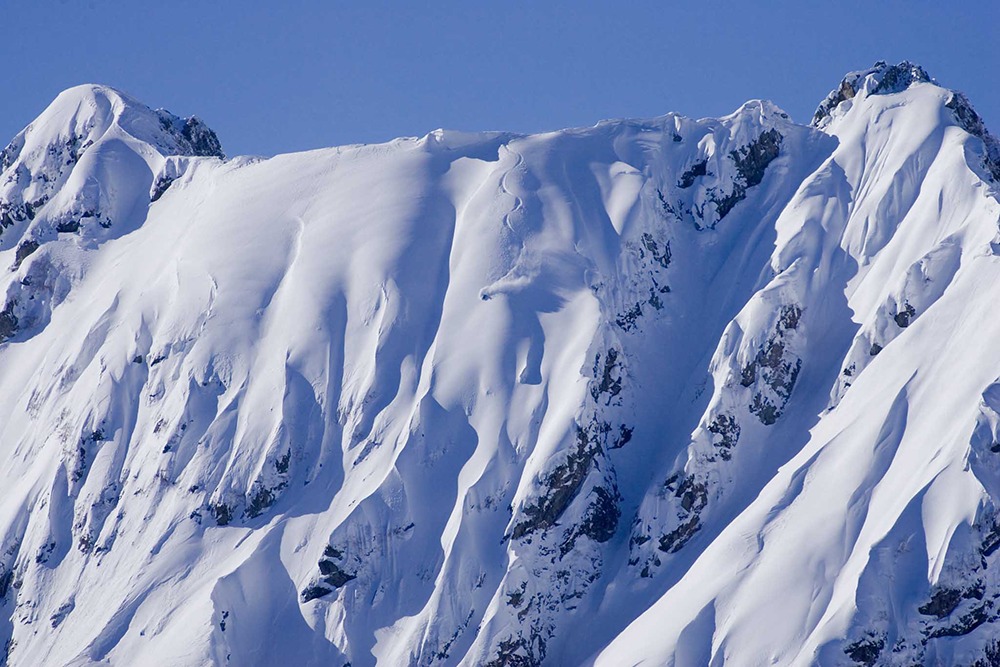
Daisuke Sasaki (International Mountain Guide)
Daisuke Sasaki (born 1977) is an international mountain guide and big mountain skier. After competing in the Big Mountain Ski World Championships and taking part in adventurous ski expeditions to Greenland and Patagonia, he became an international mountain guide in 2014. He is also known for his appearances on NHK documentaries, including descents of Mount Rishiri and the southwest face of Denali. He is the founder of "Guide Bankei."
overview
[Childhood]

Sasaki was born in the suburbs of Sapporo, Hokkaido. His father, who had been a member of the Japan Overseas Cooperation Volunteers, returned to Japan and they moved to the Bankei district of Sapporo, nestled in the mountains. His father built the house himself, and most of the furnishings, including the firewood-heated Goemon bath, were also handmade by him. His father's attitude of doing everything himself rather than leaving it to others, seems to have had a major influence on Sasaki's life later on
[Elementary and junior high school days]

His home is surrounded by green mountains, a blessed natural environment, and he spent his elementary and junior high school years playing in nature all year round. In particular, in the winter he would go to the Bankei Ski Resort, close to his home, and after skiing he would ski from the peak through the forest behind it to return home. Of course, there are no ski slopes there. Incidentally, the elementary school Sasaki attended was Sapporo Municipal Bankei Elementary School, known for its distinctive education that makes use of the area's abundant nature. His predecessors included skiers such as Ganma Kaji, Akiba Masayuki, and Miura Gota
[Ski training period]

After graduating from high school, he joined the Sapporo guide company "Alpine Guide Nomad," where he had been a trainee (staff apprentice) since his school days, and spent two winter seasons training in skiing at the Miura Yuichiro & Snow Dolphin Ski School, based at Teine Highland (now Sapporo Teine) Ski Resort. During that time, he won the second Japan Extreme Ski Championship, which led to an invitation to the legendary World Extreme Ski Championship in Valdez, Alaska, where he placed 8th on his first appearance, attracting attention. From then on, he aimed to become a mountain guide in the summer and a professional skier in the winter
[Namara Habit - X Era]
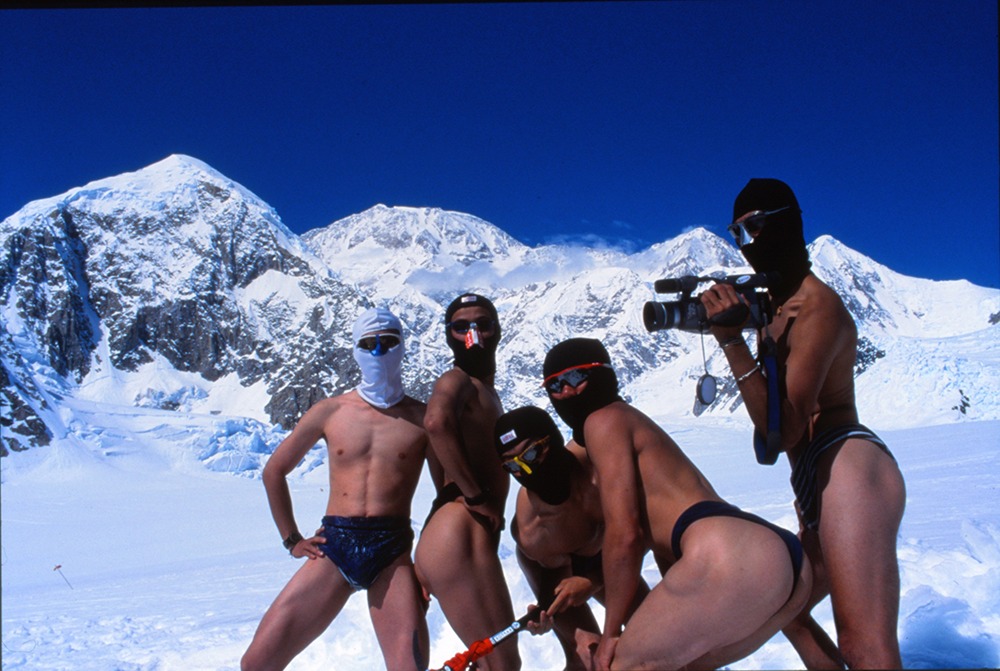
After that, he competed in freeride competitions around the world as a big mountain skier, and together with his skiing buddies in Sapporo, he summited and skied down Denali in Alaska, and then embarked on a series of adventurous ski expeditions to remote areas of the world, including the Kuril Islands and Greenland. It was around this time that he began to become known to skiers and snowboarders in Japan through the popular movie series "icon."
[International Mountain Guide]
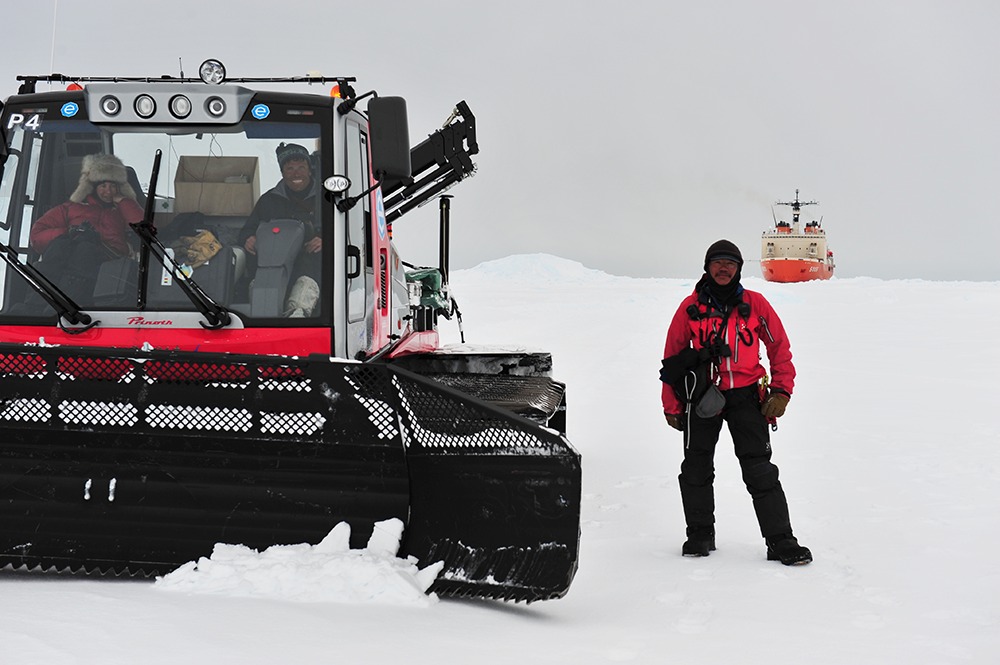
At the age of 32, he spent about six months in Antarctica as a field assistant for the 51st Antarctic Research Expedition. After returning to Japan, he made a full-time shift from his work as a professional skier to working as a ski guide. At the age of 36, he was certified as an international mountain guide. During that time, his descent of Mount Rishiri in 2013 and his ascent of Denali Cassin Ridge and descent of the southwest face in 2017 were both broadcast nationwide as documentaries on NHK Special, bringing him new recognition and continuing to this day
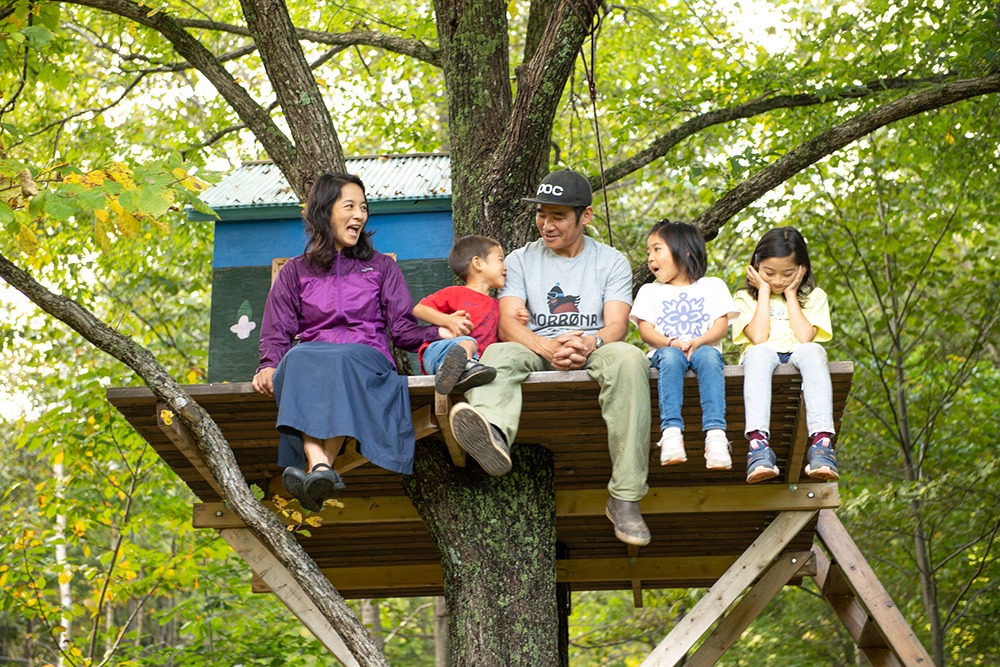
He currently runs Guide Bankei, based in Bankei, Chuo Ward, Sapporo. He has a family of five, including his wife, two daughters, and a son. His wife, whose maiden name is Yoko Miyake, is a former member of the Salt Lake City Olympic halfpipe team and a snowboarder who is also well-known for freeriding
──Have you been skiing and playing in powder snow since you were a child?
My parents' friend had a vacation home in Niseko, and I used to go there every year since I was in elementary school, so I was used to powder snow, and actually quite liked it
──I used to ski through the forest behind the Bankei Ski Resort on my way home. I was already backcountry skiing as an elementary school student (laughs)
It was easier than walking home on the road, but it wasn't every time, maybe 2 or 3 times out of 10
──This may come as a surprise to many people, but in high school you were in the ski club and worked on basic skiing
Yes, that was the case at the time. I wasn't aiming to enter the technical competition, but I had a genuine desire to enter that world
──Did you read magazines like "Ski Journal" and aspire to become a famous demonstrator?
That's not true. My senior in high school, Yamakicks (※2), and his classmates were really cool, so I admired their skating and followed in their footsteps
──When you graduated from high school and joined Nomad (※3), the company president, Mr. Miyashita, told you to spend two winter seasons training on skiing at the Dolphins in Teine. What did Miura and the Snow Dolphins mean to you at that time?
I think I heard about it around summer, and I watched the video of Snow Dolphins (※4). It was set in Zermatt. I was completely captivated by it. I thought, wow, the dolphins are so cool
Even before that, influenced by Miyashita, I had been watching videos of North American extreme skiing (*5). I was a bit inspired by Scott Schmidt (*6). So, while I was practicing basic skiing at Bankei Ski Resort, I also skied a little in the woods and jumped over cliffs. So when I saw the Dolphin video, I was amazed that there were skiers like that in Japan too! I wondered if I could get there
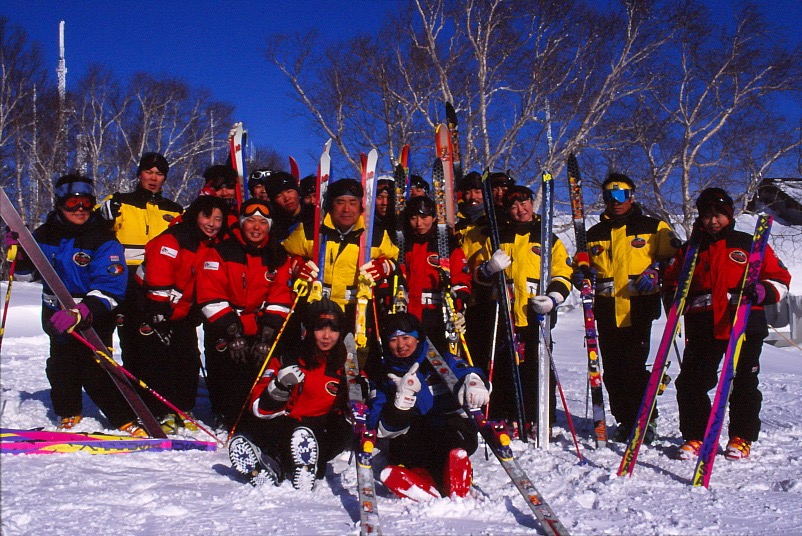
It was great that I met Take-san (Takeshi Kodama) there. We motivated each other and skied like crazy every day, which helped me improve my skiing skills. Having a rival, or rather a riding partner, is important
──Did you ever think about continuing to ski with the Dolphins instead of just staying for two seasons? After all, you placed 8th in your first appearance at the WESC (※7). That alone seemed to open the door for you to become a rider
My two seasons with the Dolphins were merely a stepping stone to becoming a guide at Nomad. Of course, I was interested in skiing, but guiding had been something I had always wanted to do, so I wanted to focus on that first
--So after graduating from the Dolphins, you started patrolling at Teine. Why was that?
After my two seasons with the Dolphins, I worked full-time at Nomad for two years. In the winter of my second year, I competed in a US competition (North American Extreme Ski Championships) and came in seventh. I felt like something wasn't burning through, and I wanted to try a little harder, or push myself even harder
In conclusion, I decided to put guiding aside for the time being and concentrate on skiing. So I quit Nomad and from the following year I started training while helping out with patrols at Teine, and I also worked part-time as an artificial snow maker, saving up money to start going to competitions around the world
──Is that when you started receiving support from Salomon?
This was at the second Alaska WESC a little while ago. Nomad and Salomon were originally connected through their hiking boots. This was around the time that the Cross Scream was released
──Yellow carving skis with Pro Link
That's right. It was when Salomon started making those kinds of skis. After that, the AK Rocket (※8) came out. At the time, the AK Rocket couldn't carve at all, and it was hard to ski on the slopes. It felt like a really thick ski, but nowadays, all the skis are thicker than the AK Rocket
*1 [Daisuke Sasaki from Aomori]
A professional skier born in Towada City, Aomori Prefecture in 1977. After graduating from high school, he traveled to Whistler, Canada, to experience the real thing, and since 1999 has been competing in big mountain competitions organized by the IFSA (International Freeskiers Association). After achieving success, including becoming the first Japanese to win the Sick Bird award, he is currently active as a ski base jumper
*2 [Yamakicks, who was my senior in high school]
Masahiro Yamaki, also known as "Yamakicks," participated in numerous expeditions, including Greenland, as a member of Team Namara-Kase-X. He was a senior in high school, a year ahead of Daisuke, and was a promising athlete in the basic skiing scene at the time. He is currently one of the leaders of the scene alongside Takeshi Kodama. The name "Yamakicks" was of course named by Daisuke
*3 [Nomad]
Alpine Guide Nomad is a guide company based in Sapporo. Its representative is Takeo Miyashita, a mountaineer who is a pioneer in ski guiding in Japan. He is someone Daisuke looks up to as his mentor, and has produced many excellent guides, including Satoshi Tsukahara and Wataru Nara. In the spring of 2020, the company ceased operations due to the impact of the COVID-19 pandemic, much to the regret of many
*4 [Snow Dolphin Video]
This is a pioneering Japanese freeski video featuring Yuichiro Miura and the Snow Dolphin Ski Team. Starting with the New Zealand edition in the fall of 1992, eight titles have been released, one each year, including the Tahoe edition in the US, Niseko edition, and Zermatt edition. The production team included staff from the TV program "SKI NOW." Published by Shobunsha
*5 [North American extreme skiing]
It has been a mainstream part of ski culture in North America since the 1960s. In the 1990s, it produced stars such as Glenn Plake, Scott Schmidt, and Trevor Peterson. Shane McConkey, a member of the next generation, proposed the new name "freeskiing." Even now, it has become "freeride skiing," and the spirit remains the same
*6 [Scott Schmidt]
He was a North American extreme skier in the 1990s who shared popularity with Glenn Plake. Greg Stamp's films "Blizzard of Aaah's" and "Groove.....Requiem in the Key of Ski," which feature him, are considered monumental works in the freeride ski scene. You can watch them on YouTube, so be sure to check them out!
※7[WESC]
It is the abbreviation of the legendary World Extreme Ski Championships, which was held on the super steep slopes of Valdez, Alaska in the 1990s. The idea and organizer of the event was Mike Cozad of Seyna Lodge, who started helirides in the Chugach Mountains of Alaska
*8 [AK Rocket]
Salomon fat skis were released in the 1990s. The "AK" stands for "Alaska Spec," just like the K2 "AK Rancher" that was released around the same time. Rather than being designed to easily ski on fresh snow, the skis were designed to allow for aggressive long turns in powder that rivaled snowboarding. They were the basis for the popular model "Pocket Rocket."
Wikipedia's Sasaki Daisuke Part 2:
Let's take a closer look!
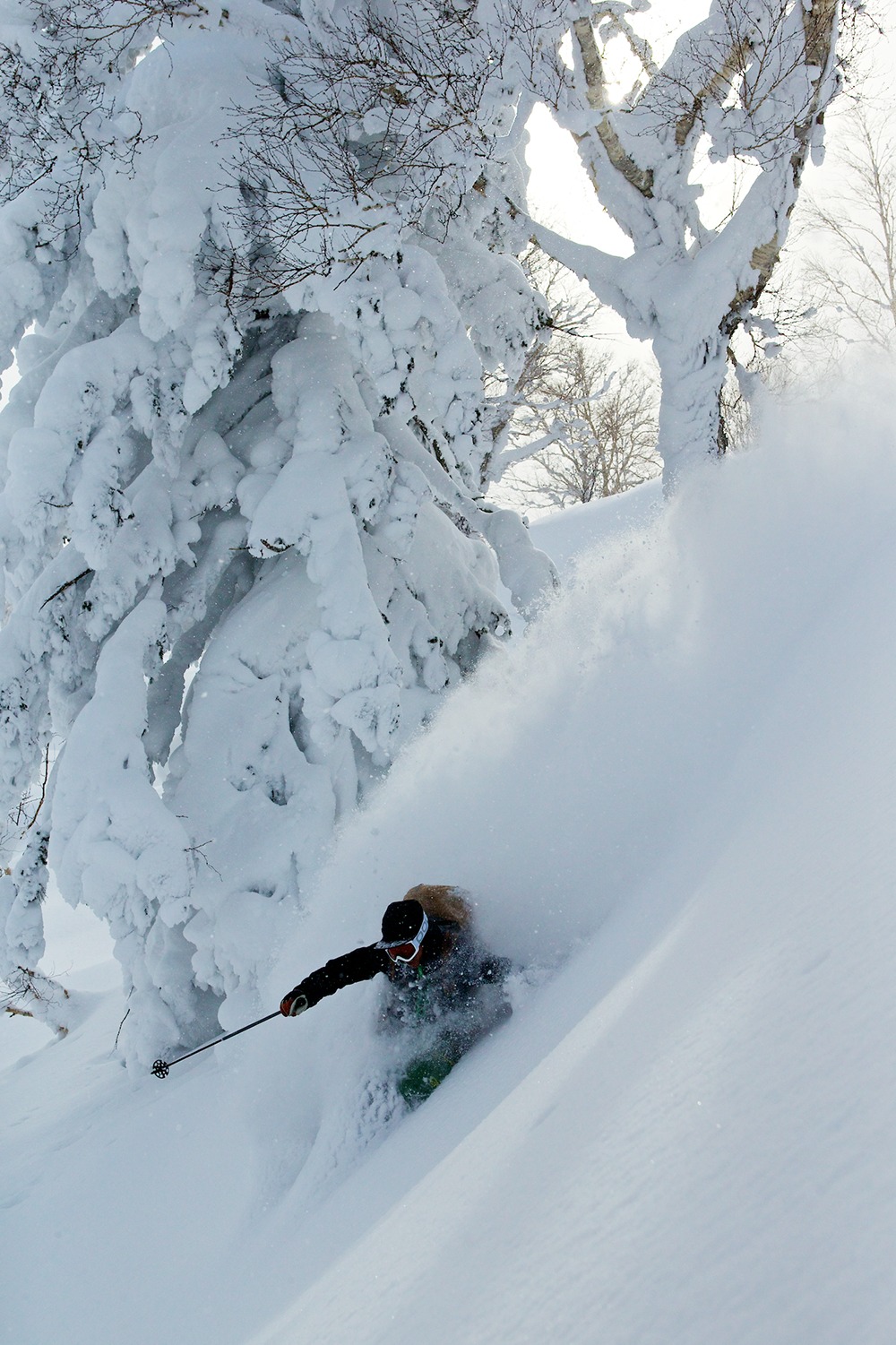
Biography (added to the "Guide Bankei website")
1977
near Sapporo, Hokkaido.
In 1986 (at the age of 9),
he was deeply inspired by reading Naomi Uemura's "Betting Your Youth on the Mountains," and began to aspire to the world of mountains and adventure.
In 1990 (age 13),
when he entered junior high school, he visited the mountain guide company "ALP" in Sapporo with his father and asked Takeo Miyashita (former representative of alpine guide "Nomad") and Masataka Shiraishi (current representative of ALP) to "take me to the mountains. But I don't have much money, so please give me a discount." After that, he used his summer holidays to apprentice as a luggage carrier on ALP's guided mountain trips. When he became a high school student, he participated in the tours of "Nomad," which Miyashita had started, as an apprentice luggage carrier, and learned the basics of mountain climbing.
In 1994 (at age 17)
, Daisuke traveled to Nepal with his family and climbed Island Peak (6,189m) with a local guide.
In 1994 (at the age of 18)
, he graduated from high school and joined the alpine guide company "Nomad." This marked the beginning of his apprentice guide career. In the winter, under the direction of company president Miyashita, he worked as an instructor at the Miura Yuichiro & Snow Dolphin Ski School at Teine Highland (now Sapporo Teine) for two seasons, while also training in skiing. This was due to Miyashita's belief that "guides in Hokkaido cannot work unless they can ski," and the fact that Miyashita himself was a core member of Snow Dolphin. At Snow Dolphin, he met Kodama Tsuyoshi, who was two years older than him, and spent his days undergoing rigorous riding training.
In 1996 (at age 19),
he and Captain Miyashita participated in an expedition to Mount Manaslu (8,163m) in the Nepal Himalayas. He skied downhill from 7,400m. He was forced to withdraw from the first Japan Extreme Ski Championships (JESC) held at Asahidake in the Daisetsuzan Mountains due to an injury just before the event. His riding partner, Tsuyoshi Kodama, also participated in the competition, but was seriously injured during the qualifying round and was hospitalized.
in 1997 (age 20)
, he took part in the second JESC at Asahidake in the Daisetsuzan Mountains, winning the championship and getting his revenge. As a result, he was invited to the legendary big mountain competition, the World Extreme Ski Championships (WESC), held in Valdez, Alaska, where he placed 8th in his first appearance, catapulting him into the limelight.
In 1998 (at age 21),
he won the third JESC, achieving consecutive victories. In the same year, his second appearance at WESC was reported on TV Asahi's "News Station." In the summer, he went on a climbing trip to Yosemite with his middle school classmate, Suigo Mugitani, a member of the Shinshu University Mountaineering Club. He did half free climbing and half big wall climbing. He has completed climbs of El Capitan Nose, among other achievements.
In 1999 (at age 22)
, he left Nomad before the summer and began working as a mountain guide in the summer and a professional skier in the winter. In the spring, he placed 7th in the North American Extreme Ski Championships. After that, he left Nomad before the summer and went climbing again with Mugiya in Yosemite, completing the El Capitan Shield.
In 2000 (at age 23),
he successfully skied down from the summit of Mount McKinley (now Denali) with Takeshi Kodama, Masahiro Yamaki, and Wataru Nara. Around this time, they began to publicly refer to themselves as "Namarashuke-X" as the name of their team or expedition. An article featuring Sasaki and Kodama centered on this experience appeared on the front page of "2001 Bravoski."
In 2001 (at the age of 24),
he led a ski expedition to Paramushir Island in the Kuril Islands, centering on members of the team "Namarashuke-X." He appeared as a central skier, including footage from the expedition, in EBIS Films' debut film, "icon of what they are," released in the fall of the same year. Since then, he has participated in almost all of the films in the "icon" series as an indispensable central skier.
In 2002 (age 25)
, he placed third at the Red Bull Snow Thrill of Alaska, becoming the first Japanese to reach the podium at a world big mountain skiing competition.
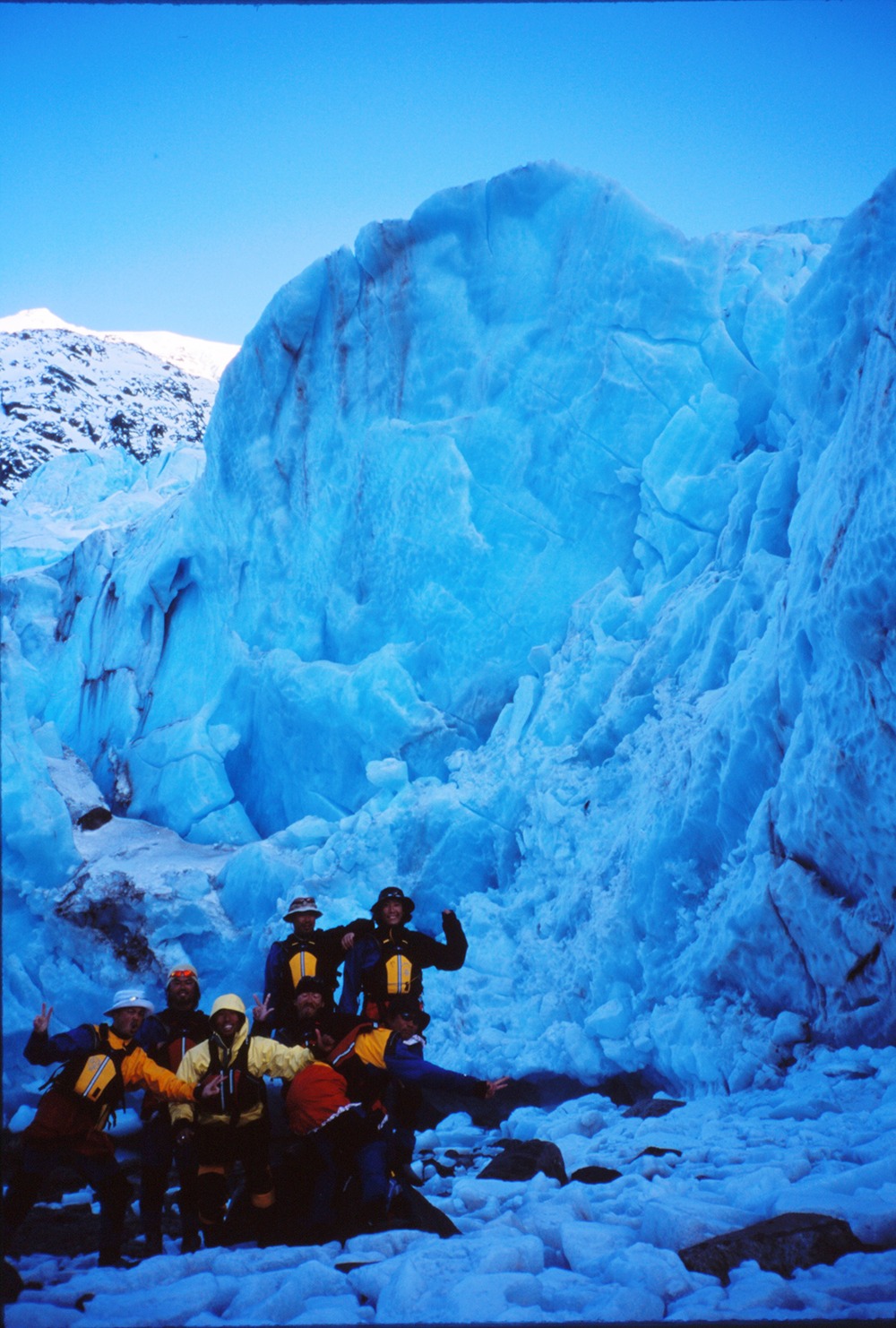
In 2003 (at age 26),
he embarked on a unique expedition to Greenland by sea kayak and ski. He spent 40 days in sea kayaks loaded with equipment and food, traveling up the fjords on Greenland's west coast and skiing down the steep snowy mountains rising from the sea. The seven members of the expedition were Takeshi Kodama, Masahiro Yamaki, Akihiro Tatemoto, Wataru Nara, Takayuki Tsujii, and Masaki Sekiguchi.
The footage was filmed by Ebisu Films' Sekiguchi, who also participated in the shoot, and included in "icon 3 presence." In addition, "presence: 40 days in Greenland," a special edit of only the Greenland expedition portion, was selected and won awards at numerous mountain film festivals, including the Banff Mountain Film Festival and Mountainfilm in Telluride
In 2004 (age 27),
he went on a ski expedition to Muztagh Ata (7,546m) in the Xinjiang Uyghur Autonomous Region of China with Tochiuchi Yuzuru, Ishibashi Jin, Kano Kyoichi, and Koyama Makoto. He skied downhill from 6,900m.
2005 (age 28)
2nd place in the Big Mountain Skiing World Tour France. @Les Arcs
In 2006 (at age 29), he
teamed up with snowboarder Yoshitaka Ota, filmmaker Haruto Mori, and Hiroyuki Yamada to win Ride Week, held in Couchevel, France. This film event saw competitors create a short video in three days, and cinematographer Yamada said, "The reason for our victory was Daisuke's navigation skills and efficient action." Meeting Yamada at this time led to Daisuke Sasaki's signature film, END OF THE LINE, in 2009. In
February, he made his first winter descent down the west face of Mount Rishiri. Sasaki led the four-person party with Wataru Nara, Jin Ishibashi, and Kyoichi Kano.
In 2007 (age 30),
he made his first descent down the east face of Mount Rishiri's southern ridge.
"Patagonia Darwin Mountains Sea Kayak & Ski Expedition." He and six other friends (Yamaki Masahiro, Nara Wataru, Tsujii Takayuki, Ishibashi Jin, Aiba Takao, and Kano Kyoichi) traveled to the Patagonia region, which straddles Chile and Argentina, crossing the strait in a sea kayak and becoming the first to summit and ski down the 2,286m peak of Tierra del Fuego
In 2008 (age 31)
, he took the Glacier Guide Training course in Chamonix, France, and began working towards obtaining an international mountain guide qualification.
In 2009 (at age 32),
he took the Glacier Skiing Training course in the European Alps. He announced that he was going to end his professional skiing career for the time being. He released the three-season documentary film "END OF THE LINE," in which he starred.
It was produced and directed by Yamada Hiroyuki.
2009 (age 32)
to March of the following year, he was assigned to the Sör Rondane Mountains in Antarctica as a field assistant for the 51st Antarctic Research Expedition, supporting camp life and field research for two months.
In November 2010
(age 33), He passed the European Alps "Glacier Ski Guide" certification and skied downhill on Mont Blanc.
In 2012 (age 34),
passed the European Alps Glacier Guide Certification Examination.
In 2013 (age 35),
he skied down the Tohoku Ridge of Mt. Rishiri to the Ochiushinai Valley in the harsh winter. Featured in the NHK special "The Ultimate Ski Descent in Harsh Winter, Rishiri."
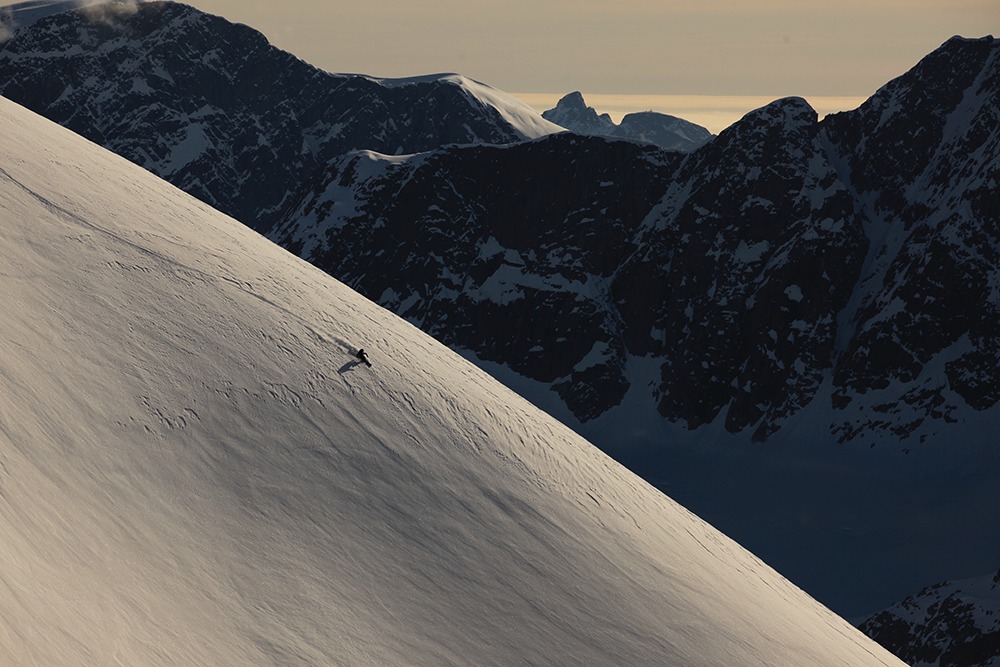
In May, to commemorate the 10th anniversary of the 2003 Greenland expedition, the group embarked on a "Greenland Sea Kayaking and Skiing Expedition" with almost the same members. "10 Years After: Revisiting Greenland" (Ebisu Films) was released
In 2014 (age 36),
he skied down the central couloir on the west face of Mt. Rishiri, from Candle Rock to Afutoromanaizawa.
He is certified as an international mountain guide by the International Mountain Guides Association (IFMGA).
2017 (age 40):
Climbed Denali's Cassin Ridge and skied down the southwest face. Partnered with Takao Araiba and Kyoichi Kano, he climbed the difficult Cassin Ridge variation route and skied down the southwest face. His "A Northbound Adventure: The Great Denali Descent" was aired on NHK Special.
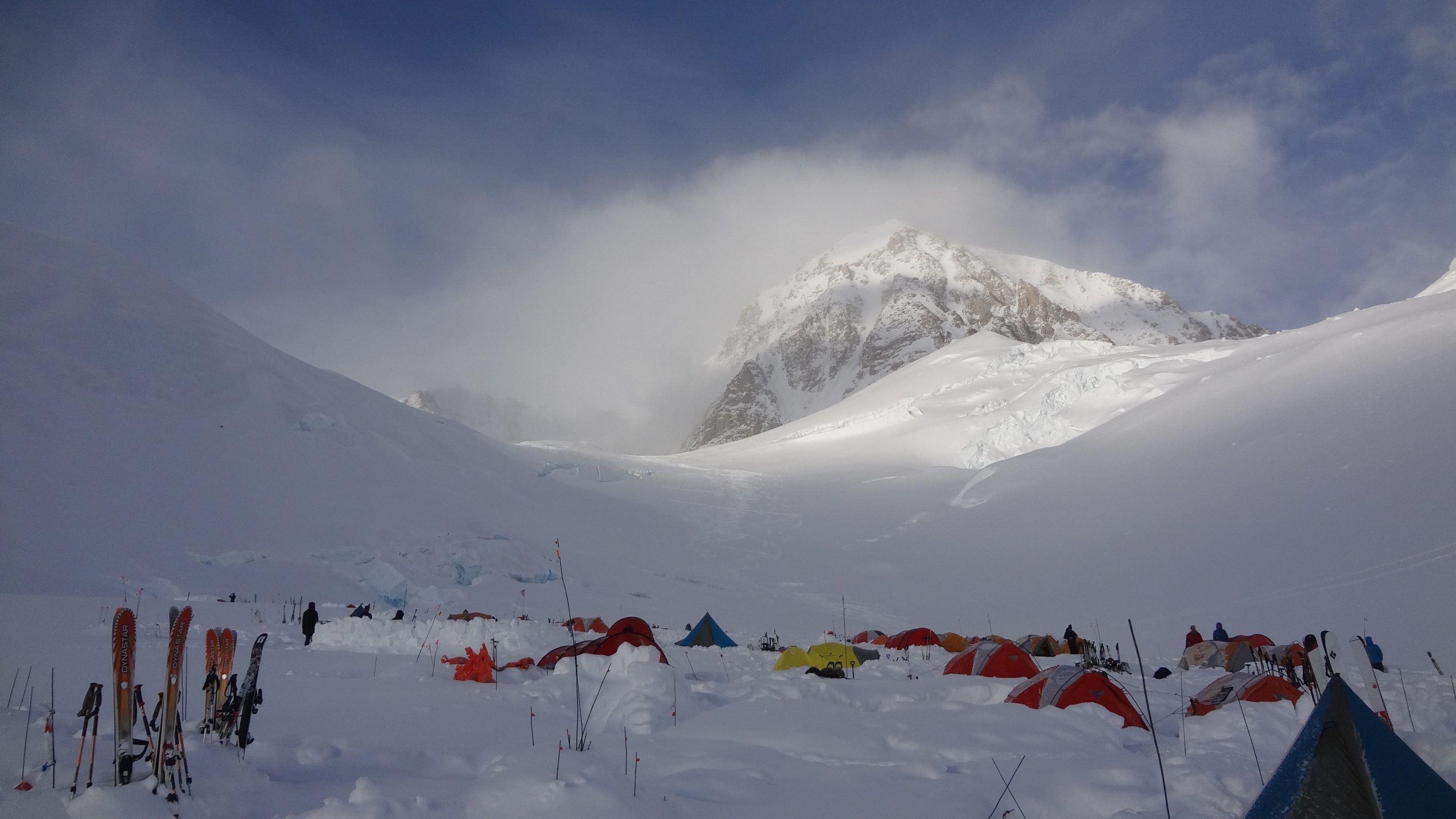
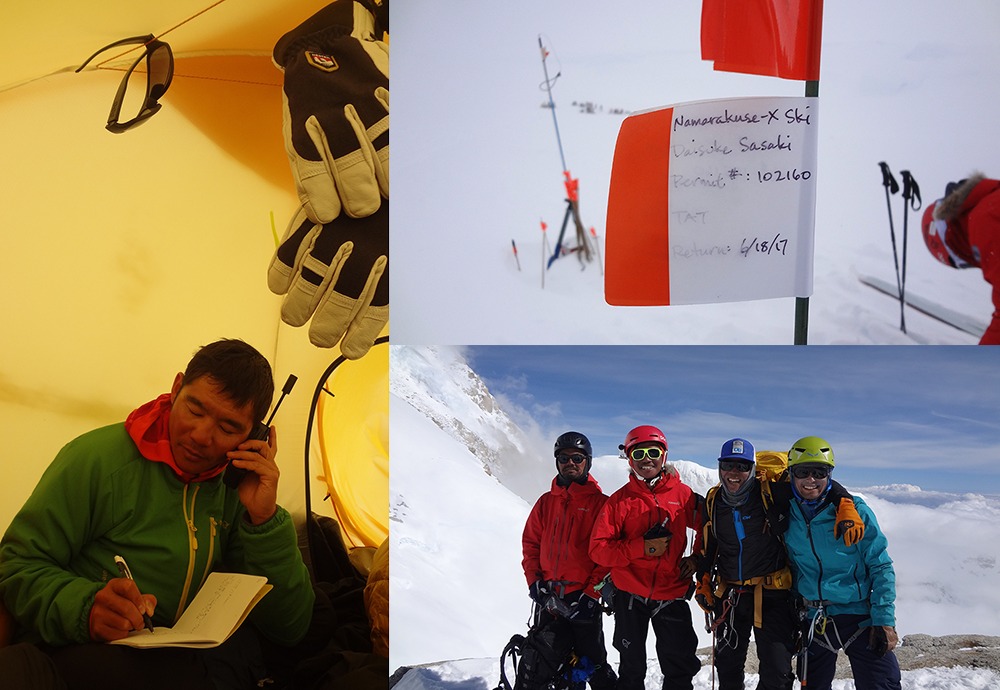
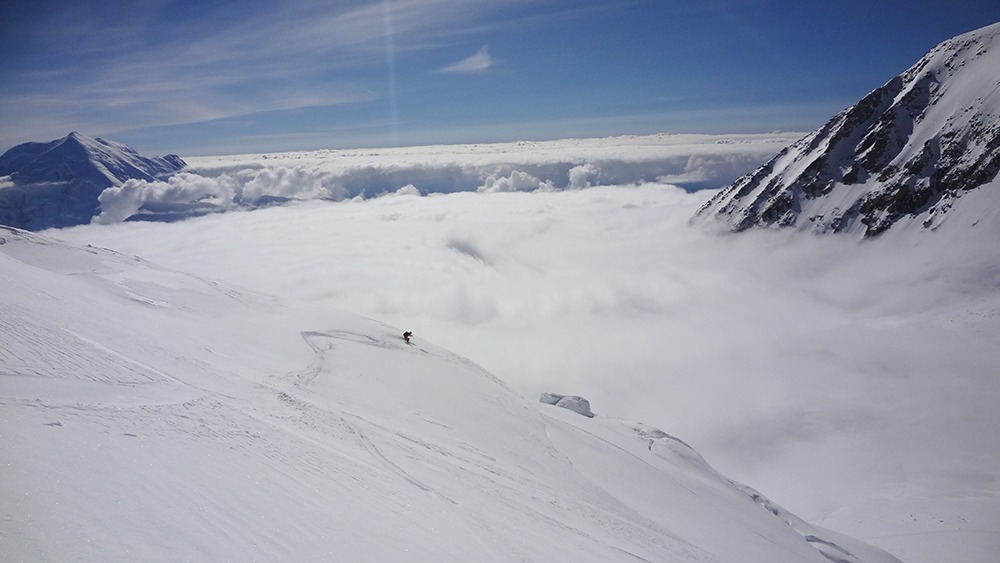
Daisuke Sasaki's activities go beyond skiing, as he climbed the Himalayas as a high school student!
──Looking at your mountain-related activities, you climbed Island Peak (※9) in Nepal as early as your high school days. Was this your first overseas mountain climbing experience?
That's right. I think it was the result of a senior guide saying, "Wow, even Daisuke can climb it!" in a drunken moment, and we all got excited. My parents decided to go trekking as well, so the four of us went to Nepal, split up along the way, and I climbed Island Peak with a local guide. I heard later that the guide was scolded by Miyashita, who said, "Don't say such careless things!" (laughs)
──At the age of 19, you joined Miyashita's Manaslu team, and at the age of 23, you climbed Mount McKinley (now Denali) on your own and skied down from the summit. Why did you decide to ski down Mount McKinley at that time?
I think it was probably Nara-san (※10) who brought up the idea. He said, "Let's go!" I had always admired Uemura-san, so I think that's why I wanted to go and invited Take-san
──So, after meeting up with everyone on site, Yamaki decided to participate
That's right. Yamakicks must have heard about it and had a real connection. He thought, "I have to go too."
──It was around this time that you started to feel that you were something that could not be captured by the conventional concept of a professional skier. This is when your activities, which closely combine mountains, skiing, and expeditions, began
That's right. To go even further, as I often say when I'm interviewed, I've had three major encounters. The first was Naomi Uemura's book, then Nomad's Miyashita, and then Take-san (Takeshi Kodama)... something like that
Uemura's book opened my eyes to the world, Miyashita trained me in mountain climbing, and I met Kodama Tsuyoshi and we both improved our skiing skills. All of these points may have been essential
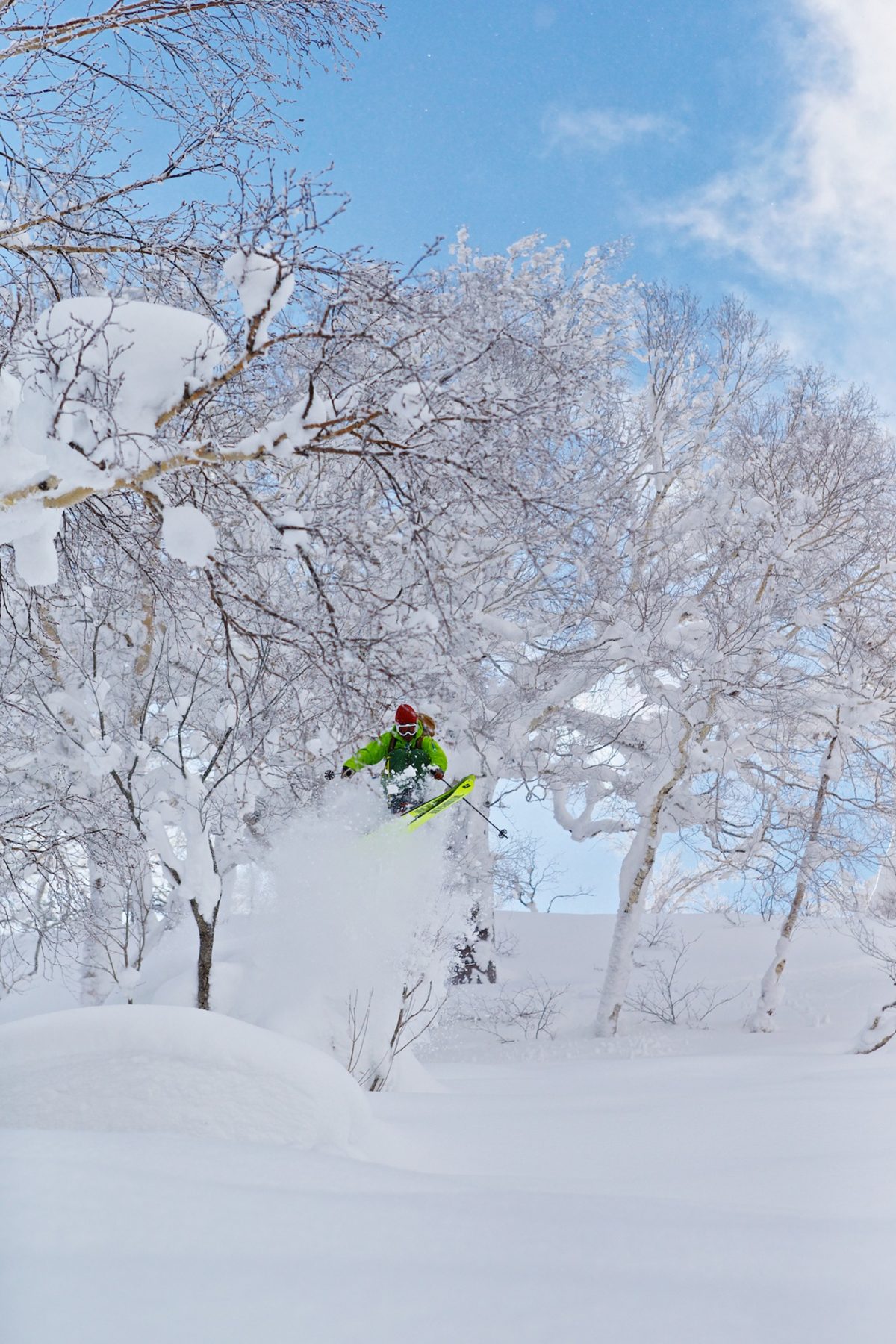
*9 [Island Peak, Nepal]
Located in the direction of Mount Everest, its main peak has an elevation of 6,189m. Compared to the high peaks of the Himalayas, it can be climbed with a simpler trekking permit, and is often the first goal for climbers who are not necessarily aiming for high peaks, or for those aiming to climb the Himalayas. It is often used for altitude acclimatization during Everest expeditions
*10 [Nara-san]
Nara Wataru is a mountain guide. Like Daisuke, he has worked for Alpine Guide Nomad for a long time and is knowledgeable about the mountains of the world. He is one of the key members of Team Namara-Kase-X and has accompanied them on two expeditions to Greenland and Patagonia. He currently runs the guesthouse and restaurant bar "Sappo Lodge" in Sapporo while continuing to guide
To be continued in the second part
[Editor + Writer]
Chikara Terakura
After working for Miura Dolphins, headed by Yuichiro Miura, for 10 years, he became involved in moguls and freeskiing for nearly 30 years as an editorial staff member at BRAVOSKI. He currently works as the editor-in-chief of "Fall Line" and also works as a freelancer in various media. He has been writing a series of interviews for the mountaineering magazine "PEAKS" for over 10 years.