


The Dolomites, the famous peaks of the Alps, and Milan, the city that symbolizes Italy. The Winter Olympics will kick off in February 2026 on a stage where nature and modernity intersect. First, we will organize some basic information, focusing on the freestyle competition that we will be following on STEEP
Beijing to Milan-Cortina
Four years have passed since the last Beijing Olympics, and winter is coming again, with skiing and snowboarding once again attracting the attention of the world
Looking back at the Beijing Olympics, the memory of Ayumu Hirano's spectacular run, who won the gold medal in the men's halfpipe snowboarding event, is still vivid. His final run, which was perfected to the limit and showed great difficulty, astonished the world and became a memorable scene in Olympic history
Horishima Yukimasa won the bronze medal in the men's moguls, demonstrating to the world his stability, competitive spirit, and potential for further growth
Since Beijing, both Hirano Ayumu and Horishima Yukimasa have demonstrated unwavering presence and overwhelming performances at the world's top level, and both won the opening round of this season's W-CUP in December, drawing much attention. The Winter Olympics will be held in Milan-Cortina, Italy in 2026. Over 16 days from February 6th to 22nd, a heated battle will once again unfold in the land embraced by the majestic Dolomite Mountains
What are the highlights of the Milan-Cortina Olympics?
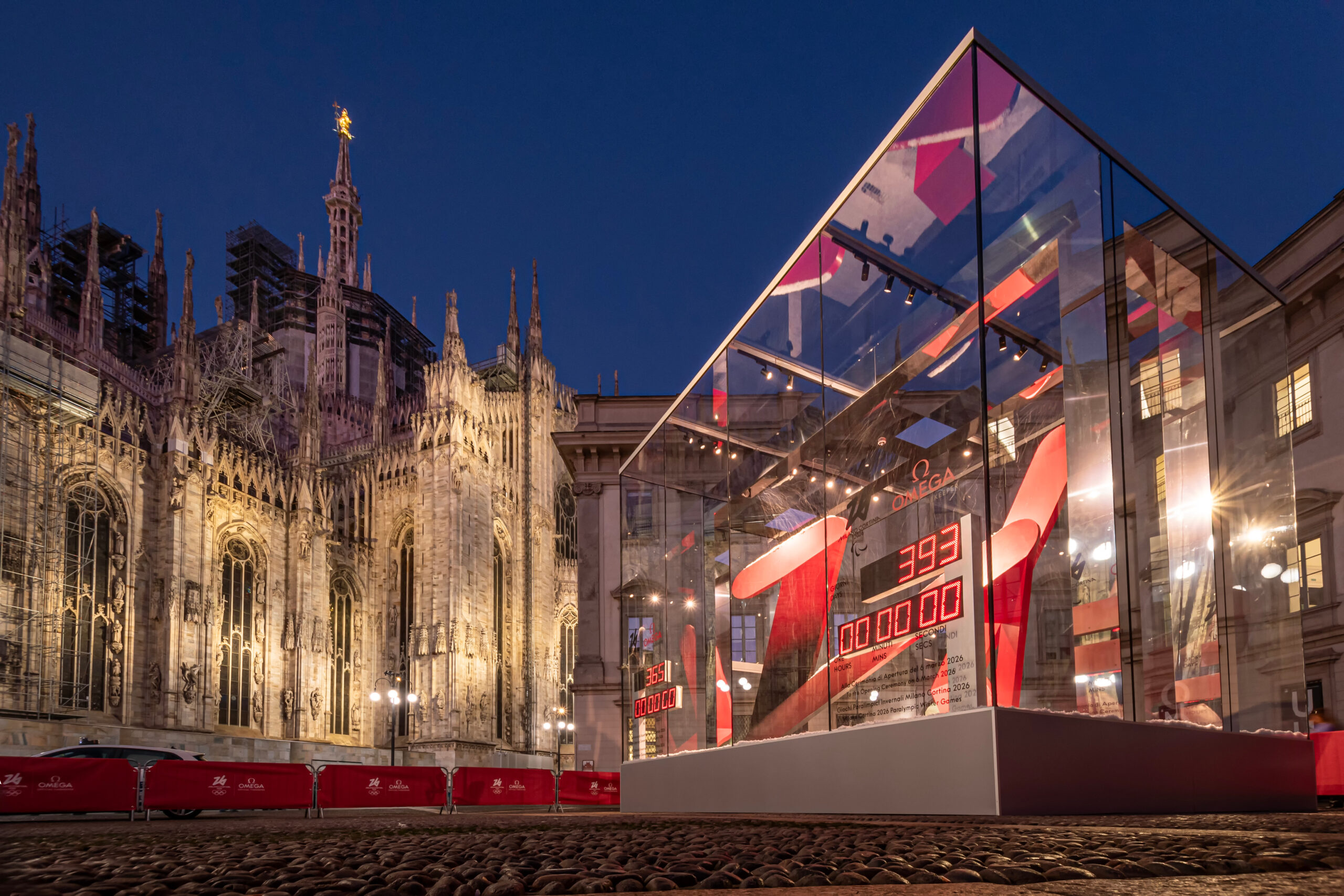
Wide-area hosting and sustainability
A major feature of this year's Games is that they will be held over a wide area spanning the cities of Milan and Cortina. Behind this is also an awareness of sustainability, a shift from "building new Olympics" to "making use of existing locations." By using cities as hubs and distributing the stadiums throughout the mountainous regions, there will be no need to build new roads and stadiums from scratch, which will reduce the environmental impact
Additionally, at the Milan-Cortina Games, there is a strong focus on whether the facilities and systems that will be partially expanded to accommodate the Olympics will continue to be used for local sports and tourism after the Games are over, as a "legacy."
Milan-Cortina Olympic Games mascot
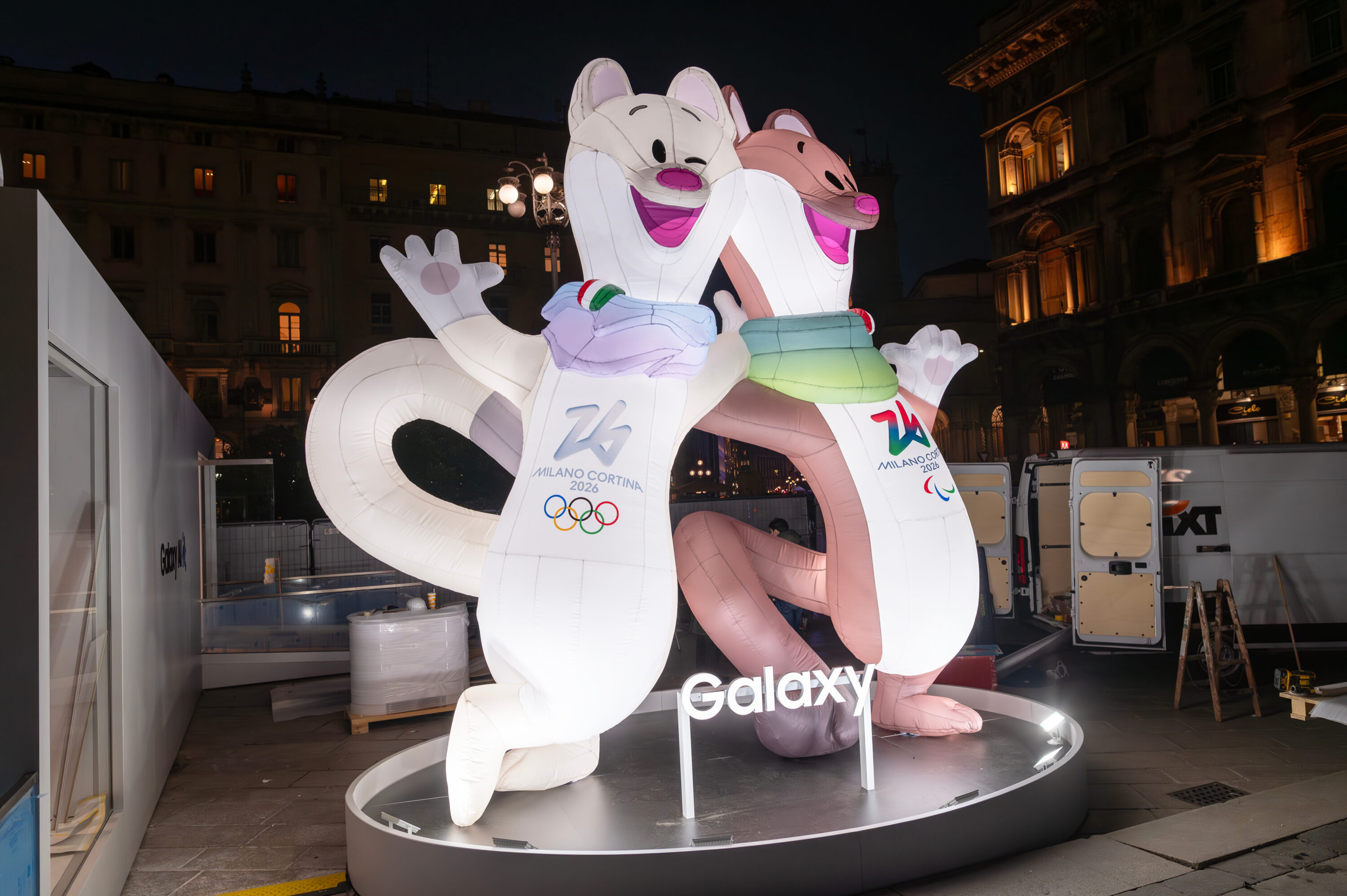
The distinctive feature of the event being held over a wide area is also evident in this. The official mascots of this tournament are "Mila and Tina." They are characters based on the ermine, a bird that lives in the mountainous regions of Italy. Why are there two of them? They were chosen to visually represent the wide area that the event spans, spanning both a city (Milan) and a mountain resort (Cortina)
The design was created in collaboration with the organizing committee and the Italian Ministry of Education, who solicited submissions from primary and secondary school students (aged 6-14) across Italy, receiving over 1,600 design ideas
Innovation and diversity of the sport
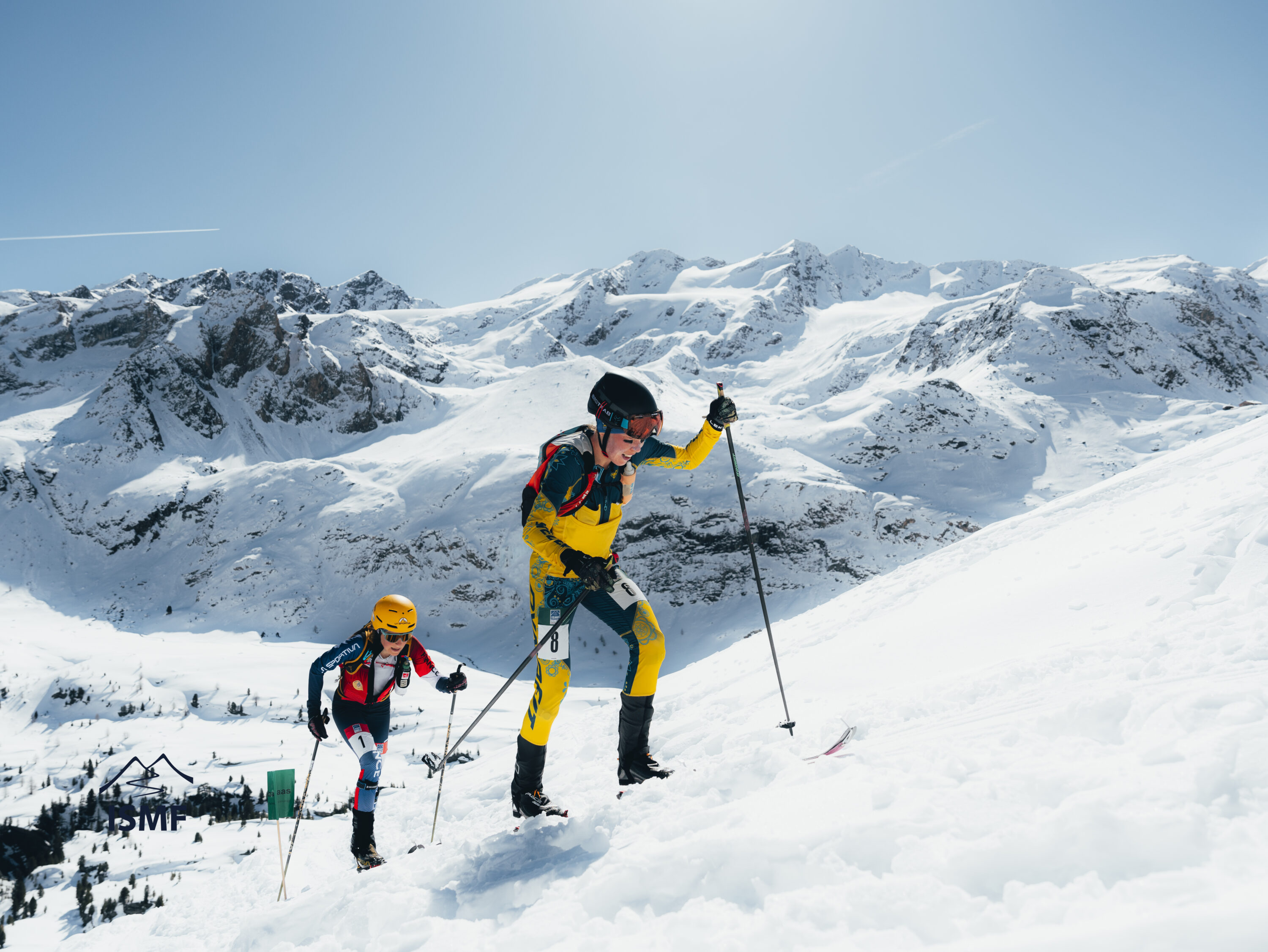
In addition to the fact that the Games will be held over a wide area, what is attracting the world's attention is the innovativeness and diversity of the events
A new event at this year's tournament is Skimo, a mountain skiing event. Skimo (ski mountaineering) is a mountain sport in which participants climb mountains on skis, remove their skis and ski down repeatedly, competing in speed, stamina, and judgment. This will be a perfect debut for the Dolomites' vast mountain fields
And for the first time, "dual moguls" were adopted in mogul competitions
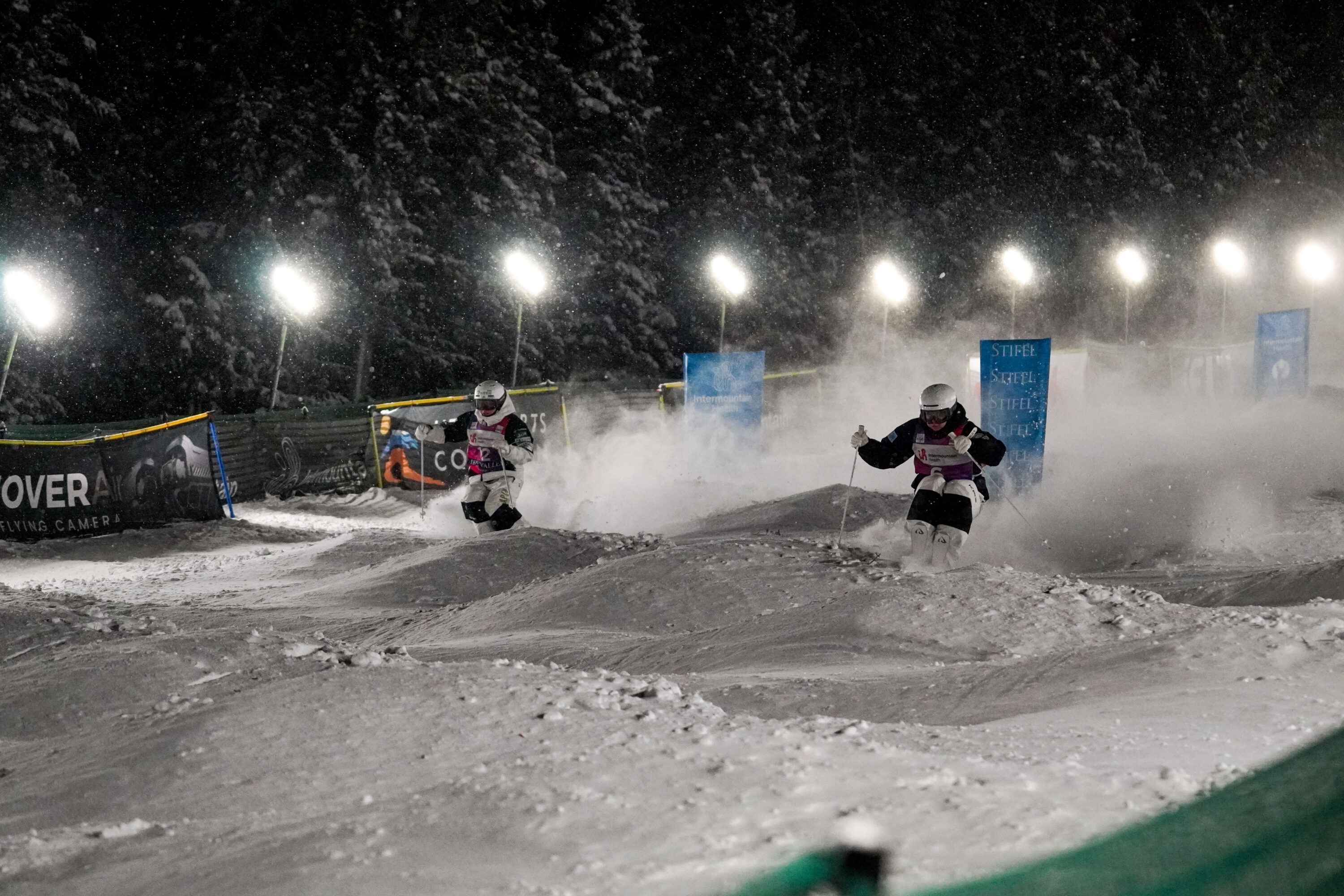
This is a new type of mogul event in which two skaters run side by side, starting at the same time and skiing down the same course. The winner is determined not only by the speed at which they reach the finish line, but also by the judges' judgment, which compares the overall quality of their skiing, including the stability of their turns and the perfection of their jumps. Since the overall evaluation is based on time, technique and performance, the fierce battle between the two skaters is more exciting and entertaining than in traditional mogul events
Freestyle skiing will feature a total of 15 events, including the new dual moguls
Freestyle event venue "Livigno"

The venue for the freestyle competition will be the resort town of Livigno, located . This region, with its series of steep rocky peaks, has a dynamic mountain landscape that is renowned worldwide, and its scale is truly impressive. Unlike the Beijing Olympics, which had a single artificially prepared venue, at the Milan-Cortina Olympics, the venue itself will be an element that will shape the atmosphere of the competition.
Livigno is about 230 km from Milan, a 3.5-4 hour drive along mountain roads. The resort has a dedicated mogul/aerial facility and the Livigno Snow Park, where all 15 freestyle skiing and snowboarding events will be held
Livigno Snow Park has a unique design. Five different competition areas are combined into one finish zone, allowing spectators to watch multiple events at the same time. This means there is always something going on, ensuring that spectators never get bored
The biggest attraction this year will be the Big Air. The highest point of the air platform is planned to be over 40m high, and it will be lit up for the night event. The huge, illuminated air platform will be another highlight of the athletes' performances. Incidentally, the half-pipe will also be held at night. There is an eight-hour time difference between Italy and Japan. The final, which starts at 7pm, will be at 3am Japan time, so it looks like you'll need to stay up late to watch the live action
The slopestyle course specifications have already been shared with those involved. There are also rumors that the final kicker will be larger than ever before. We will introduce more details as the course construction progresses
Ticket viewing situation
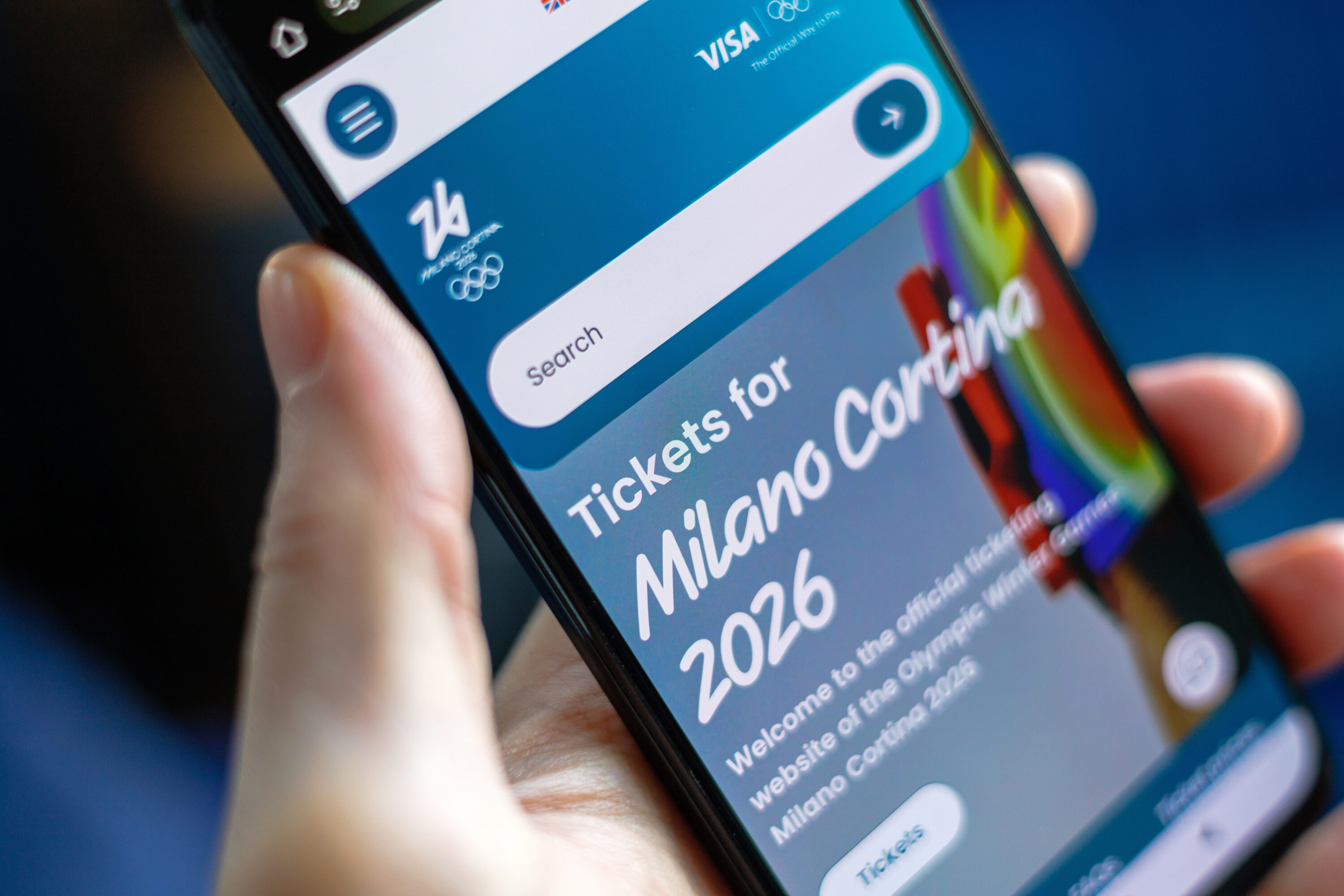
Can I still buy tickets to watch the game?
Official ticket sales began on April 8, 2025, and are available exclusively on the official website of the Organizing Committee of the Games:
https://tickets.milanocortina2026.org
All tickets will be digital and provided through the official "Tickets MilanoCortina2026" mobile app. Account registration is required
We've heard that the opening ceremony and popular categories (seat grades) and sessions (rounds such as qualifying and finals for each event) are already sold out, but as the freestyle competition is attracting a lot of attention, it's best to buy your tickets early if you want to watch it in person
Tickets are sold in the following order: lottery → general first-come, first-served → additional sales → resale. This "resale" system is convenient, as a resale platform is available to resell tickets to third parties in case your viewing plans change. The service began in December 2025, and resales are available daily on the official website. Even if you missed your chance to purchase a ticket or for a particular event, you may have another chance if you keep checking the resale page
Interesting ticket prices
Ticket prices vary depending on the event, seat category, and round of competition, with the general price range for the Olympics being between €30 and €2,900
Opening Ceremony: €260-€2,026
Figure Skating: €280-€1,200
Alpine Skiing: €100-€220
Snowboarding/Freestyle Skiing: €50-€440
Converted to Japanese yen (1 euro = approximately 182.82 yen as of January 7th), snowboarding/freestyle skiing costs 50 to 440 euros, or roughly 9,200 to 80,000 yen. The 2,026 euros for the opening ceremony is about 370,000 yen!
Will there be viewing and TV coverage in Japan
For on-air viewing, NHK (terrestrial and BS1) will broadcast the main events. Commercial broadcasters will also be broadcasting notable events live on terrestrial TV, and will also be providing live streaming and highlight videos on "TVer." Due to the eight-hour time difference, live broadcasts on terrestrial TV will be aired from the evening to the following morning Japan time. We will let you know when the broadcast schedule details are announced
Information
Milan-Cortina Olympics 2026
https://www.olympics.com/en/milano-cortina-2026