

What is happening in the Southern Hemisphere right now, in the midst of the snow season , regarding the novel coronavirus disease (COVID-19)
Current situation in Australia
As of August 25th, it is mid-winter in Australia and New Zealand in the Southern Hemisphere, marking the peak season for snow businesses. Normally, this is a time when many tourists from the Northern Hemisphere flock to the country, and ski resorts are bustling. However, due to the COVID-19 pandemic,
entry to all foreign nationals is currently restricted.
In Victoria, home to Australia's second-largest city, Melbourne, infections are rapidly spreading, and the state has finally announced Stage 4, imposing the most stringent restrictions on activities, including a lockdown in urban areas. These restrictions
severely impact daily life, including a 5km radius from home for non-work trips, limiting outings to one hour per day, and a curfew of 8 p.m. These restrictions will remain in place for at least six weeks, until September 13th, and if the situation continues as is, could last for up to six months.
These restrictions apply to urban areas, and suburban areas with ski resorts moved from Stage 2 to Stage 3 restrictions on August 6th. Australia is home to around 10 ski resorts, but one of the most famous and popular is Mt. Buller, located three hours from Melbourne in Victoria, where the virus outbreak is currently surging.
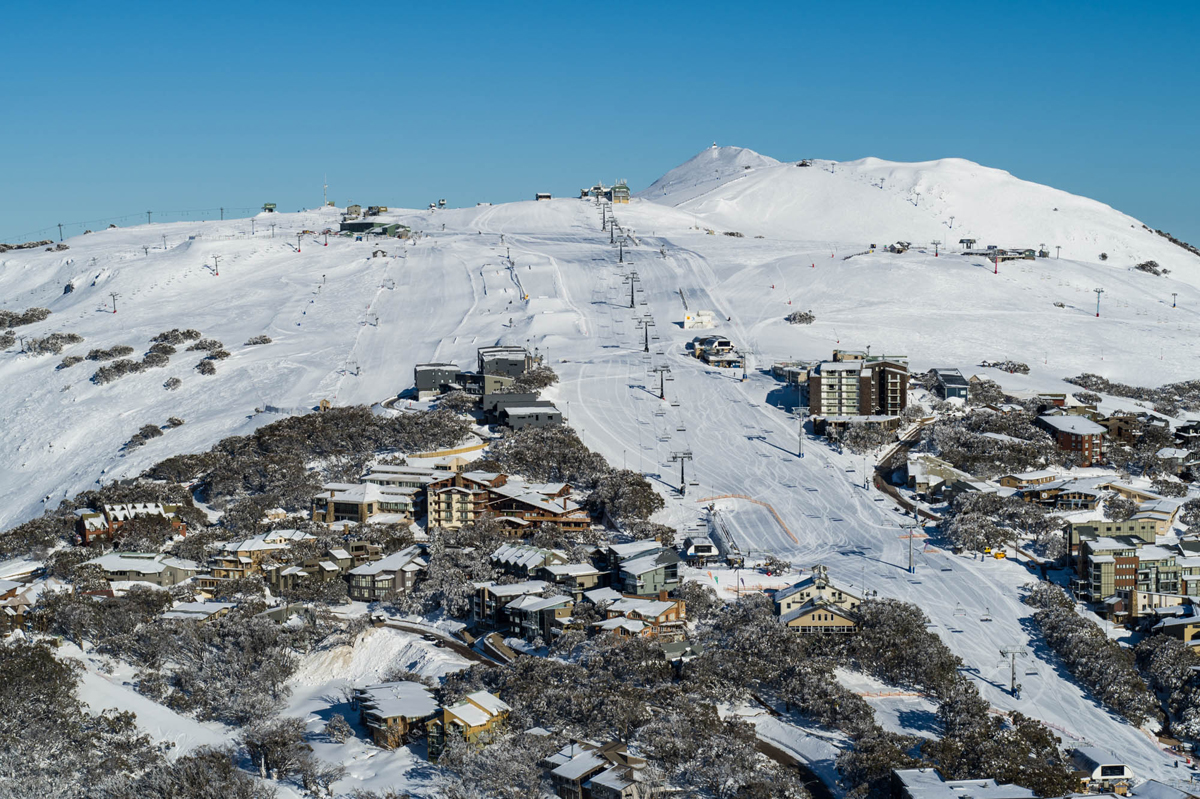
Opening day of the 2020 season on June 24th
Despite the coronavirus pandemic in the Southern Hemisphere, which has the world paying close attention to how the spread of the virus will play out over the winter, the resort was able to safely open on June 24th. Here is the video from that day
People were enjoying themselves while following infection prevention measures and rules, such as acrylic panels at ticket counters and social distancing on lifts, and their joy at being able to say, "I'm so glad the mountain is open!" was overflowing
August 6, 2020:
Finally closed at Alert Level Stage 3
However,
the situation has changed dramatically. With the alert level raised to Stage 3, Mt. Buller has been closed since August 6th.
We asked Tony Harrigton, a photographer who lives in Mt. Buller, about the actual state of the mountain. Tony is also Mt. Buller's official photographer, so he is familiar with the inside story of the resort.
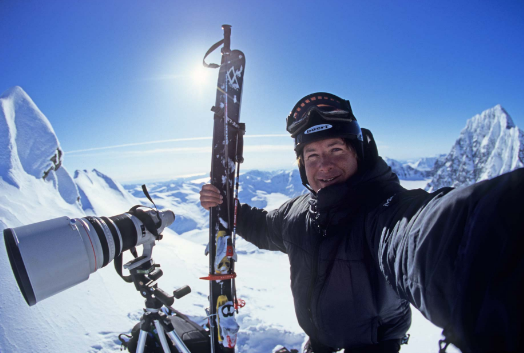
With Mt. Buller closed, Tony was forced to stay in a hotel for two weeks after being asked to stay home due to restrictions while traveling to Queensland, where the Gold Coast is located, for surf business
The difficulty lay in this
"The government was overwhelmed with other efforts and couldn't even get around to dealing with ski resorts. Despite this, representatives from all of Australia's ski resorts managed to get together and hold numerous discussions with the government. They discussed social distancing regulations and how they would affect ski resort operations. Then
, on-site representatives from each ski resort met with management. The biggest issue was accommodation. Employees who lived and worked on the mountain previously shared rooms with multiple people, but now only one room per person, meaning they couldn't find a place to stay." As a result
, ski resorts were forced to operate with year-round staff on their own. With a severe staff deficit, on-site staff had to take on tasks outside of their regular duties, including disinfecting facilities and taking various infection prevention measures, resulting in a growing workload. The damage caused by COVID-19 first became a major personnel issue.
The big lift problem
Then there's the issue of lifts. Because social distancing requires maintaining a distance of 1.5 meters between people, only two people can ride a four-seater lift, and three people can ride a six-seater lift. Lift utilization rates were halved. Naturally, profits plummeted.
However, this was not necessary for people living under the same roof (shared house residents or family members). This was because if they had lived together, they would have already been infected.
"Strict restrictions were also placed on the number of people allowed on the mountain. Another famous resort in Australia, Sletvo in New South Wales, was one of the first to cancel season passes and offer refunds.
This created a problem: finding staff to work on the mountain if season passes were no longer valid. Many of the people who live and work on the mountain are doing so because they can use season passes, so if season passes were no longer valid, they would lose interest in coming to work.
A one-day pass costs 140 AU dollars, so paying 140 dollars every day is simply not possible. In other words, they no longer have any motivation to work at the ski resort. Not only do they have no accommodation, but they also no longer have any motivation to work, so they're at their wit's end. It's a problem when the ski resort is open but there are no staff
Website crashes due to rush to buy advance tickets
Another major problem was advance ticket sales. Lift tickets went on sale a week or two before the start of the season, with a limited number available, and were not available for the next six to eight weeks. Everyone tried to buy one-day passes on resort websites, resulting in a surge in traffic and causing every resort's website to crash.
"There was a huge outpouring of frustration because people couldn't buy tickets. Even if you could make a hotel or accommodation reservation, if you couldn't buy a ticket and couldn't get on the mountain, you were missing out, so it became a huge problem. I heard the operations team had a very hard time dealing with this."
A restaurant with a capacity of 100 people can accommodate up to 20 people
"In Australia, at the start of the season, restaurants were required to close completely. However, as the infection situation calmed down, they were allowed to open, and the restrictions were relaxed to 10, then 20 people. Originally, they were operating at a capacity of 100 people and making a profit, so there was a fundamental difficulty in figuring out how to make a profit with 20 people in the first place.
Also, when it gets unbearably cold from the rain or snow and you want to take shelter under a roof, restaurants can't let you in because of the capacity restrictions. So resorts closed some of their own shops and turned them into warming rooms that could fit up to 20 people.
Resort shops that originally made thousands of dollars a day in profit were now just rooms where you could warm up. Because of the bad weather, they had to take all their boots and clothes off the shelves just to fit 20 people. What a waste and crazy thing to do!"
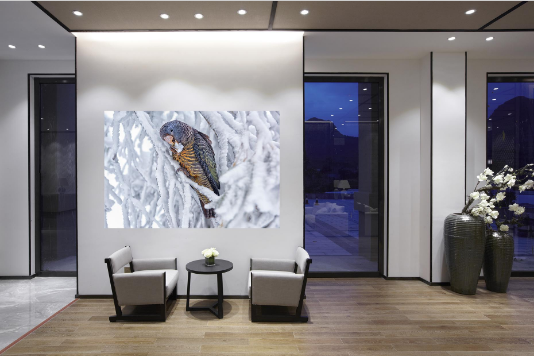
Tony's gallery, HARROW ART, located in Village Square at the foot of Mt. Buller, also limited admission to a maximum of six people
"So many people wanted to come in to see my photos, but I had to tell them, 'Sorry, sorry, you can't come in, please,' and make them wait outside in the cold. I felt so sorry for them. There's nothing more contradictory and painful than being told 'don't come' in a place that says 'please come'."
Measures to prevent the spread of infection..
Ski patrols work in small teams, but because clusters are likely to occur within each team, they make sure that the teams do not meet with each other. Furthermore, when an injured customer is injured, they provide care while wearing full protective clothing in case the injured customer is infected
To prevent cluster outbreaks at the resort, all visitors are required to download an app to their smartphones, and a QR code on their smartphone must be scanned upon entry, creating a system that records their movements. Names and contact information are registered in the app, so if an infection occurs on the mountain, those at risk of close contact can be contacted based on their movement history.
However, despite these measures, the spread of infection has hit Mt. Buller hard, and it has finally closed. The earliest it will reopen is September 13th. What will happen?
Text/Editing: STEEP Editorial Department Photos: Tony Harrington