

The Japan Avalanche Network (JAN), an NPO that promotes safety in winter mountains through avalanche information, research, and education on avalanche safety measures, announced a partnership with the Mountain and Nature Network Compass in December 2022 with the aim of improving avalanche safety measures. As a result, a system has been put in place and is now operational, whereby avalanche information released by the Japan Avalanche Network is delivered to users who submit mountaineering notifications on Compass. For those who are not yet familiar with it, here is an overview of what it is
What is the Japan Avalanche Network (JAN)?
The Japan Avalanche Network (JAN) is a non-profit professional organization that operates under four pillars: avalanche education, avalanche information, accident investigation, and resource provision for avalanche safety in winter outdoor activities. Its members are a wide range of professionals, including mountain guides, ski patrolmen, rescue team members, and other professionals who work in snowy mountains, as well as avalanche researchers and trained mountaineers
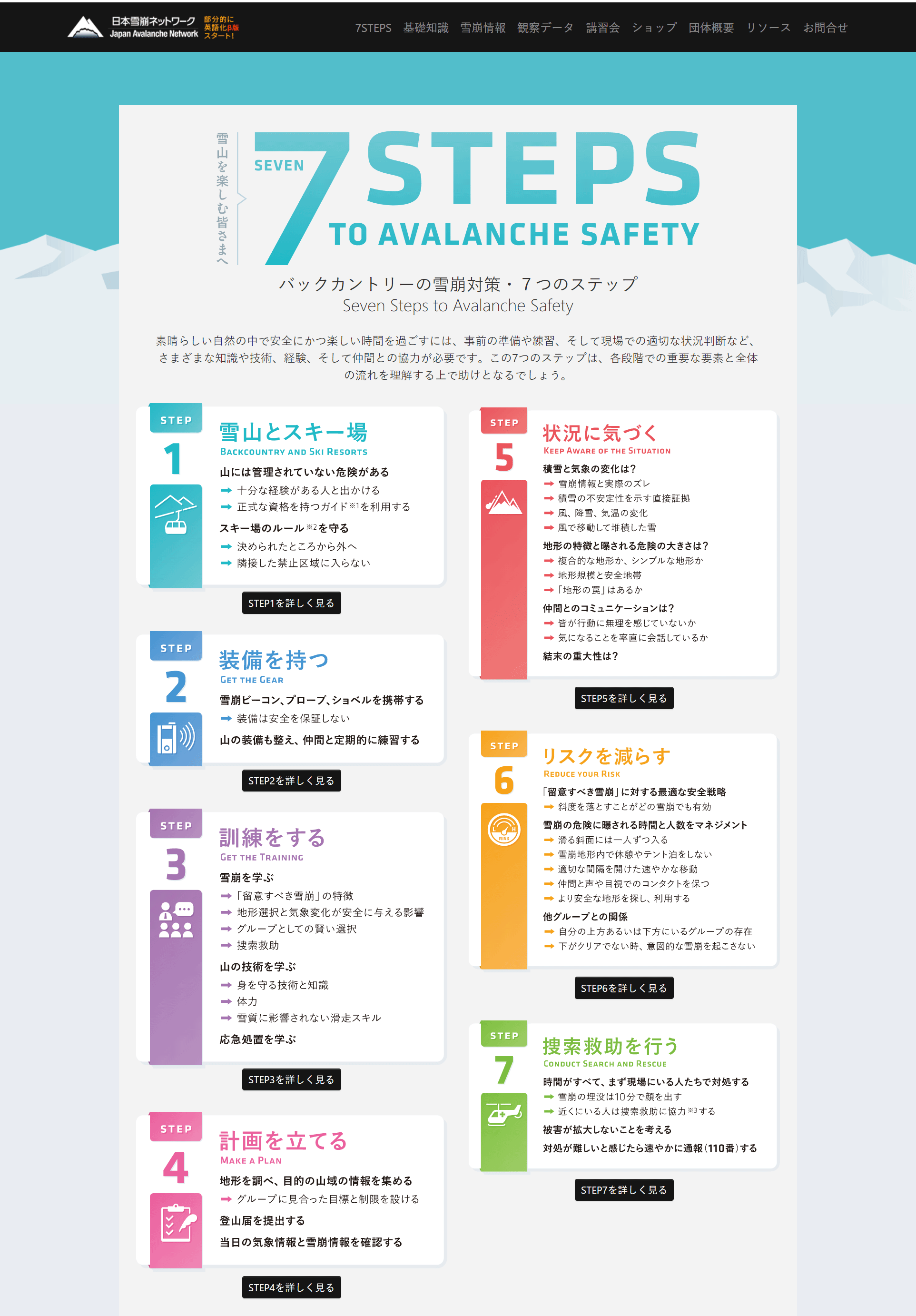
the Japan Avalanche Network's official website features "Seven Steps to Preventing Avalanches in the Backcountry" and real-time avalanche information for various locations. The organization also holds various seminars aimed at everyone from casual skiers to professionals, providing avalanche safety skills and detailed information and specialized knowledge to raise safety awareness among users of snowy mountain activities. For skiers and snowboarders who are interested in or have become enthusiastic about backcountry skiing, the organization is a truly valuable and reliable resource.
Avalanche information as "social infrastructure" to ensure safety on snowy mountains
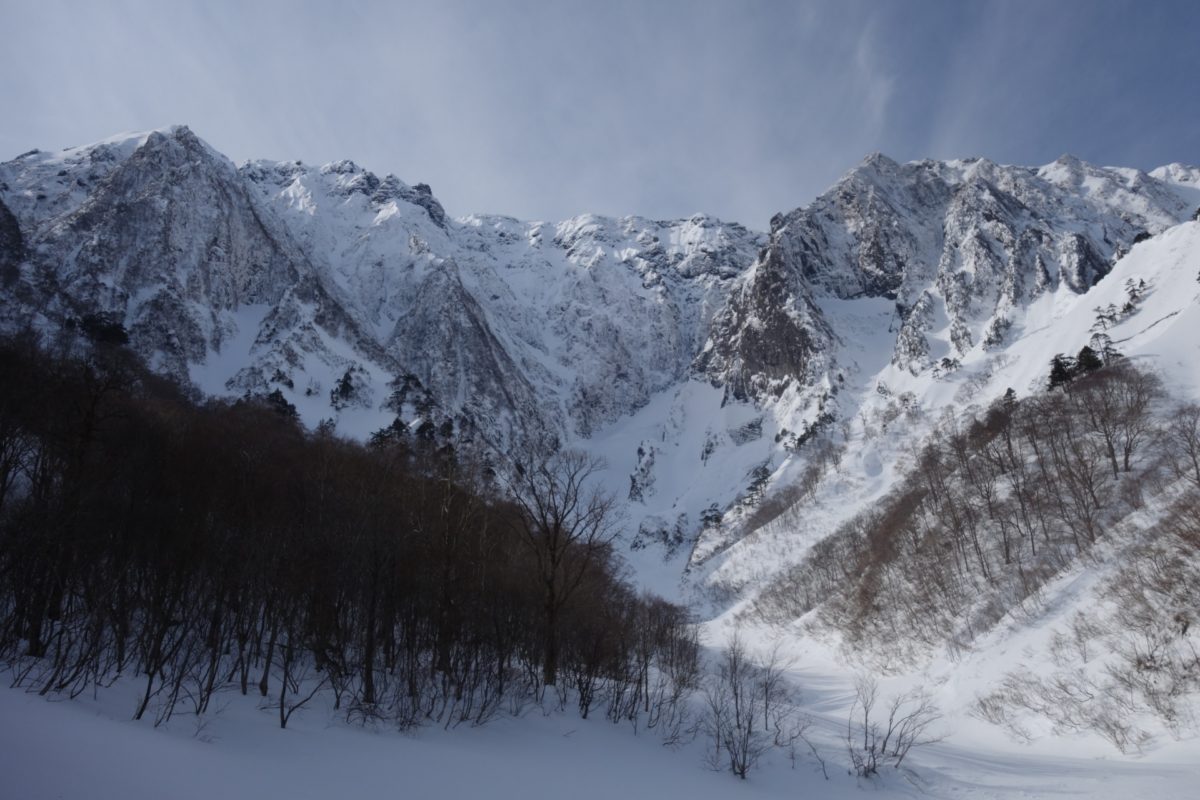
Unlike ski resorts, in natural snowy mountains that are not managed safely by humans, you never know when or where danger may lurk. When skiing in the backcountry, possible dangers (risks) include dangers due to weather and geographical conditions, injury, illness, and equipment problems. Of these, it is perhaps most important to be aware of the risk of avalanches. If you are caught in an avalanche, there is a high chance that you could suffocate or be swept away by the avalanche and hit a tree or rock, losing your life
There is also the possibility that an avalanche you caused yourself could injure someone. Many avalanche accidents occur due to human error. People may enter the slopes without realizing that the snow is unstable, or may underestimate the danger due to human error. Furthermore, it can be difficult for casual users who only visit the mountains on weekends to accurately grasp the overall snow conditions
That's why the Japan Avalanche Network acts as a "social infrastructure" to support people who enter snowy mountains by disseminating real-time avalanche information. Because it's important not only to announce avalanche information but also to properly understand and use it, the network promotes understanding of avalanche information and supports its effective and appropriate use through educational programs for general users, such as the "Avalanche Night" avalanche safety seminar and the "Safety Camp" snow training course. The Japan Avalanche Network is the only network in Japan that implements such comprehensive avalanche safety measures, and its presence and contribution to society are enormous
Avalanche information from the Japan Avalanche Network
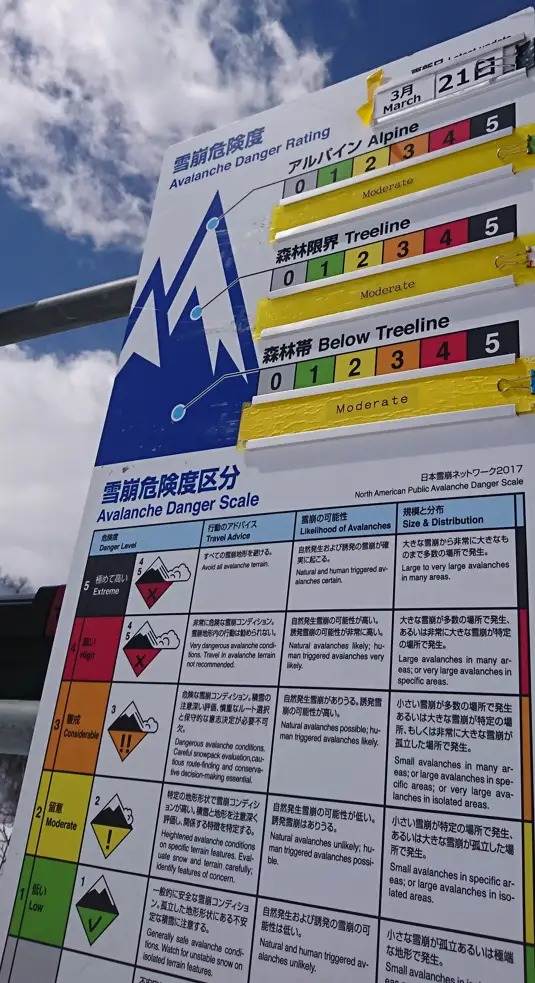
The avalanche information provided by the Japan Avalanche Network is the same standardized avalanche information released by public and non-profit organizations in Europe and the United States (33 organizations in 19 countries). The information is provided to people engaged in activities in snowy mountains, providing specific information on the current avalanche risk and the types of avalanches they should be aware of, with the aim of supporting their decisions in the field
▼ Avalanche information provided by (JAN)
[ #AvalancheInformation ] #Tanigawadake #Kagura #MountHotaka as of 5am on January 19, 2023 has been released . https://t.co/NgH3GvAo3M
— Japan Avalanche Network (@npo_jan) January 18, 2023
#Avalanche #Backcountry #WinterMountain #Mountaineering #Skiing #Snowboarding #Disaster #JAPOW #MinakamiTown #YuzawaTown #KatashinaVillage
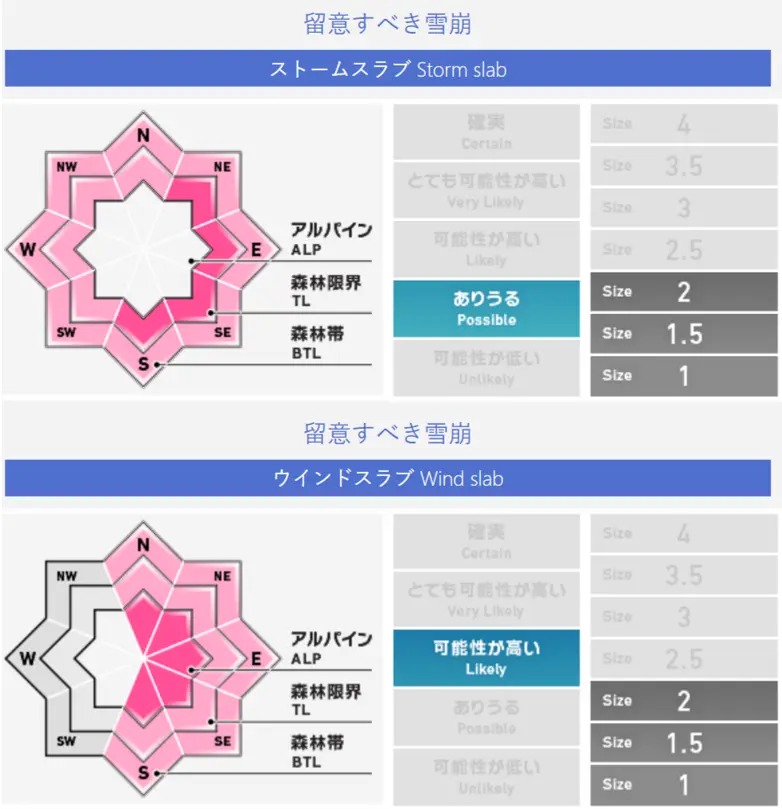
The map shows the types of avalanches to watch out for that day, the altitudes and directions they lie in, the likelihood of triggering an avalanche, and the scale of the avalanche if it does occur, all in a graphical illustration. This allows the person in charge to understand the best terrain choices when out in the field
Partnership with "Compass," a system that allows users to create and submit mountain climbing plans online
To enter the backcountry, you must submit a climbing plan to a designated location. The climbing plan must include the climbing route, planned activities, contact information for group members, and equipment. Compass is a system that allows you to create this climbing plan online and submit it as a climbing notification
Due to its convenience, it is widely used by individuals as well as government and mountain organizations, and the Japan Avalanche Network has partnered with the Mountain and Nature Network Compass to begin providing support services to users in December 2022 with the aim of improving avalanche safety measures
Here's how the collaboration between the Japan Avalanche Network and Compass works

The system works by creating a climbing plan with a route set on the "Compass" map, and if the route falls within the avalanche warning zone published by the Japan Avalanche Network, the submitter will be notified each morning when the avalanche information is updated on the day of the climb. Emails with that day's avalanche and snow quality information will be sent to the registered email address between 5:00 and 7:00 a.m. on the day, which can be used as a guide for risk avoidance
The Japan Avalanche Network is scheduled to release avalanche information for the following mountain ranges and dates. All of these are popular areas for backcountry skiing. If you're heading out to these mountains, be sure to take advantage of this information
| Presentation area | Planned period |
| Hakuba (Nagano Prefecture) | December 24th to early April (every day) |
| Myoko (Niigata Prefecture) | Late December to late March (every day) |
| Kagura-ga-mine, Tanigawa-dake, and Hotaka-san (Niigata Prefecture and Gunma Prefecture) | Late December to late March (every day) |
| Niseko, Mt. Yotei, Mt. Yoichi, Mt. Shiribetsu (Hokkaido) | December 13th to late March (Tuesday, Thursday, Saturday) |
From JAN Director Azusa Degawa
Finally, we would like to share a comment from Azusa Degawa, founder of the Japan Avalanche Network and a director of JAN
Avalanche information is provided to help you choose better terrain. The danger level is based on the time of announcement, so your own judgment on the ground is also very important. If you are unsure of the conditions or feel a little unstable, please reduce the slope. No matter what type of avalanche there is, reducing the slope is the most effective safety measure. —JAN Director Azusa Degawa
Snowfall is expected to increase from now on, and during the peak season, when rough weather is common, please take all steps you can to ensure your safety, and take the utmost care and gather sufficient information before heading out to the snowy mountains
NPO Japan Avalanche Network (JAN)
official website: https://nadare.jp/
Official SNS: Twitter | Facebook