

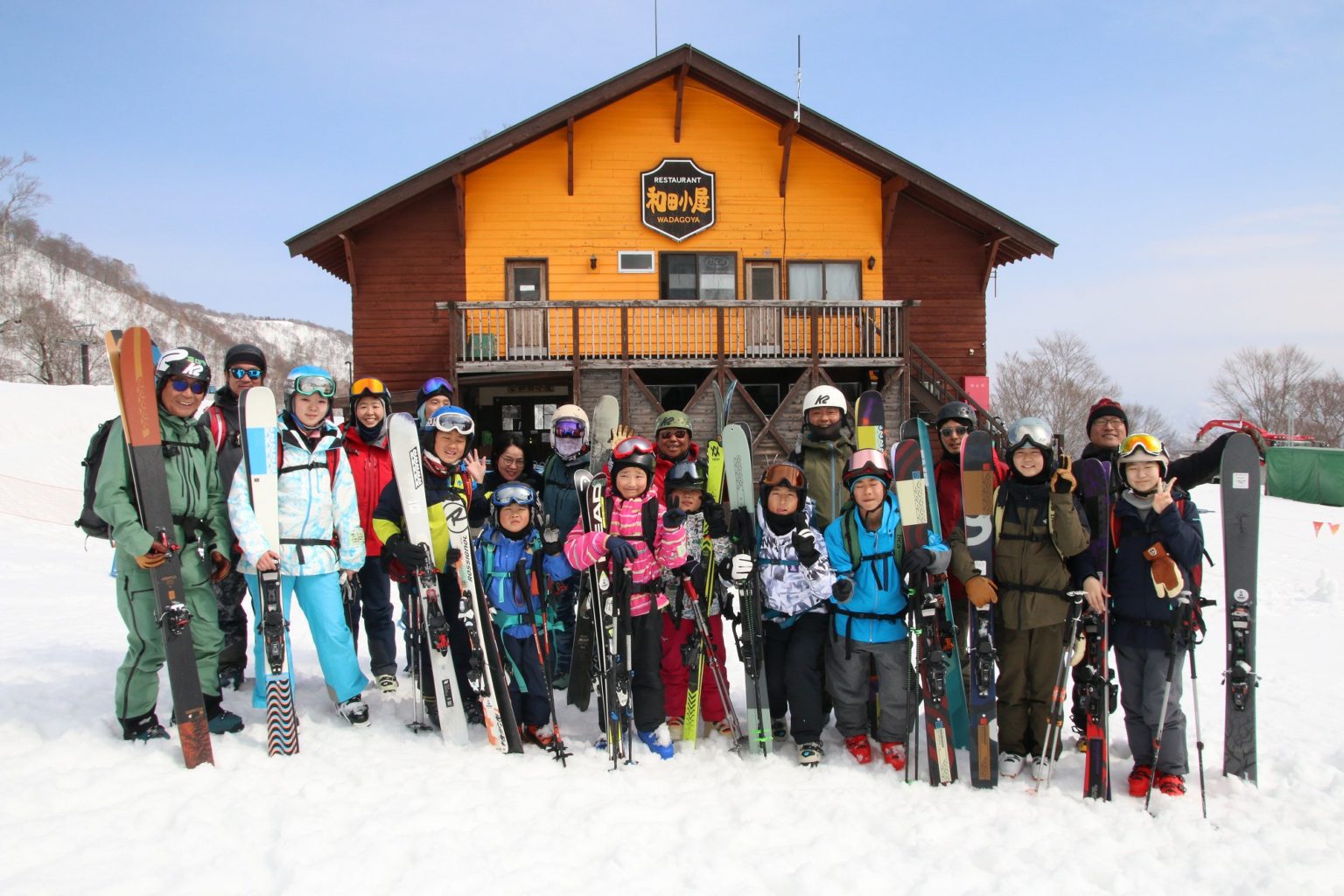
I first heard about a backcountry camp for children a few years ago. Apparently, the Kobe YMCA holds it every spring break at Wadagoya Ski Resort in Niigata Prefecture. Backcountry courses and guided tours for beginners are held all over the country, but it's very rare to see one aimed at children
Is it really necessary to take children into the backcountry instead of onto the slopes? Can safety be ensured? And aren't parents even worried about this? With these questions in mind, I decided to attend the camp, which was held for three days and two nights in early April
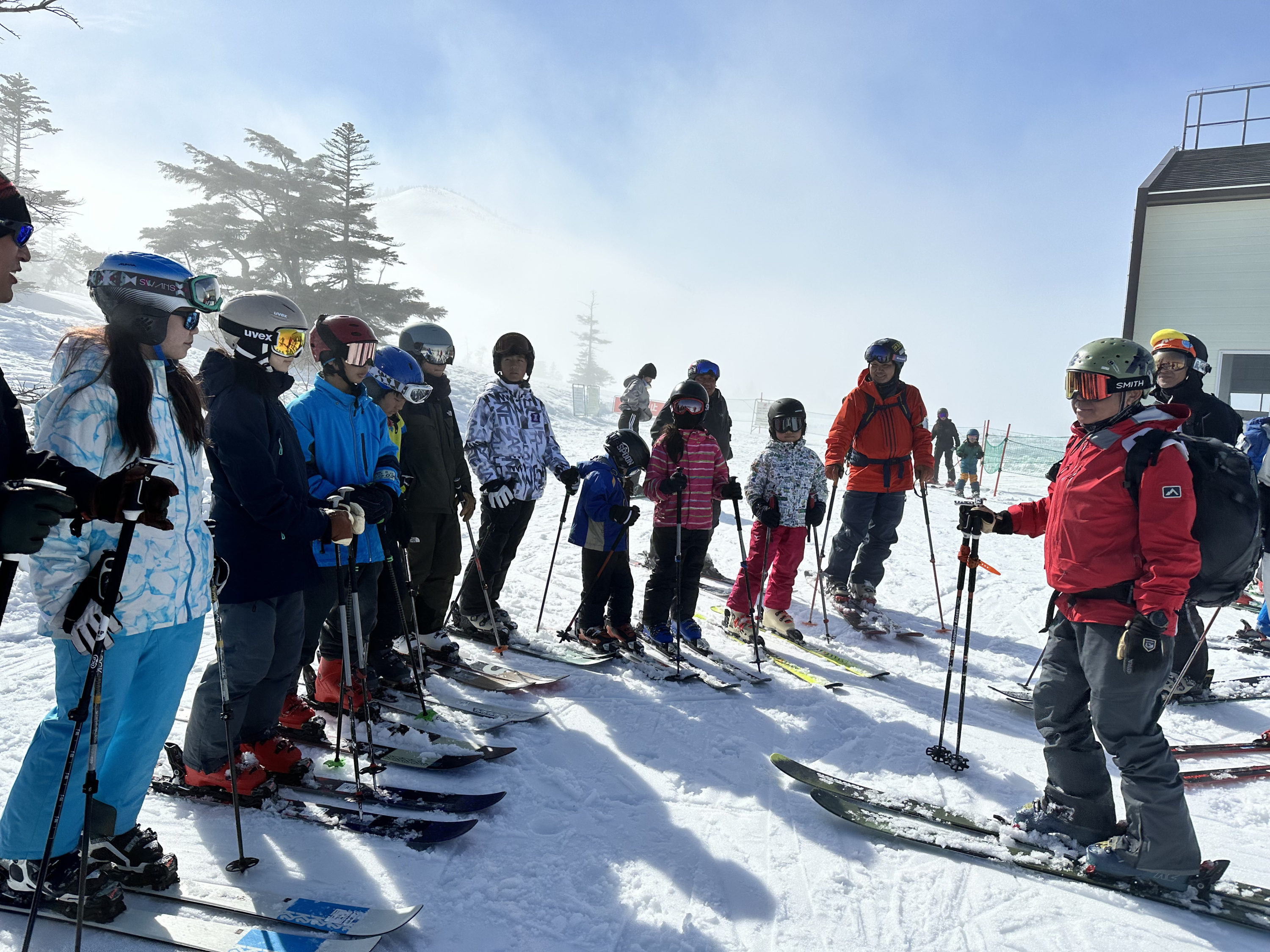
The three-day camp begins
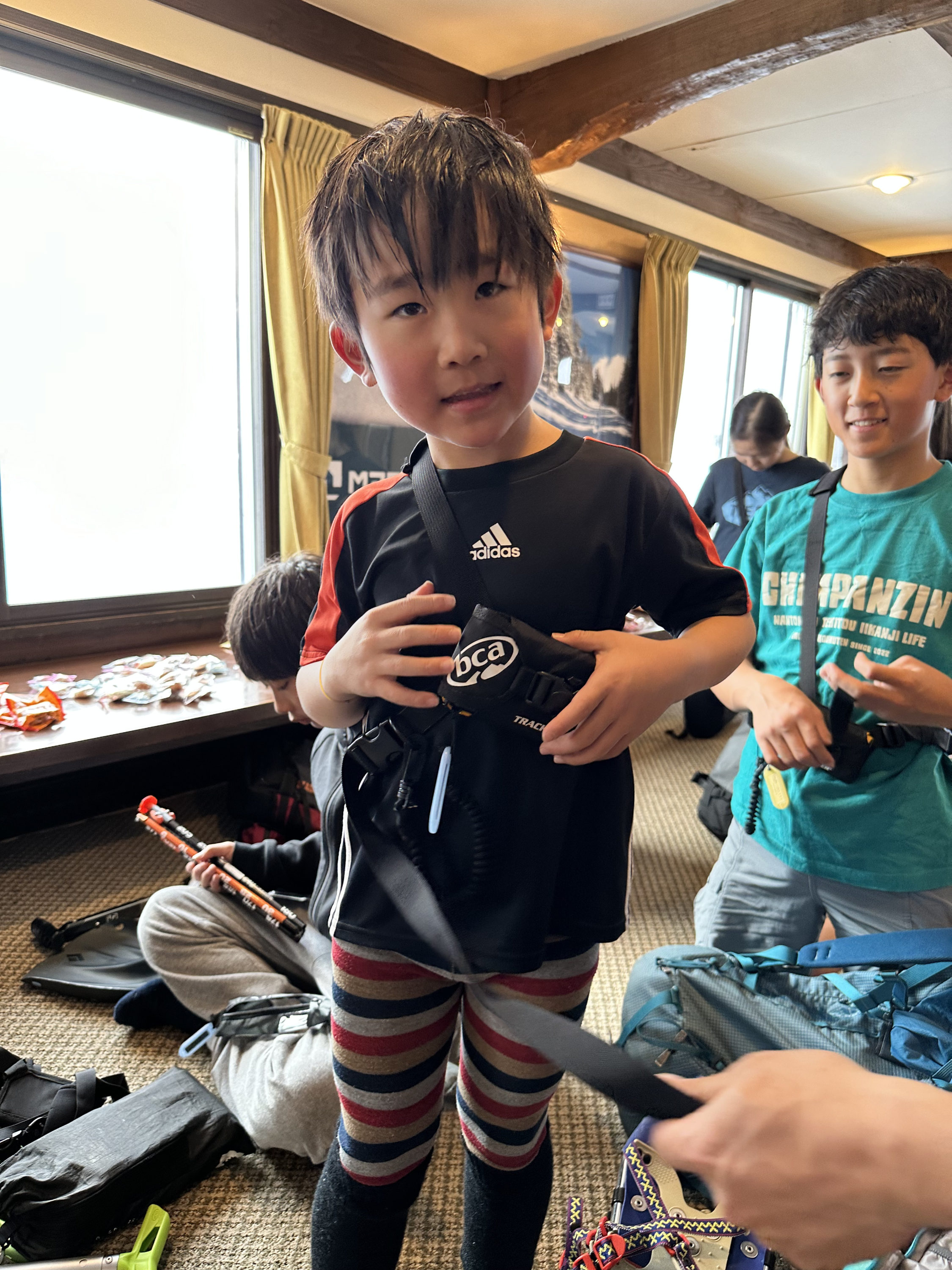
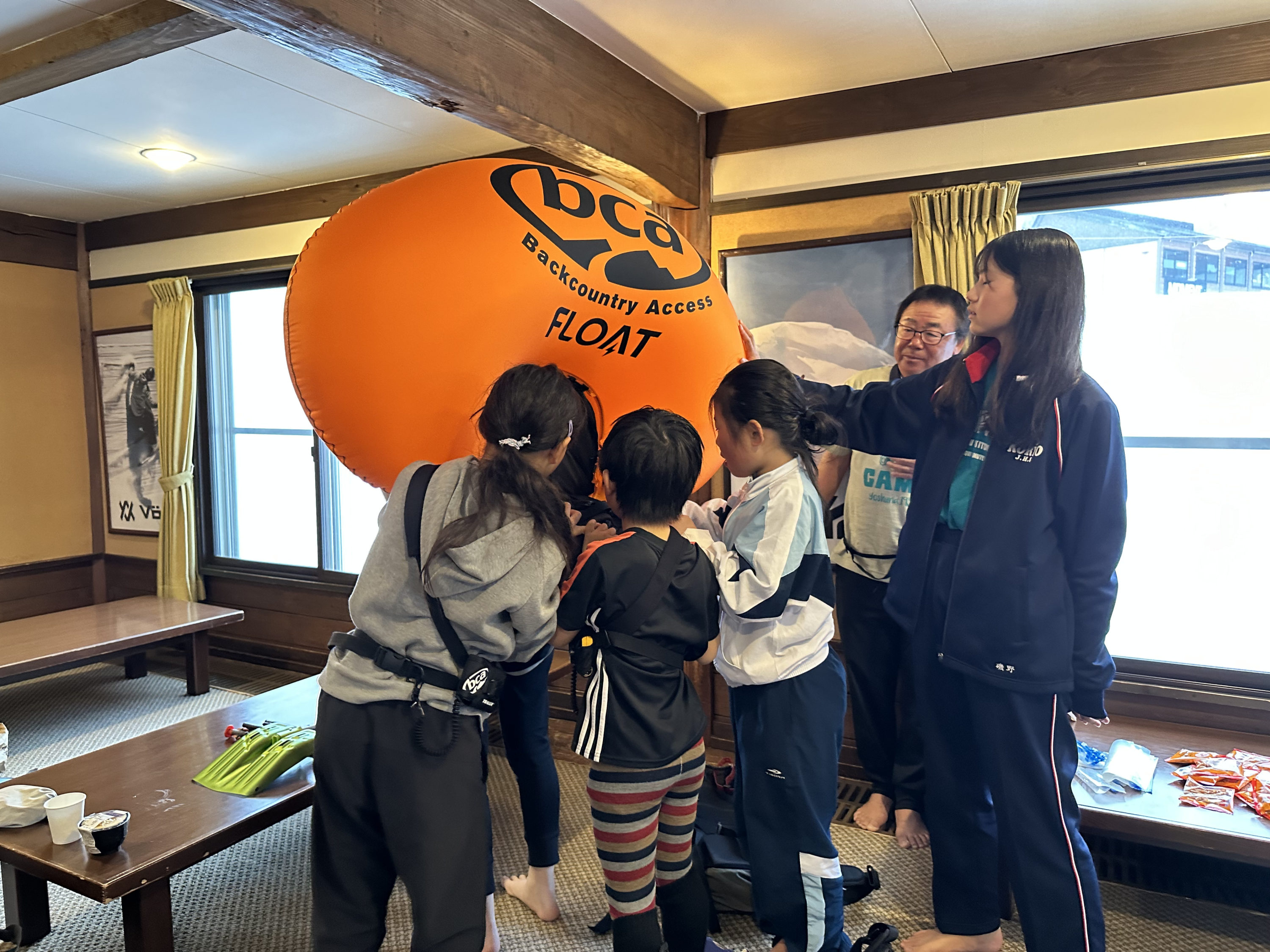
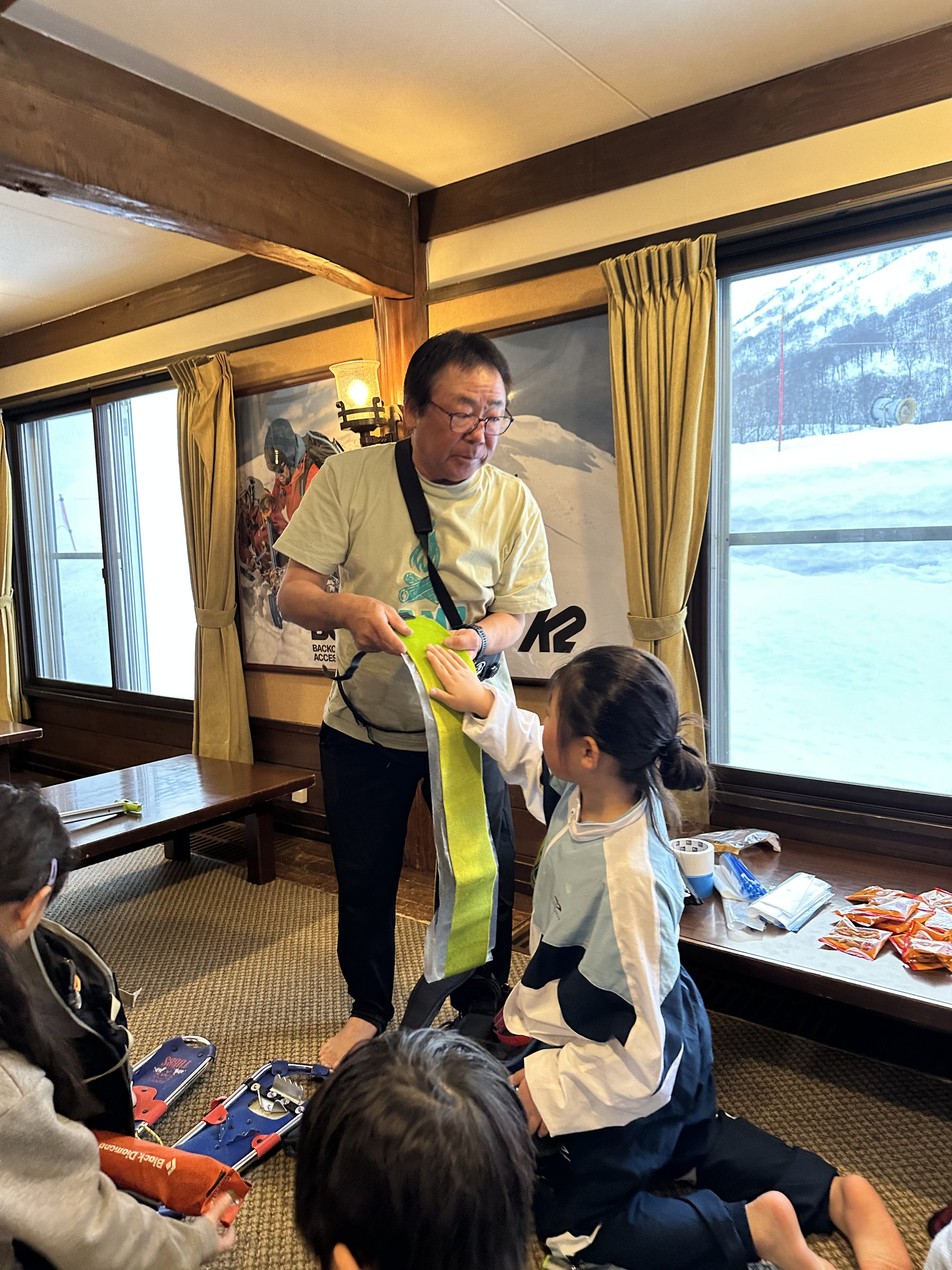
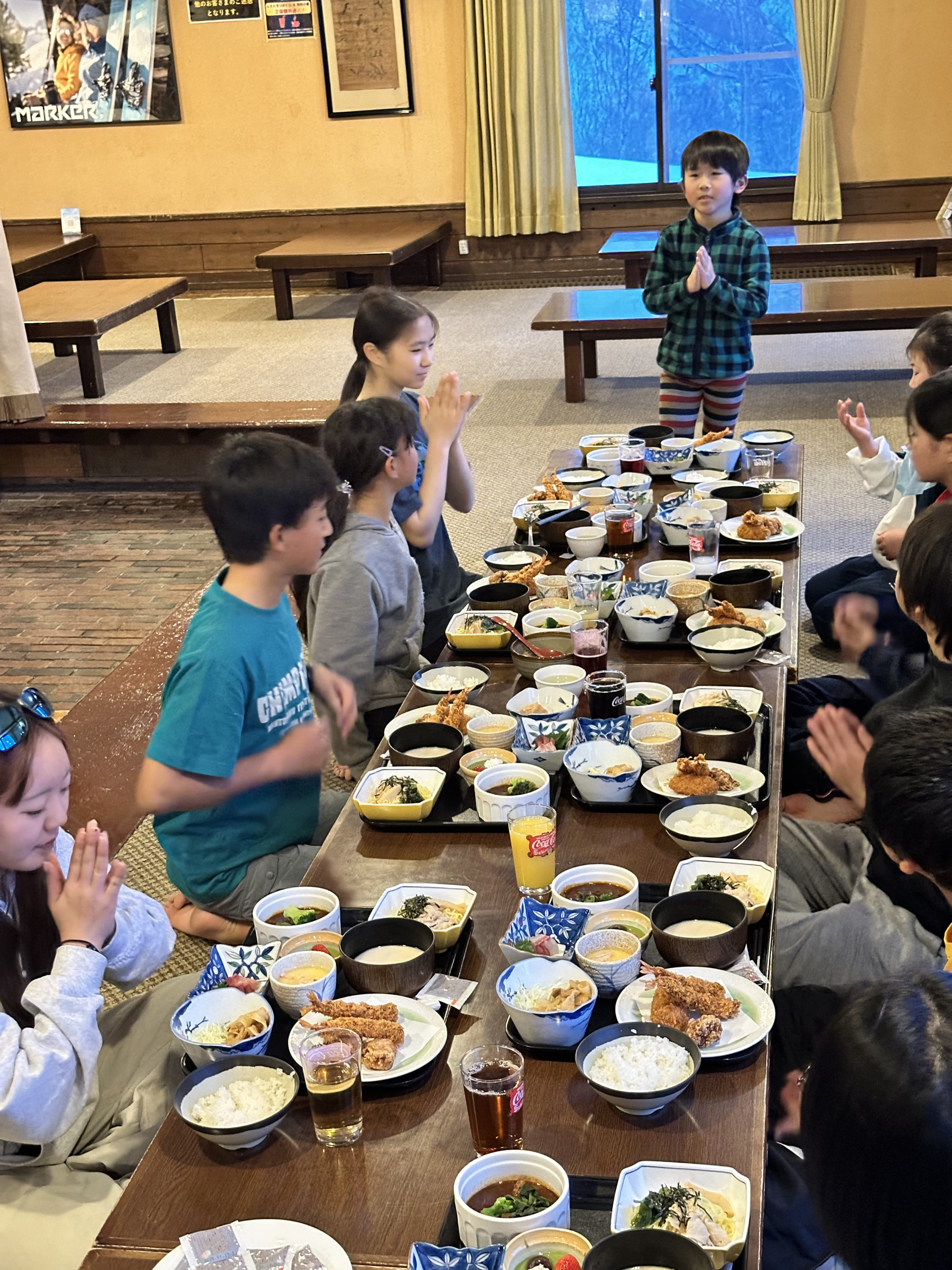
At the camp, children from various regions gathered at Wadagoya and lived together for three days according to the following schedule
| Day 1 | morning | After arriving at Kagura Ski Resort, we rented backcountry gear at Powder Station, a shop at the base of the ski resort. K2 Ski also rented backcountry gear for children, so we headed up the mountain and checked in at Wadagoya Lodge, located within the ski resort. |
| afternoon | First, ski down the ski resort course with a ski guide from Powder Station | |
| evening | Backcountry gear training at the hut. After bathing, everyone had dinner and chatted | |
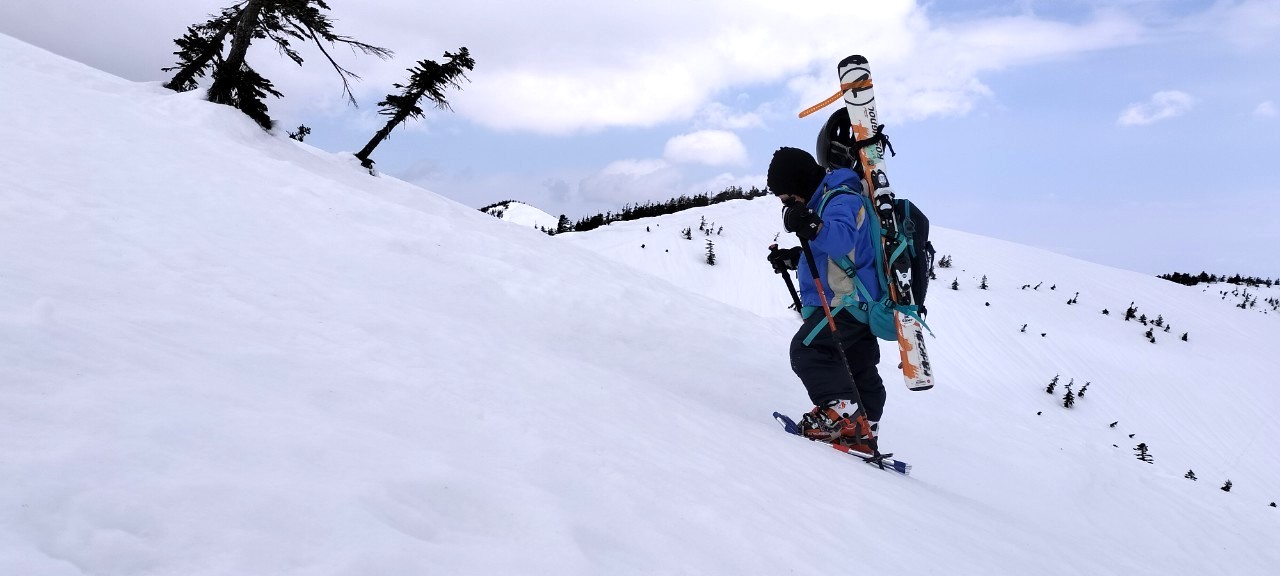
| Day 2 | morning | After skiing down the slopes at the ski resort, we headed into the backcountry. Everyone put on skins and headed for the summit. Children with short skis put on snowshoes and tied their skis to a bag to climb. |
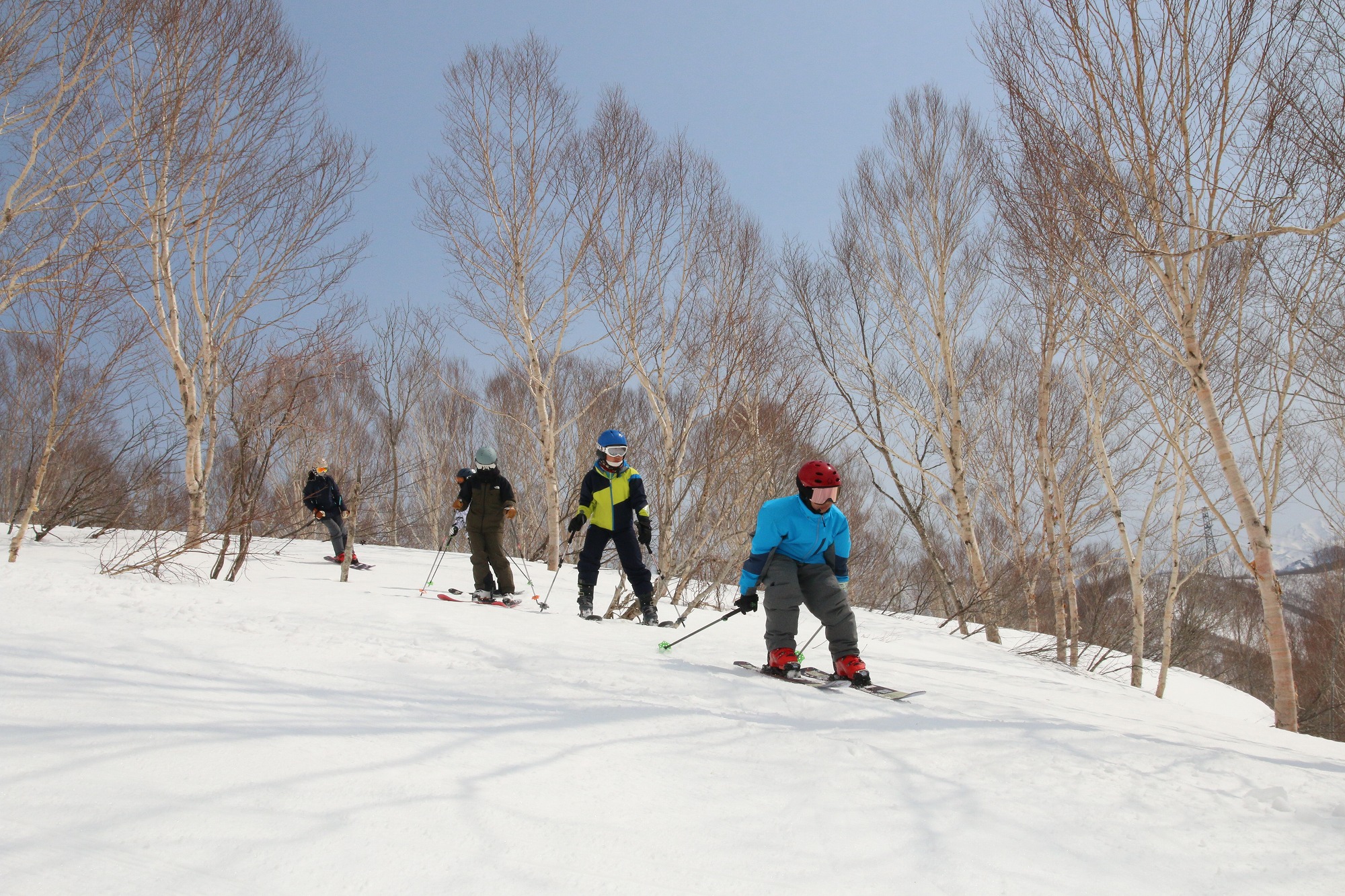
| After reaching the summit, ski down the tree line area and through the forest course from the top | ||
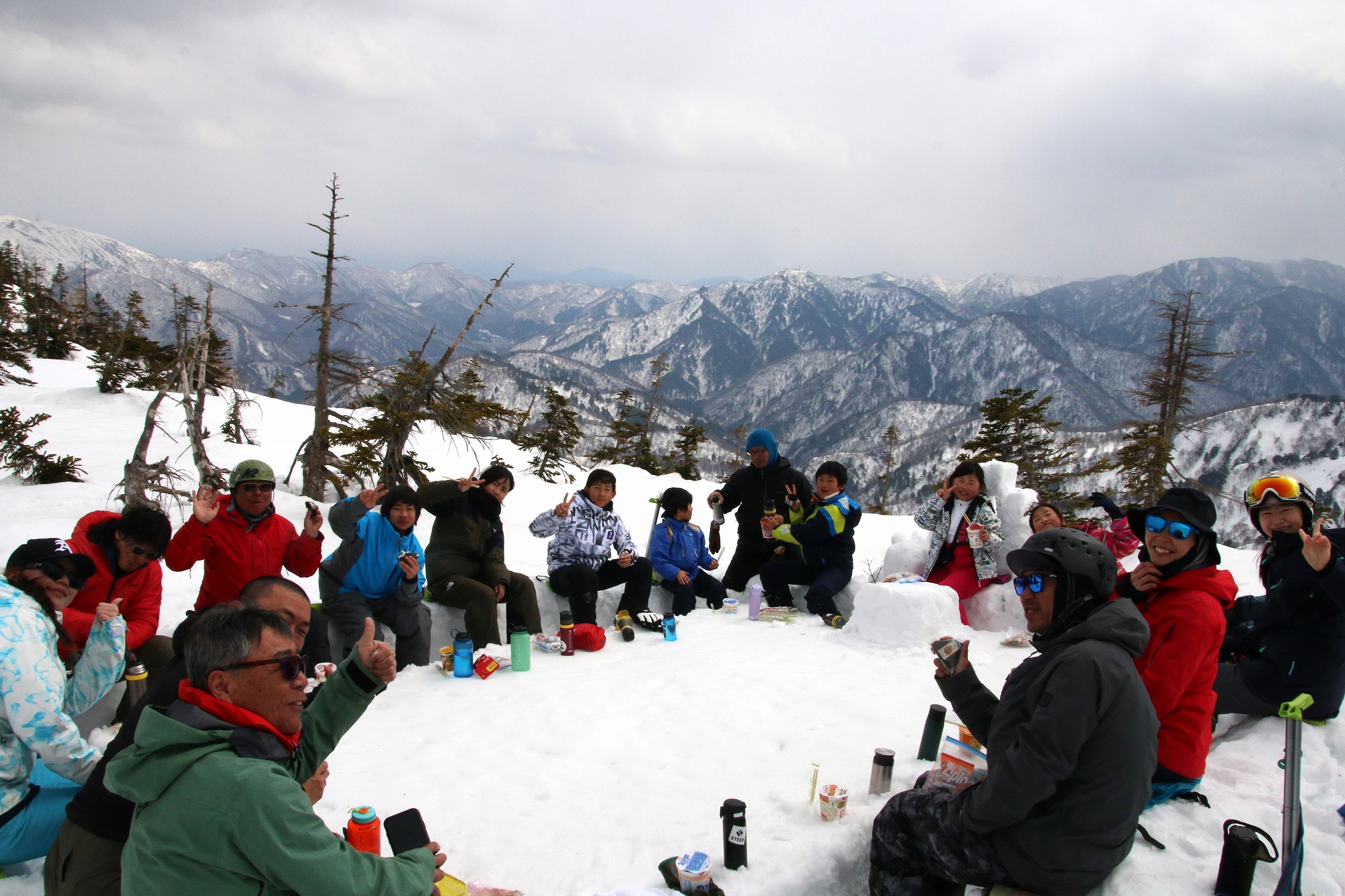
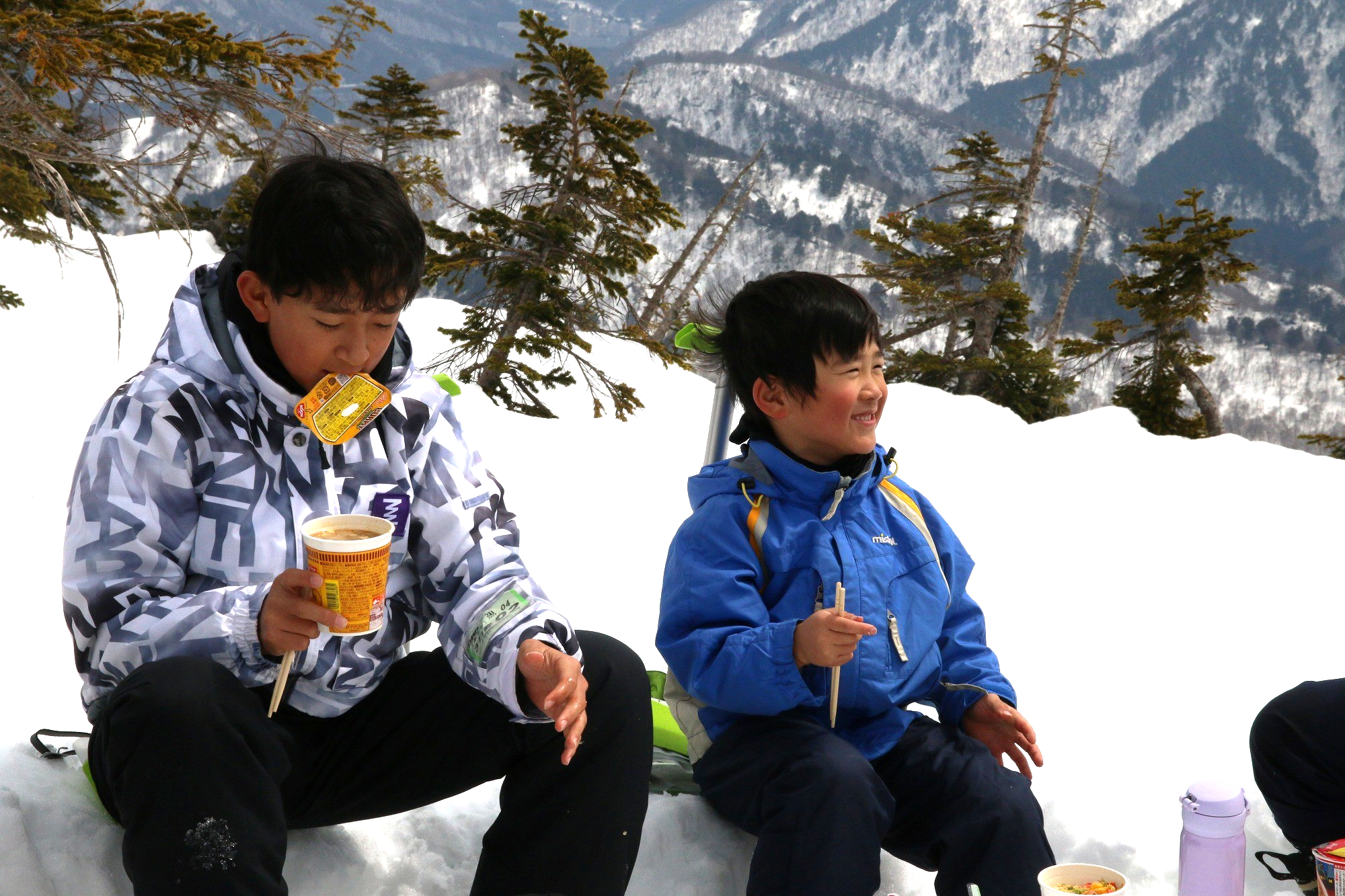
| Backcountry lunch | ||
| afternoon | We continued skiing in the backcountry | |
| evening | After bathing and dinner, listen to the lecture | |
| Day 3 | morning | Take the lifts to the tour ski area |
| afternoon | After lunch, we descended the mountain. We all shared our thoughts about the camp and then disbanded |
This time, children aged 7 to 17 participated. The recommended participation requirement is junior high school students and above, but elementary school students are also invited to take part
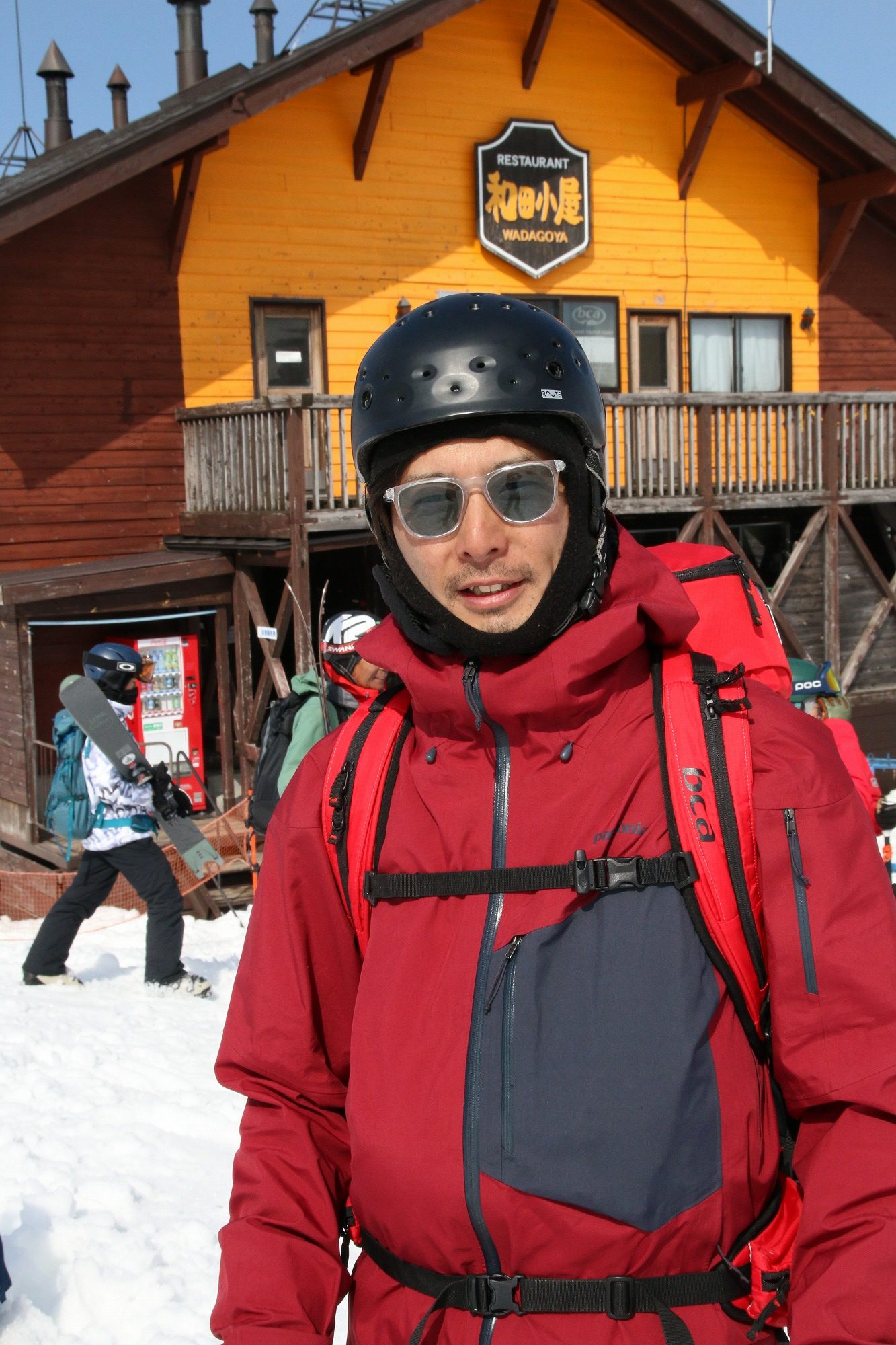
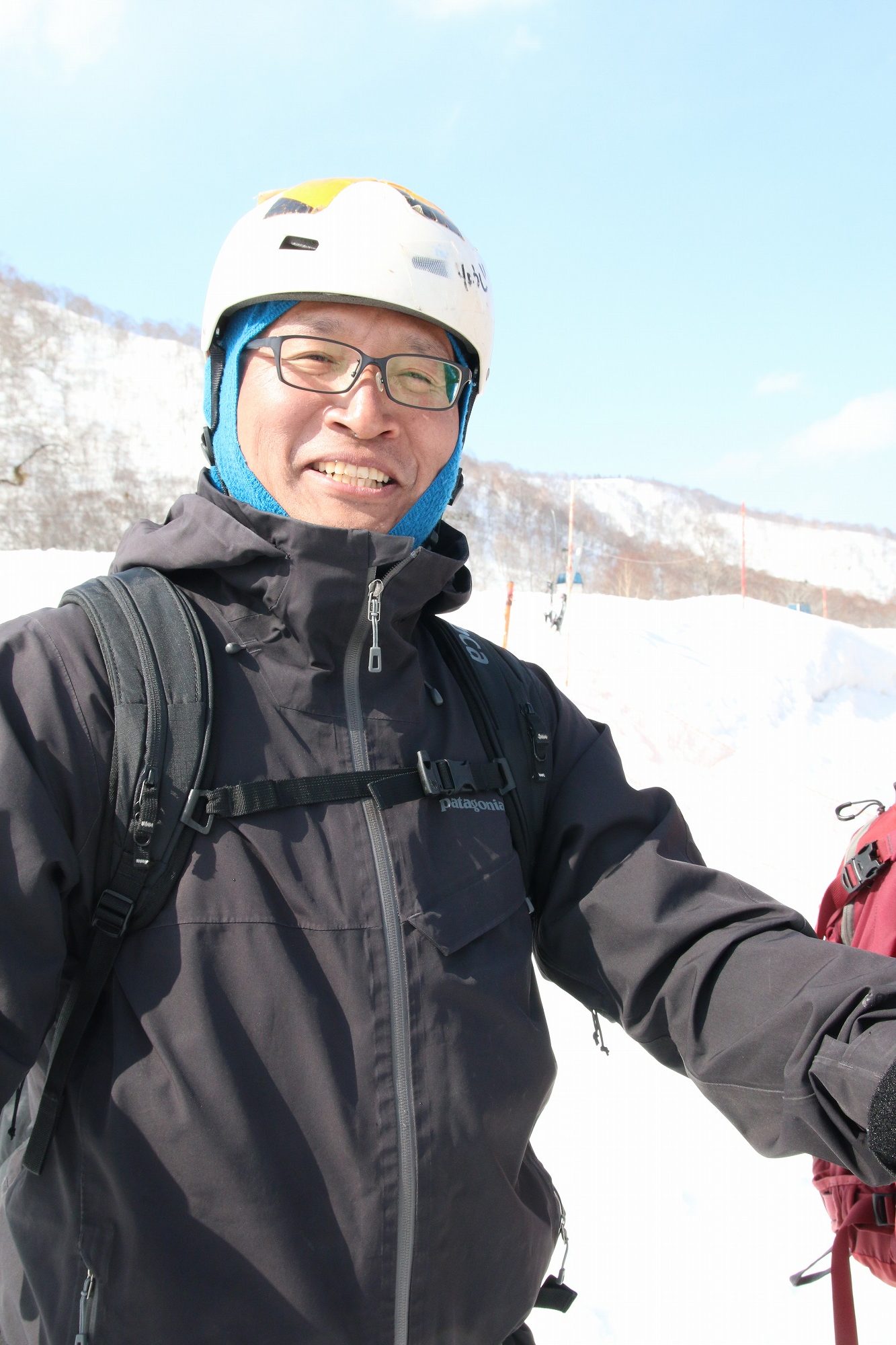
The staff consisted of five people, shown in the order of the photo: YMCA directors Koichi Sakata and Ryoji Yamamoto, outdoor instructor Takasuke Morimoto, and ski guides Kazuya Igarashi and Nobuhiko Takahashi from Kagura Powder Station. Several volunteer staff members joined them on a rotating basis each day
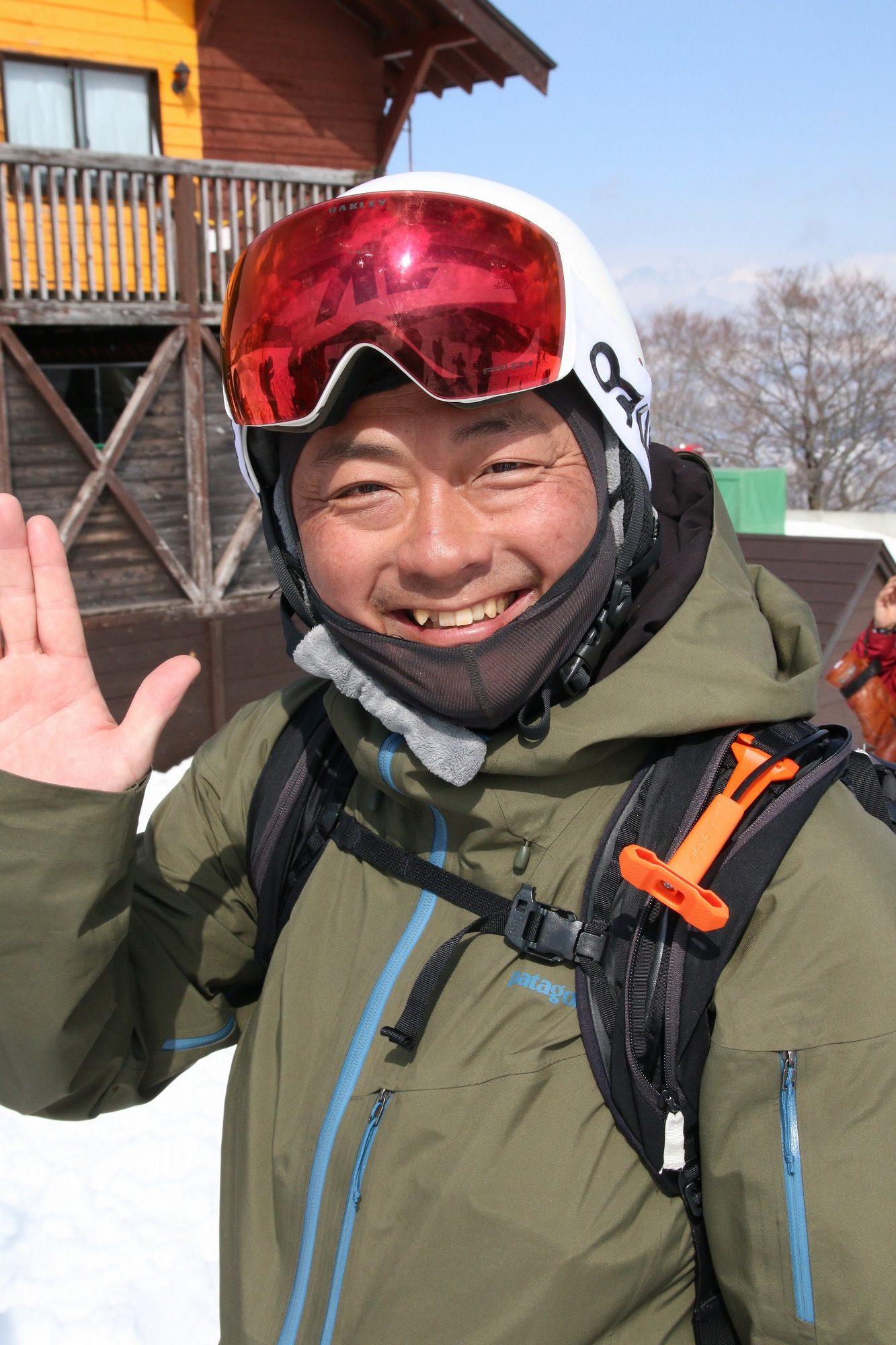
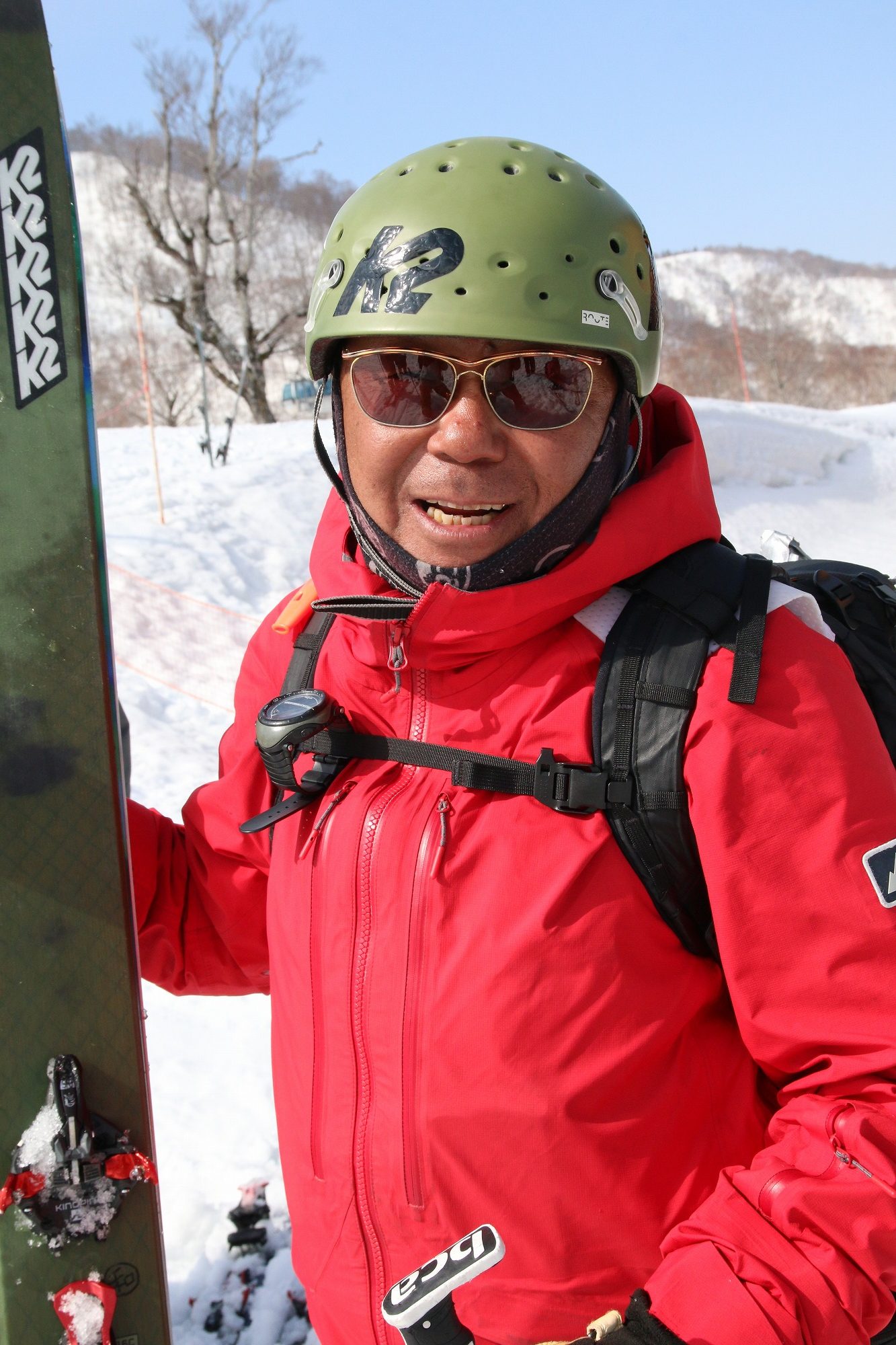
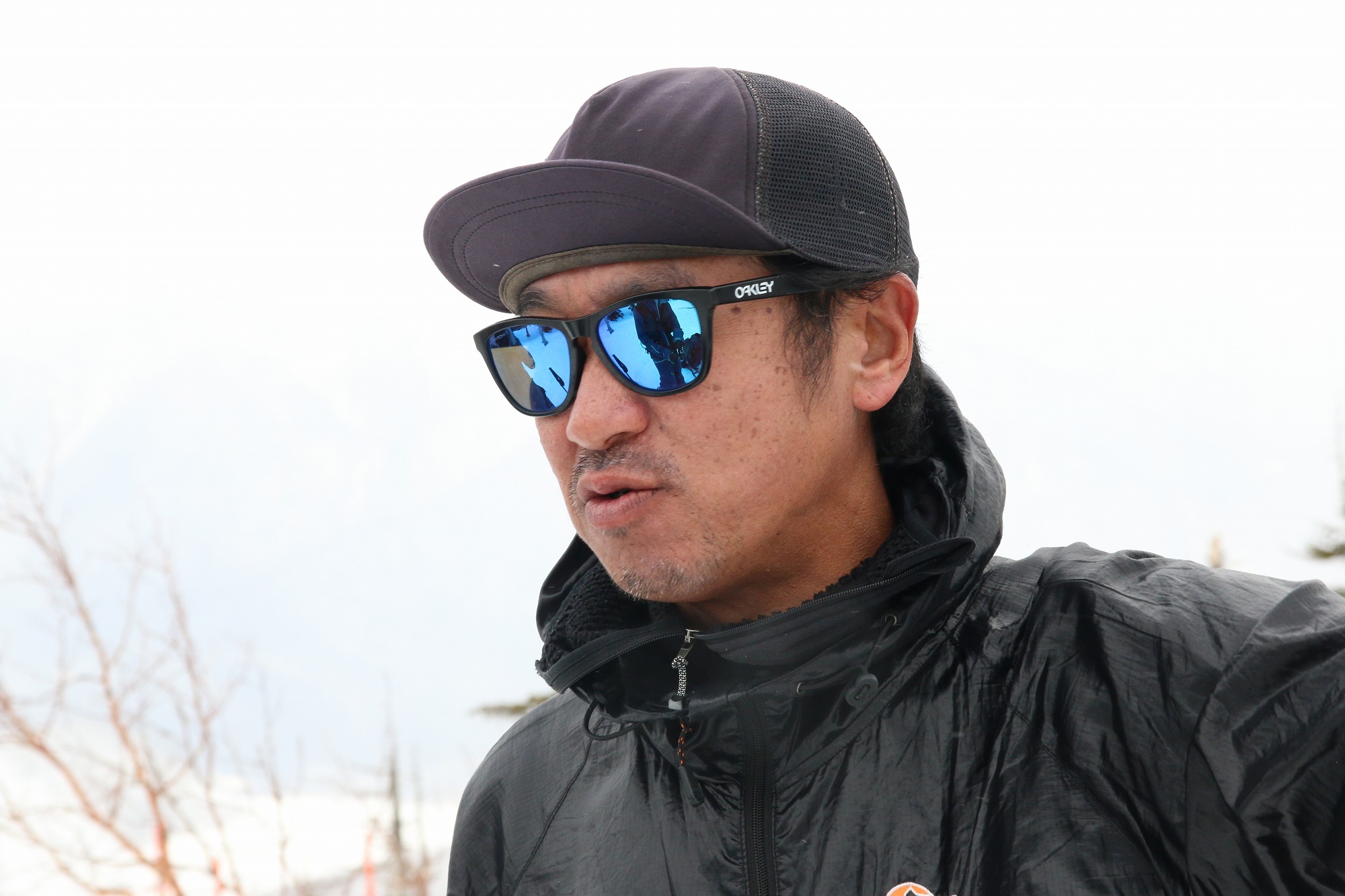
In nature, children help each other while adults watch over them
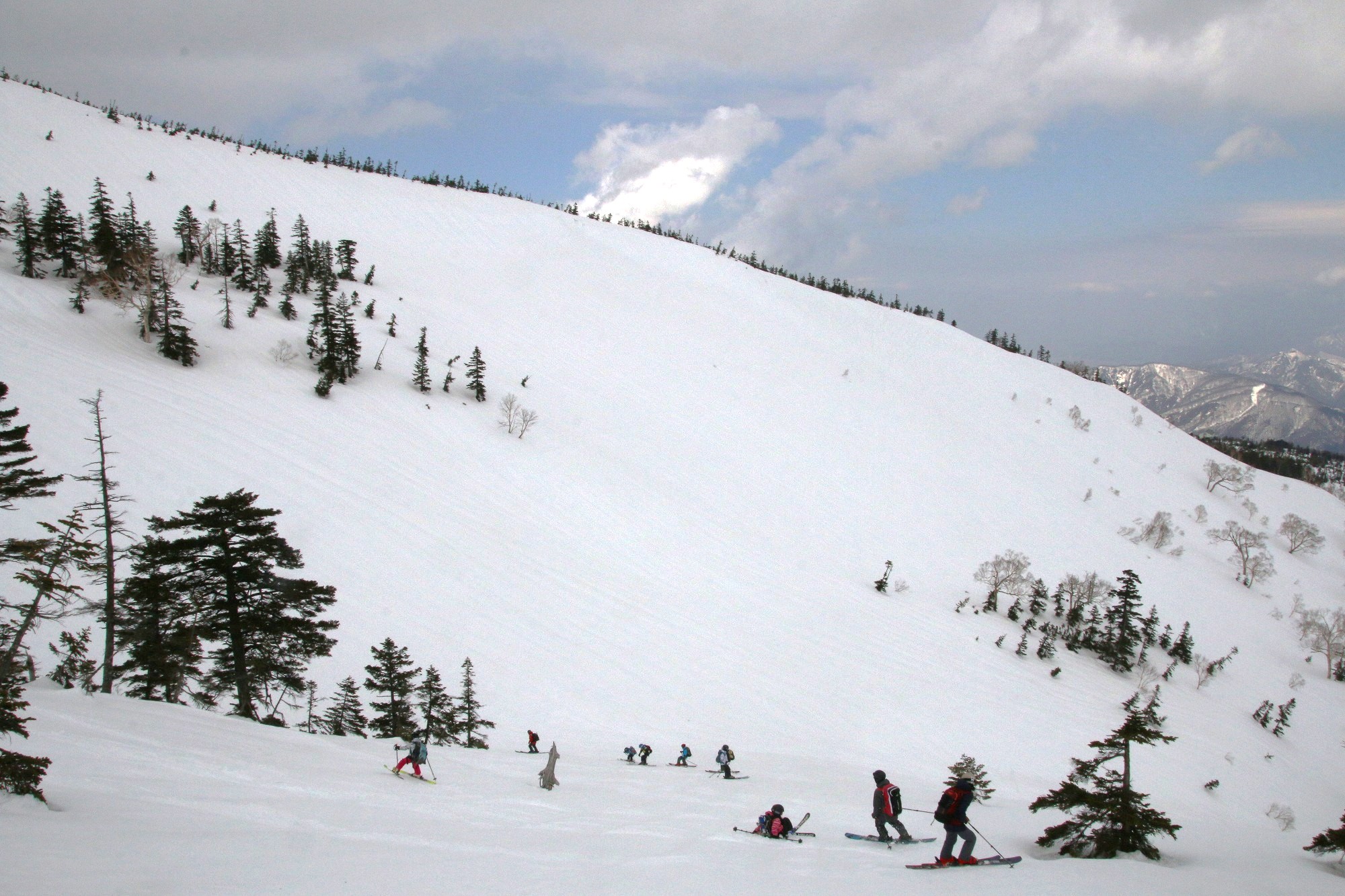
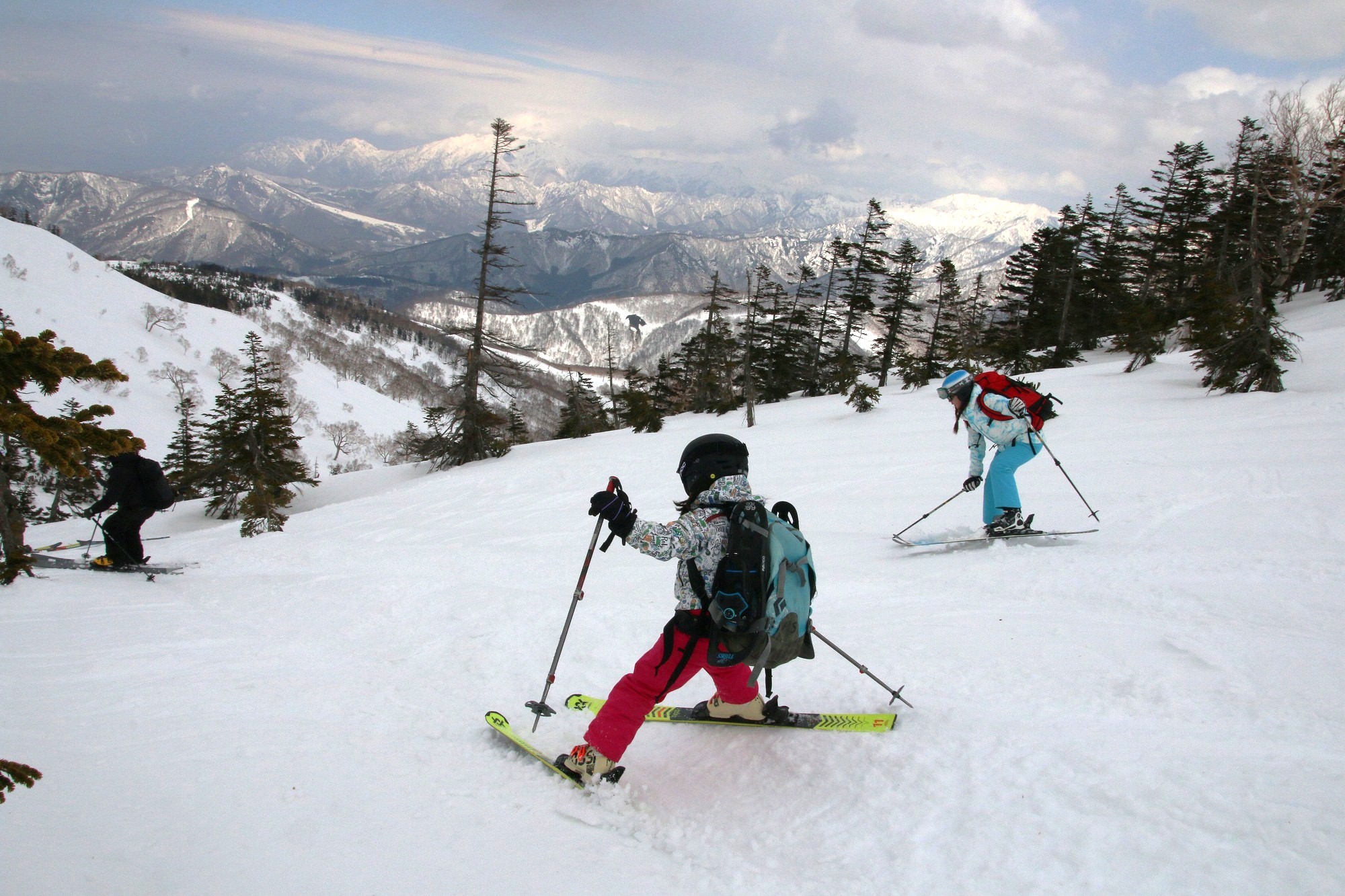
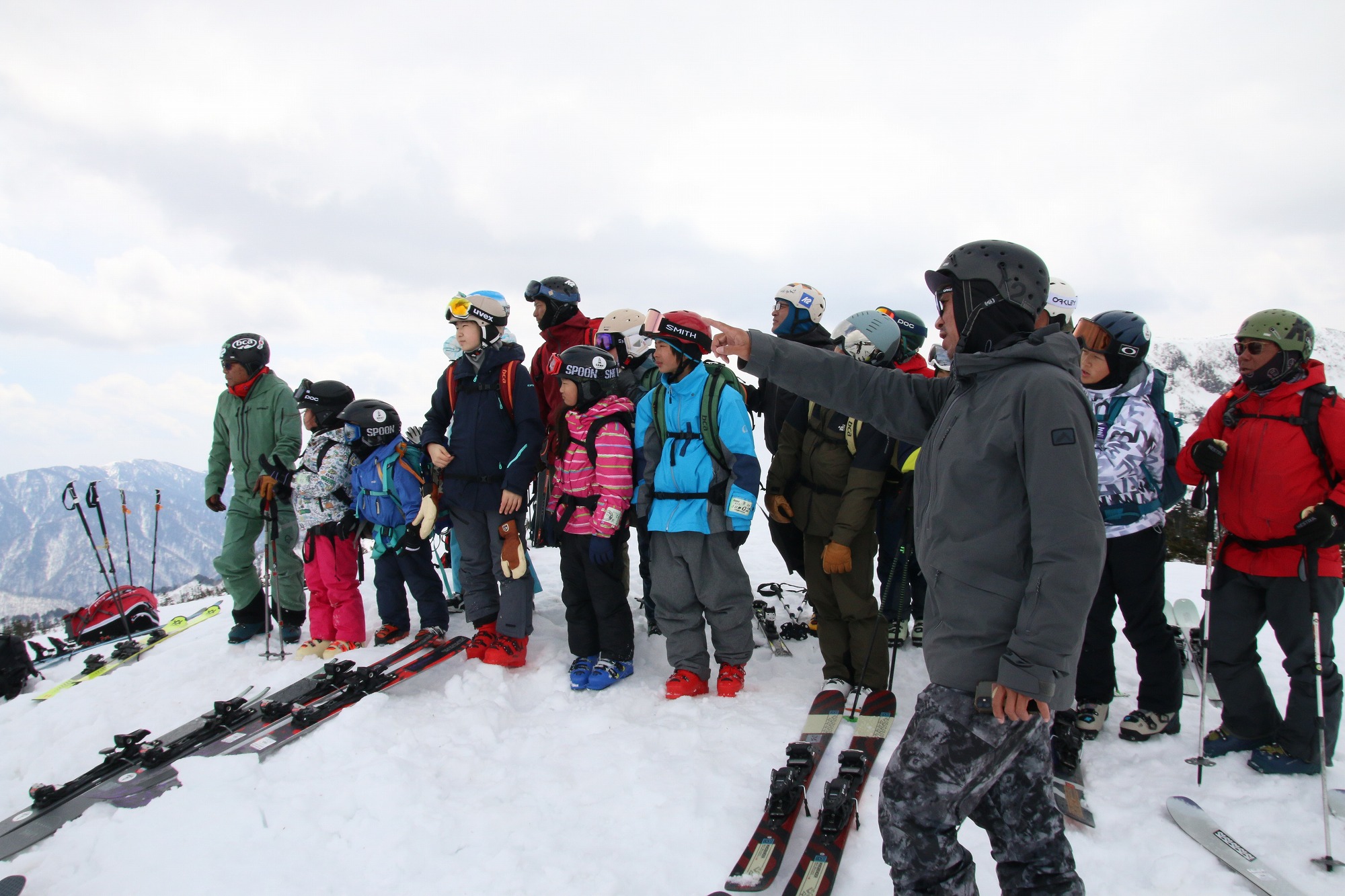
Blessed with good weather, everyone tried backcountry skiing on the second day. Passing through the gate to the backcountry at the top of the Kagura No. 5 Romance Lift, everyone put on skins and started skiing. Children whose skis did not fit skins used A-frames to carry their skis and climbed on snowshoes
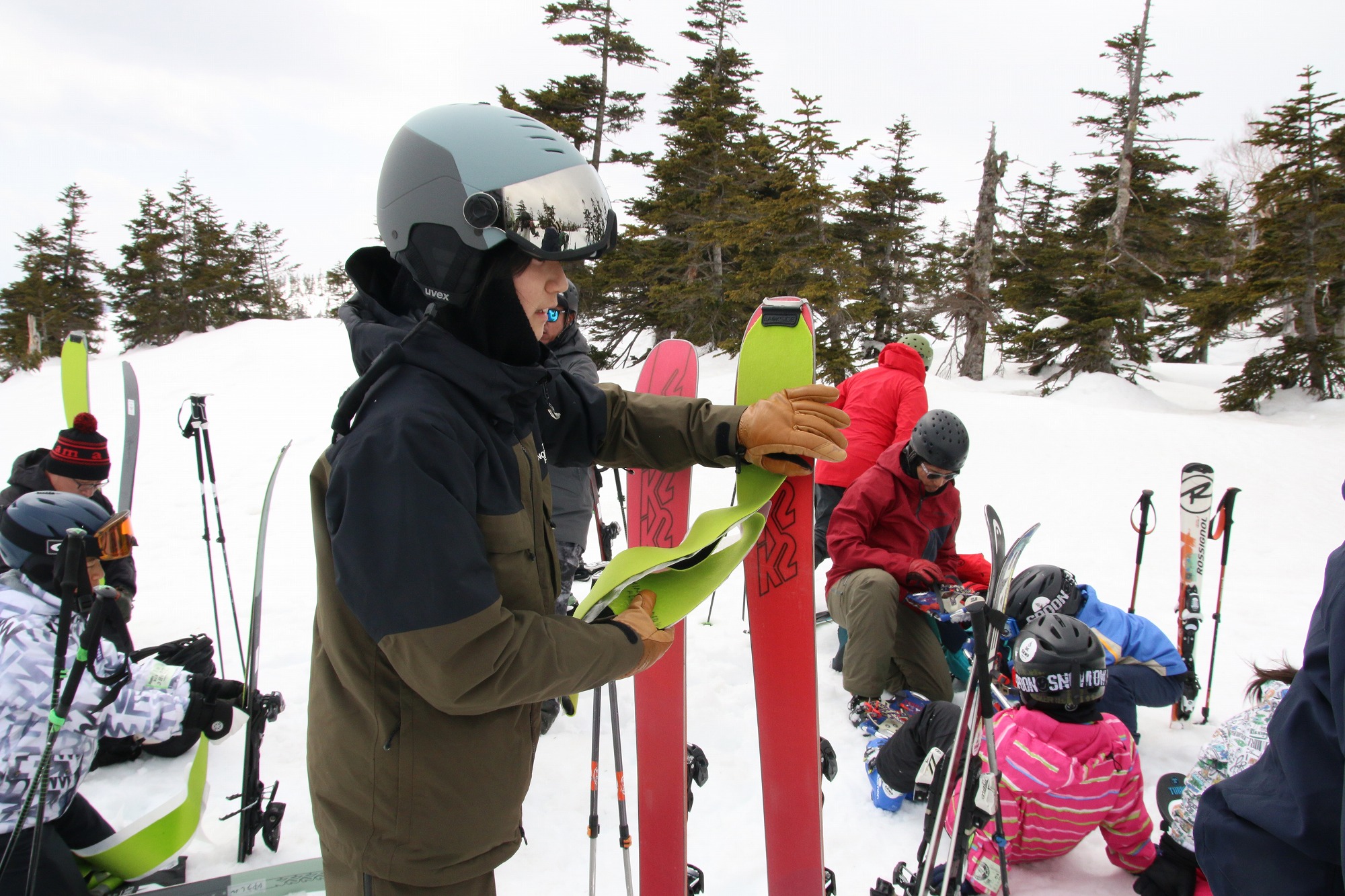
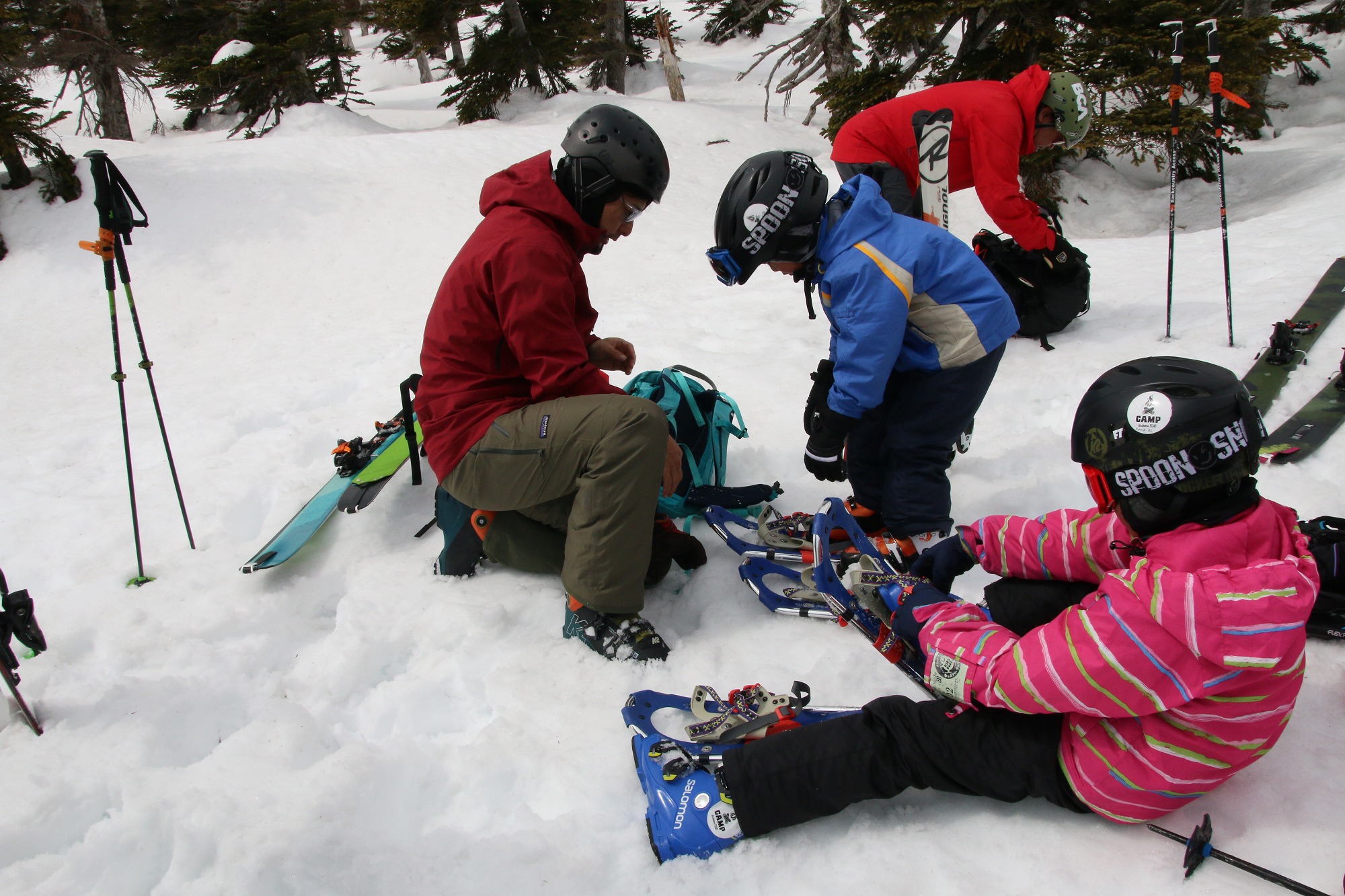
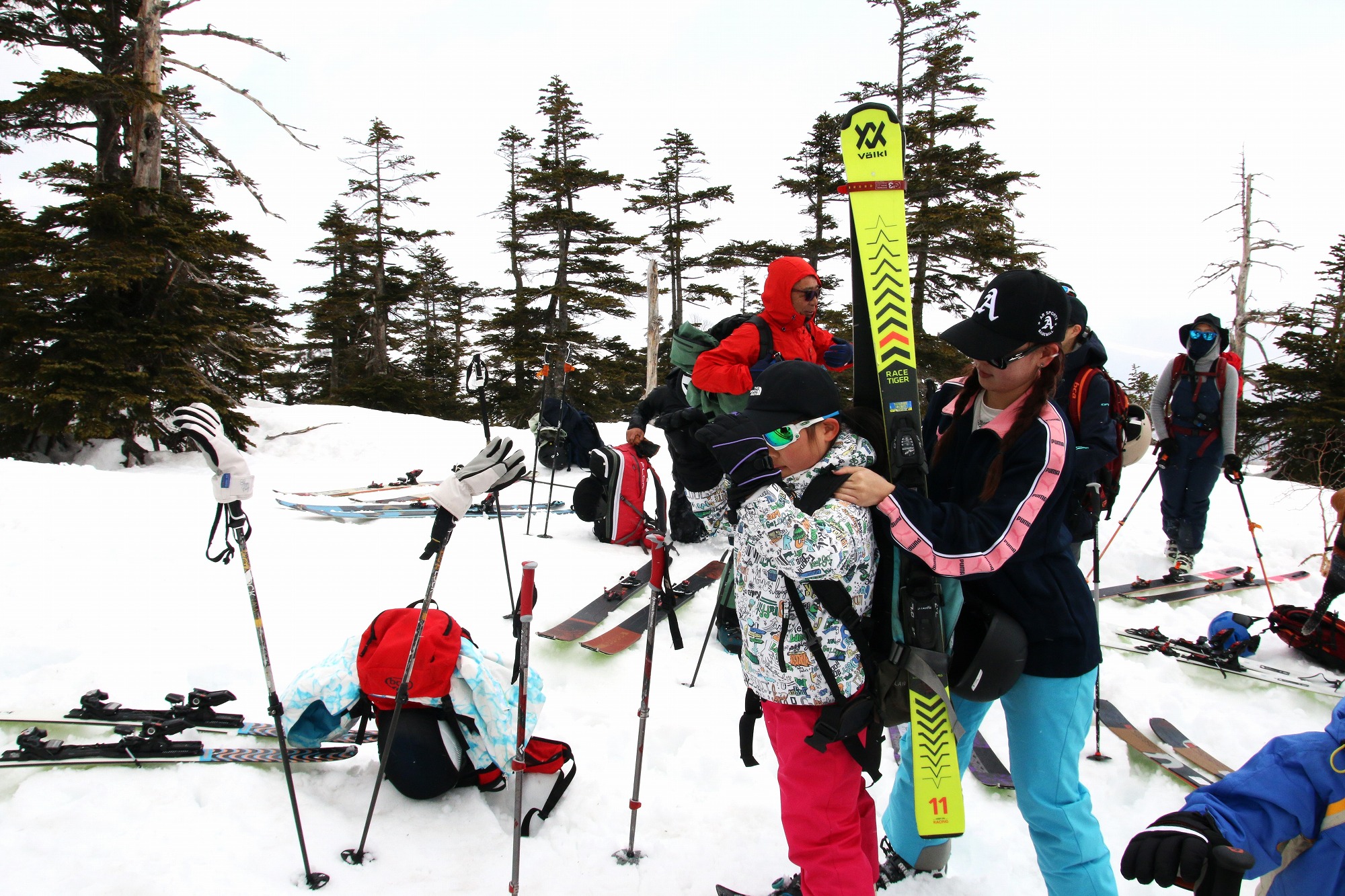
It takes about 80 minutes for children to climb using snowshoes from the gate to the summit of Kaguramine, at an altitude of 2,029 meters, with an elevation difference of 184 meters
Everyone climbed at their own pace. The youngest was a first-grader. The junior high school students made good progress, but the younger elementary school students seemed to struggle. Some were so exhausted they burst into tears
Even children of all ages will fall many times when walking on unfamiliar skins or snowshoes. However, as they continued to climb, the children around them would naturally lend a hand and help them up. One third-grader girl carrying her skis started to hurt her feet midway and was no longer able to walk, but a middle school boy offered to carry her skis for her, and she too refused to give up and continued on to the summit
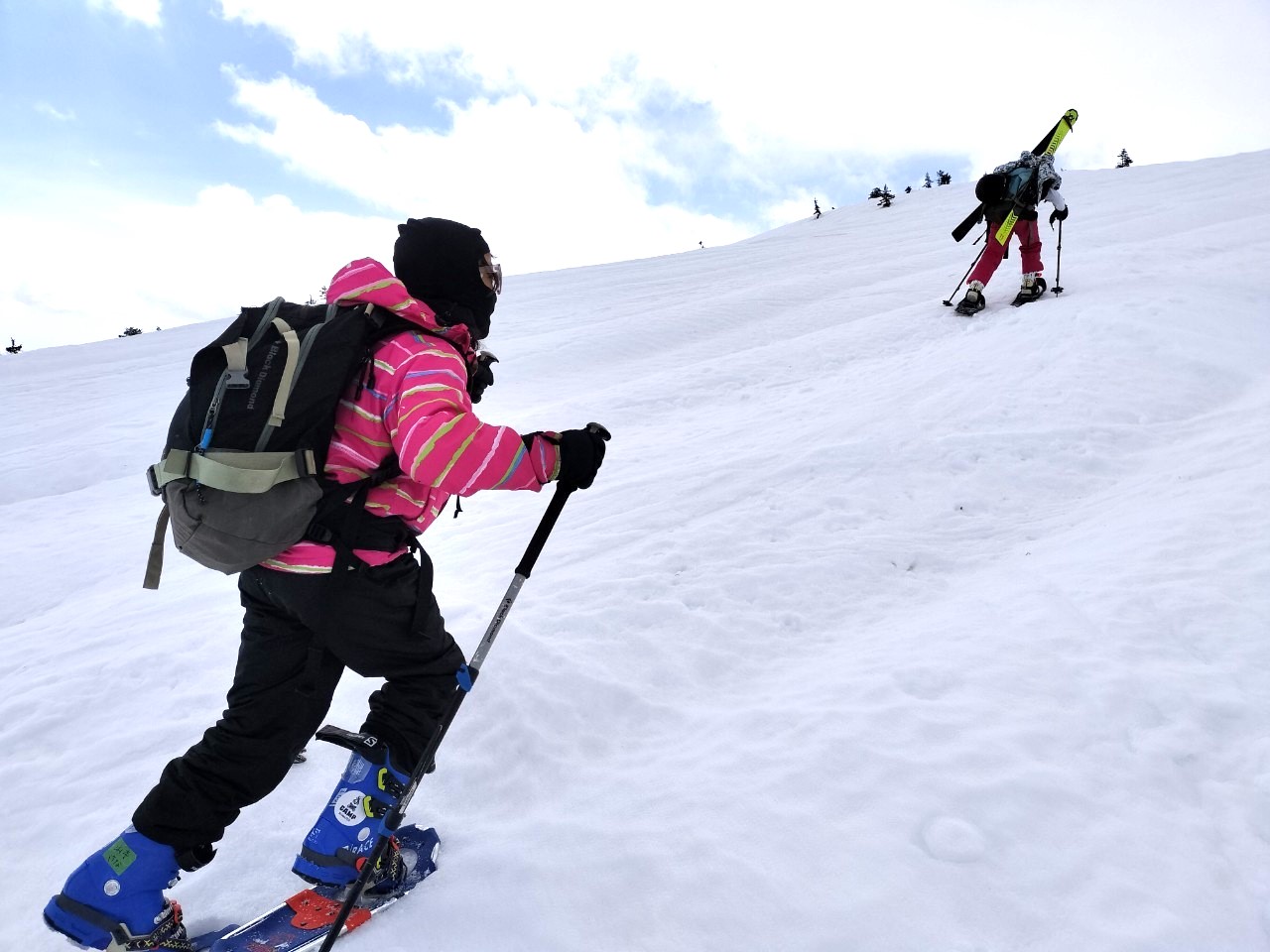
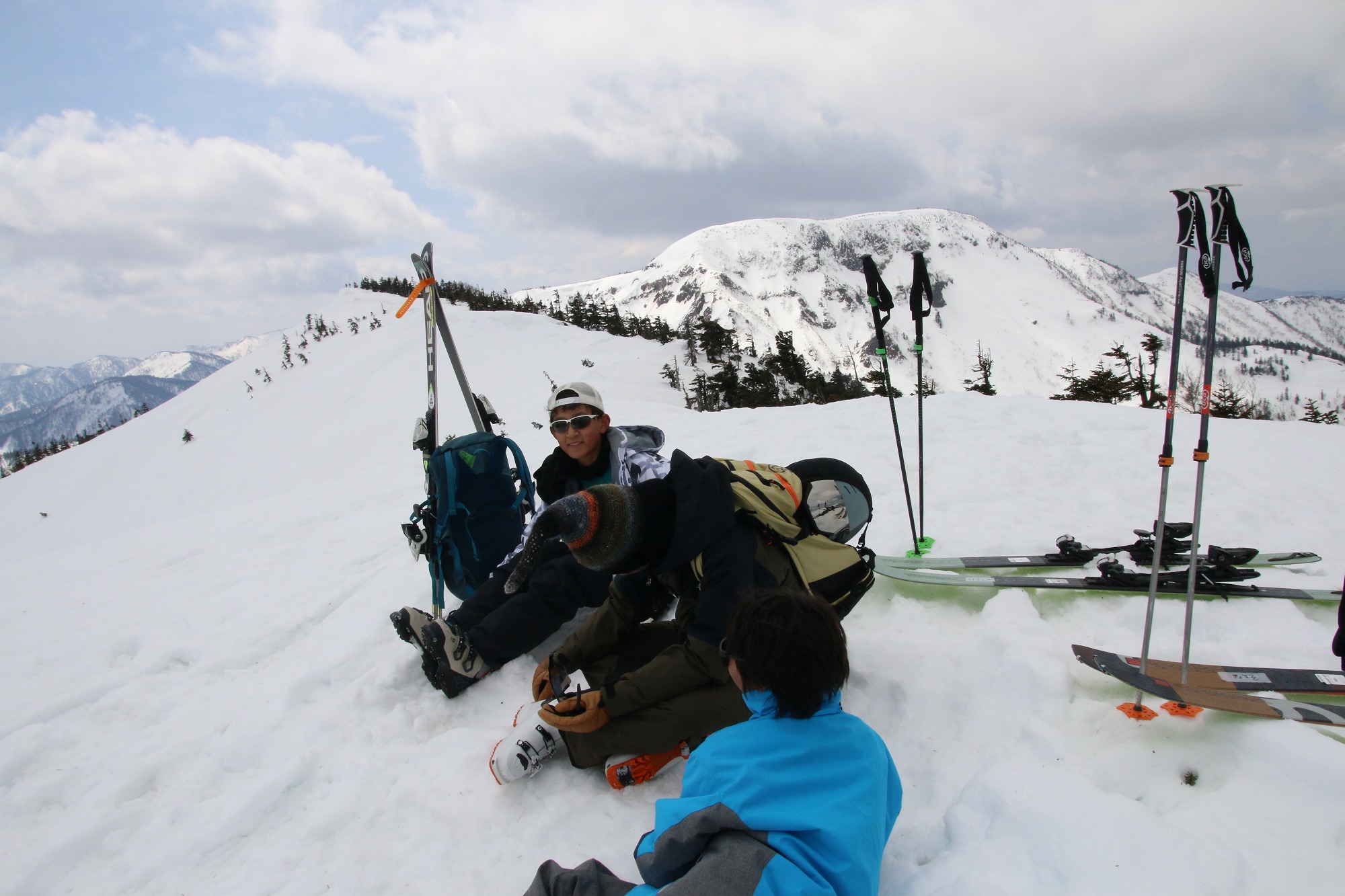
On the other hand, the supervising staff do not help the children more than necessary even if they fall
"What are you doing? Eh? You're sleeping there? Okay then" "Well, see you tomorrow then♪" "Eh? You're getting up? Eh? You're going? You can do it!" "Let's go then"
Although he speaks in a gentle tone, his words are not sweet
Instructor Morimoto says:
In fact, children can do just fine if adults don't do anything. There are too many adults who interfere too much, and we live in a society where we're too often told "this is right." Well, that's easier for adults. But we just watch over them and wait patiently. It's quite hard, but children grow up fine that way
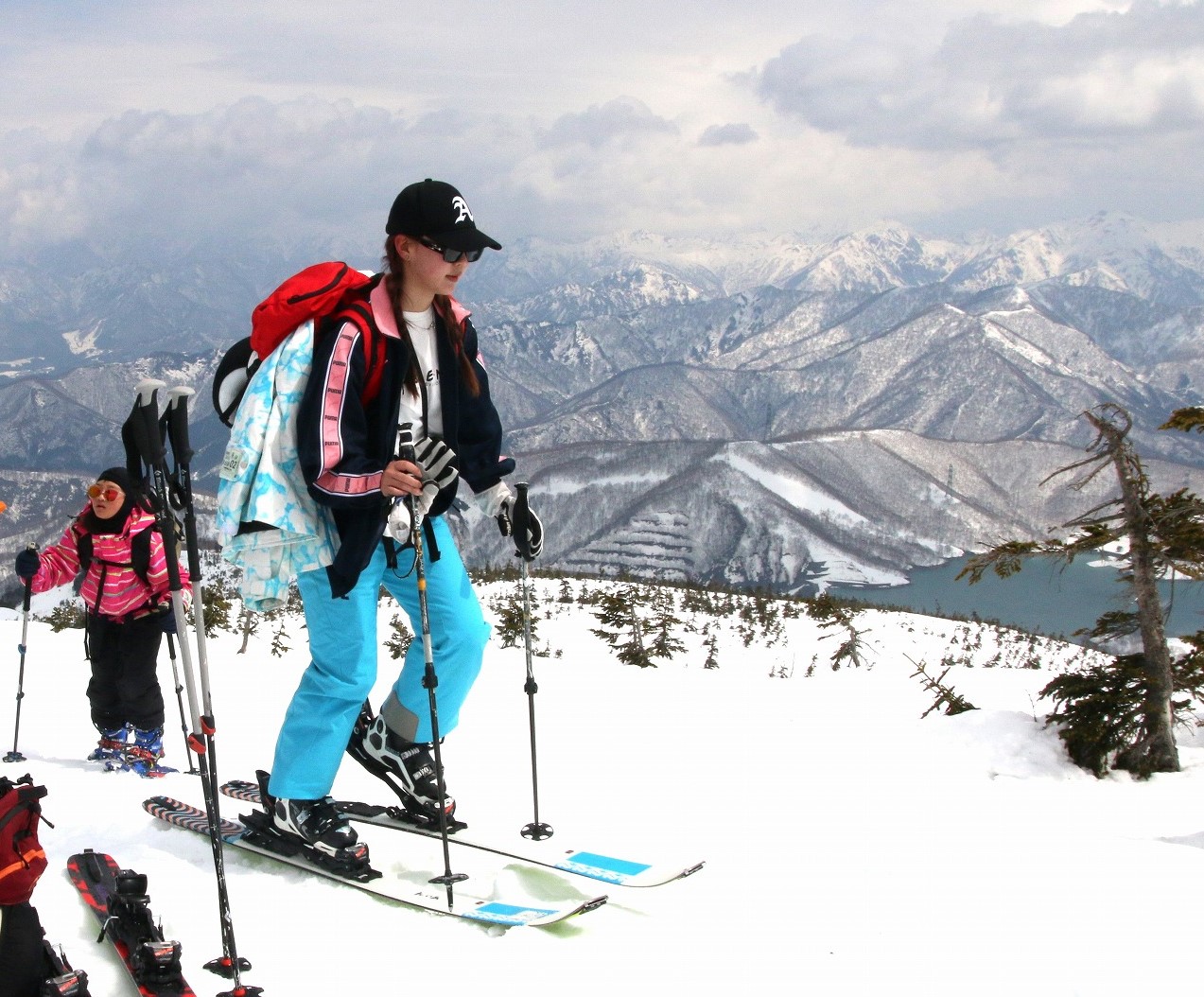
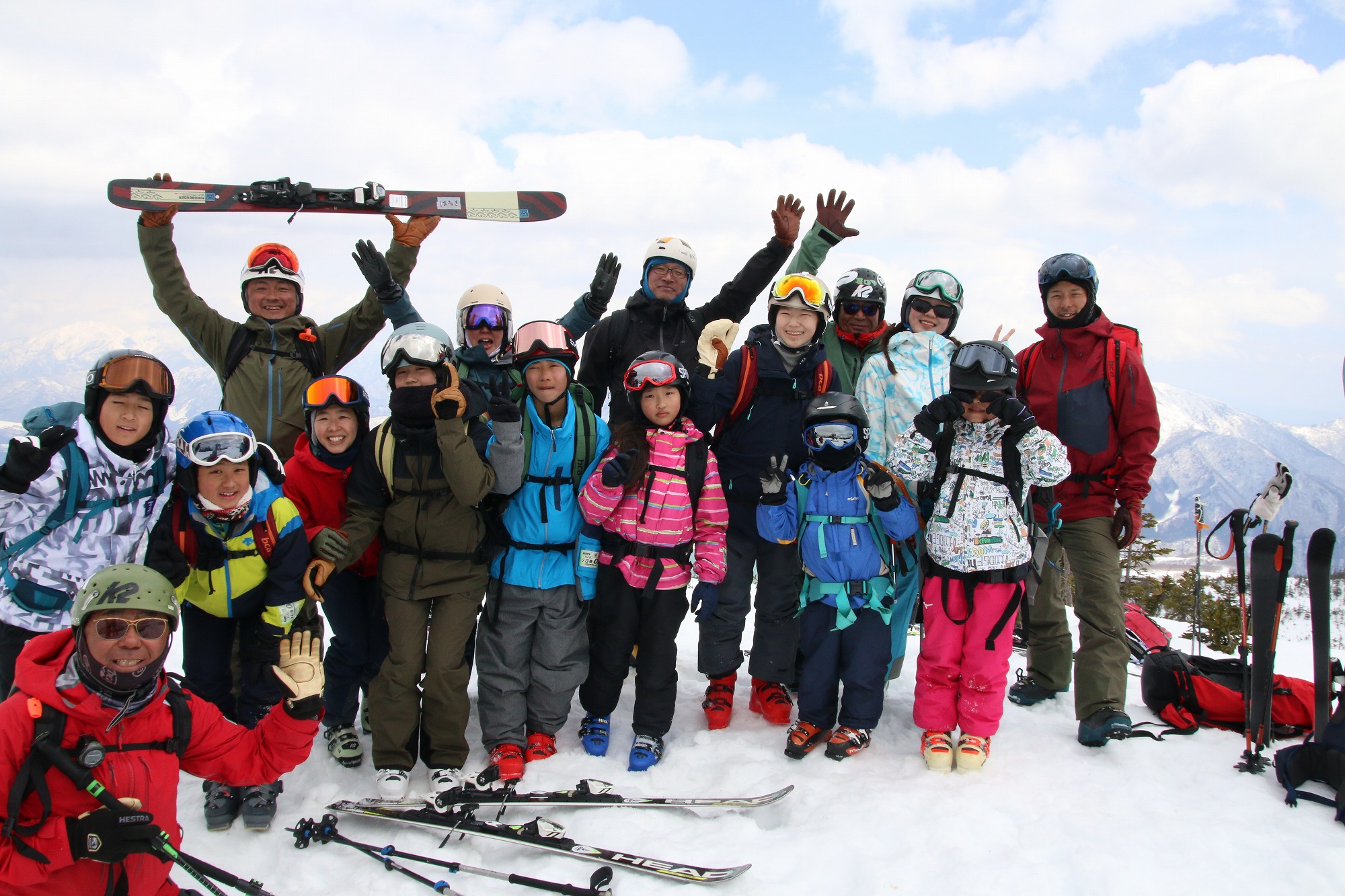
In the end, everyone made it to the summit that day, including not only those climbing using snowshoes, but also the 7- and 8-year-old elementary school students who climbed carrying their skis
From the summit, Mount Naeba spreads out before our eyes, with the Myoko mountains behind it and the Northern Alps fading into the distance. Looking ahead, we were greeted with a 360-degree panorama of the Tanigawa mountain range and the Echigo Sanzan mountains. We all took a commemorative photo, and the smiles at 2000m above sea level were simply amazing
I asked the crying boy, "Why did you start crying while climbing?"
"I think it was because I couldn't walk well and everyone else had gone ahead and didn't wait for me. But I was happy that I made it to the top," said K (7 years old)
After reaching the top, he gave us a refreshing smile
Guiding children safely into the great outdoors
Well, leading adults through the backcountry is difficult enough, so we wanted to answer the question of why they planned a tour for children. Koichi Sakata, director of the Kobe YMCA, which organizes the camp, says:
The purpose of camping is to raise people who will be needed in society in the future. To achieve this, it is important for children to have "good experiences" from an early age. But what exactly are "good experiences"? Modern society is plagued by "anxiety about one's personality" and "anxiety about the environment." Therefore, what we want children to experience is "feeling nature, learning from nature, and living with nature" with good friends. Adventurous camping experiences cause children to grow rapidly. They can also have a major impact on children who, whether consciously or unconsciously, worry that "society and school are boring."
Sakata-san
In the summer, we go on expeditions by kayak or canoe, based on Yoshima (Shodoshima). When the environment allows, we catch food from the sea and sometimes pitch tents on the beach and sleep under the starry sky. Backcountry skiing is also treated in the same way as "skis as a means of transportation." Skiing is also ideal for learning about the relationship between humans and their tools. In Kagura, there is a mountain hut called Wadagoya, which is in a great location with excellent access to pristine nature
Primitive
nature refers to an environment that has maintained its original state without being affected by human activity.
It was Igarashi, a tour guide in Kagura, who first suggested to the YMCA that they hold a backcountry camp for children
"More than 10 years ago, we held a similar children's camp at Powder Station. I want young children to experience backcountry skiing, so I'm happy that I've been able to do this together with YMCA Kobe for the past four years."
Igarashi-san
This camp is not something that anyone can participate in just by paying the fee. Participants must have the aptitude to act in a way that minimizes the various risks that await them in the great outdoors, together with their friends
Since strangers are gathering together and going on an expedition, they need to be equipped with the bare minimum. Simply put, they need to be decent people. Of course, no one is perfect, so that's not what I mean
Being able to greet properly, being able to say thank you, being willing to help someone in trouble, being sensitive to those basic things. It's okay if you're not good at skiing
Morimoto often says, "Would you rather be known as a nasty guy who's good at skiing, or as a nice guy who loves skiing?" If you're a
Sakata-san
good skier but can't say hello or help your friends, you can't travel with someone like that in the wilderness. This is something he clearly communicates to both children and their parents.
The participation fee for the three-day, two-night trip is 68,000 yen. This includes rental fees for backcountry skis, boots, and avalanche gear, as well as accommodation, meals, guide fees, and even some transportation costs. The organizers' profit margin is frankly slim. This camp is a special one, with the sole purpose of nurturing children through an adventurous experience, and profitability is not a consideration
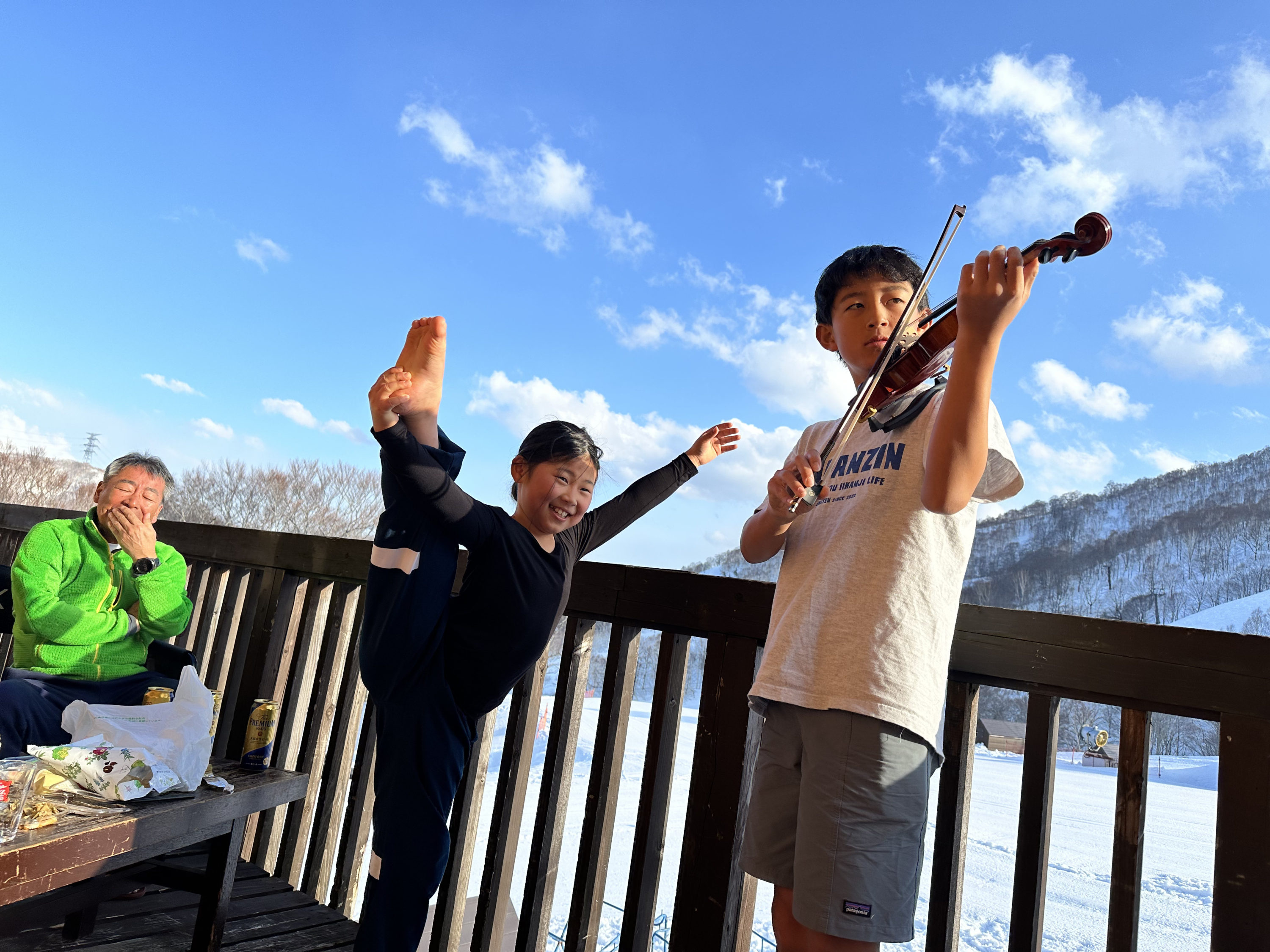
What it means to get your kids involved in backcountry camping
What do parents think when they send their children to backcountry camping? Because they climb snowy mountains on their own two feet and ski down ungroomed slopes, the risks are several times higher than with regular skiing. There are no lifts, rest houses, or toilets. Backcountry is a world where things that are normally taken for granted are not
Sakata says
We never tell parents that if they leave it to us, they'll have a safe and secure camping experience. Of course, we control risks and make thorough preparations to increase safety, but the risks of adventure increase in direct proportion to the appeal. Parents fully understand this before letting their children participate
By the way, did all the children who participated come with the intention of trying backcountry skiing?
"No, I think I'm participating with the feeling that those people will take me to some interesting places again (laughs)."
Sakata-san
When I asked the children what they thought
"This is my second time backcountry skiing. It's not scary, it's just fun." (U-kun, 12 years old)
"The slope from the top was slippery and I was a bit worried, but it felt great in the forest. I'm glad I was able to go to places like this without a guide." (S-chan, 12 years old)
"The backcountry was tough, but the view from the top was amazing. I want to come back again." (M-chan, 14 years old)
"The skis were heavy and it was hard to walk, but I was happy that I was able to climb." (K, 7 years old)
"It was my first time in the backcountry, and I was a bit scared, but I'm glad I was able to go with everyone." (H, 10 years old)
Although the children were aware of the special feeling of carrying beacons and using stickers to hike the mountains, at their core, they seemed to have an easygoing curiosity and spontaneity, thinking, "This looks like it's going to be a more exciting experience than any camp I've been to before." And in order to have that fun, the children gathered this time, able to act responsibly. I felt very reassured that there are children who can enjoy this opportunity, and that there are parents and adults who can give it to them
The appeal of backcountry skiing is profound. No matter how many times you ski, there are always new discoveries and realizations. And this time, I was able to observe a fresh side of it. This sport, enjoyed in the great outdoors, has the power to greatly develop not only adults but also children
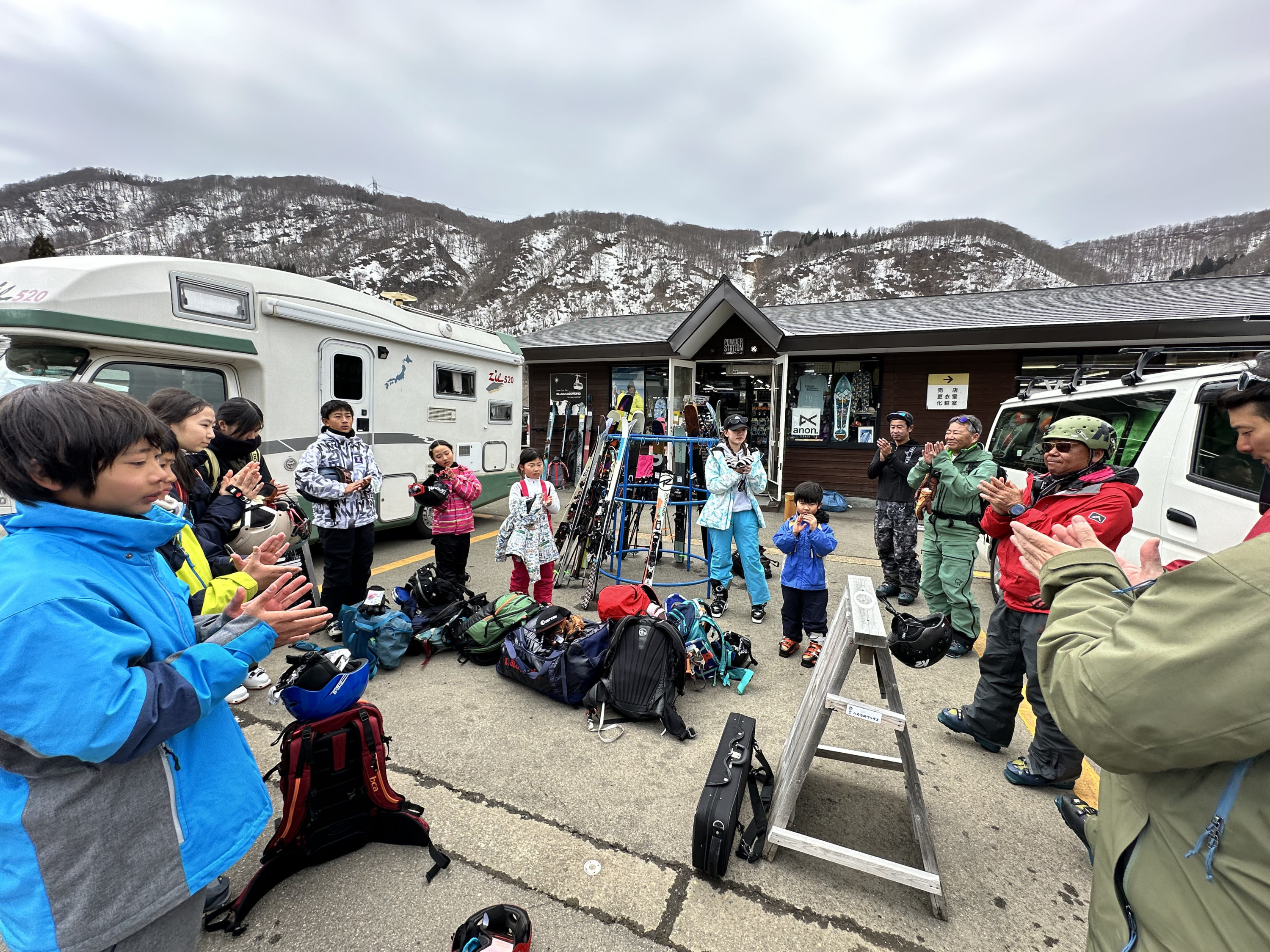
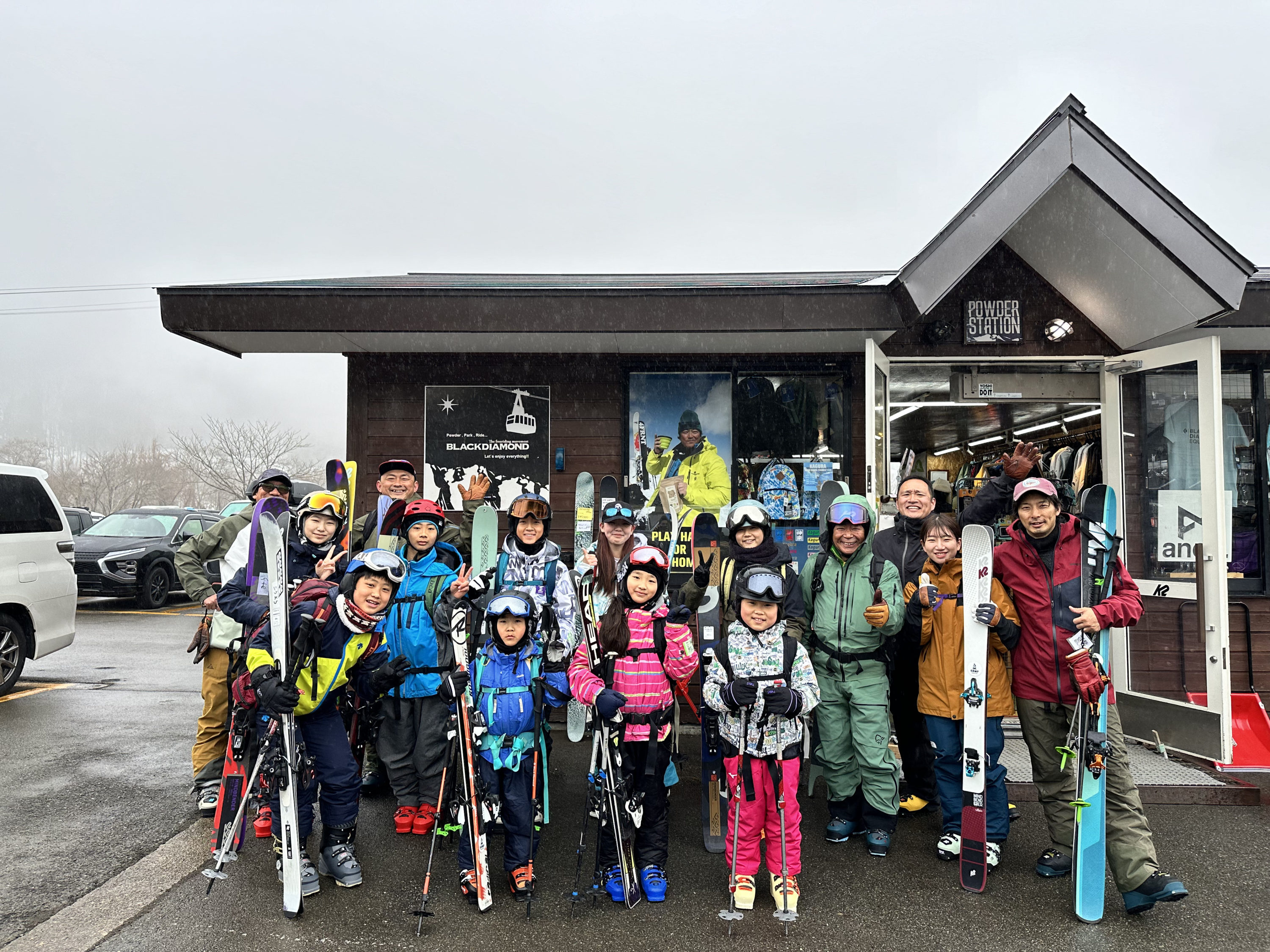
Kobe YMCA Camp
We operate an outdoor activity center on an uninhabited island with a circumference of 2.2km, located 1km off the coast of Kashima, Shodoshima. We hold island camps mainly here. In winter, we hold ski camps at Shiga Kogen and other places
Kobe YMCA Yoshima (kobeymca-yoshima.jp)
*The YMCA (Young Men's Christian Association) was founded in London in 1844 and has since spread throughout the world, becoming an international youth organization with branches in 119 countries and regions. The Kobe YMCA was established in 1886 and operates in Nishinomiya, Takarazuka, Mita, Suma, Sannomiya, Seishin, and Akashi
Interview: HIROSHI OWADA (STEEP Editorial Department)