

According to maintenance professionals
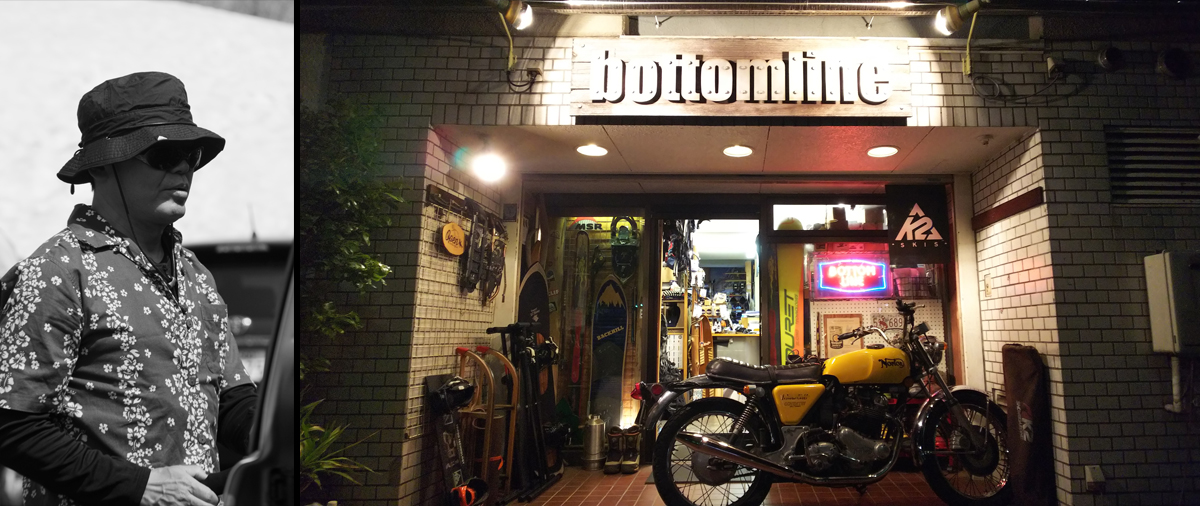
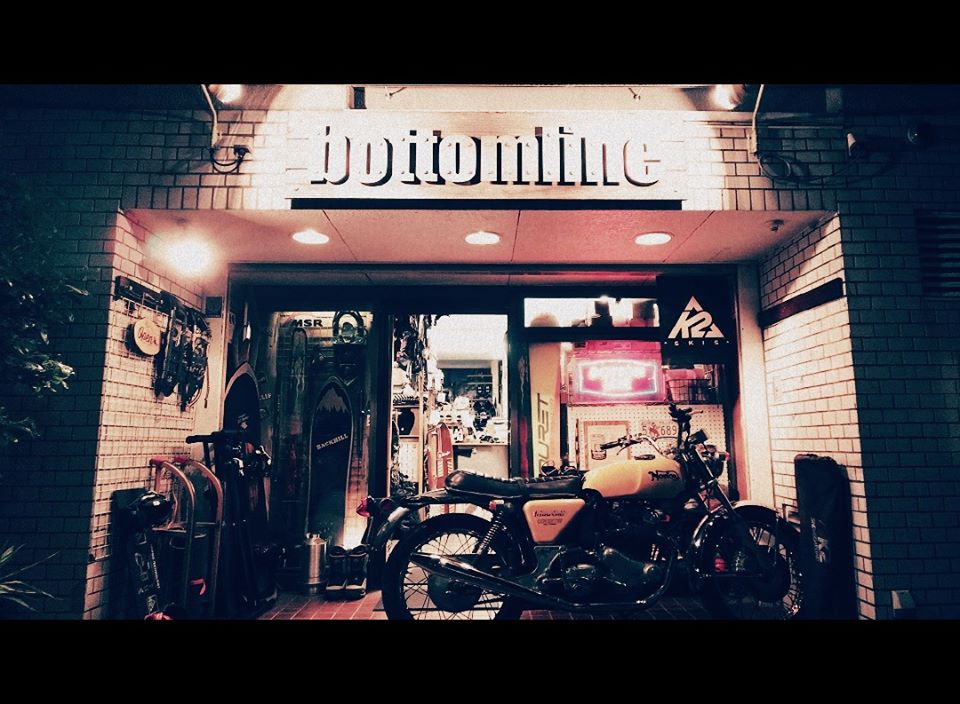
Bottomline, located in Nerima, Tokyo, is a professional shop that opened in 2004 and has been tuning skis and snowboards for over 15 years. They have maintained the beloved skis and snowboards of countless skiers and snowboarders.
Owner Tomoyuki Tabata reflects on the skis brought into the shop.
"The fact that this scratch is here means there's still room for improvement in your riding technique..."
"With this edge, it's hard to appreciate the good qualities of these skis..."
"Why did you choose these skis?"
and so on.
Just by looking at the skis, it's immediately clear what kind of skiing the rider aims for and how they ride them. And you can also see right through the problems the rider has with their skis. That's why there are things that Mr. Tabata wants to convey to the users.
Mr. Tabata has evenset upwhere he serves freshly brewed, high-quality coffee to customers and talks about various things while tuning their skis. For the users, these are stimulating stories, specialized knowledge they didn't know before, and ways of thinking that give them a new perspective.
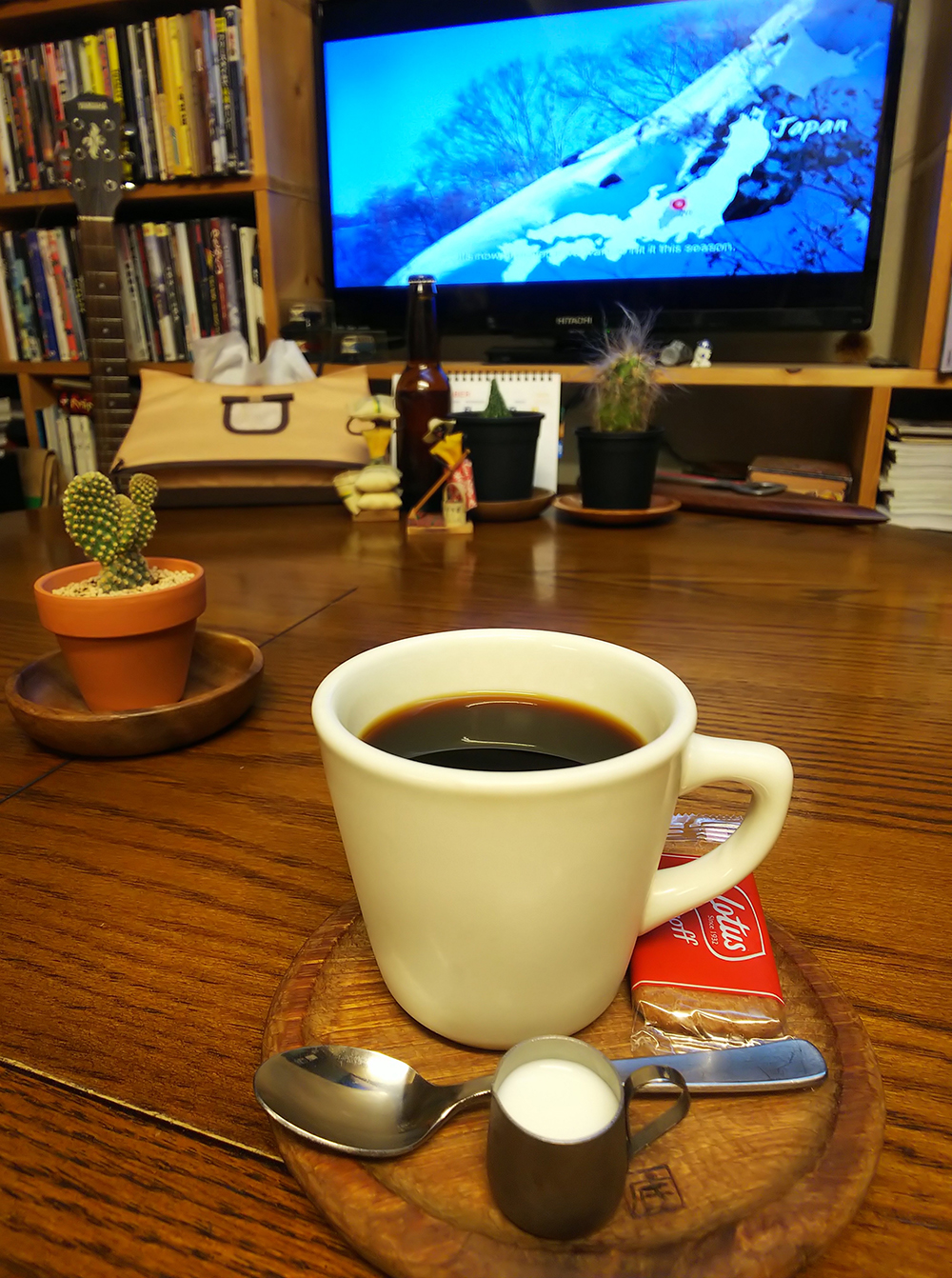
So, let's move the cafe space to STEEP for a while and have Mr. Tabata talk to us.
"If you knew a few more things like this, skiing would be even more fun. You would be able to ski much, much better and more comfortably."
The first topic, Topic_1, is
"Choosing Skis Before the Season - For Those Who Are About to Buy Skis."
For skiers who want to try backcountry skiing (BC), want to ski powder better, but don't know what kind of skis are right for them, Mr. Tabata shared his tips for choosing new skis.
When choosing new skis, especially for those who prefer powder, backcountry, or freeride, here are some things you should definitelyconsider...
Foreign brands are designed for larger Westerners
There's one thing I always think about when choosing skis. Ski shops carry a lot of overseas brands, right? I want to emphasize that skis from Germany, Austria, and America—including fat skis—are basically designed for their home countries or the larger European and American markets. In other words, they're designed for the larger physiques of Westerners. So
, even if you think, "I can go fast with 188cm skis," you might not be able to put enough pressure on them. It's only natural that skis designed for people with a height of 190cm and a weight of 80-90kg won't be able to be fully controlled by the average Japanese person, who isn't that big on average. If you choose skis based only on length, brand, and width, you won't be able to ride them properly. You might be able to ride them, but you won't be able to bring out the fun. So, you should pay close attention to that when buying.
Japanese men, who are often around 170cm tall and weigh 60-70kg, are about the same size as large foreign women. So, women's skis might be a good option. They can be easier to ride. When choosing a snowboard, don't just assume it's a men's board and a women's board; it's best to talk to the shop staff about it.
Let's say there are three lengths: 170, 180, and 190. You'd better estimate the height of the Westerners who are the target of these lengths. In other words, 190 is for the largest men overseas, the ones who can go the fastest
I think many people in Japan tend to choose skis that are over-specced. They tend to think that longer skis are better for powder, but that's not necessarily the case. 180cm is average for skis overseas, and 170cm is for petite people. If you think that the longer the ski, the more float you'll have, you should take a step back and think about it
As a result, with a backcountry ski, it's easier to handle tight boards in trees and other places, making for a fun and comfortable ride. It's a good idea to discuss this with the staff at the ski shop. Don't get distracted by the brand or length, but make sure to consider your physique
In addition to your body weight, the weight of your backpack is also a factor, but needless to say, the most important thing is to balance it with the maneuverability of the board
Slopes or mountains?
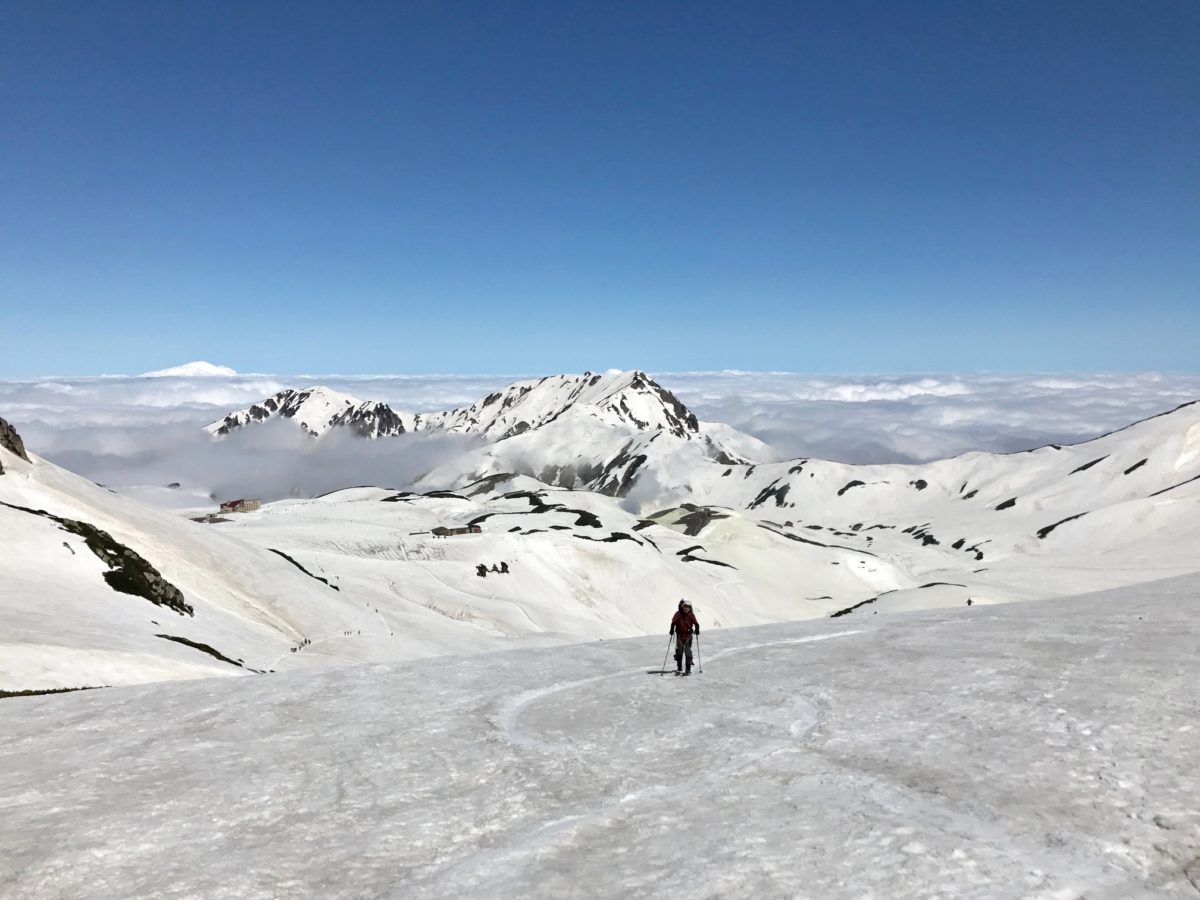
Another question is whether you'll be skiing on a groomed slope or in the mountains.
It's a common story, but if you try out skis at a groomed slope event, you benefit from the lifts, and you can ride even skis that are relatively long, stiff, or heavy. You buy a ski that feels good there, but then when you take it to the backcountry, you find it's too much for you.
You're carrying your gear uphill, using your energy to ski down slopes with various snow conditions. The top might be powder, but from the middle to the bottom, it might be crusted or bumpy, and skiing while adapting to various conditions puts a strain on your body. Considering the fatigue from hiking up and the skiing itself, choosing a model that you like on the slopes will end up being overkill.
So, if your main focus is riding in the mountains, it's a good idea to go down a level. For example, go down a size in length or choose one with a softer flex. In any case, if you don't buy with the assumption that you'll be skiing outside of a groomed slope, you'll often end up with something different from what you imagined and make a mistake. For example, "It felt great on the slopes, but when I went to the mountains, I was going too fast and couldn't ski the way I wanted. I regret it!"
If you're a first-time backcountry adventurer,
If you're new to backcountry skiing, buying new skis specifically for backcountry is certainly an option, but it's best to start by using the equipment you already have. You won't be able to use brand new equipment if you're not familiar with it. Unless you have racing-style skis, I think it's a good idea to try backcountry skiing with your current skis for the first time. Carrying your
skis up the mountain with snowshoes will teach you a lot of things and help you understand what you need. You might realize that carrying skis is heavy, or that you should buy skis with bindings for climbing. You
don't need backcountry skis from the start, so why not ask your guide for advice the first time? For example, "I'm used to using carving skis with a waist of X millimeters, can I still participate in a tour with these?"
And if you do decide to buy new skis, you should tell the shop what kind of skiing you've done before, where you want to ski, your physique, and your physical strength. It's best to choose a shop that will give you thorough advice on these things.
And if you get new skis, make sure you practice on the slopes first to get your body used to them. You never know what's going to happen on the mountain. There's a chance you might not be able to ride them properly, so it's best to break them in thoroughly on the slopes. There are a lot of people who neglect this step. If you come to the mountain and say, "Today's the first time I'm putting them on, I need to put the stickers on," it's bound to be a struggle, no fun, and dangerous
What I feel most is that skis are a vehicle. Do you want to ride around town or off-road? If you think of skis like choosing a car, you can get an idea of what kind of skis are best for you
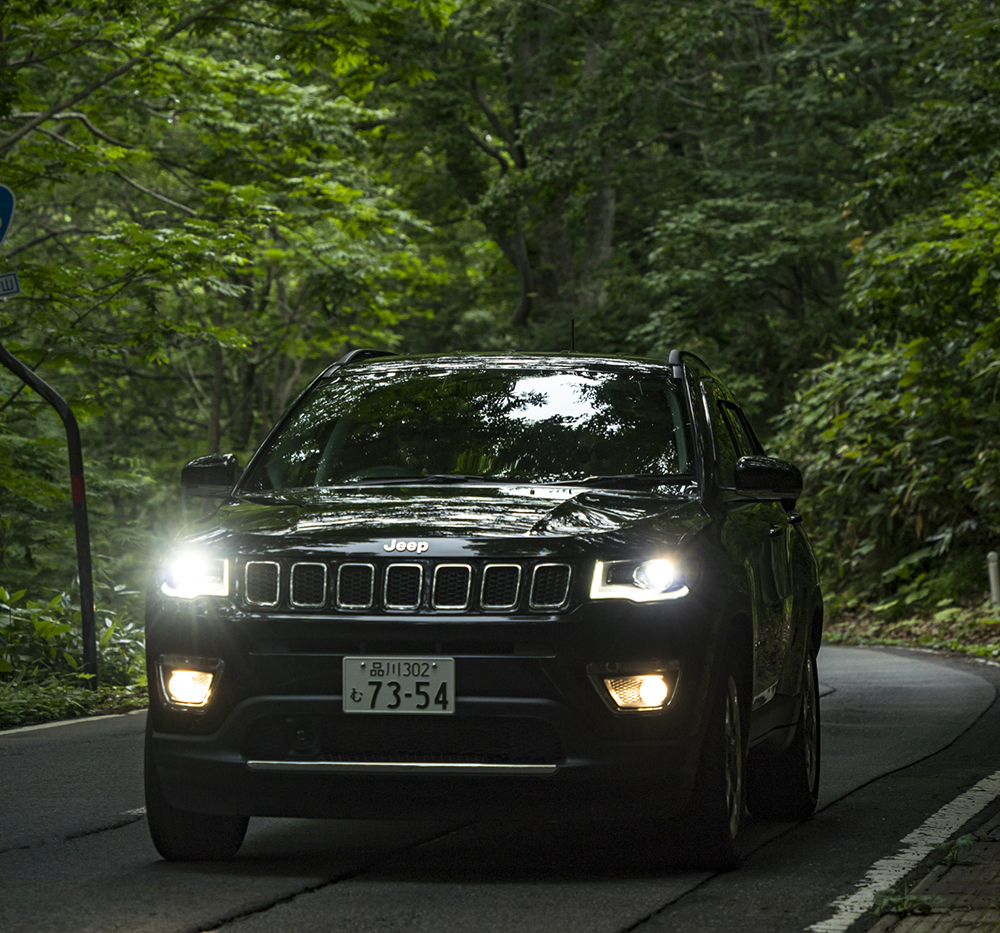
Skiing is a vehicle
In racing and other sports, skis are often described as equipment, but for me, it's more accurate to call them a "vehicle." Skis transport us to the vast, snowy wilderness and allow us to encounter landscapes we've never seen before.
In that sense, they are a vehicle, but essentially, I think they're the same as cars in that where you're going to ride, how you want to ride, and how you want to use them are important. Are you going to drive around town or off-road? Are you going to use them just for shopping or for everything? Do you want something that's easy to maneuver, or something big and sturdy? Or what kind of trip do you want to take?
If you choose skis in the same way you choose a car, I think it becomes easier to imagine what kind of skis you want.
The first one is..
It's good to have one bike with a waist of around 90mm. Imagine a 4WD like a station wagon. It can handle slightly rough roads and can carry luggage. It's an all-around bike that can handle even slightly bumpy terrain, and it can also carry luggage. If you have one of these mid-fat bikes, you can use it on the slopes and in the mountains

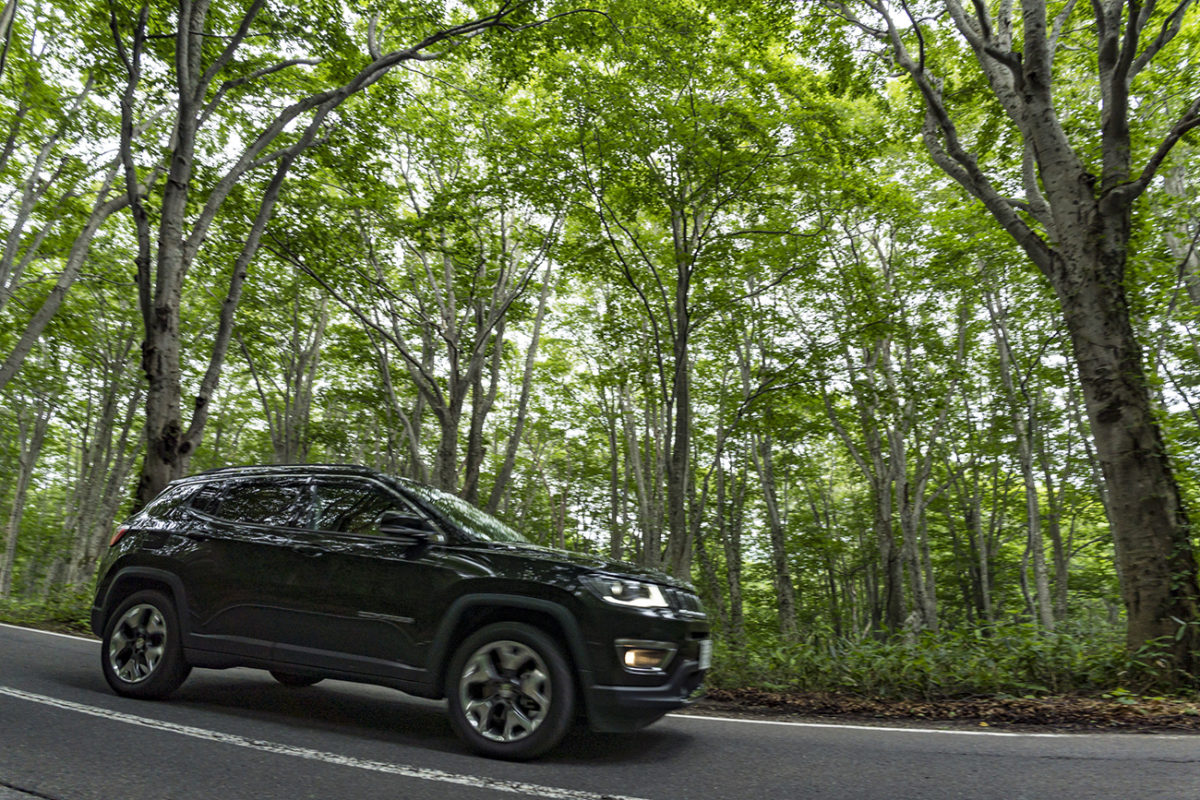
A waist size of 100mm or more is like the trendy SUVs of today, and anything over 120mm is like an even more powerful SUV, like a Jeep or Land Cruiser, an off-road 4WD that can even drive in the desert. With that in mind, a 90mm range that handles both on and off roads is recommended as your first vehicle
If you're not switching stances, the tail doesn't need to be raised. A slight kick is fine, but the tail can be straight, and rocker isn't really necessary.
Related articles you might want to read
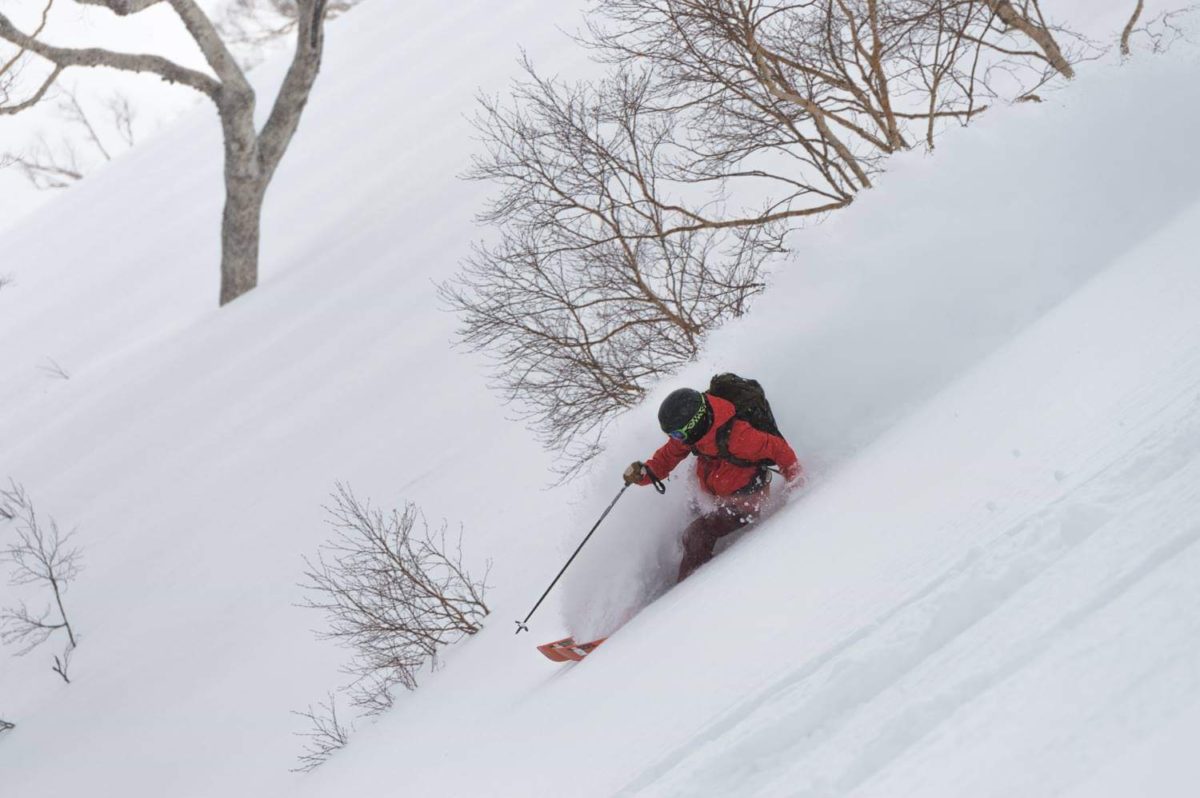
If you have a beloved car, there are some things you need to do to make it more comfortable and safe to drive. What do you think they are? Let's think about it in terms of the three basic functions of a car: running, stopping, and turning
The basic functions of a car are "running, stopping, and turning." If these functions are not functioning properly and the car is jerky, it will not function properly
Wax needed for good running
In terms of "running," what skis need to run well is wax. It's like engine oil in a car. You're not racing, so you don't need to use expensive engine oil. What's important is to change the oil properly and keep the engine running smoothly. It's
the same with skis; you don't need to apply special wax, just apply a basic wax that's appropriate for the temperature range regularly. When the base of the skis becomes white and dry after skiing,like in a car. Wax is there to protect the base of the skis. When the wax is gone, the base is directly exposed, and the friction with the snow surface increases. When this happens, the skis won't run smoothly.
If you can't stop properly, you can't ensure safety
If the edges are rounded, you won't be able to stop on ice. When you think about the basic performance of a car, the edges are responsible for the brakes, which are the part that allows you to "stop."
Just as a car with faulty brakes is dangerous, skis with dull edges are extremely dangerous. It might be okay if you're only dealing with fresh snow, but there are various types of snow on groomed slopes and in the backcountry. If the edges aren't properly functional, the stopping function won't be adequate. Brakes need to be maintained.
What you need to "bend" as you want
When it comes to turning, the relationship between the edge and the running surface comes into play. A car's steering wheel has just the right amount of play; without it, you have to hold the wheel tightly all the time, which is very tiring. Racing cars have no play, and cornering is done very strictly. That's because racing is an extreme world where you compete for time. But a passenger car can't run properly without play
If you don't leave some play in the shape of the edges of the skis and the base, you won't be able to handle various turns, and if there is play, it will be easier to ski on various runs
Adding an angle to the edges, especially the base edges, makes them easier to turn, much like the play in a steering wheel.New skis usually have flat 90-degree edges. They'll still move and turn, but to make them turn more easily, you need to add some play to the steering. Customizing them to your liking will make turning more comfortable.However, this is a bit difficult to do yourself. It's best to have this angle adjustment done at a ski tuning shop.
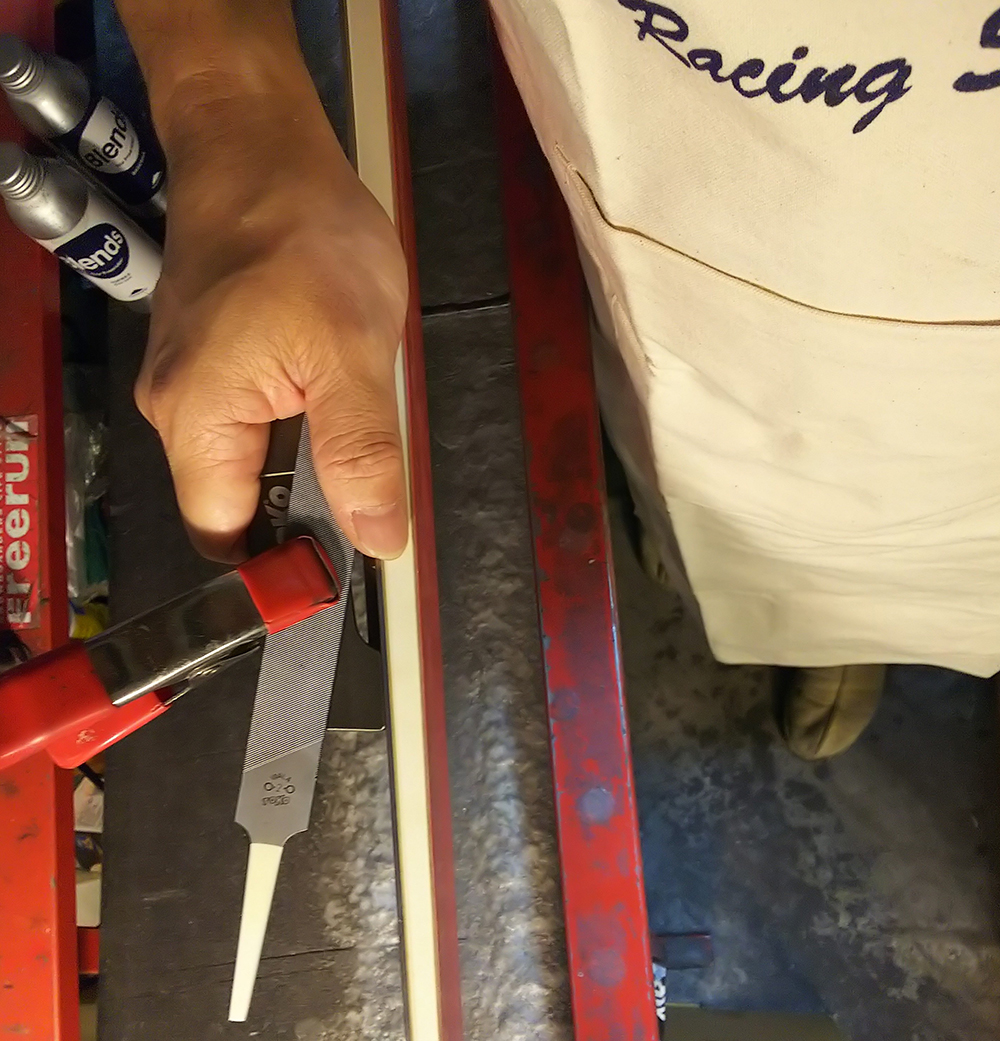
To ensure the three functions of running, stopping and turning are performed properly
Running, stopping, and turning are the basics of a vehicle. It's important to do these three things well. Of these, waxing your car's oil change is something you can do yourself. Ask a professional for tips on how to do it well
Regarding braking and edges, which are essential for stopping, it's not impossible to do it yourself, but it requires specialized tuning stands and tools. As for adjusting the relationship between the base and the edges for turning, it's best to leave that to the professionals. When you do, you need to have a proper conversation and explain how you plan to use your skis. Otherwise, the skis may end up being difficult to
turn. Using a tune-up allows you to control your skis exactly as you want, making them safer, more fun, and making you want to go skiing more often.
Comparing it to cars in this way makes it easier to understand because there are many overlapping aspects.
In the next topic_2, I'll talk about the knowledge and methods of waxing related to "going, stopping, and turning," how to handle edges, their relationship with the base, and tune-ups that take into account your skiing preferences.
bottomline
http://bottom-line.jp
"The reason we named the shop 'bottomline' is to evoke the image of a 'top-to-bottom' gliding line, and also because we wanted to create a shop for everyday users, including those at the bottom, rather than a shop for top athletes pursuing their skills. Like a local bike shop, we'd like to continue listening to the sound of your engine and asking questions like, 'Could this be the reason it's not working properly?' so that everyone can ride comfortably."
Profile:
Tomoyuki Tabata,
born in 1967, from Chiba Prefecture. In the late 1990s, he worked at a ski shop that was located in Jiyugaoka at the time. After that, he learned about tune-up techniques and opened his own shop, "bottomline," in 2004, combining those skills.
The person who taught me : Tomoyuki Tabata (bottomline) Composition: STEEP Editorial Department