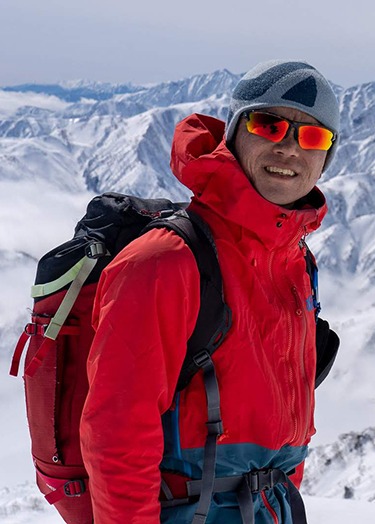

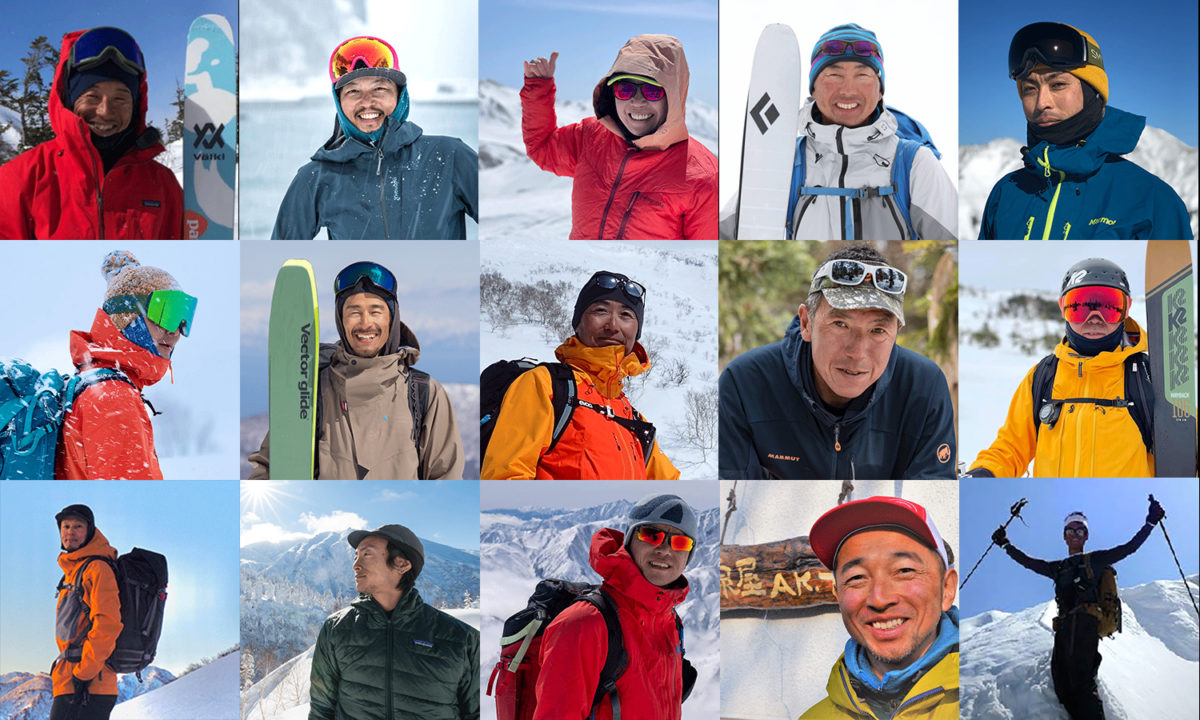
Snowy mountains are always at risk of bad weather and extreme cold. In the depths of winter, you may be hit by blizzards and low temperatures, and in spring, you may be forced to hike for long periods under the intense sunlight. Even in such harsh natural conditions, backcountry guides must act appropriately while ensuring the safety of their guests. To do this, it is important to stay in good condition so you can move freely. We asked the pros what kind of layering they use in the mountains and what their impressions are
*For detailed information about a guide club, click on the guide club name and go to the guide club introduction page on STEEP!
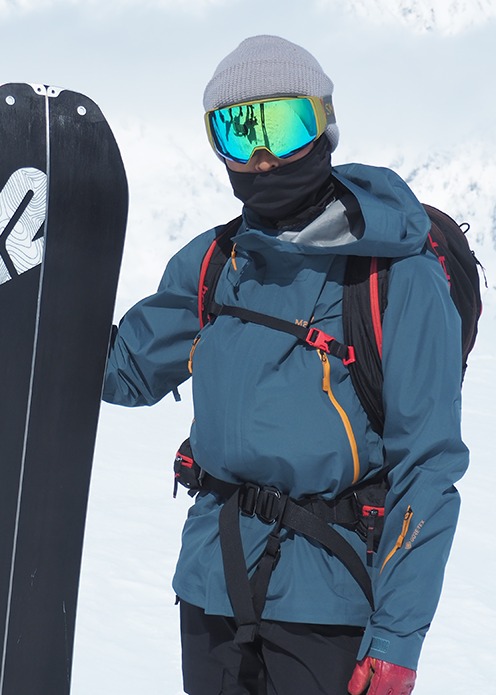
Bantei ~Bamboo Tail~ (Bantei) | Takeo Yuu
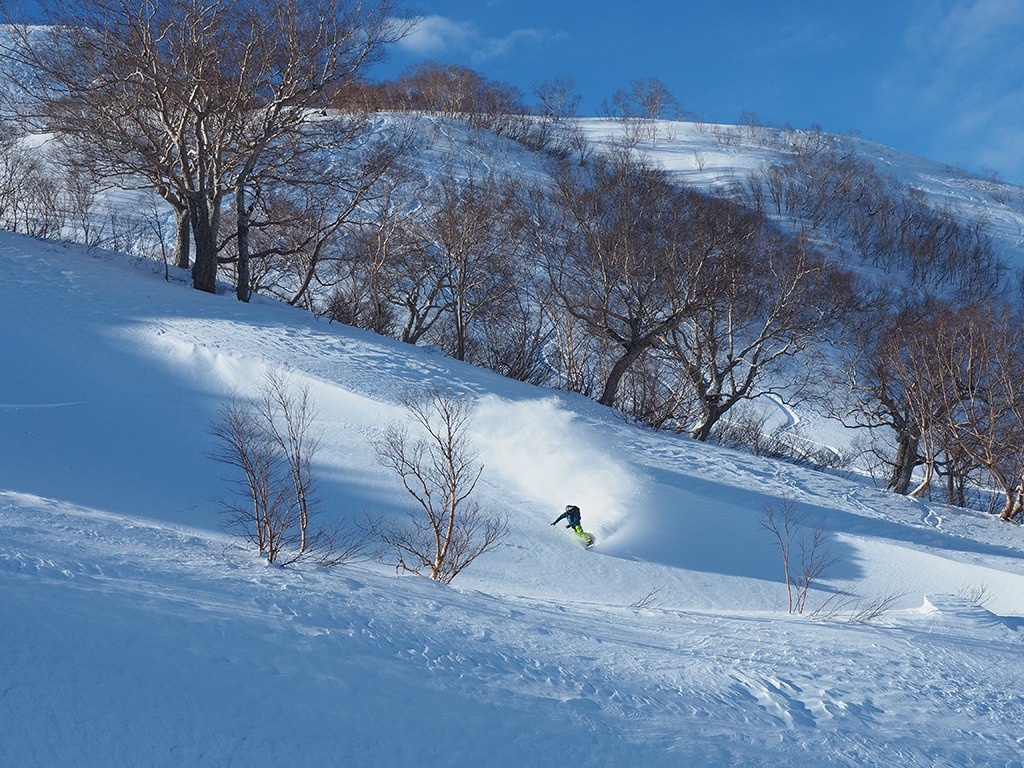
Choices that prioritize behavior and functionality that ensures safety are also important points
High season layering
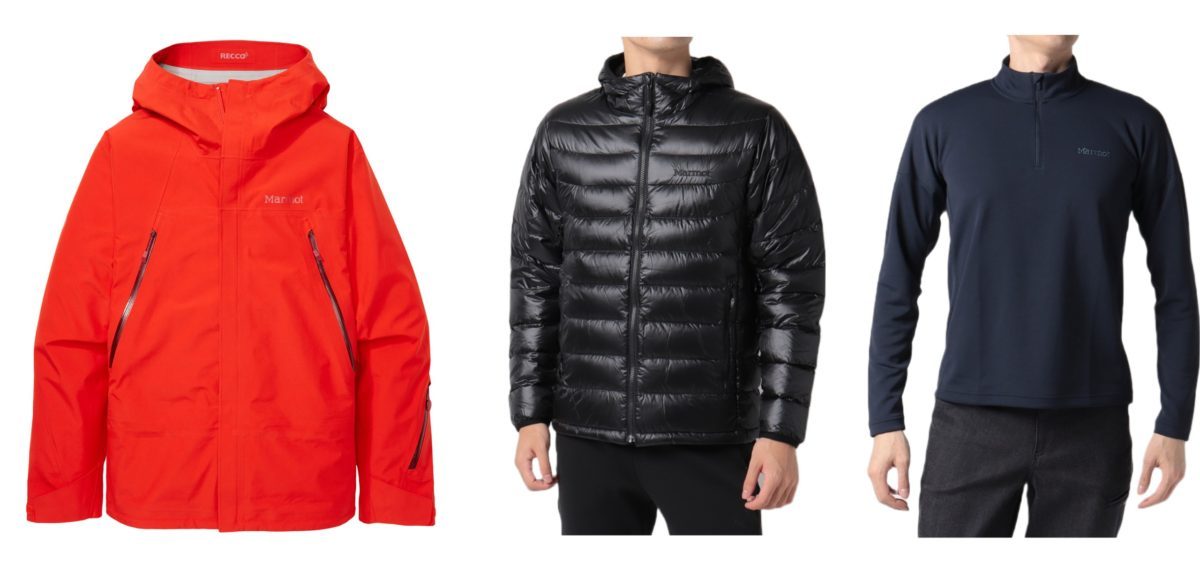
Outer layer: Marmot | Spire Jacket
Middle layer: Marmot | Marmot 1000 Ease Down Parka
Base layer: Marmot | HEAT NAVI L/S Zip
How does it feel to use? (Impressions)
I try to stay as warm as possible when the weather is bad, so I choose clothes that are windproof, waterproof, and breathable, and that will keep me warm on days when I don't sweat much
What about layering for spring?
A quick-drying first layer + a thin outer layer: Since you sweat easily, quick-drying is important. It can get cold even in spring, so warm clothing is essential
Reviewer:
Bantei ~bamboo tail~ (Bantei)
Yu TAKEO
[Main Guide Area] Hakuba Area
[Profile]
20 years of guiding experience. Main Sponsors: K2, Marmot
He shares the joy of backcountry riding, drawing on nearly 30 years of snowboarding experience. He is also dedicated to promoting backcountry safety through activities such as developing beacon checkers and conducting beginner workshops.
[Qualifications Held]
JMGA Ski and Snowboard Guide Stage II
, Mountain Guide Stage II
CIRCLE GAME guide service | Shohei Sasaki
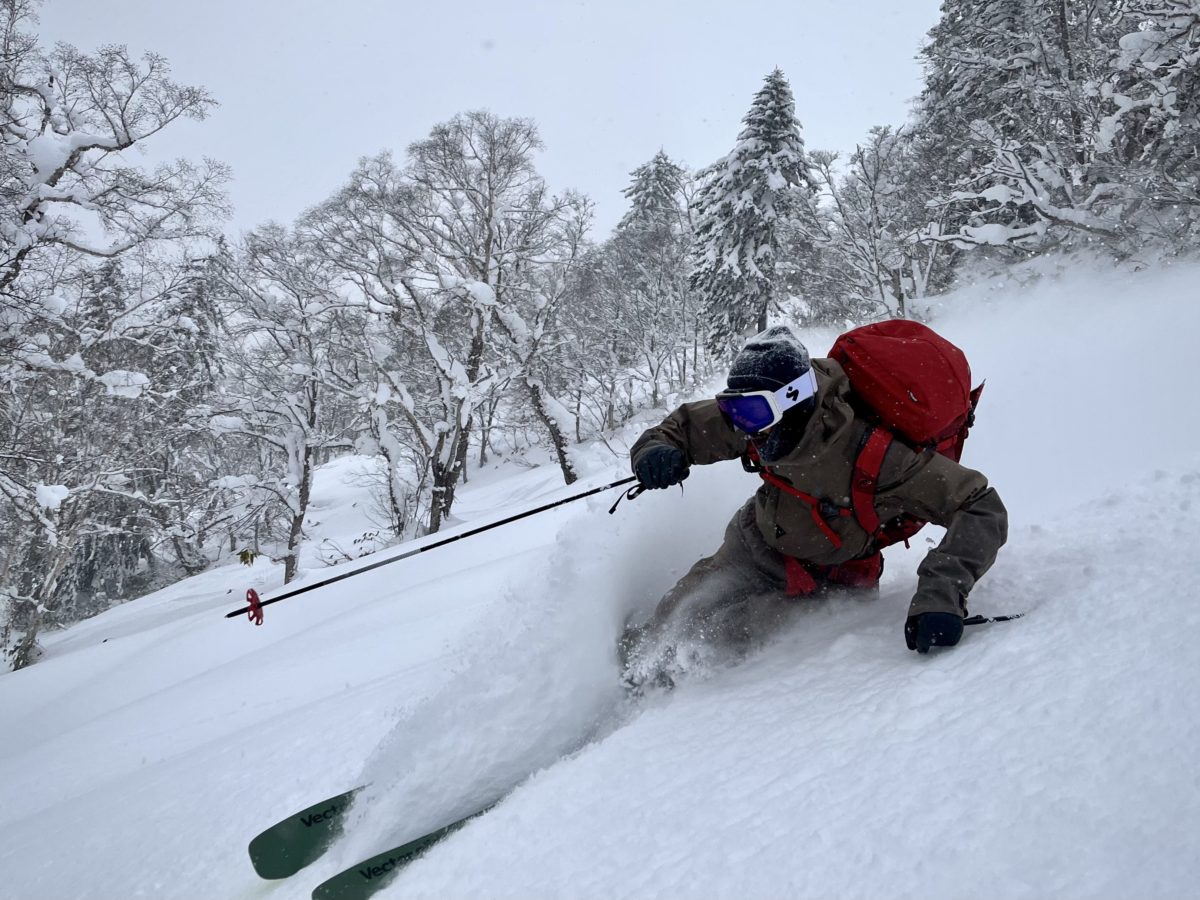
The secret to layering is not to be lazy
High season layering
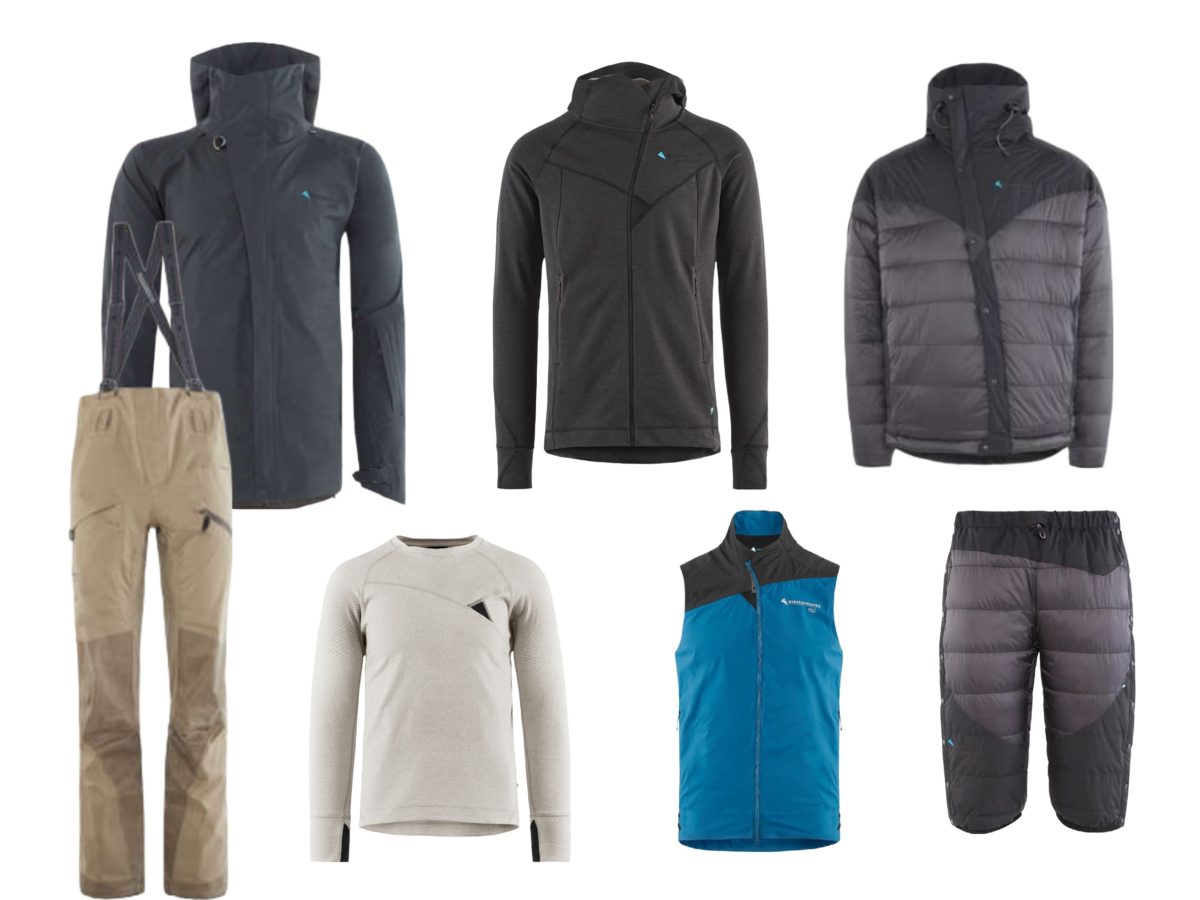
Outer layer: klattermusen | Brage 2.0 Jacket +Brage 2.0 Salopette
Middle layer: klattermusen | Nal vest, Njorun 2.0 Hoodie
Base layer: klattermusen | huge crew, fafne Tights
over down: klattermusen | atle 2.0 jacket, heidrun 2.0 shorts
How does it feel to use? (Impressions)
The outer shell has a relaxed fit and the fabric is very soft, so I can wear it all day without any stress. For the mid-layer, I combine a hooded fleece with a wind shell vest. I often walk at the front, breaking trail, so I really like that I can make fine adjustments, such as taking off the fleece and wearing the vest over the base layer to prevent overheating.
I chose an over-down jacket that is sized to fit over the outer shell. There are many days when I can't take off my down jacket, from preparing to ski down to skiing and right before starting the next ascent. It's easier and warmer to wear the down jacket on top of the outer shell than to layer it under the outer shell, so I recommend it.
What about layering for spring?
I changed the top of my base layer to a light wool one, but otherwise I'm using the same clothes as I did in the high season
Are there any other ideas you have added?
It's not a trick, but if you're hot, take off your clothes immediately, and if you're cold, put them on immediately. The trick to layering is not to be lazy. Once you've mastered that, the next step is to take off your clothes if you think you're going to get hot, and put on your clothes if you think you're going to get cold. If you're hiking in the mountains and are climbing a long, steep climb or a windy ridge, be sure to be conscious of observing and predicting the route and conditions a little ways ahead
Reviewer:
Shohei Sasaki ,
CIRCLE GAME guide service
[Main guiding area] All of Hokkaido
[Profile]
Originally from Nanae Town, Hokkaido, based in Sapporo, he guides backcountry skiing in winter and explores Hokkaido's nature extensively in summer. He enjoys combining climbing and skiing.
[Qualifications held]
JMGA Mountain Guide Stage II
, JMGA Ski Guide Stage II
, JAN Avalanche Operator Level 1
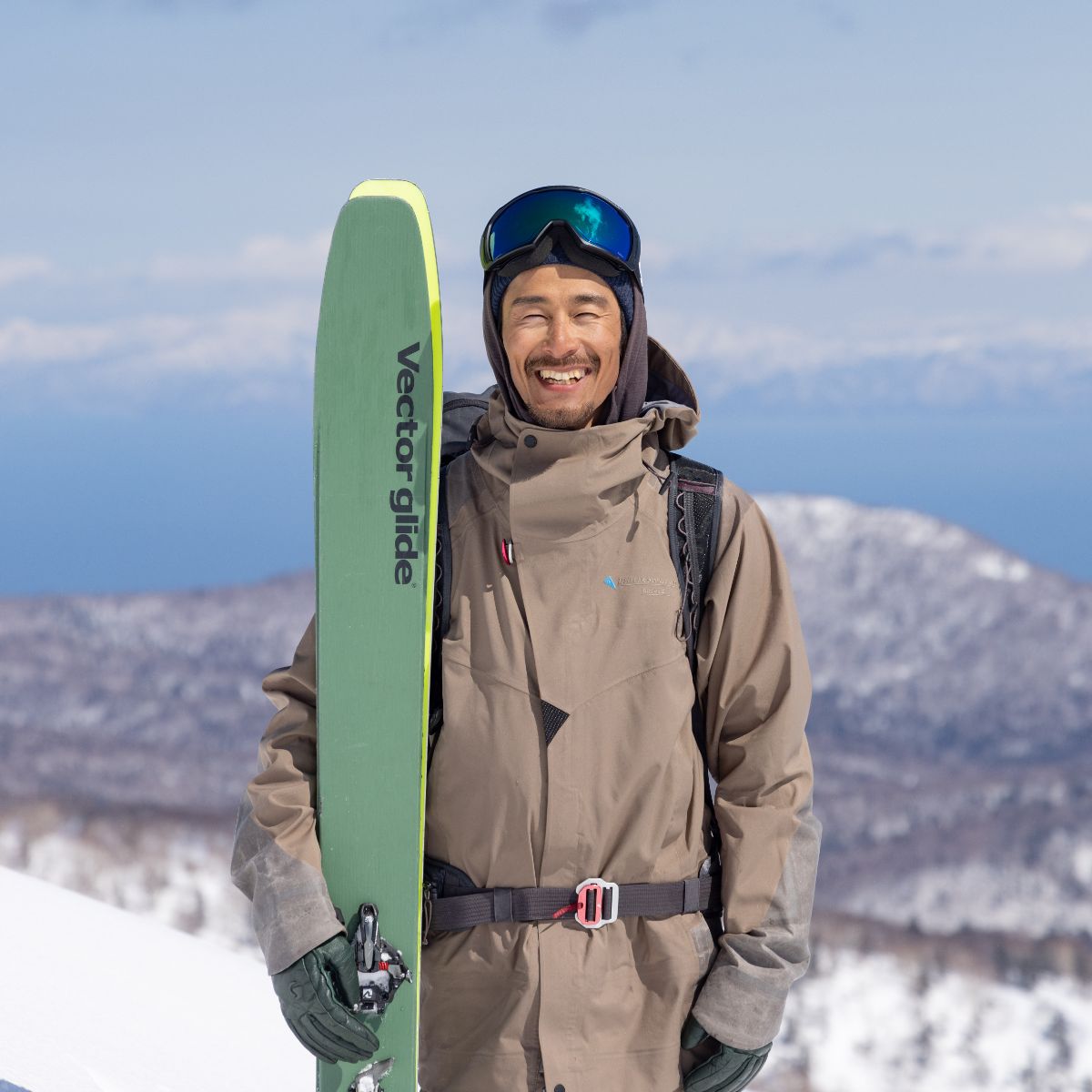
COLOR SPORT CLUB |Tomohiro Sagawa
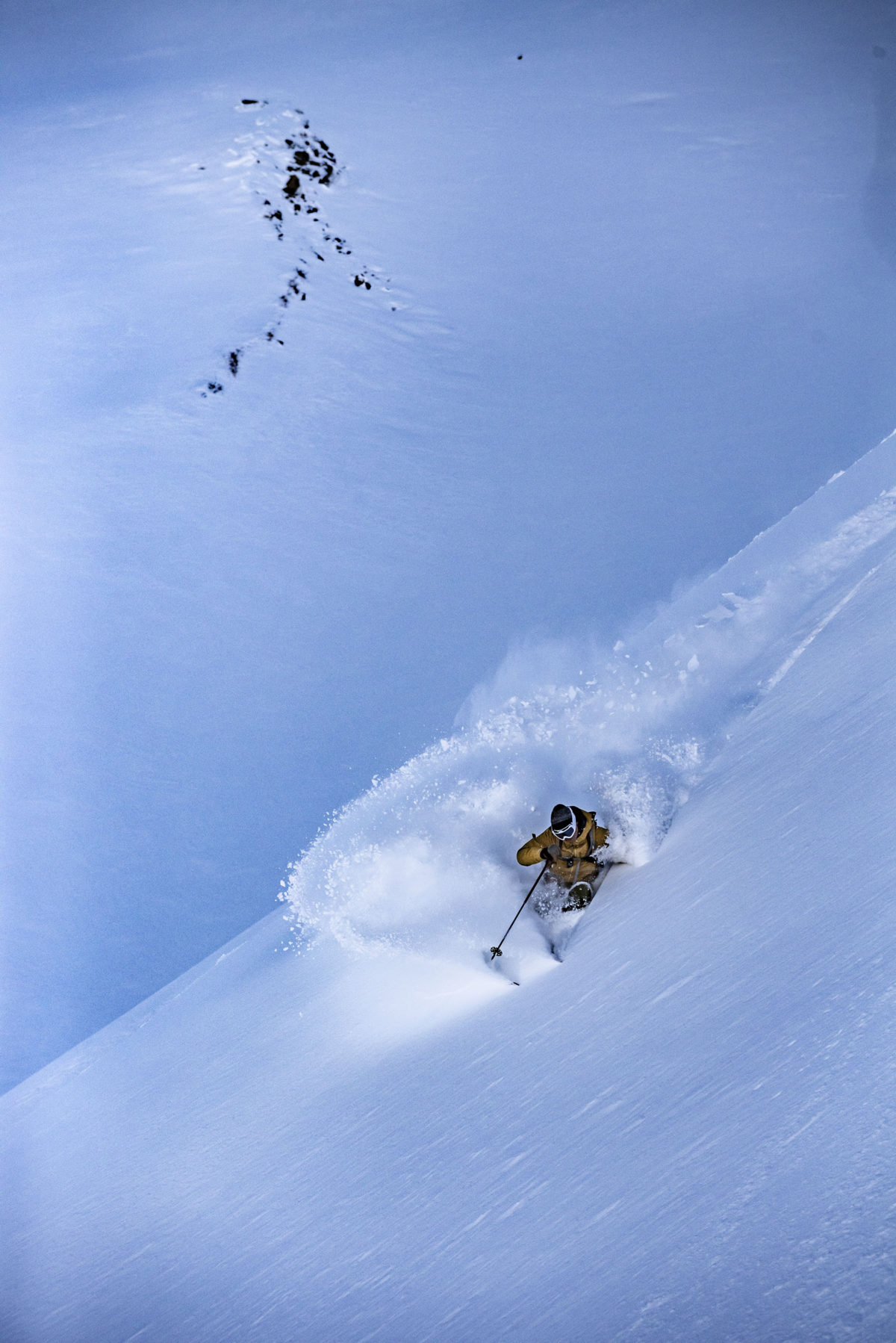
Enjoy a great skiing experience with this layering!
High season layering
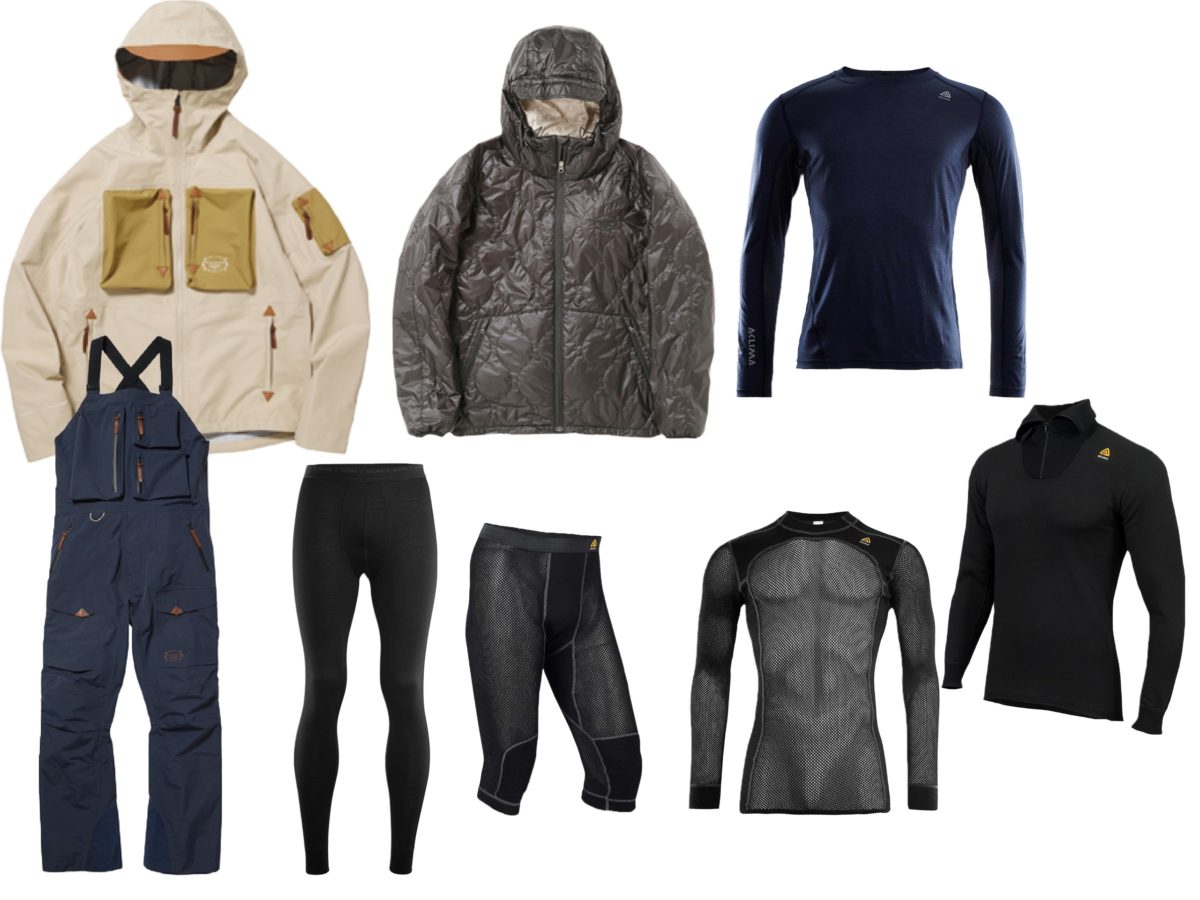
Outer layer: PERMANENT UNION |KOVAL JACKET & KOVAL BIB PANTS
Middle layer: AKLIMA|HotWool Polo W/Zip+PERMANENT UNION|scapa jacket
Base layer: AKLIMA|WoolNet Crew Neck & WoolNet 3/4 Longs+ LightWool Sports Shirt&LightWool Longs
How does it feel to use? (Impressions)
The base absorbs sweat and lets it escape, leaving no room for reversal. The wool mid-layer is soft to the touch and moves with your body effortlessly, the synthetic cotton jacket also functions as a wind shell, and the PERMANENT UNIO outer layer adds elegance to your life on the snow. This will be a wonderful skiing experience
What about layering for spring?
The basic layering is as above, but each layer should be thin
Are there any other ideas you have added?
Keep your head and ears warm, wear overgloves on your hands, and if you're going to be out for a very long time, wear a synthetic cotton jacket over the outer shell to increase breathability and keep your body humid and comfortable
Reviewer:
Tomohiro Tonegawa,
COLOR SPORT CLUB
[Main Guide Area] Hakuba VALLEY (Hakuba, Otari, Omachi) / Others: Tateyama, Senjojiki, Myoko, Mt. Fuji
[Profile]
A pioneering figure who built the current backcountry scene. Since the early 1990s, he has looked beyond groomed slopes and pioneered the mountain skiing scene in the harsh winter. Even after achieving his signature field development throughout the Hakuba area, his pioneering work continues.
[Qualifications Held]
JMGA Mountain Guide Stage II
, JMGA Ski Guide Stage II
, JAN Avalanche Worker Level 2
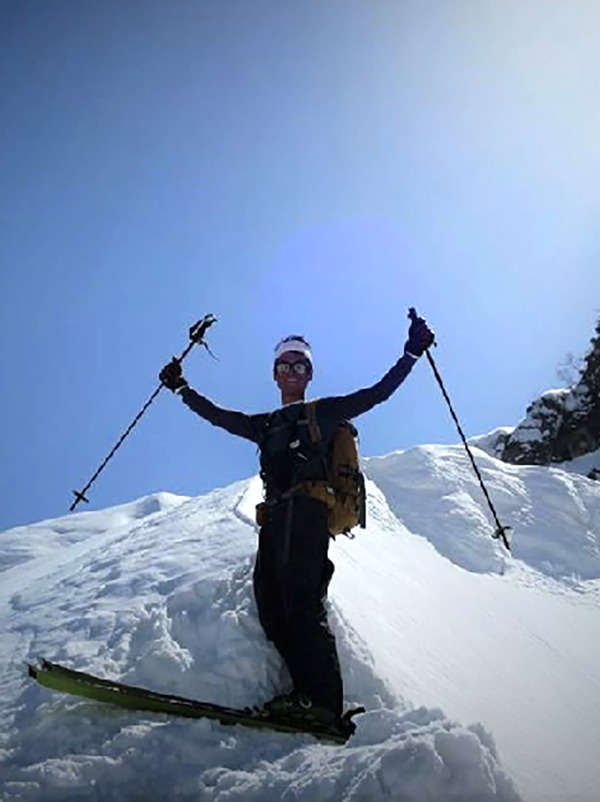
Epic Japan | Akiko Nakae
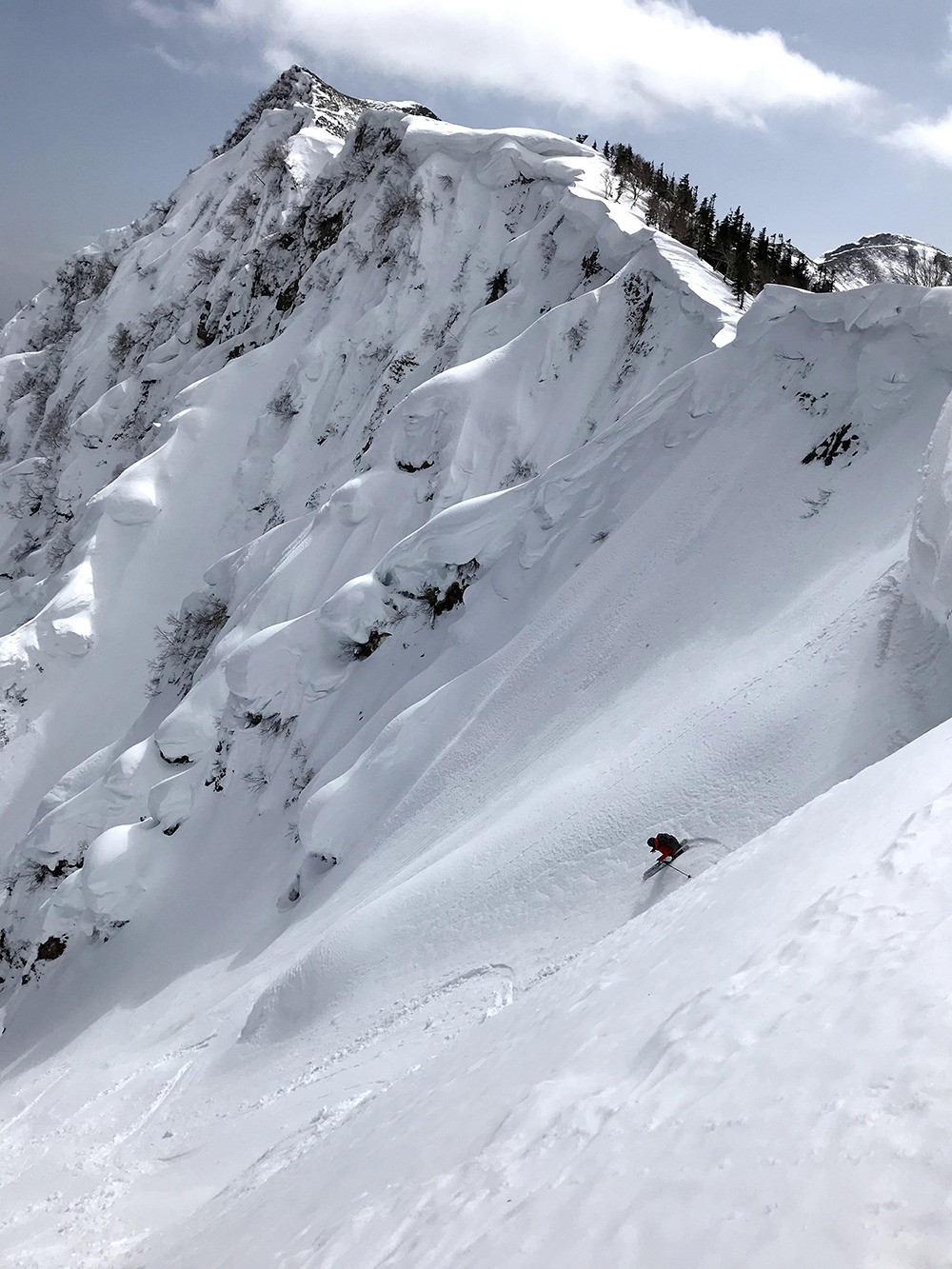
Focus on materials and pocket layout, and carefully adjust layers
High season layering
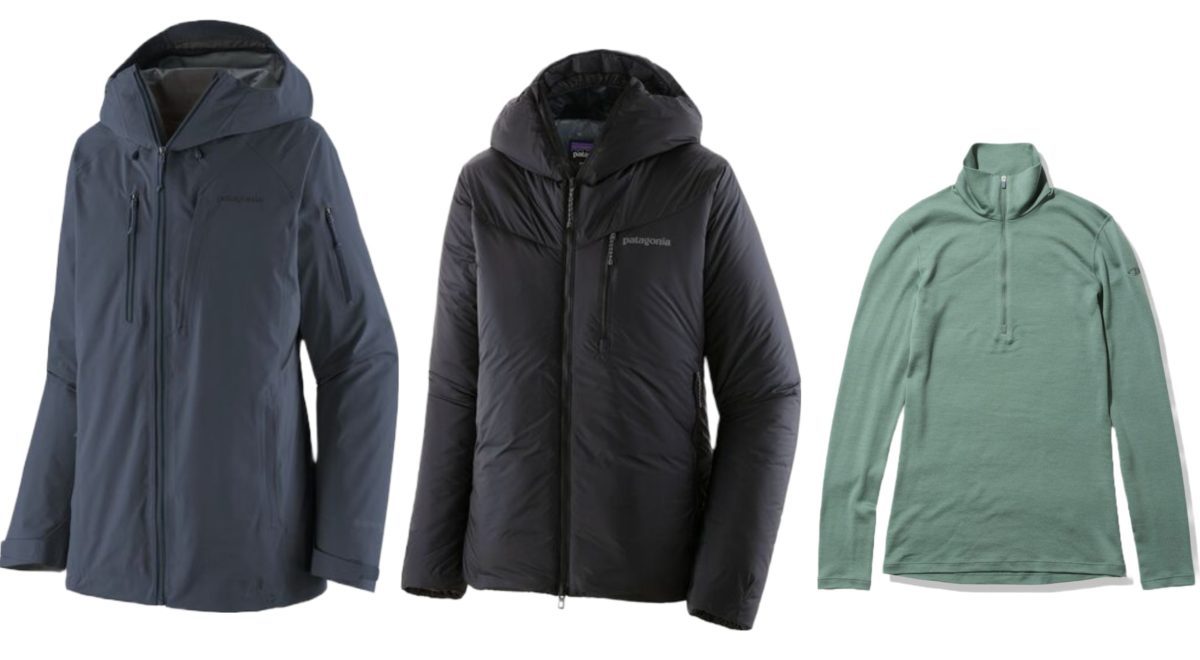
Outer layer: Patagonia Women's PowSlayer Jacket + Women's Powder Bowl Pants
Middle layer: Patagonia Women's DAS Parka
Base layer: Icebreaker or Smartwool wool base of approximately 260g/m2
How does it feel to use? (Impressions)
For outerwear, considering durability and weather resistance, I would choose at least a GORE-TEX Pro 3-layer jacket. Also, as a guide, it's essential that the jacket comes in highly visible colors. Next in importance is the layout of pockets, etc. Being able to neatly store ventilation, maps, compasses, whistles, cell phones (keeping them separate from beacons), lift tickets, etc. greatly reduces stress. For
pants, since toilet issues and use throughout the season, including spring, a bibless design is essential. I use wool for the base layer. I only wear a mid-layer in extremely cold conditions, and normally I wear a fairly bulky synthetic puff jacket over the shell, allowing for frequent layer adjustments. Being able to adjust without taking off the shell when starting to walk or reaching the preparation point for skiing eliminates the "hassle." It also provides a sense of security in case of an emergency bivouac.
Using a wool base layer surprisingly prevents unpleasant odors even when sweating while breaking trail in the depths of winter. For tights, 3/4 length is comfortable as it reduces interference with socks.
What about layering for spring?
He switched from layering during the harsh winter to a thinner base layer and now wears the Patagonia Houdini JKT
Are there any other ideas you have added?
As mentioned above, wear a synthetic puffer jacket over your shell
Reviewer:
Akiko Nakae,
Epic Japan
[Main guiding areas] Hakuba, Nozawa Onsen, Myoko, Togakushi, Tateyama / Others: Hokkaido: Asahikawa, Furano area, Eastern Hokkaido, Niseko
[Profile]
Until high school, I was involved in alpine skiing, participating in the Inter-High School Championships and the National Sports Festival. After that, I discovered mountain skiing and began spending every weekend in the snowy mountains. In 2014, I ended my life as a salaryman in Tokyo and have been working as the representative of Epic Japan ever since.
[Qualifications held]
JMGA Ski Stage II, Mountain Guide Stage II
, JAN Avalanche Handling Personnel Level I completed
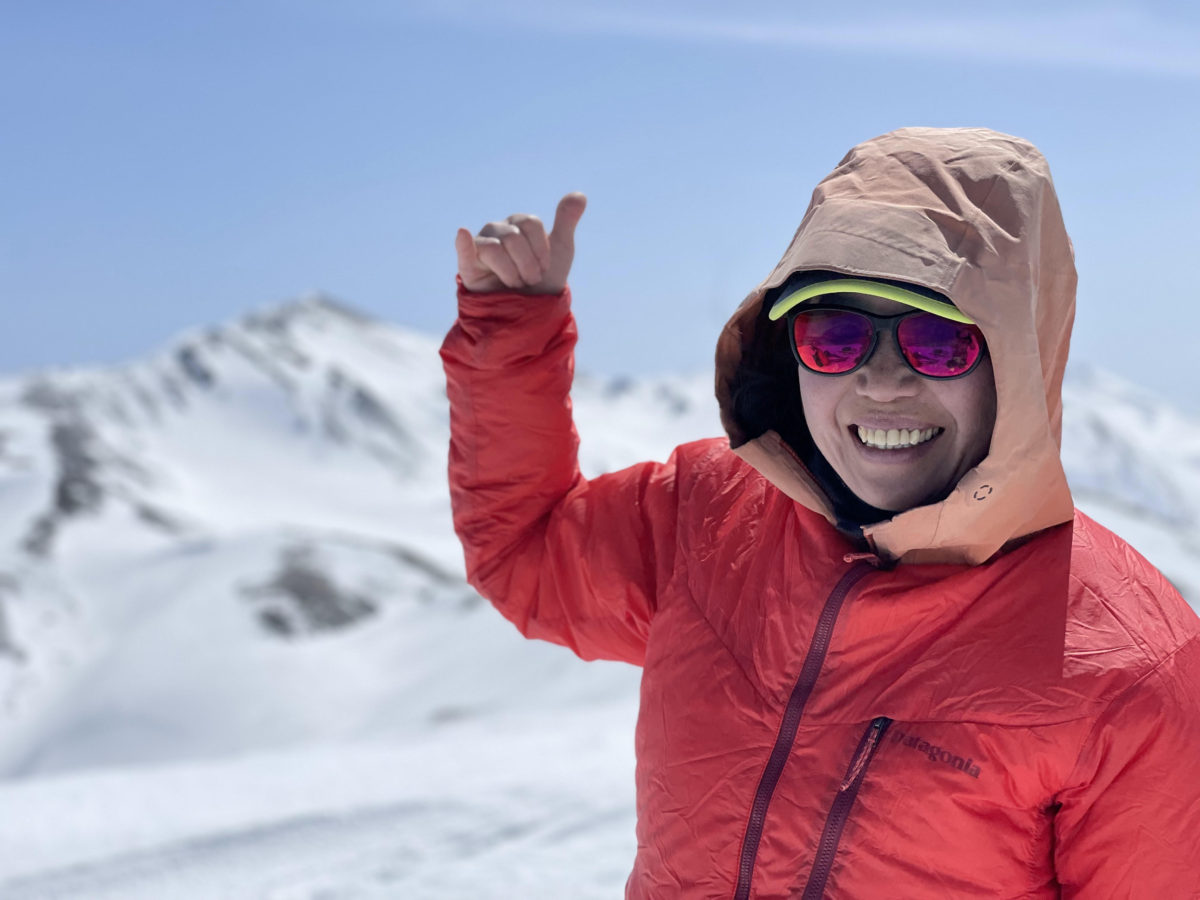
Hokkaido Backcountry Guides | Satoshi Tsukahara
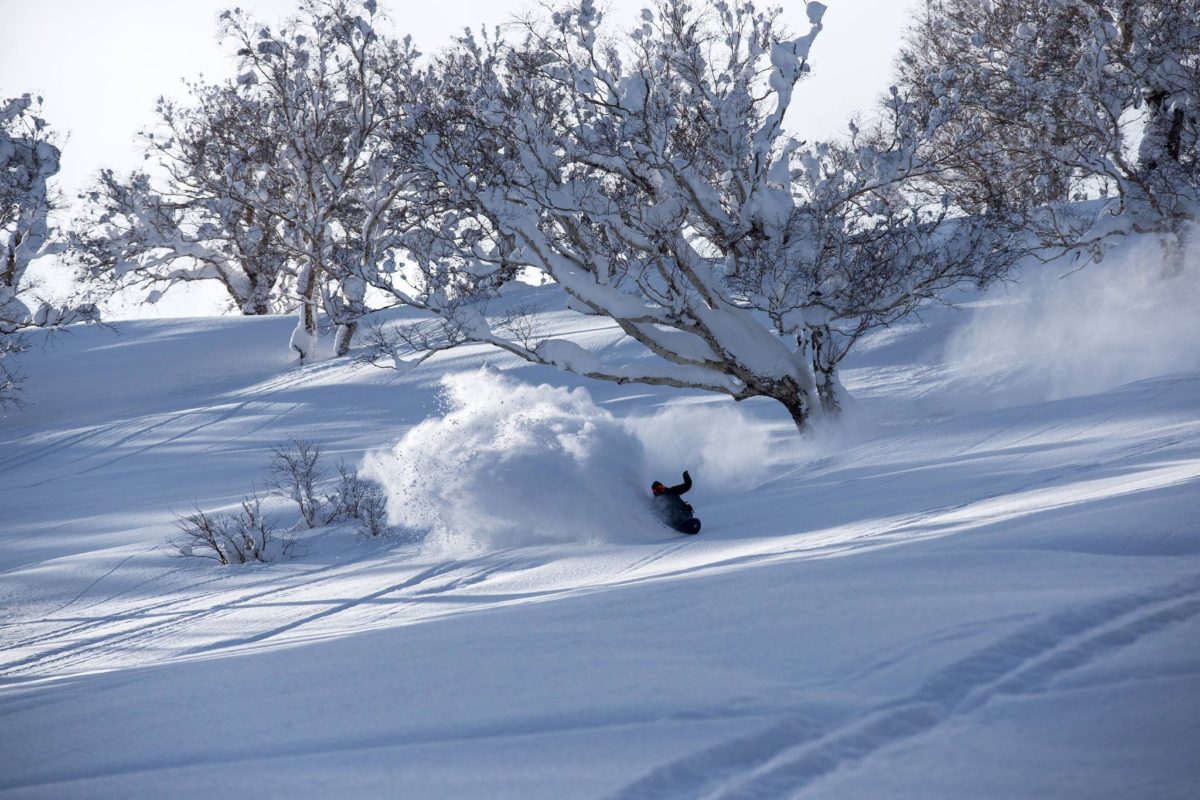
Combine all the layers depending on your plan of action and weather conditions
High season layering
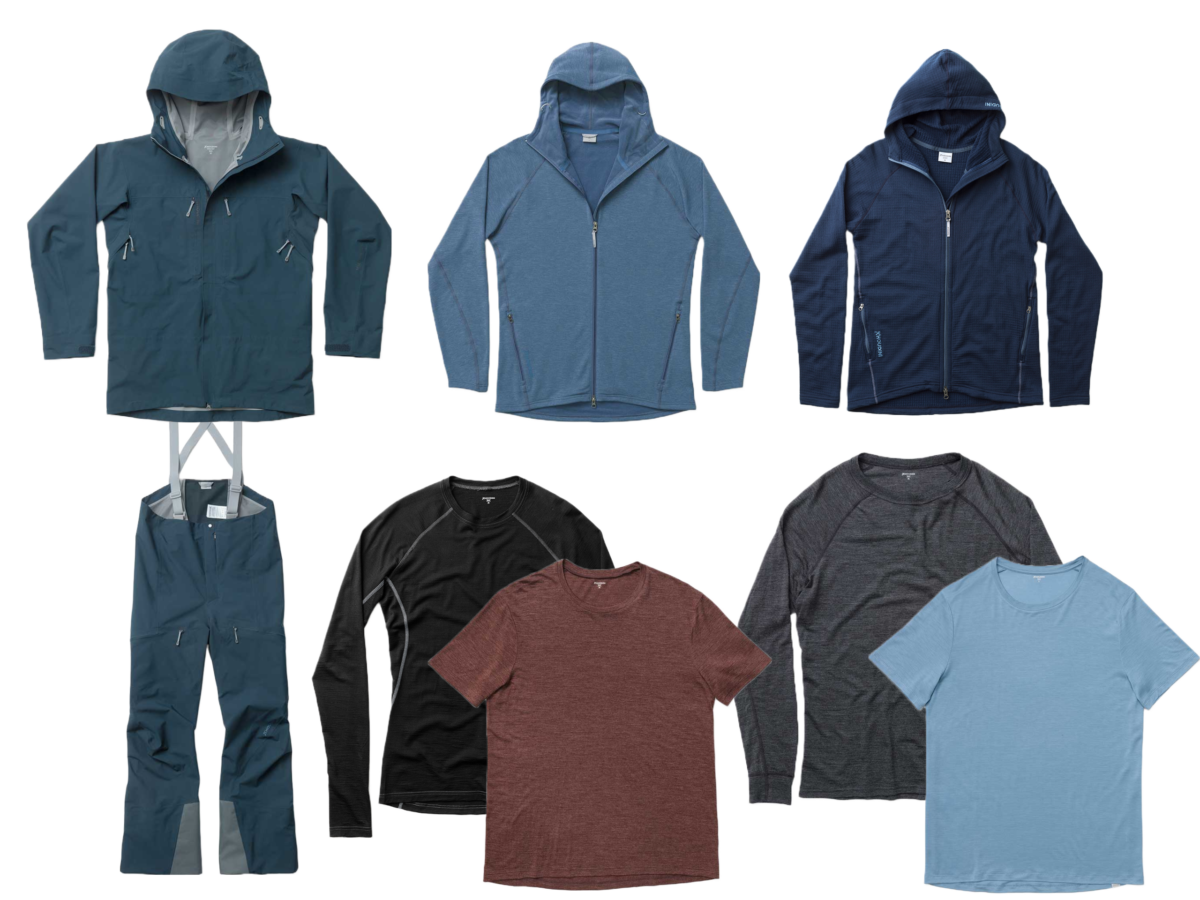
Outer layer: HOUDINI|D'jacket・Rollercoaster
Middle layer: HOUDINI|outligt・woolerhoodie
Base layer: HOUDINI|Activist・desoli
How does it feel to use? (Impressions)
Since Houdini offers limited options, I layer all available layers in combination depending on my activity plan and weather conditions. The feeling is generally good, and I tend to act in accordance with the layering.
For the first layer, depending on the temperature and activity, I wear either Activist or Desoli, always layering with a T-shirt (tree tee or activist tee), and then a mid-layer such as Outlight or Woolerhoodie. I only wear my outer D'jacket or Rollercoaster when skiing or when it's snowing.
What about layering for spring?
I use Tag along jaxket a lot and change my outerwear to rainwear and other things
Are there any other ideas you have added?
Generally, I try to avoid sweating, but when I do, I put on Danfri early on to warm up
Reviewer:
Satoshi Tsukahara,
Hokkaido Backcountry Guys
[Main guiding area] Kiroro, Niseko, Akaigawa area / Others: All of Hokkaido
[Profile]
Based in Akaigawa Village, where the Kiroro ski resort is located, he conducts multi-guide activities that take you through the four seasons of Hokkaido, mainly backcountry in winter and kayaking and SUP in summer.
[Qualifications held]
JMGA Mountain Guide Stage I
, JMGA Ski Guide Stage II
, Board Member of Hokkaido Mountain Guide Association
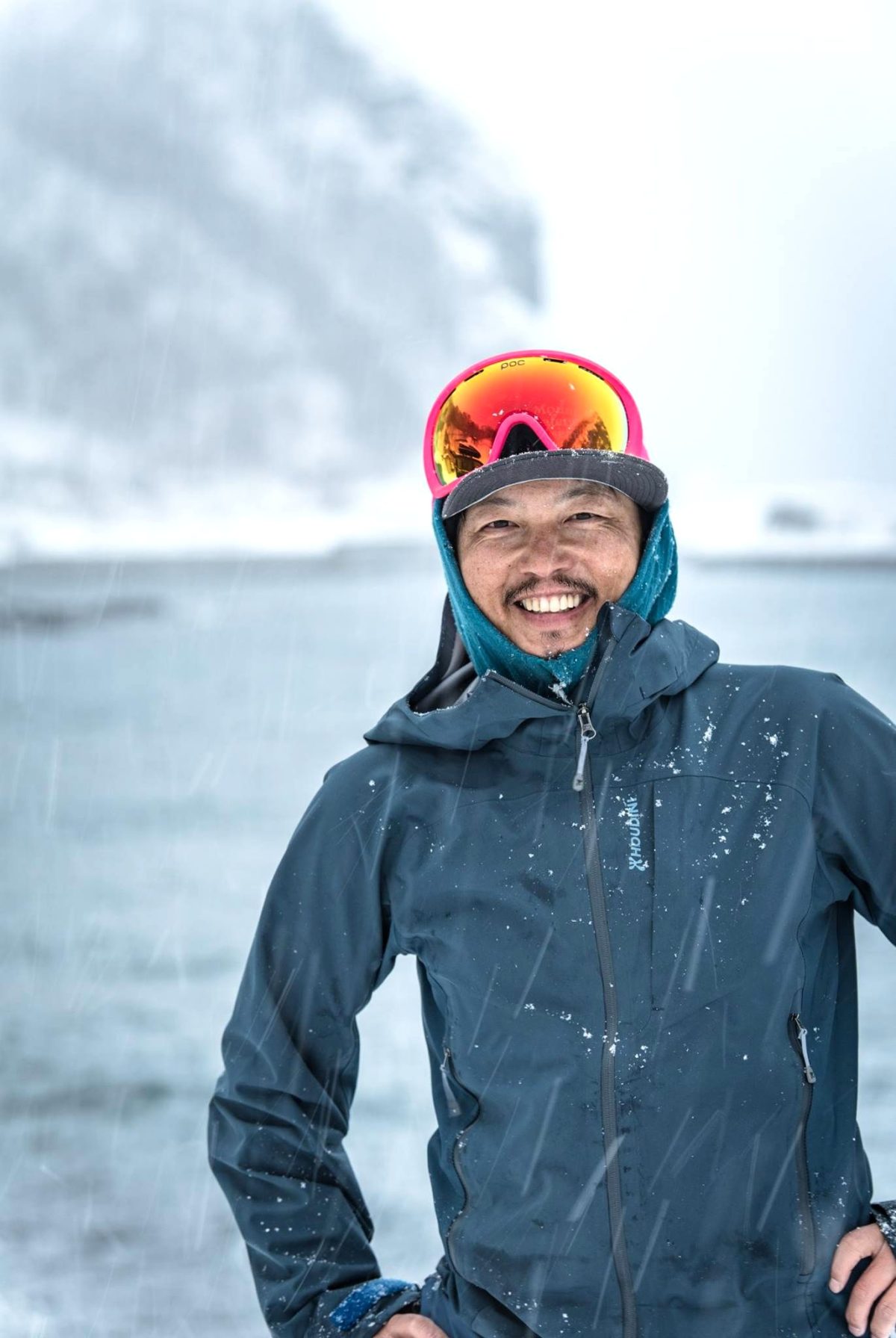
Infield |Toyo Nakano
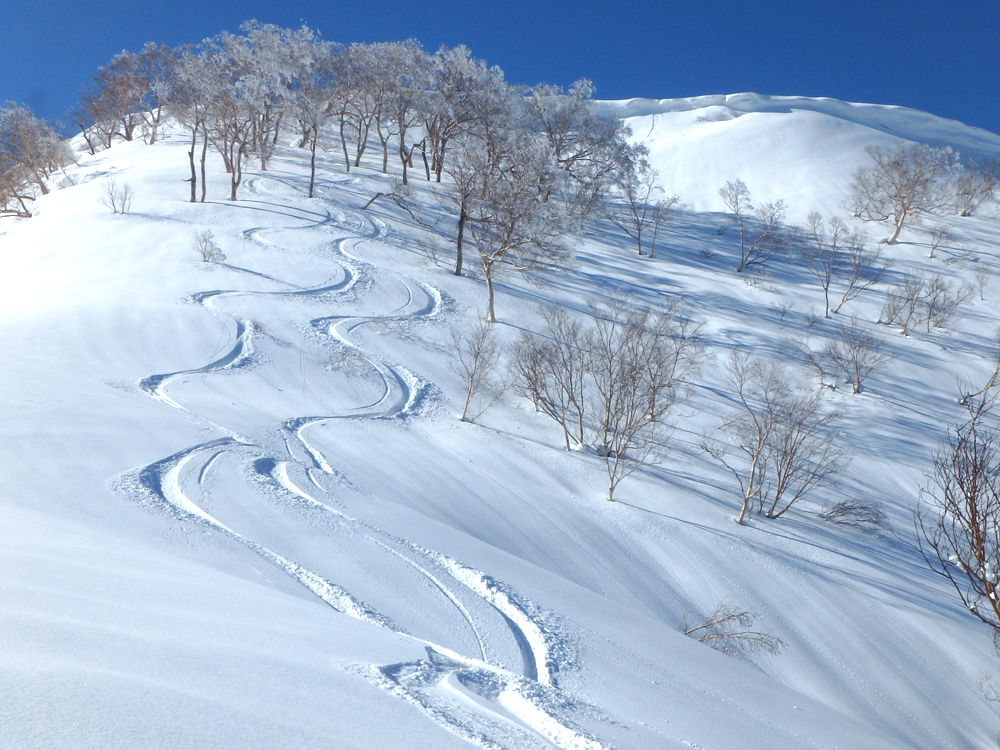
Use synthetic or wool base layers depending on the type of tour
High season layering
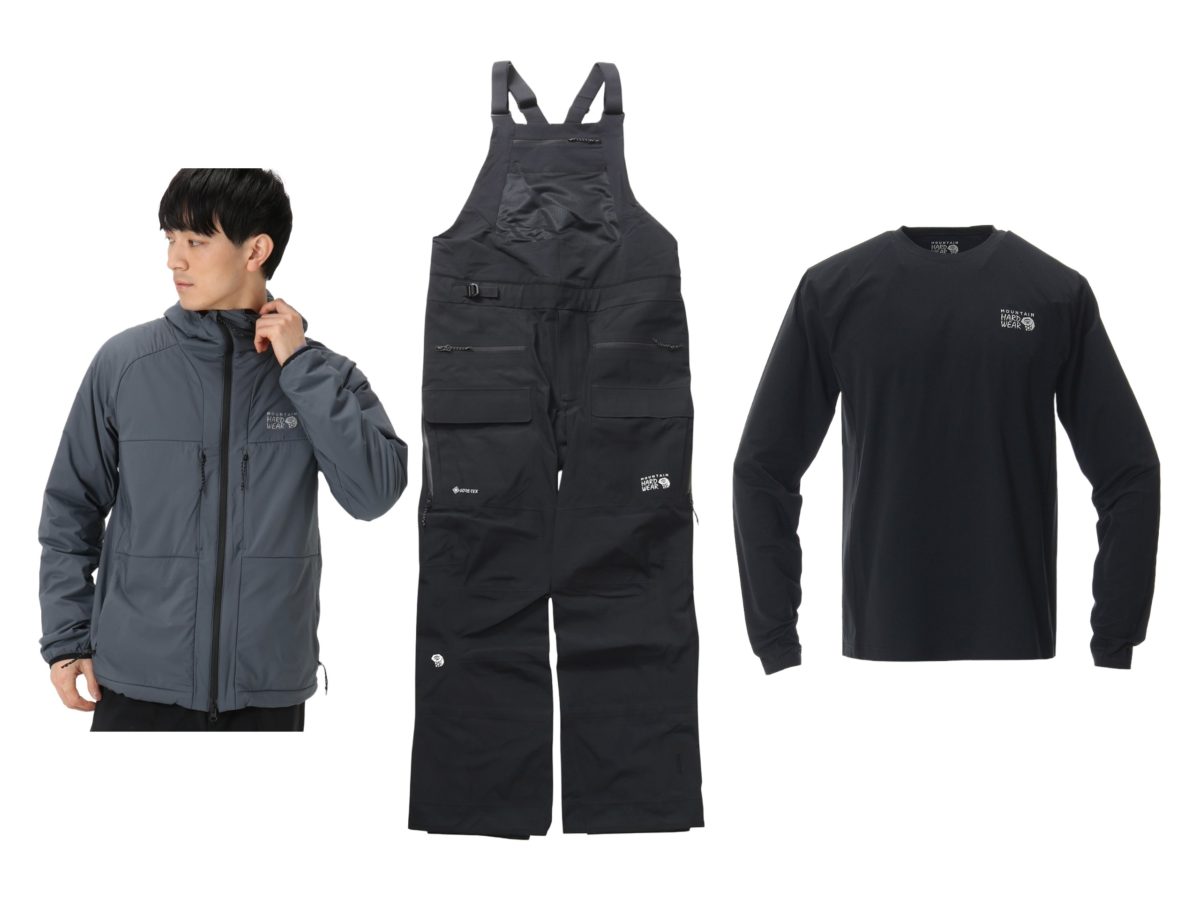
Outer layer: MOUNTAIN HARDWEAR | Boundary Ridge Gore-Tex Jacket & Bib
Middle layer: MOUNTAIN HARDWEAR | Core Air Shell Warm Jacket
Base layer: MOUNTAIN HARDWEAR | Mountain Stretch Long Sleeve
How does it feel to use? (Impressions)
Since I use them for many days, I prioritize durability in my outerwear, and for winter pants, I use bib pants that offer high insulation and prevent snow from getting in.
For mid-layers, I find models that keep me warm while also allowing sweat to escape, which is convenient as it reduces the number of times I need to adjust my clothing. Since the insulation is synthetic, I don't have to worry too much about it getting wet. For base layers, I use a mix of synthetic and wool depending on the type of tour.
What about layering for spring?
In early spring, temperatures are higher than in the depths of winter, so I use a thin outer layer and combine it with a model that is resistant to sweat and rain, but it's also important to be able to handle sudden drops in temperature
Are there any other ideas you have added?
I always carry a thin down jacket or wind shell that I can quickly put on when I take a break. Recently, there has been an increase in models that are good at wicking sweat, both for cold weather and wind protection, so I use those
Review
by
Toyokazu Nakano
[Main guiding area] Myoko/Kubiki area, Northern Shinshu / Others: Tateyama, Chokaisan, etc.
[Profile]
Moved to Myoko Plateau. After 10 years of experience, started "Infield" in 2006. Currently works as a backcountry tour guide and telemark ski instructor in winter, and as a mountain climbing/trekking guide and sea kayak guide in summer.
[Qualifications held]
JMGA Ski Guide Stage II
, JAN Avalanche Worker Level 2
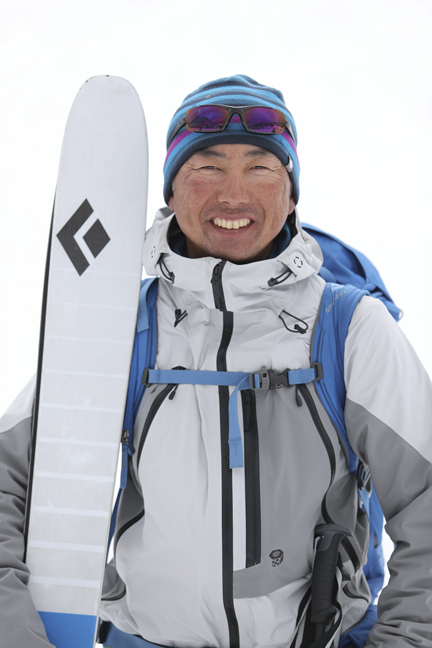
Kagura Powder Station | Kazuya Igarashi
It has good heat retention, breathability, waterproofness, etc., and can be used functionally
High season layering
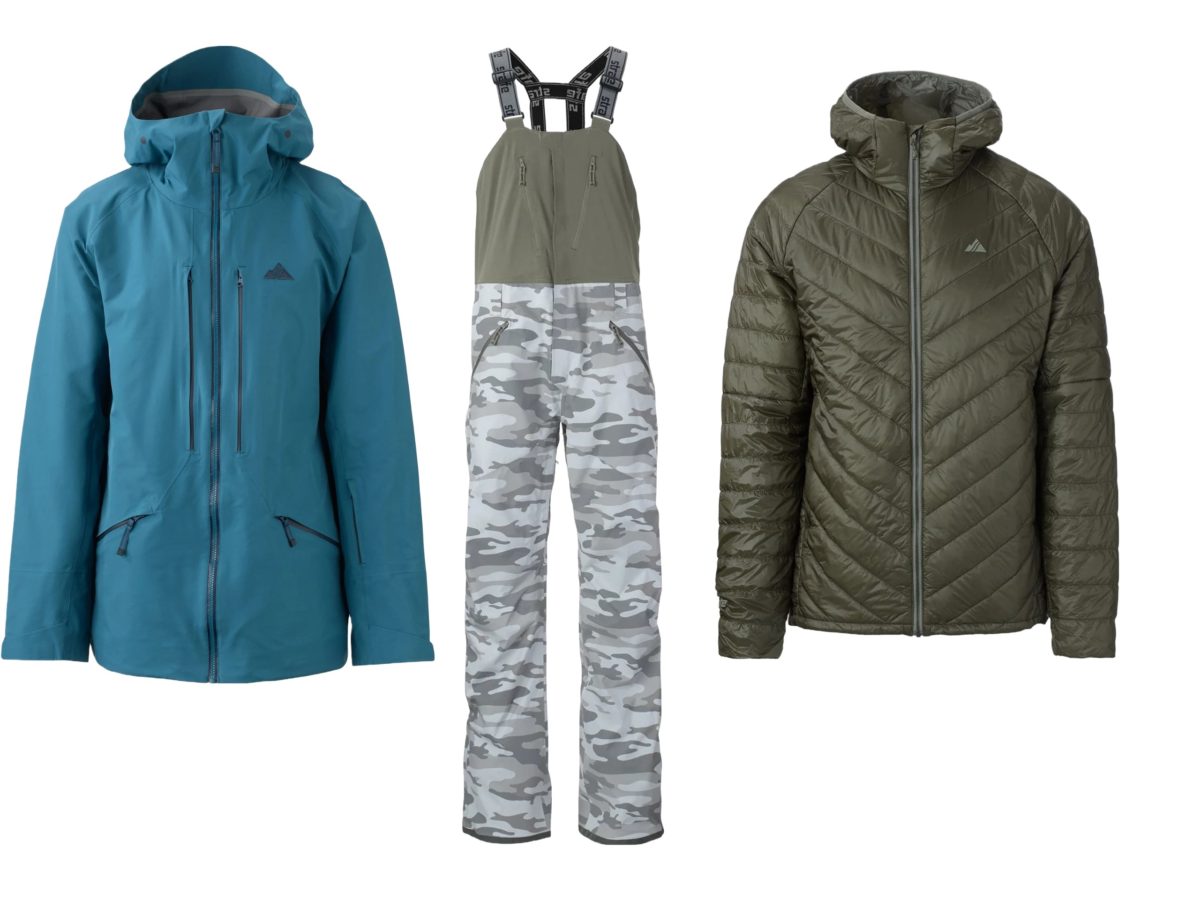
Outer layer: STRAFE | Nomad Jacket, Nomad Bib Pants
Middle layer: STRAFE | Aero Insolator
Base layer: STRAFE | Hoodie Base Layer
How does it feel to use? (Impressions)
Each layer provides excellent heat retention, breathability, and waterproofing, making it highly functional. The jacket's pockets are large and easy to use even with gloves on
What about layering for spring?
A thin windbreaker is used as an outer layer, and a down jacket is always worn as an inner layer
Are there any other ideas you have added?
I always wear an inner down jacket and over mittens
Reviewer:
Kazuya Igarashi, Kagura
Powder Station
[Main Guide Area] Various routes entering from the BC gate at the summit of the 5th Romance Lift at Kagura Ski Resort / Others: Spring tours of Tateyama, Gassan, Mt. Fuji, etc.
[Profile]
After becoming the All-Japan Mogul Champion, he participated in the W-CAP and served as a national team coach, training skiers such as Satoya, Miura, Tsukida, and Hara. He worked under Yuichiro Miura and was active in Snow Dolphin. In 2008, he climbed Mt. Everest with him. Currently, he supports Kagura Powder Station as a BC ski and mountaineering guide.
[Qualifications Held]
JMGA Ski Guide Stage II
, JAN Avalanche Operations Personnel Level 2
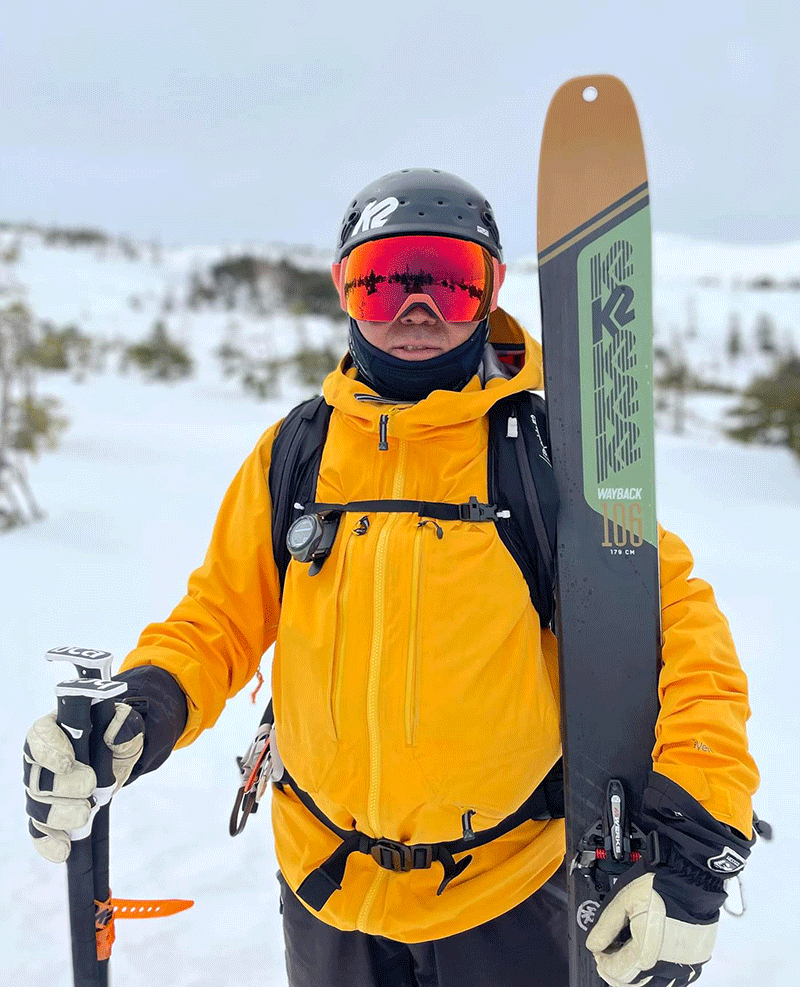
Kuroda Mountain Guide Office | Kuroda Makoto
Each layer is selected and adjusted to suit your movements on the snow
High season layering
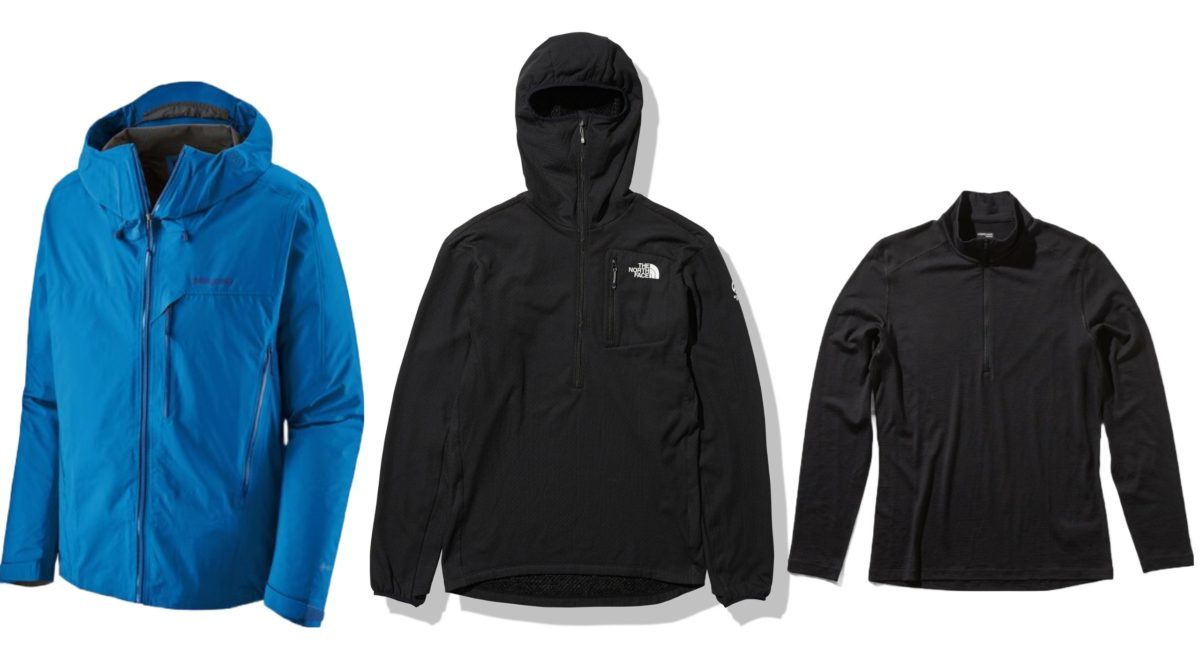
Outer layer: patagonia | M's Pluma Jacket
Middle layer: THE NORTH FACE | Expedition Grid Fleece Hoodie
Base layer: Icebreaker | 200 Series
How does it feel to use? (Impressions)
Since you'll be carrying a backpack, a powder skirt is pointless. You'll often have to take off your shell and carry it, so it's important that it's light and small. You'll probably only be wearing it for a short time, right? The most important thing about a shell is the shape of the hood. It's important that you can see and breathe in strong winds. An overly thick mid-layer will only make you sweat, so choose one that's moderate
What about layering for spring?
The shell should be a Gore Active Shell. The undershirt should be a long-sleeved 100-150 weight wool or wool-synthetic blend. Then, a short-sleeved synthetic button-down shirt. A shirt with a collar will protect you from the sun
Are there any other ideas you have added?
If I sweat, I take off my clothes. I'm careful about my underwear so that I don't feel embarrassed when I take it off
Reviewer:
Makoto Kuroda, Kuroda
Mountain Guide Office
[Main Guiding Area] Primarily the Joshinetsu region, but also available in areas of your choice.
[Profile]
I offer small-group private guiding services, supporting unique mountain expeditions tailored to each individual's skill level. I value not only skiing but also the spirit of travel in my service.
[Qualifications]
International Mountain Guide
, JAN Avalanche Operations Specialist Level 2
Locus guide service | Furuse Kazuya

Layering to keep you warm and keep pace with your guests
High season layering
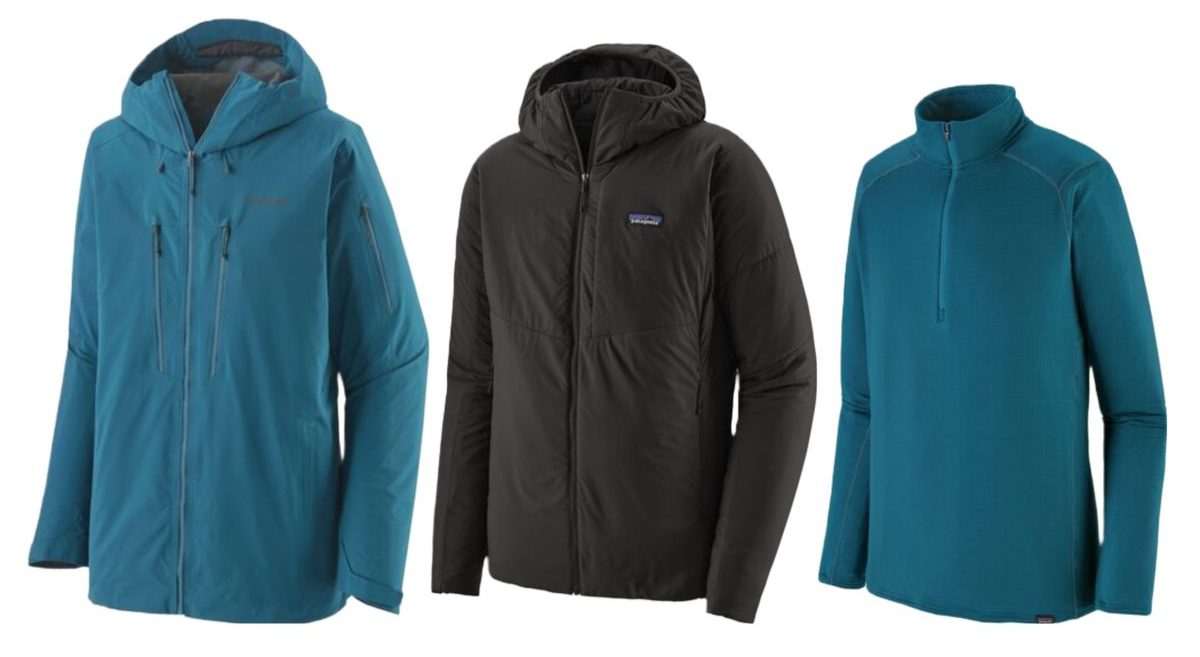
Outer layer:patagonia|M's PowSlayer Jkt
Middle layer:patagonia|M's Nano-Air Hoody
Base layer:patagonia|M's Cap TW Zip Neck
How does it feel to use? (Impressions)
When guiding, it's cold to match the pace of the guests, so I often wear layers that prioritize warmth. I'm sure everyone is concerned about the guide's layering, but this depends on individual differences, differences in physical strength, and differences in how you act based on experience, so I think most people would end up too hot if they tried to imitate the guide's layering
What about layering for spring?
Outer layer: Patagonia | Pawslayer
Middle layer: Patagonia | Crosstrek, R1
Patagonia | Houdini Jacket
Base layer: Patagonia | Caplean Midweight
Are there any other ideas you have added?
I always bring the Patagonia Micro Puff Hoody as a backup thermal layer, and when I'm stuck or feel cold, I can throw it on over my shell. It packs down compactly and is incredibly warm
Reviewer:
LOCUS GUIDE SERVICE
, Kazuya Furuse
[Main Guide Area] Hakuba Area
[Profile]
As a result of pursuing the art of skiing, my field of activity shifted from ski resorts to the backcountry, and I have gained experience as both a skier and a guide.
[Qualifications Held]
・JMGA Ski Guide Stage II
・JAN Avalanche Operations Personnel Level 2
Mountain Guide Coyote | Ryuta Furuichi
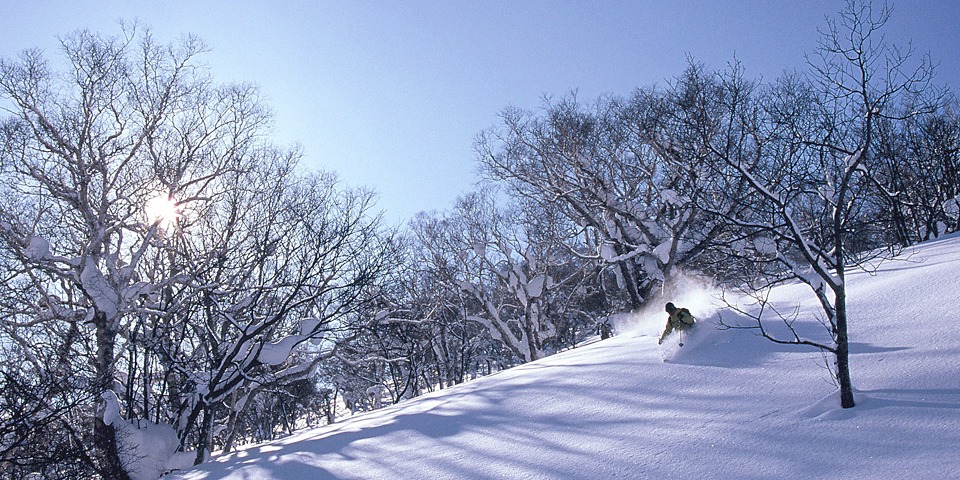
I love this all-weather jacket because it's so comfortable when hiking
High season layering
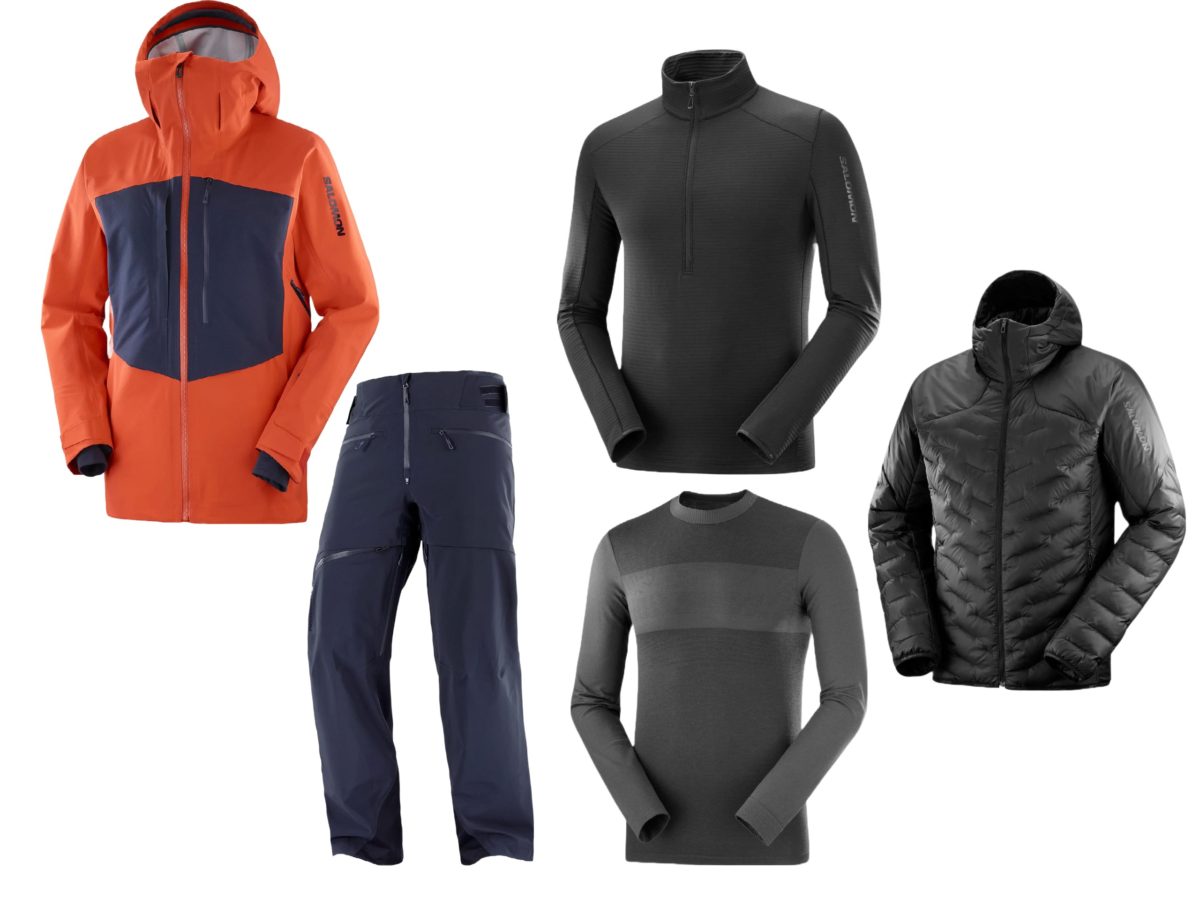
Outer layer: SALOMON|FORCE 3L JKT&PT
Middle layer: SALOMON|OUTLINE DOWN JKT+OUTLINE HZ MID M
Base layer: SALOMON|SNTIAL WOOL LS TOP M(Top) SNTIAL WOOL SEAMLESS(Bottom)
How does it feel to use? (Impressions)
The SALOMON FORCE 3L JKT is a jacket that can handle all weather conditions. It's breathable, making it very comfortable for hiking. Although it's a 3-layer jacket, the Active Fit adapts to your body's movements. I particularly like the smooth arm movement. The
highly adjustable hood, which can be worn over a helmet, provides excellent protection against the cold even in harsh backcountry conditions. I used to use a balaclava or ski mask, but I no longer have to bother taking them out, which is incredibly convenient. Lately, this single mid-layer, theOUTLINE HZ MID M, is sufficient. With the hood up, wind and snow don't get around my neck, keeping me quite warm.
I also always keep the OUTLINE DOWN JKT in my backpack during the harsh winter months of January and February because it's light and compact. Just putting it on during short breaks helps conserve energy. It's warm and comfortable, perfect for taking a moment to relax.
I use wool as my base layer because I absolutely hate getting cold in snowy conditions. Even if I sweat a little, I don't feel any chill at all.
What about layering for spring?
I wear a thin Salomon OUTLINE FZ HOODIE (thin fleece, Houdini) as an inner layer, and a thin, crinkly material in my backpack
Reviewer:
Mountain Guide Coyote
Ryuta Furuichi
[Main guiding area] Hokkaido (Niseko, Mt. Yotei, Kiroro, Daisetsuzan, Furano area)
[Profile]
Interested in the environment and food, after graduating from the Faculty of Agriculture at Meiji University, he joined a company in Hokkaido in order to live in the magnificent Hokkaido. To feel closer to nature and practice a lifestyle that does not have an impact on the environment, he established Mountain Guide Coyote. He loves skiing in the snowy mountains using telemark skiing.
[Qualifications held]
JMGA Ski Guide Stage II
, JAN Avalanche Operator Level 2
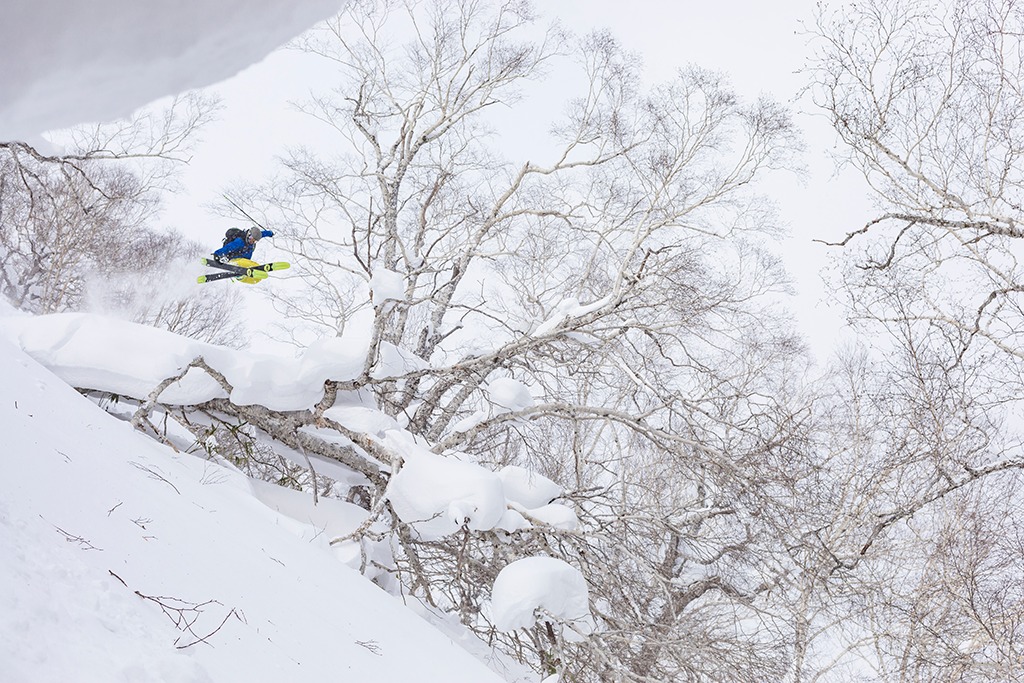
RIKI JAPOW GUIDE | Riki Nakajima
It's definitely wool that touches your skin!
High season layering
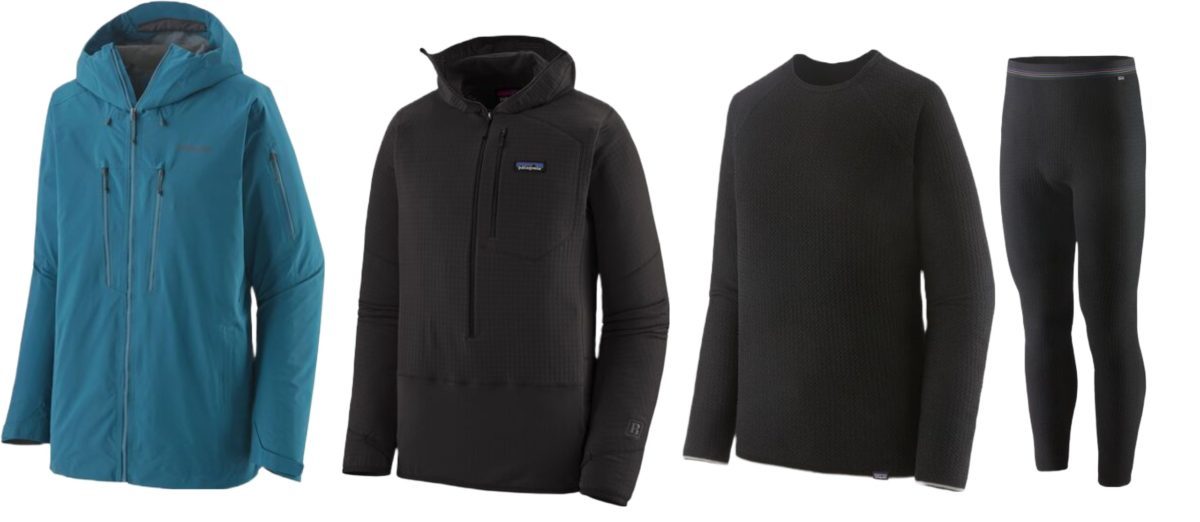
Outer layer: patagonia | M's PowSlayer Jacket
Middle layer: patagonia | M's R1 P/O Hoody
Base layer: patagonia | M's Cap Air Crew / M's Cap Air Bottoms
puremonte | 7/8 length down pants
How does it feel to use? (Impressions)
It's definitely wool that touches your skin!
What about layering for spring?
All Patagonia: an ultra-thin wool short-sleeved shirt.
If it's cold, a Capilene Air Hoodie.
If you want wind protection, a Houdini Jacket.
Are there any other ideas you have added?
Adjust your clothing as you go to avoid getting cold and sweating
Reviewer:
RIKI JAPOW GUIDE
: Riki Nakajima
[Main guiding areas] Tomamu area, Furano area, Asahikawa area / Others: Niseko, Rusutsu, Nozawa Onsen
[Profile]
Obtained CSIA instructor certification in Whistler, Canada, and the first Japanese person to obtain CFSA freeski instructor certification. Expanded his activities from participating in numerous freeski competitions to backcountry skiing. Currently based at Hoshino Resorts Tomamu Ski Resort, he provides guiding and lessons.
[Qualifications held]
JMGA Mountain Guide Stage II
, JMGA Ski Guide Stage II
, JAN Avalanche Worker Level 1
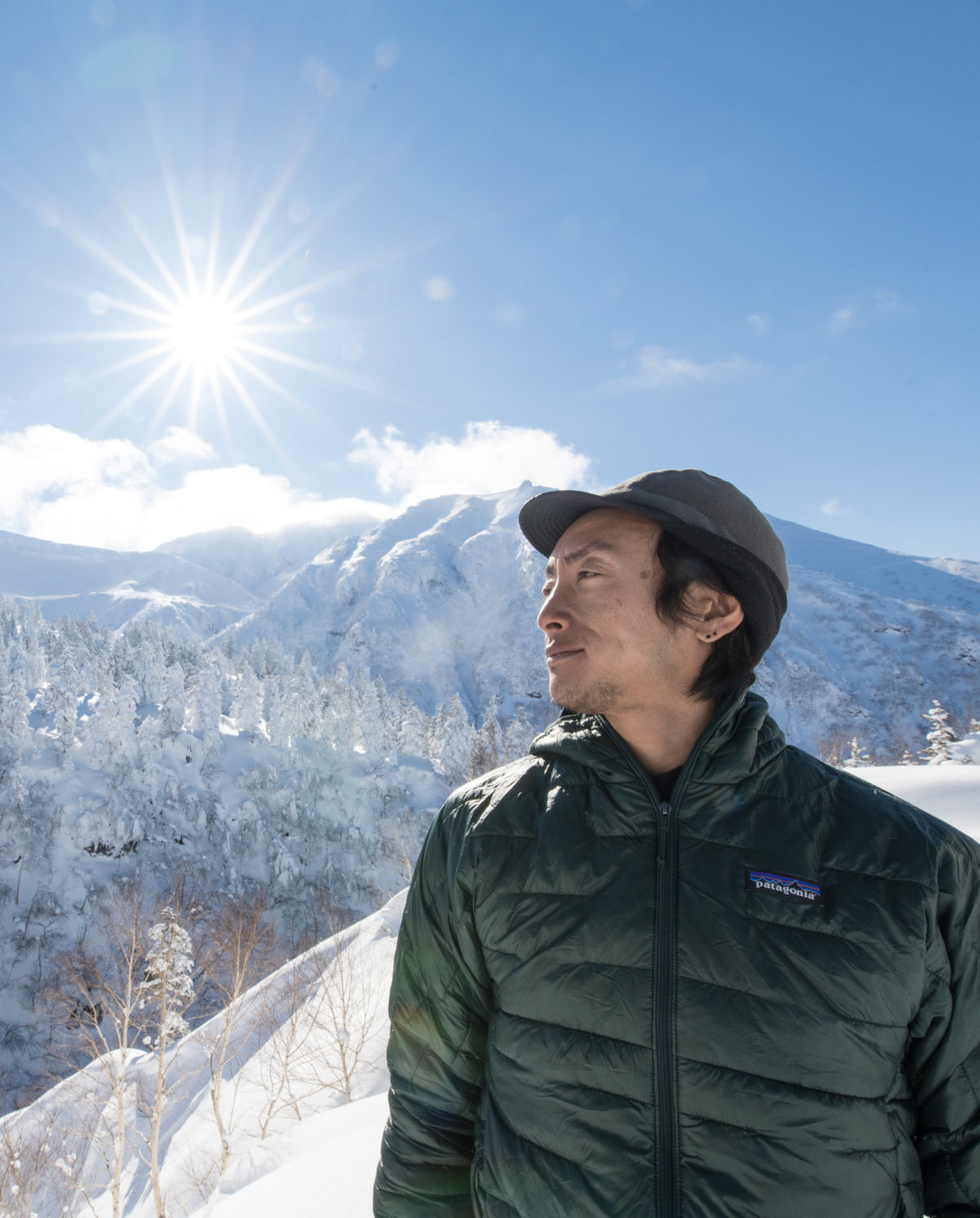
Rhythm Works (Rhythm Works) | Ryuta Asahi
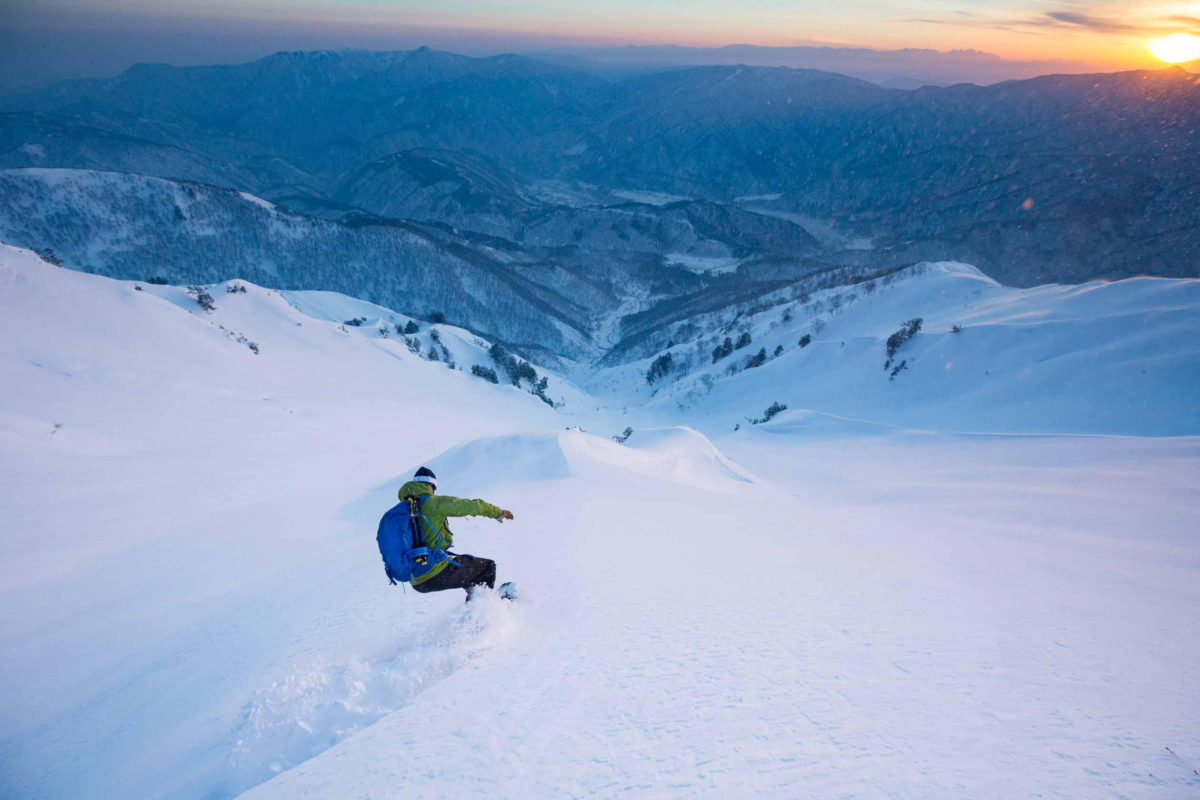
Consider the characteristics of the area and altitude where you will be working, and choose a balance of warmth, moisture permeability, and breathability
High season layering
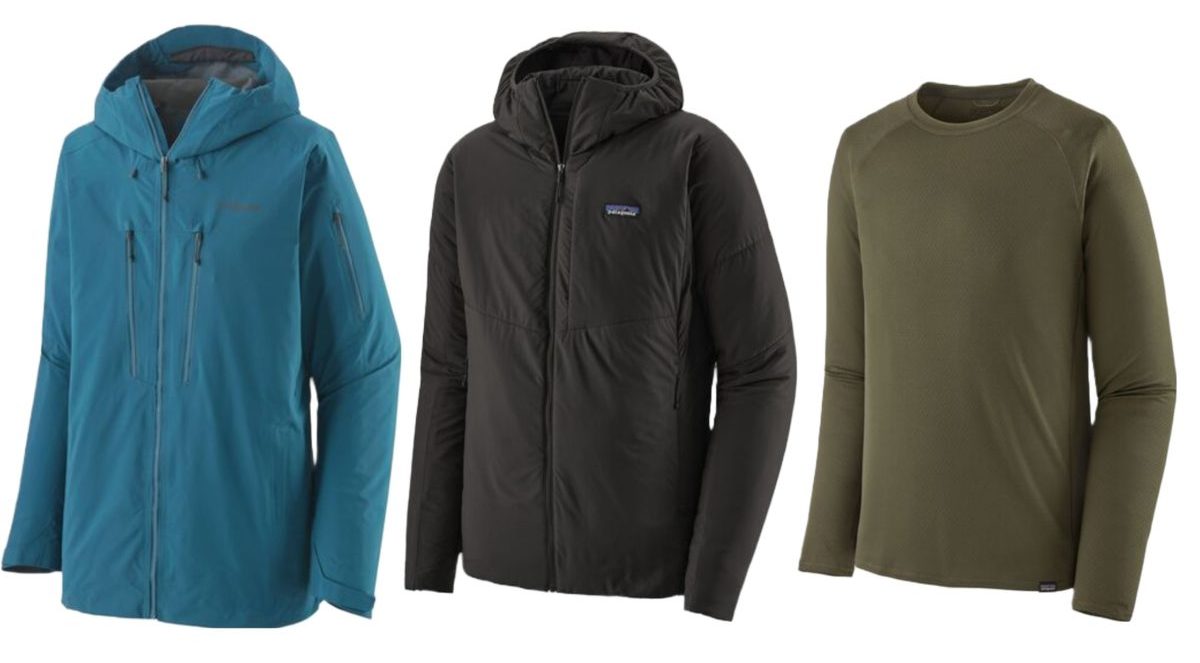
Outer layer:patagonia|M's PowSlayer Jkt
Middle layer:patagonia|M's Nano-Air Hoody
Base layer:patagonia|M's Cap MW Crew
How does it feel to use? (Impressions)
Consider the characteristics of the region and altitude where you will be active, and choose a jacket that balances warmth, breathability, and ventilation. For low altitudes or mountains near the sea, combine the R1 with a midweight jacket. Consider the humidity and temperature, and set up to let heat escape while hiking and keep you from getting soaked with sweat. For high altitudes, inland areas, and high latitudes, you will be active in dry, cold, and windy environments, so use Nano Air with Capilene Air, which prioritizes warmth while also offering excellent breathability
What about layering for spring?
Outer layer: Patagonia | Pluma Jacket
Middle layer: Patagonia | R1 Tech Face Jacket
Base layer: Patagonia | Capilene Lightweight or midweight windshell (also carry Houdini Air)
Are there any other ideas you have added?
When taking a break, immediately put on insulation to keep your body warm
Reviewer:
Rhythm Works (Ryuta
Asahi
[Main guiding areas] Shirakawa-go, Tateyama, Hakuba, Hirayu, Hoki-Daisen *Mainly the Hida Mountains and Ryohaku Mountains
[Profile]
Started mountaineering with backcountry snowboarding, and decided to become a guide because he wanted to provide mountain trips that convey the charm of the mountains and nature that he himself experienced. A versatile mountain guide who conveys the wide range of mountain attractions, from general traverses to variation routes, from canyoning to backcountry riding, in harmony with the rhythm of nature.
[Qualifications held]
JMGA Mountain Guide Stage I
, JMGA Ski Guide Stage II
, JAN Avalanche Worker Level 2
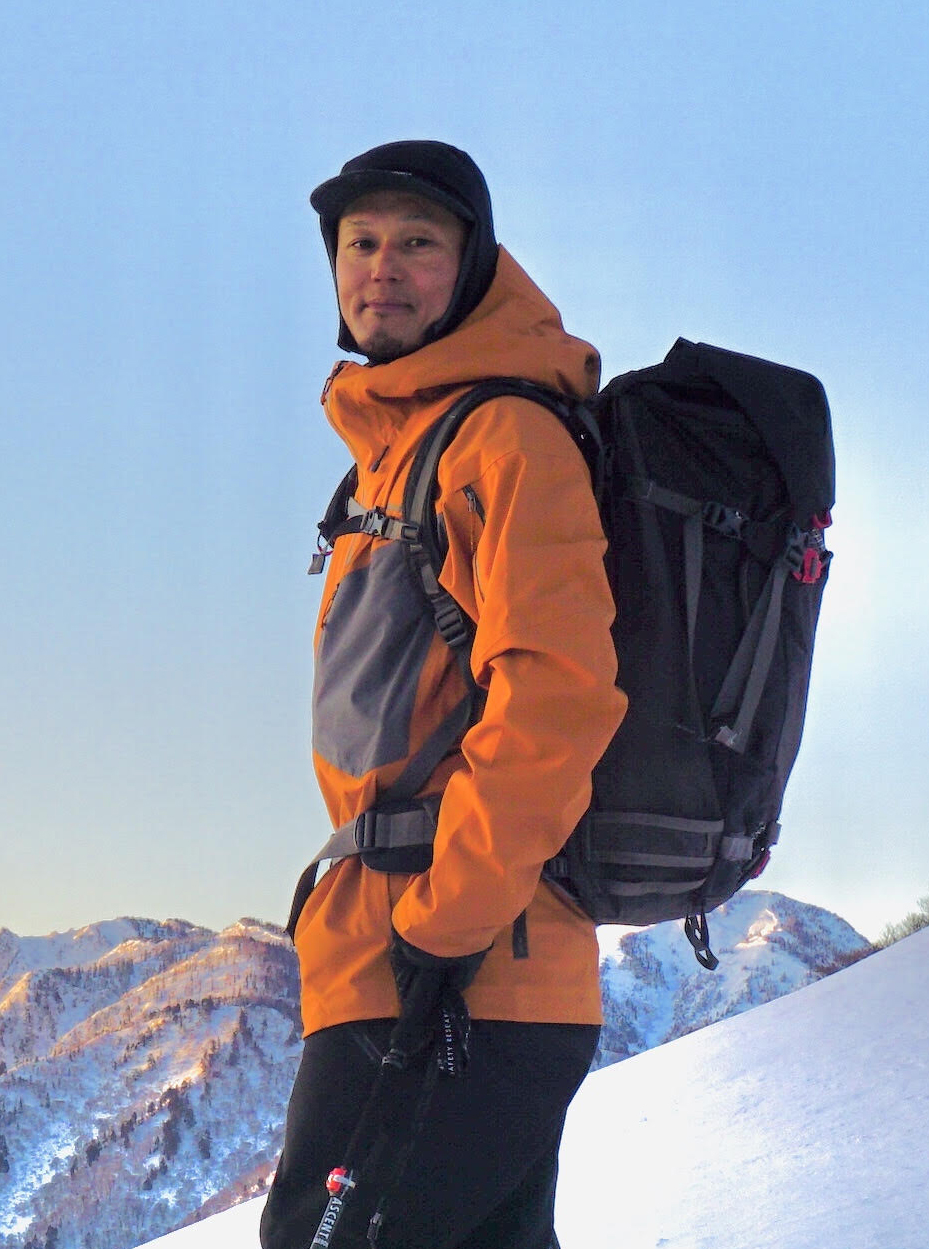
Daichi Trui
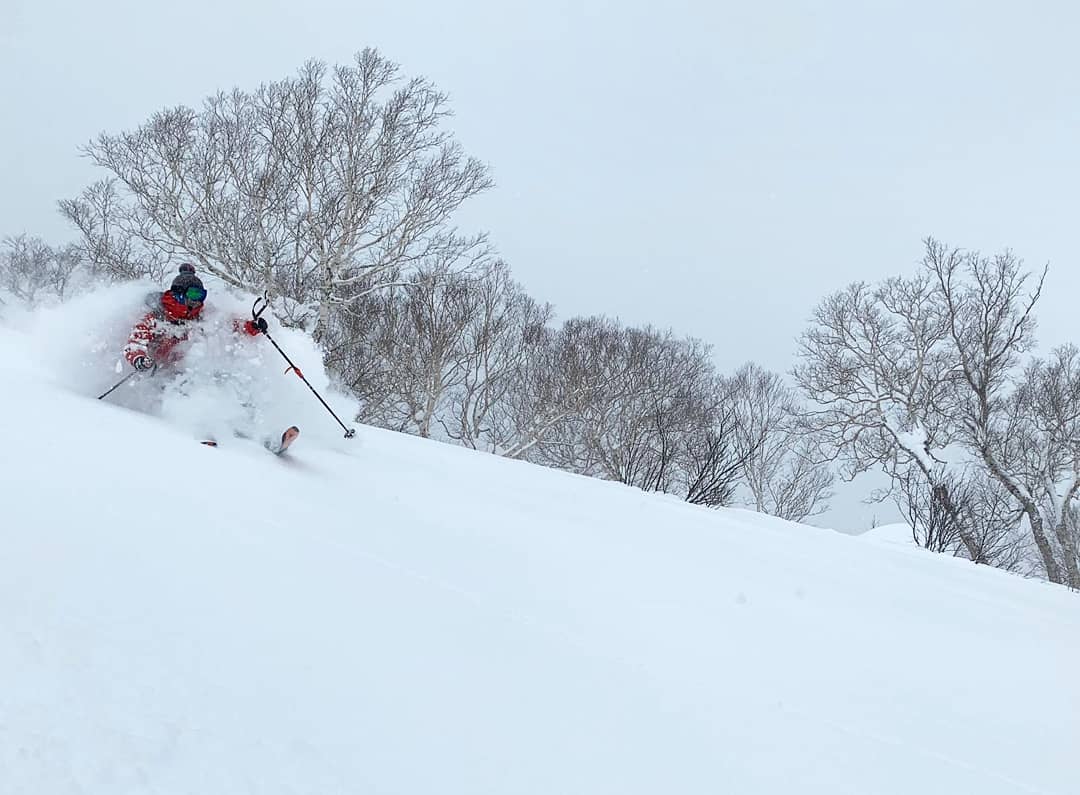
Assuming you'll sweat, wear a base layer that provides minimal warmth and dries quickly
High season layering
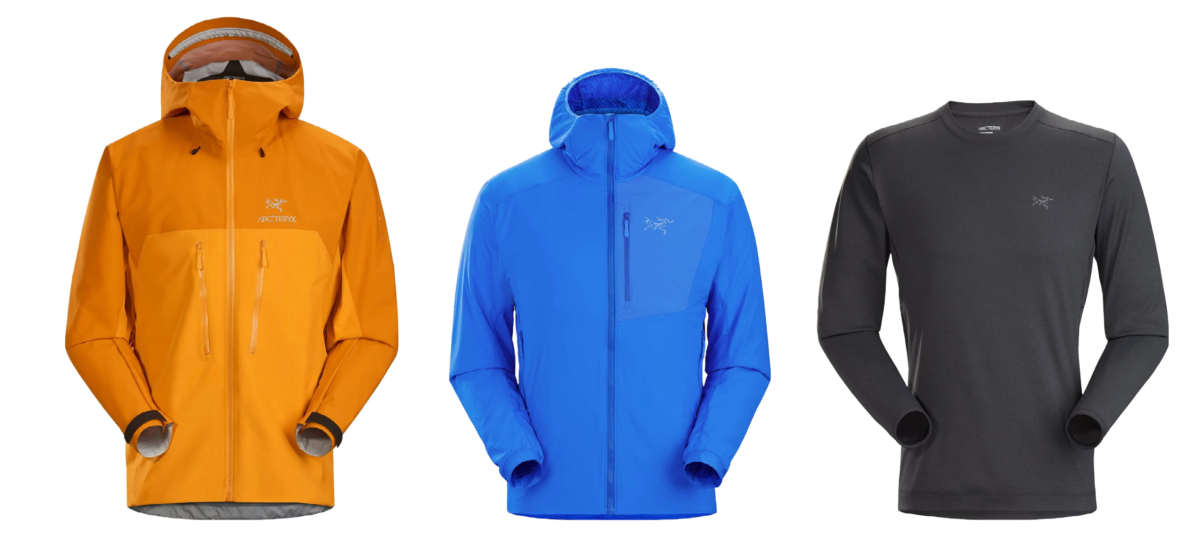
Outer layer: Arc'teryx | Alpha AR JKT
Middle layer: Arc'teryx |Proton FL
Base layer: Arc'teryx|Motus AR
How does it feel to use? (Impressions)
When breaking through deep snow, you sweat a lot, so you need a quick-drying base layer, a mid-layer that is both warm and breathable, and a soft yet strong shell
What about layering for spring?
It may be almost the same as winter, but I often wear a soft shell as my mid-layer
Are there any other ideas you have added?
When hiking, I wear minimal insulation, assuming I'll sweat. When resting or when it's cold, I wear the Arc'teryx Nucray SV that I keep in my backpack
Reviewer:
Daichi Trui
[Main guiding area] All of Hokkaido
[Profile]
While attending university, he aspired to become a mountain guide and studied under international mountain guide Hirofumi Ishizaka. Upon graduating from university, he became a certified guide of the Japan Mountain Guide Association and began guiding. As part of his own activities, since his early twenties he has gained experience in heli-skiing guide training in Northern Europe, mountaineering in the European Alps, and ski touring.
[Qualifications held]
JMGA Mountain Guide Stage I
, JMGA Ski Guide Stage II
, JAN Avalanche Operator Level I
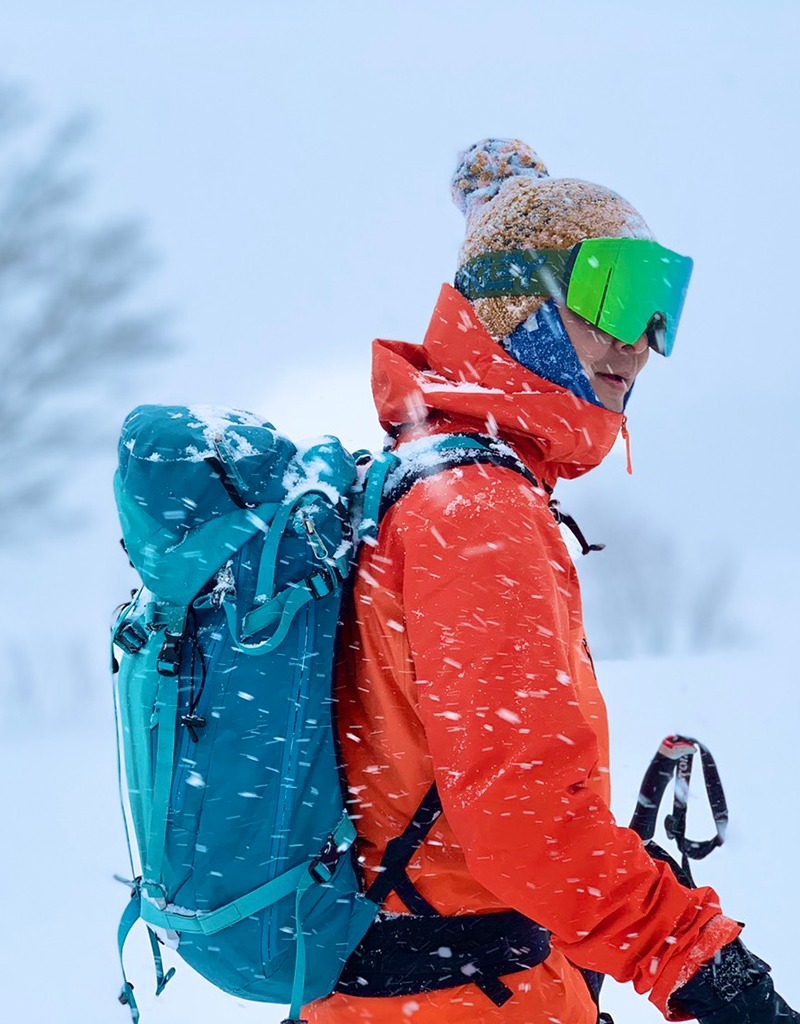
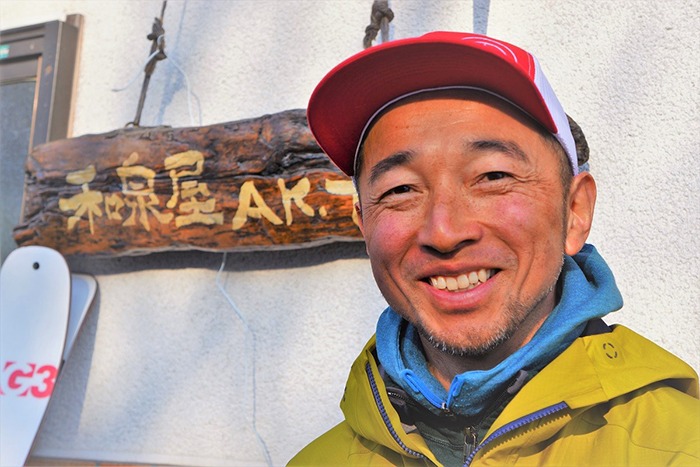
Telemark School & Ski Guide Izumiya AK.T | Kenichi Akutsu
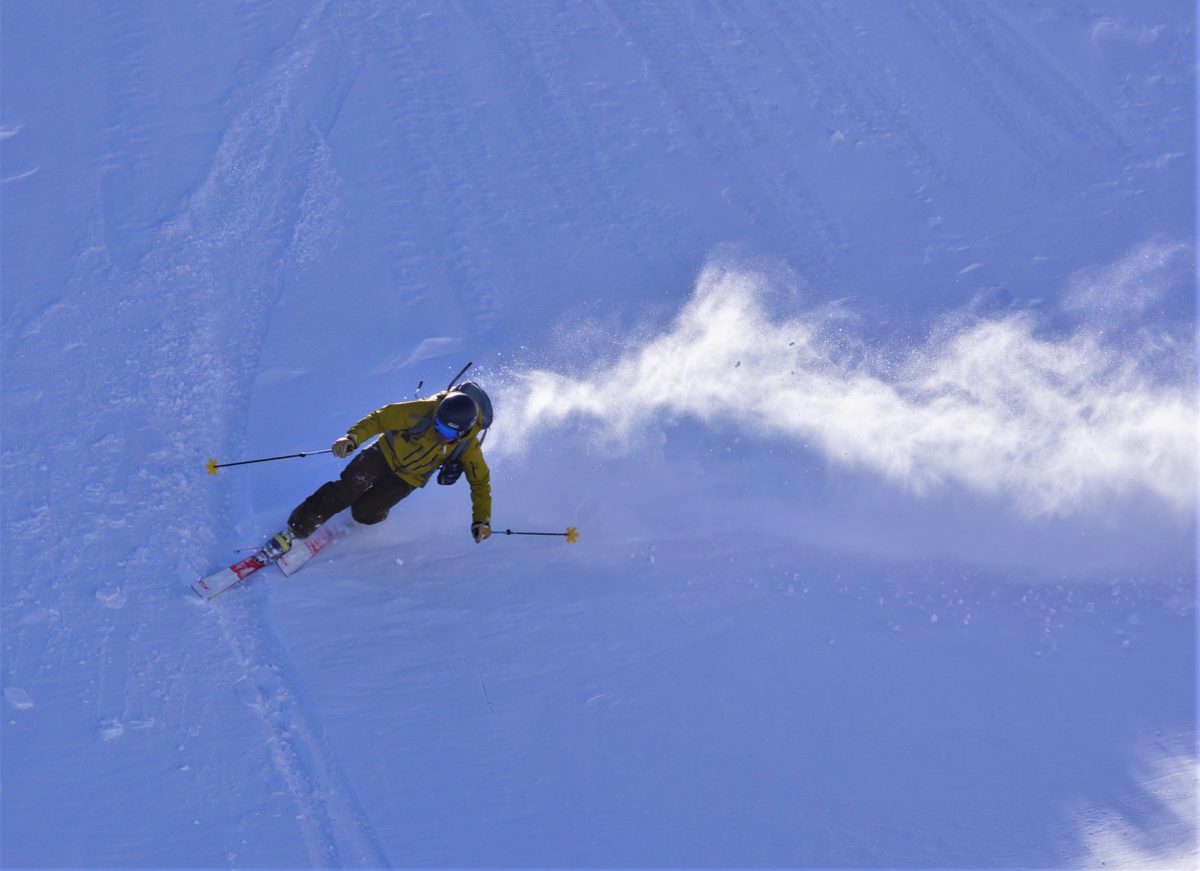
Original styles tailored to the unique situations of Minamiaizu
High season layering
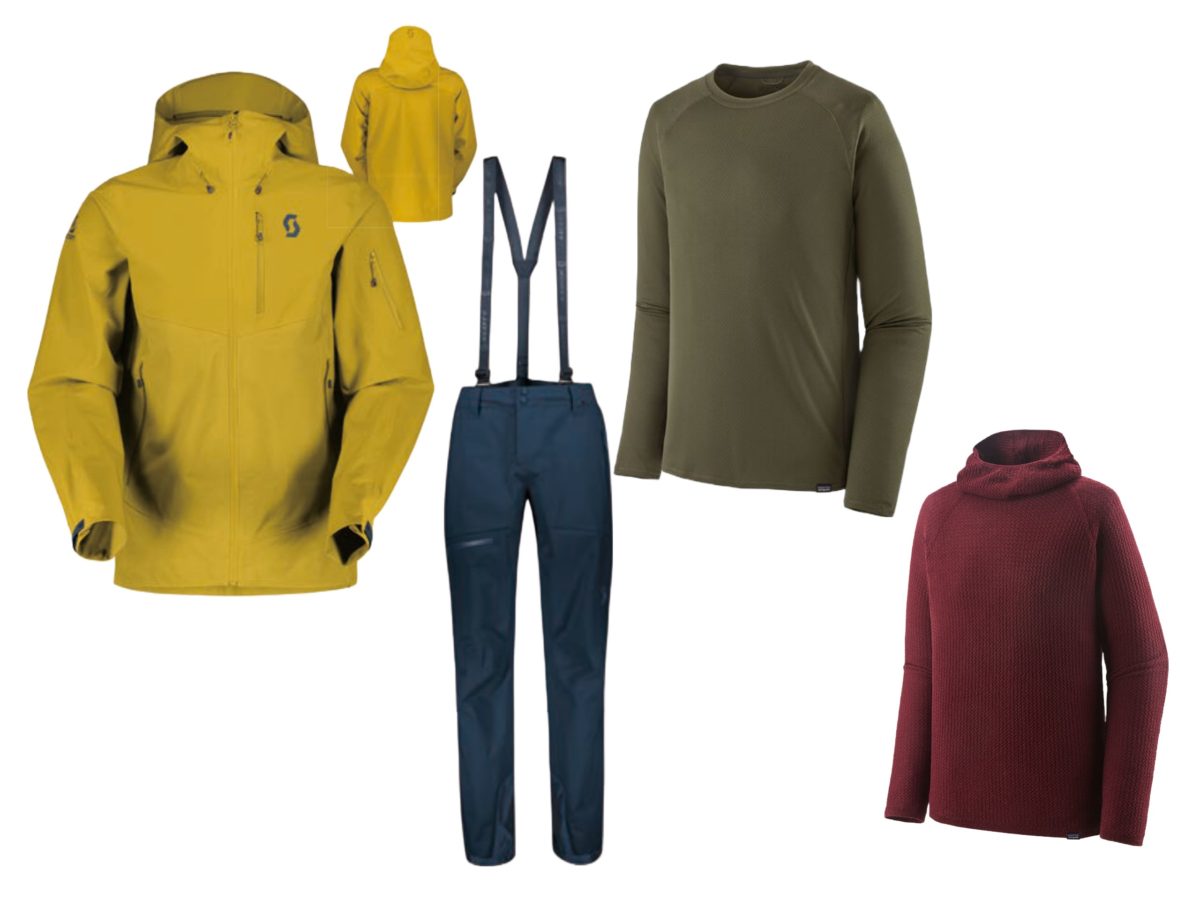
Outer layer: SCOTT | Explorer 3L Jacket & Pants
Middle layer:patagonia| M's Cap MW Crew
Base layer:patagonia| M's Cap Air Hoody
How does it feel to use? (Impressions)
Outer shell: Excellent breathability and lightness, with a silhouette that allows for easy movement. Reasonably priced. The sizing is suitable for Japanese people. I'm 164cm tall and wear a size M.
Mid-layer: Thin fleece, making it easy to layer.
Base layer: The hooded base layer is not too thick, blocks wind well, and is also useful as a balaclava.
What about layering for spring?
Instead of an R1 Free mid-layer, I layer a Capilene Hoody as a base layer with an even thinner Capilene (March-April)
Are there any other ideas you have added?
During the harsh winter months, I carry a Patagonia Nano Air Hoody, and from March onwards, I carry a down vest
Reviewer
Telemark School & Ski Guide Izumiya AK.T
Kenji Akutsu
[Main guiding area] Around Hakuba Village, Nagano Prefecture, Northern Alps
[Profile]
Currently, in Minami-Aizu, he runs a tomato farm in Nango during the summer and the telemark ski school & ski guide Izumiya AK.T during the winter. Support: Caravan (G3, 22DESIGN, SCOTT), Patagonia
[Qualifications held]
JMGA Mountain Guide Stage II
, JMGA Ski Guide Stage II
, TAJ Telemark Ski Instructor
Tyrol | Iwao Saeki
Layering by selecting materials that have the required performance for each layer
High season layering
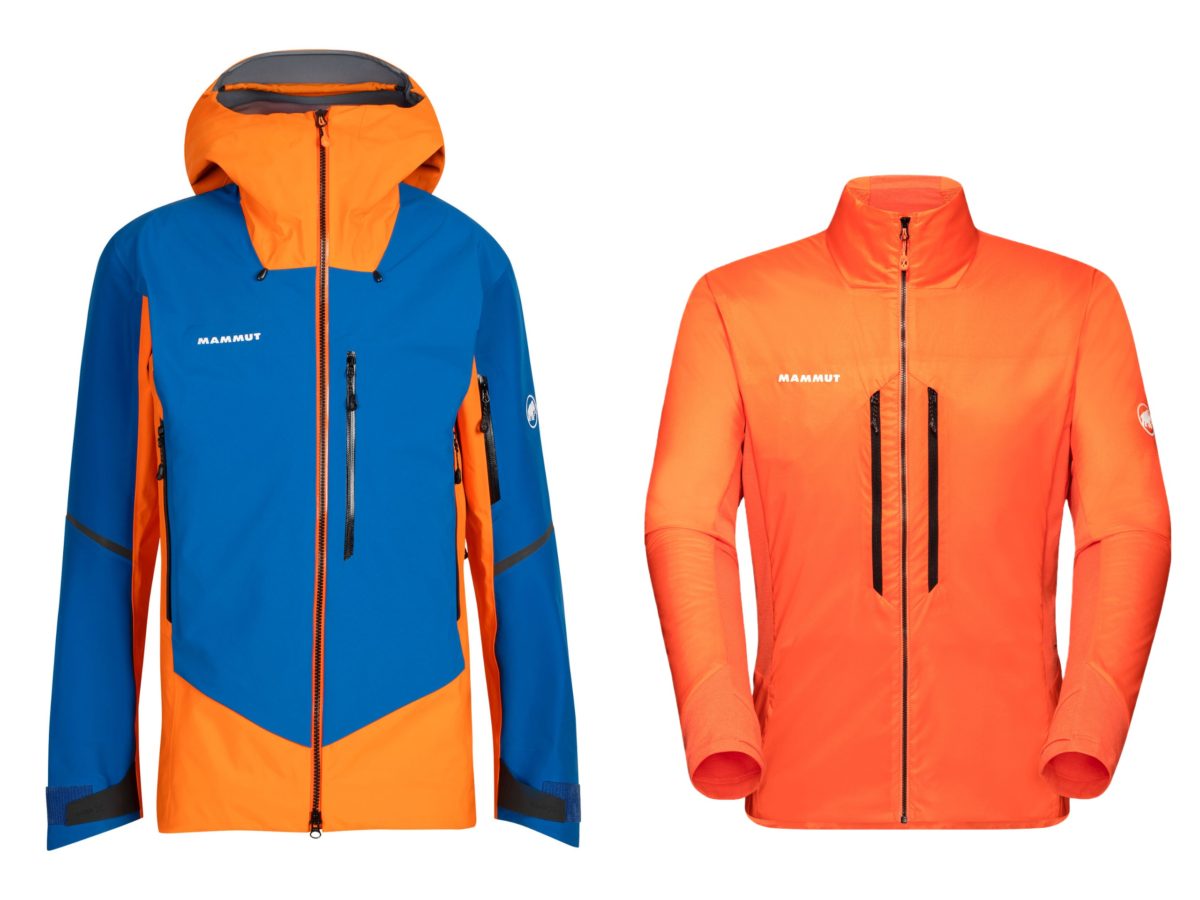
Outer layer: MAMMUT | Nordwand Pro HS Hooded Jacket Men
Middle layer: MAMMUT | Eigerjoch IN Hybrid Jacket Men
Base layer: Smartwool Lightweight
How does it feel to use? (Impressions)
The most important thing for an outer layer is waterproofness and durability. An outer layer that can handle any weather is reliable. The mid-layer needs to be warm, but at the same time, I try to choose something that is highly breathable. I don't use anything with a brushed surface because it easily attracts snow. For the base layer, I try to choose something that doesn't make me sweat and that breathes well
What about layering for spring?
It's basically the same as winter, but the jacket is made of Gore-Tex C-knit
Are there any other ideas you have added?
I always carry a very thin balaclava
Reviewer:
Iwao
Saeki
[Main Guide Area] Toyama Prefecture, Tateyama / Others: Tateyama, Tsurugidake, Hakuba, Myoko
[Profile]
Became familiar with mountain climbing and ski mountaineering from a young age. Participated in the Inter-High School Championships and other competitions in competitive skiing during junior and senior high school. Afterwards, devoted himself to competitive canoeing. Returned to the mountaineering world after winning an award at the National Sports Festival. Specializes in mountain ski guiding. Supported the filming of the movie "Tsurugidake: Ten no Ki" as a mountain guide.
[Qualifications Held]
JMGA Mountain Guide Stage II
, JMGA Ski Guide Stage II
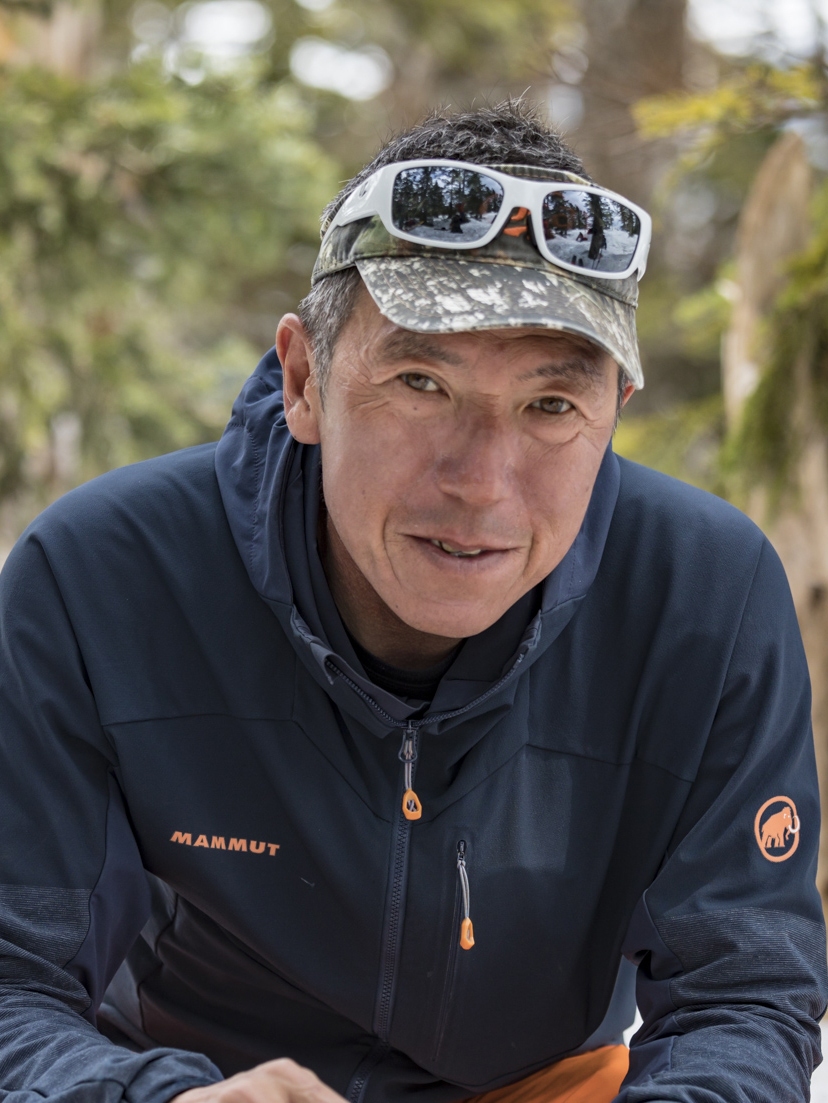
Vertical Land |Yuki Ito
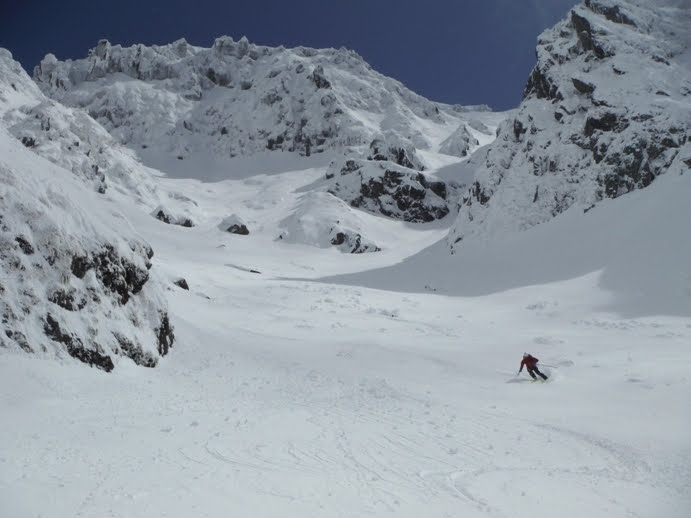
MILLET for comfortable and easy-to-move layering
High season layering
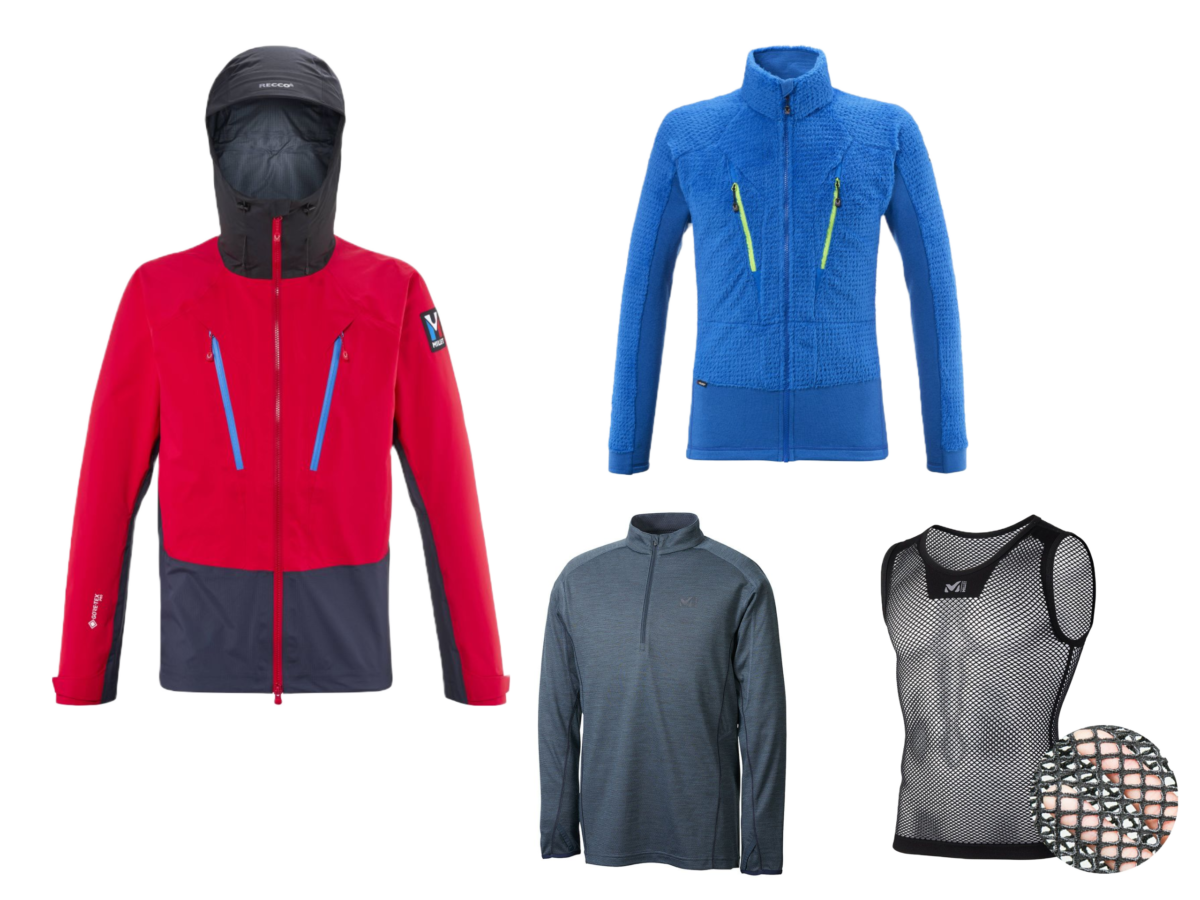
Outer layer: MILLET Trilogy Edge Gore-Tex Pro Jacket
Middle layer: MILLET Trilogy + Wool Jacket
Base layer: MILLET Caster Wool Zip Long Sleeve, Drynamic Mesh NS Crew
How does it feel to use? (Impressions)
The base is made of a Drynamic mesh sleeveless top that keeps you warm and allows for free arm movement. It also keeps you cool from sweat. The wool material in the mid-layer is comfortable to wear. This is important since it's something you wear every day. The outer layer is made of Gore-Tex Pro fabric, so it's comfortable even on slightly humid days
What about layering for spring?
The base is a MILLET Drynamic Sleeveless Top with a T-shirt or a Morpho Zip Long Sleeve Top. → Something that allows heat to escape easily. For the mid-lengths, I'll wear the MILLET Mid-Mesh Hoodie. It's a long-sleeved hoodie, but it's just the right amount of cooling
Reviewer:
Yuki Ito (
Vertical Land)
[Main guiding area] Around Hakuba Village, Nagano Prefecture, Northern Alps
[Profile]
Moved to Canada at the age of 21 and began skiing seriously. Influenced by North American skiing culture, and at the same time became interested in mountain skiing. After completing the Yamnuska Mountaineering School, returned to Japan and started his own business in 2020. His guiding concept is "More mountains in your life."
[Qualifications held]
JMGA Mountain Guide Stage I
, JMGA Ski Guide Stage II
, CAA Operation Level 1 (CAA: Canadian Avalanche Association)