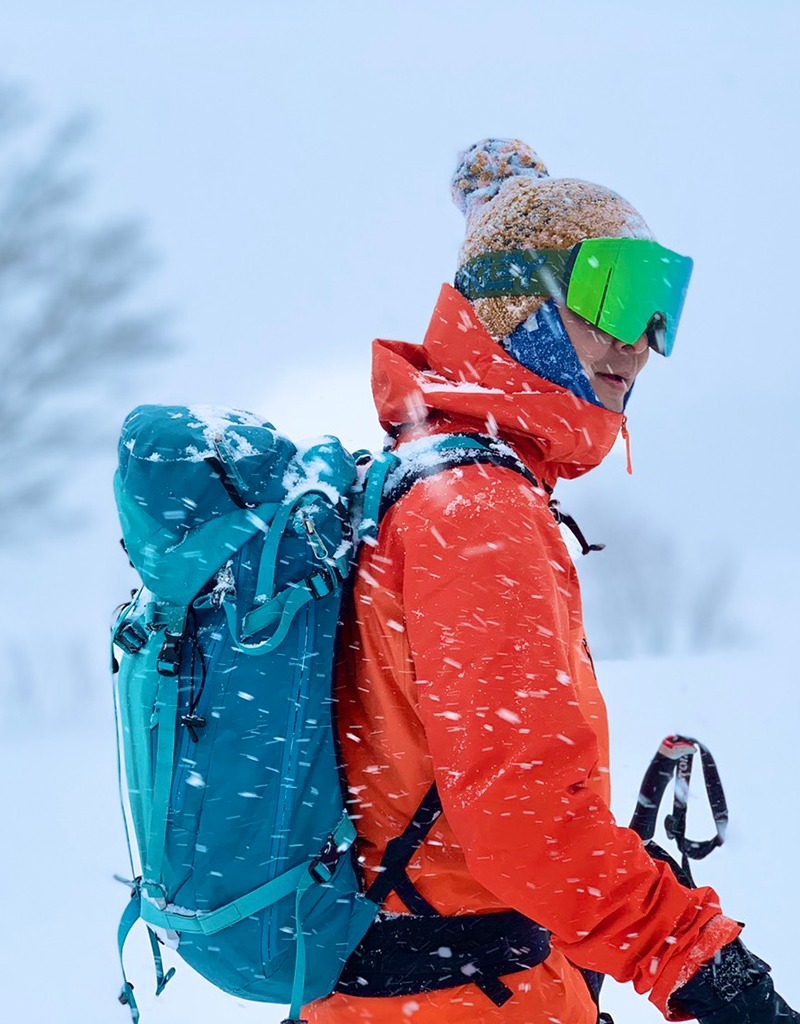

Photo: RIKI JAPOW GUIDE
Backcountry skiing involves long walks, climbs, and skiing on untouched, natural slopes. For those who have never been there, it's an unknown world, and there are many things you don't know, even when it comes to equipment. So, we asked professional guides who have escorted many beginners on backcountry tours to share their recommended gear setup for backcountry beginners
*The term "BC beginner" here refers to a beginner with little or no experience with BC, but is assumed to be a skier whose skiing skills on the slopes are at a level where they can somehow control their skis and descend any slope
A set of skis that are easy to handle even in powder and boots that are light and easy to hike with
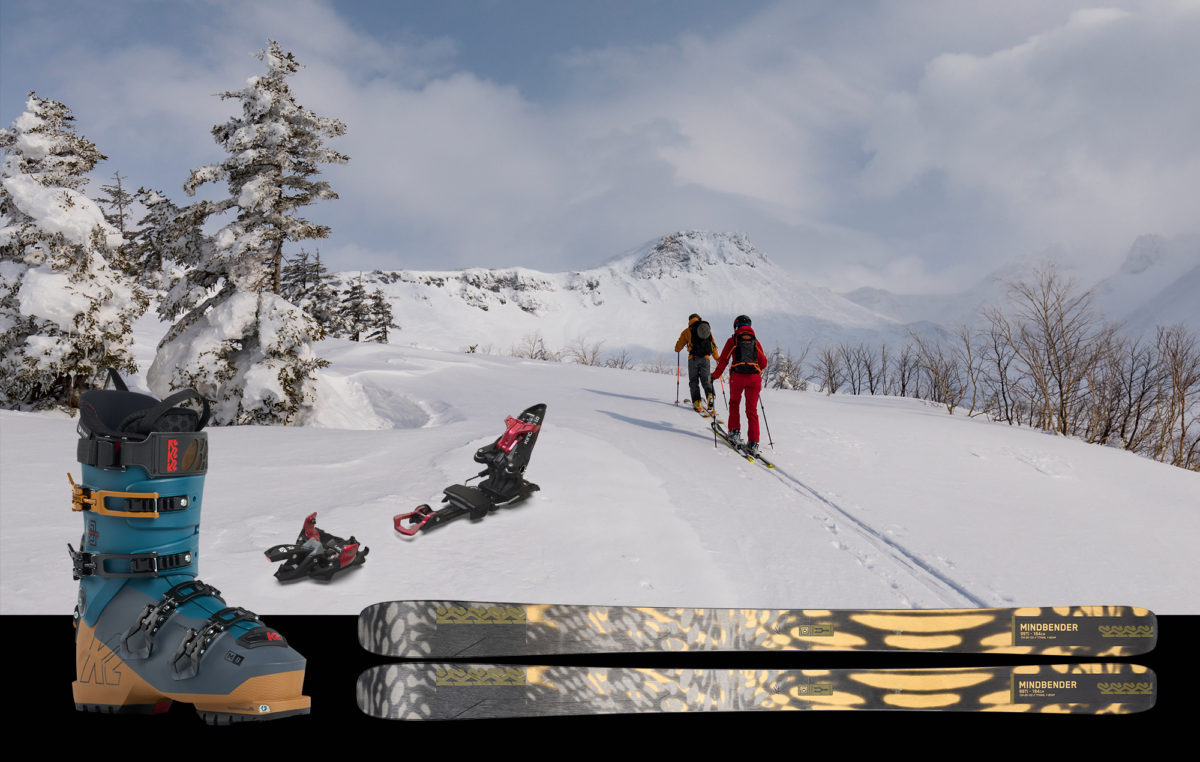
Gear Setup Recommended for Beginner BC Skiers
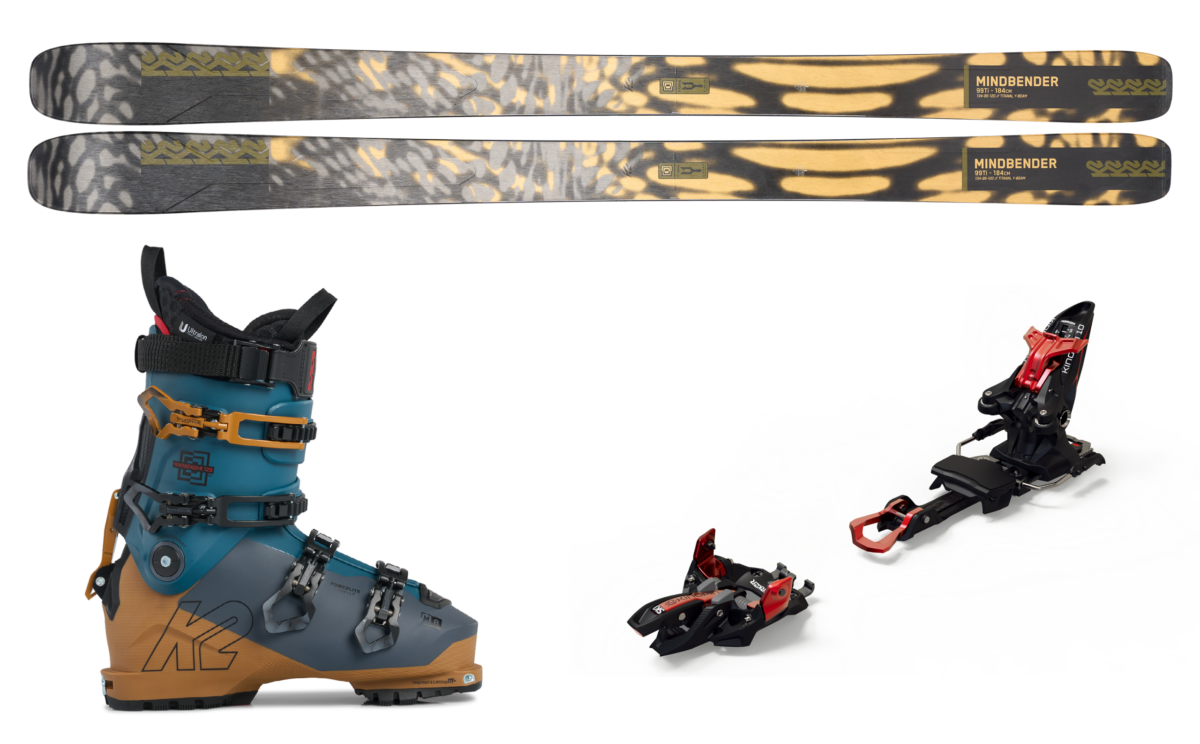
SKI:K2|MINDBENDE 99Ti
BINDINGS: MARKER|KINGPIN10
BOOTS:K2|MINDBENDE 120
This setup features skis that are easy to maneuver in powder, lightweight bindings, and lightweight boots that are easy to hike with. The MINDBENDE 99Ti skis are not too thick and provide buoyancy in powder. The light swing weight makes it easy to maneuver side to side, even in powder.
The KINGPIN10 is highly reliable and reduces overall weight underfoot. The heel hold provides a secure and stable feel when skiing.
The MINDBENDER120 boots are easy to put on and take off, even in low temperatures. They are extremely light at 1675g, reducing fatigue when hiking. The wide 50-degree range of motion allows for larger steps when hiking. Switching to alpine skiing is also easy with a single touch. The 120 flex provides a supple yet reassuring height and stability when skiing.
Reviewer:
Kagura Powder Station
Kazuya Igarashi
[Main guide area] All areas entering from the BC gate at the top of the mountain with the 5th Romance Lift at Kagura Ski Resort / Other: Spring tours of Mt. Tateyama, Mt. Gassan, Mt. Fuji, etc.
[Qualifications]
JMGA Ski Guide Stage II
JAN Avalanche Worker Level 2
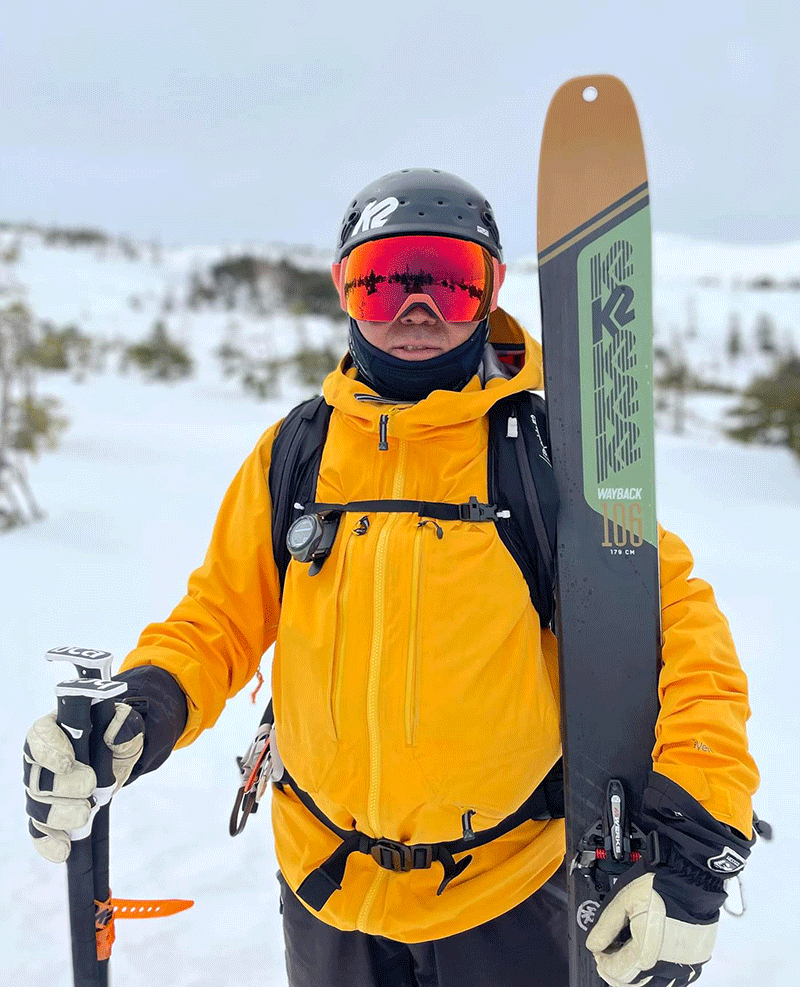
It's also perfect for enjoying the BC slopes

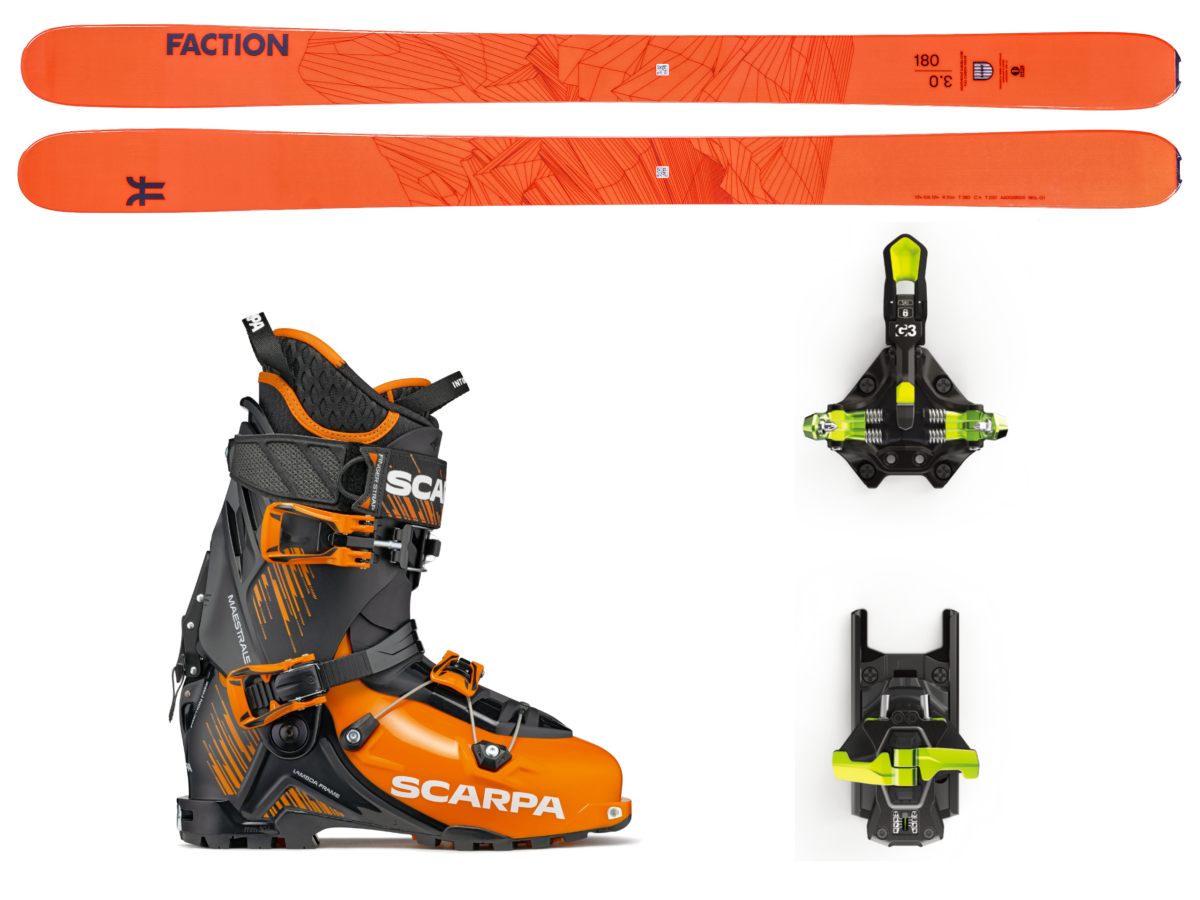
Gear Setup Recommended for Beginner BC Skiers
Skis: FACTION | agent3.0
Bindings: G3 | zed12
Boots: SCARPA | Maestrale
For beginners to backcountry skiing who are nervous about climbing (those with little mountaineering experience or lack of stamina), we recommend lightweight gear. Whether wearing skis or carrying them, your body will be subjected to stresses you don't normally experience. Lightweight gear will reduce your disadvantage compared to others. If
you're nervous about skiing, I recommend skis that are easy to handle in any snow condition and terrain. Lightweight skis, about 100-110cm in center, with a length roughly equivalent to your height, and a slightly softer tail, will make them relatively easy to handle even in bad snow like monaka snow, and they'll also be great for enjoying powder.
With that in mind, we recommend the following setup:
Ski: 106cm in center, neither too wide nor too narrow. This width is just right, allowing you to feel the floating sensation in powder while still providing solid edging. Lightweight with just the right amount of tension, they're easy to handle, and designed to be just right for enjoying backcountry skiing like you're enjoying the slopes.
Binding: Not only are they lightweight, but they're also simple and trouble-free.
Boots: They allow a wide range of ankle movement, making climbing easier, even on steep slopes where backcountry skiing beginners often struggle.
We occasionally see beginners who are overwhelmed by the hassle of over-spec gear and lose the ability to enjoy the backcountry itself. Start with easy-to-use gear that suits your level and enjoy your day in the mountains.
Reviewer:
Yuki Ito Vertical Land
[Main guiding area] Hakuba Village, Nagano Prefecture, Northern Alps
[Qualifications]
JMGA Mountain Guide Stage I
, JMGA Ski Guide Stage II
, CAA Operation Level 1 (CAA: Canadian Avalanche Association)
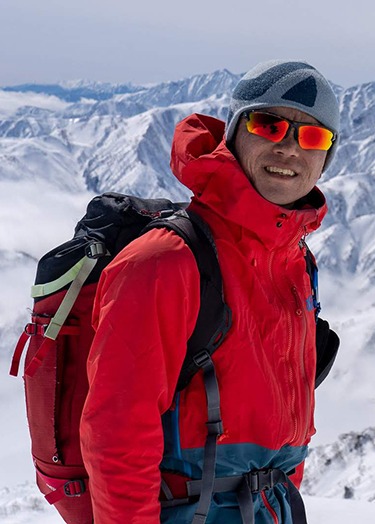
BC covers areas that beginners are weak at. First, set up so you can control it and not fall
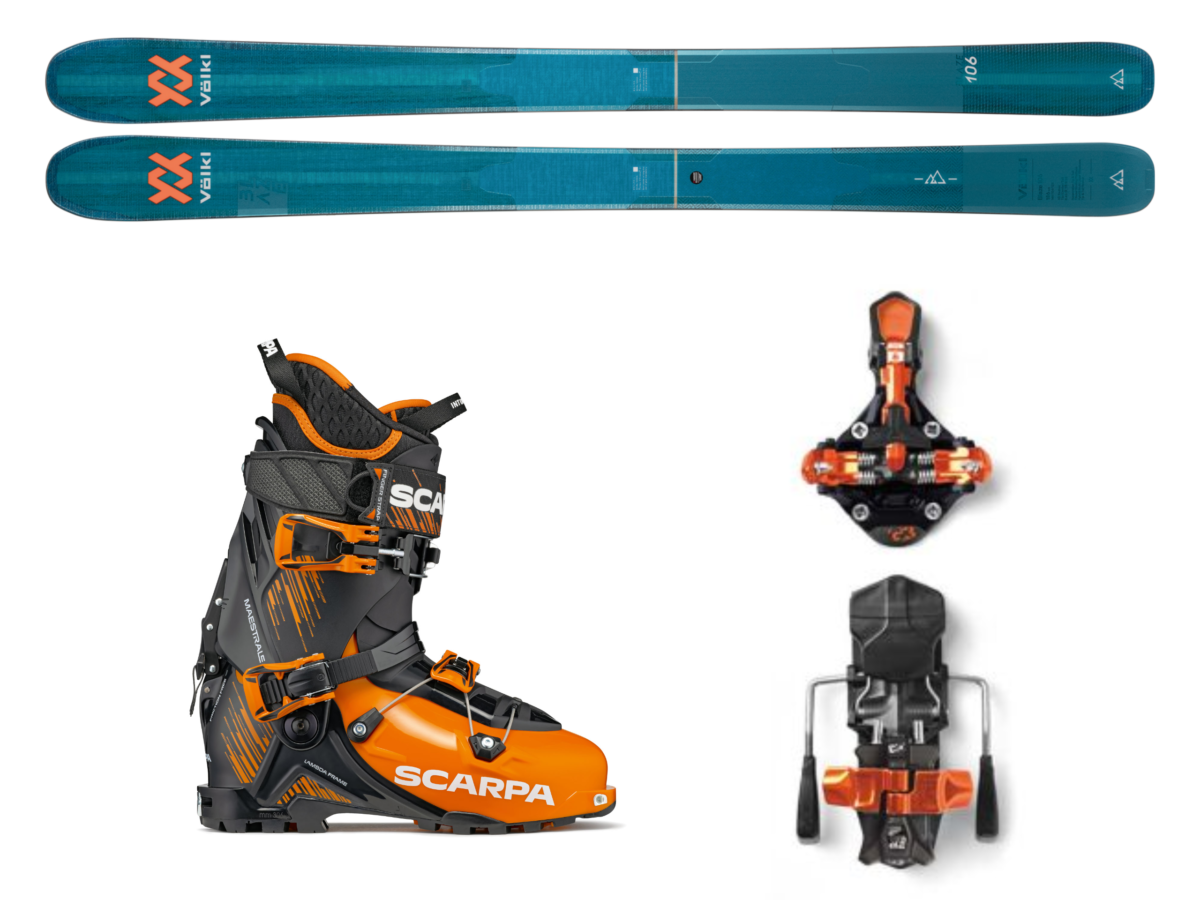
Gear Setup Recommended for Beginner BC Skiers
Ski: VÖLKL | BLAZE106
Bindings: G3 | ION
Boots: SCARPA | Maestrale
The VÖLKL BLAZE10 has a nice, loose feel, and even if you're positioned far back, it doesn't suddenly lurch, allowing you to ski with confidence even in bad snow. Even on good snow, boards that are easy to control allow you to ski boldly and enjoyably. When
it comes to bindings, choose ones that are easy to put on, walk in, and reasonably lightweight. I recommend the G3 ION, having used them in many areas for several years and feeling confident in them. Beginners rarely notice the difference in binding performance in powder, so I recommend ones with good walking performance for climbing, which is difficult for beginners.
The same goes for boots. You can't ski without walking, so wear boots that are easy to walk in and aim to get to the top of the slope without getting tired. Unlike on the slopes, there are no patrols to help you, so the first priority is to avoid falling and control your speed about 70% of the time. It might be better to wait until you've gained more experience before using stiffer boots for racing.
Reviewer
Kuroda Mountain Guide Office
Makoto Kuroda
[Main guide area] Centered around Joshinetsu, to the area of your choice
[Qualifications]
International mountain guide
, JAN avalanche worker Level 2
I don't want to compromise on the glide, but I want it to be as light as possible
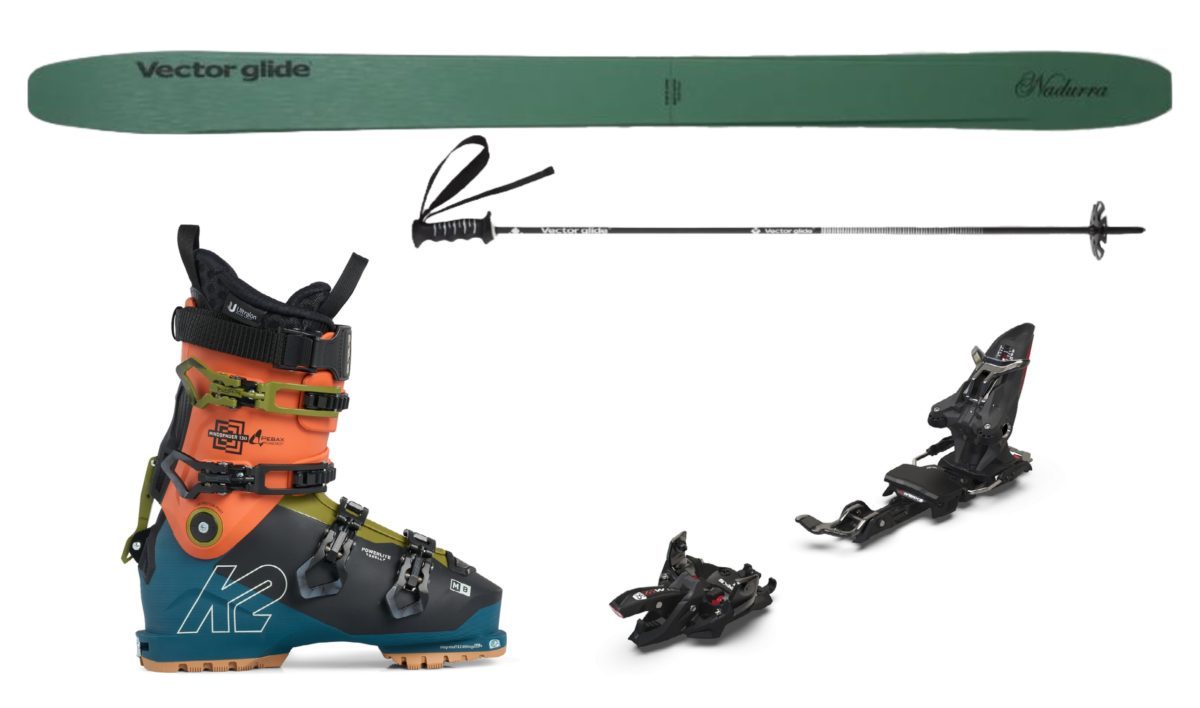
GEAR Setup
SKI: Vector Glide | nadurra185
BINDINGS: Marker | KINGPIN m-werks12
BOOTS: K2 | MINDBENDER130
As for the important points and points to keep in mind when choosing gear for beginner BCs, first of all, while online shopping is convenient, I recommend purchasing in person whenever possible. Ski boots inevitably have to fit your feet well, so it's best to try on every pair of boots the store staff recommends and choose the one that feels the most comfortable. While
each brand and model of skis offers different ski feel, your first pair won't tell you what kind of skis you'll like, so the best choice is to choose skis that appeal to you most, including design and price, within the 110mm center width range.
The photo shows the setup I use, and I think it best suits users who want as light a setup as possible without compromising on skiability.
The Nadurra is a wide model with a center width of 115mm, but I was able to enjoy everything from the deep, airy snow of Mt. Asahi to the alpine snow of Mt. Rishiri to the corn snow of Mt. Tateyama all season long with just this one ski. The skis' side curve is not too sharp, so they provide excellent edge grip even when climbing or descending on hard snow, giving you a sense of security. I
've been using KINGPIN for about five years now, and it's one of my most trusted pieces of gear, with no major issues. By following the same rules as other companies' products, such as keeping the toe piece down (spring compressed) when not wearing the boots and thoroughly removing snow before changing modes, you should be able to significantly reduce the risk of damage.
The MINDBENDER is a wide, warm, not too heavy boot that can push the snow and is recommended for everyone. Lower the boot flex depending on your skiing level.
Reviewer
CIRCLE GAME guide service
Shohei Sasaki
[Main guide area] All of Hokkaido
[Qualifications]
JMGA Mountaineering Guide Stage II
, JMGA Ski Guide Stage II
, JAN Avalanche Worker Level 1
The first thing you should get is a model with excellent all-around performance
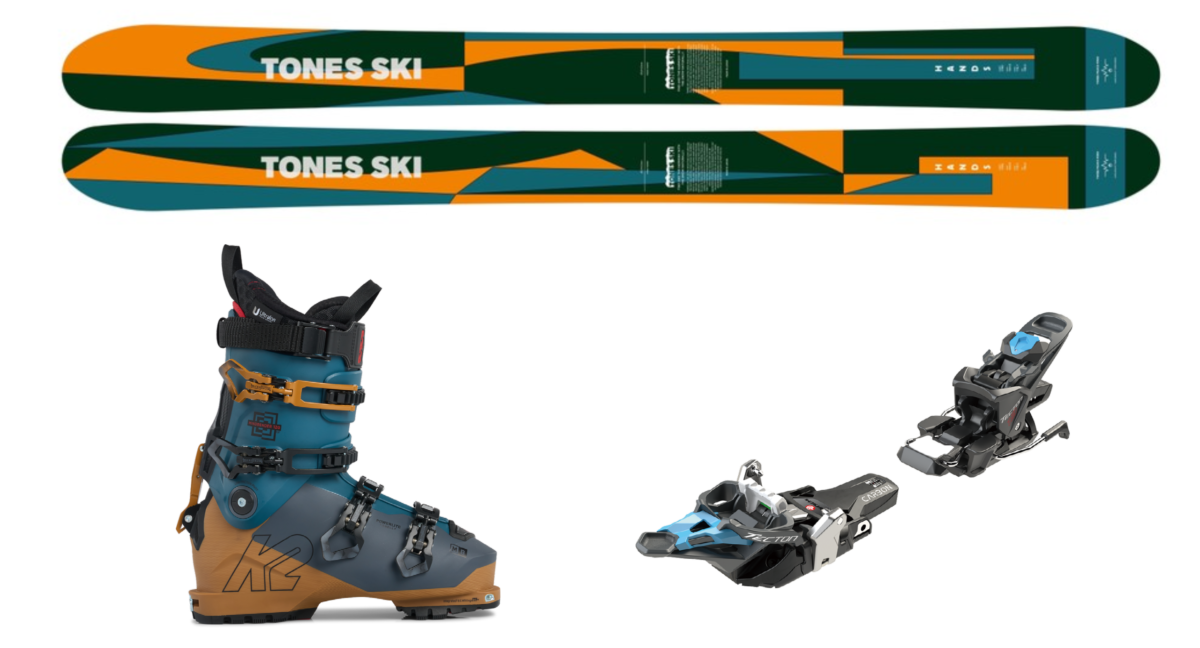
Gear Setup Recommended for Beginner BC Skiers
SKI:TONES SKI|HANDS Light taste
BINDINGS:FRITSCHI|TEKTON 13
BOOTS:K2|MINDBENDER110
The perfect match between the Japanese-made TONES SKI and FRITSCH TECTON skis ensures reliable quality. For your first pair of skis, choose a model with excellent all-around performance. You'll want a model that provides buoyancy in all snow conditions and also excels on groomed runs. The HANDS Light Taste offers a relatively reliable rigidity with balanced torsion, providing excellent rotation in any situation, making it a recommended choice for beginners to backcountry skiing. You'll
also want to ensure balance against risk with your bindings. The FRITSCH TECTON features the well-known release function on the toe piece, providing high safety.
The K2 MINDBENDER 120 also boasts reliable quality. Among boots of this type, these offer excellent balance, from comfort when transitioning from walk mode to ski mode to reliable performance in each component. From the sensation of putting on your foot to the feeling of your entire foot gripping the snow, you can expect an enhanced skiing experience.
Whether you're choosing skis, bindings or boots, you want to choose products that are reliable and will last, so they'll be your companion for years to come.
Reviewer
COLOR SPORT CLUB
Tomohiro Tonegawa
[Main guide area] Hakuba Valley (Hakuba, Otari, Omachi) / Other: Tateyama, Senjojiki, Myoko, Mt. Fuji
[Qualifications]
JMGA Mountain Guide Stage II
, JMGA Ski Guide Stage II
, JAN Avalanche Worker Level 2
Highly accurate, reliable and well-balanced all-rounder
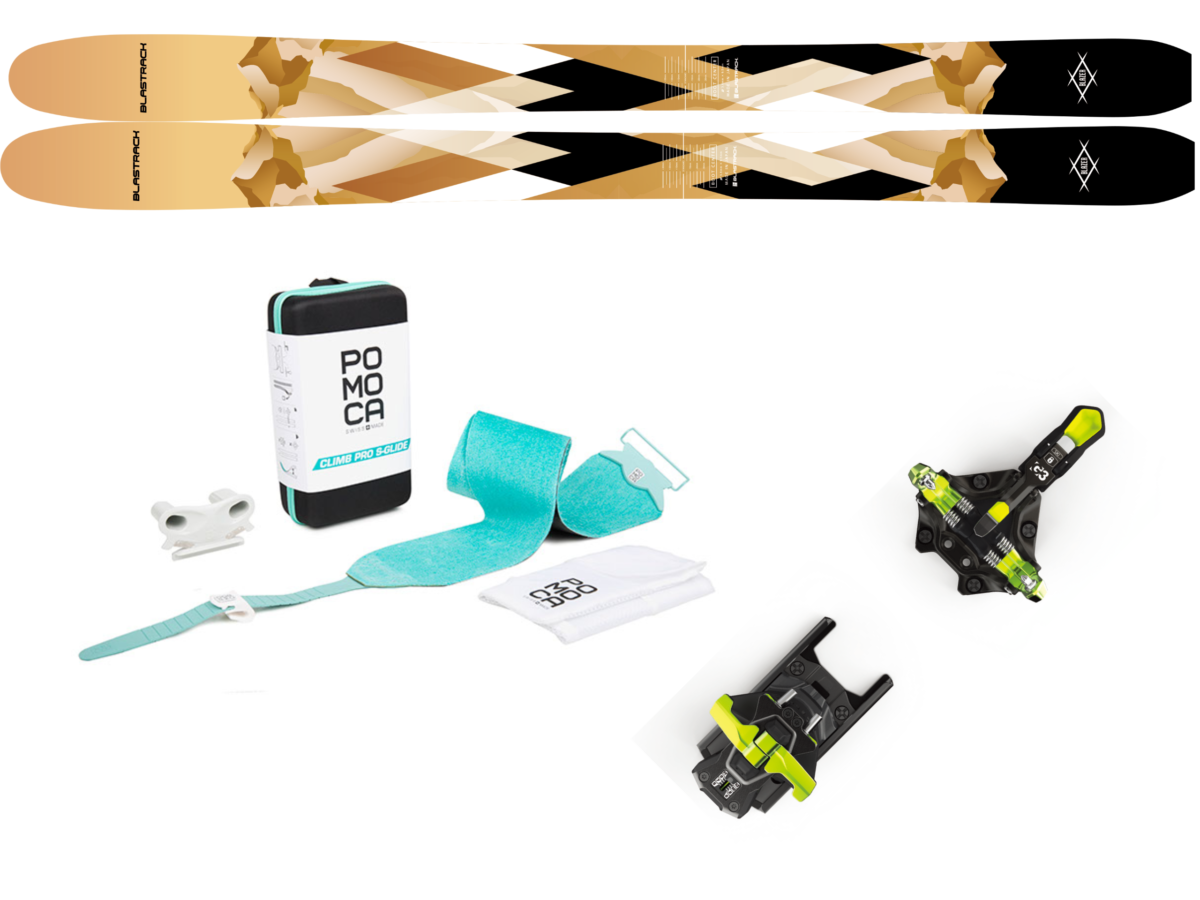
Gear Setup Recommended for Beginner BC Skiers
SKI: Blastrack | Blazer / NA
BINDINGS: G3 | ZED12
SKIN: POMOCA | CLIMB PRO S-GLIDE
Blastrack products are made in Japan, so they are highly reliable and of high quality. Among them, I recommend the Blazer, a well-balanced all-rounder. With a center width of 97mm, it's the perfect width for everything from slightly hard snow to powder, and it's not too light, so it doesn't sacrifice stability at high speeds. It
also comes in a wide range of lengths, from 164-185cm, so you can choose the length that's right for you without overdoing it. The best thing about boots is finding the perfect fit for your feet. Watching our guests, I think stickers are very important. My recommendation for stickers is the POMOCA CLIMB PRO S-GLIDE.
Reviewer:
Akiko Nakae, Epic Japan
[Main guide areas] Hakuba, Nozawa Onsen, Myoko, Togakushi, Tateyama / Other: Hokkaido: Asahikawa, Furano area, Eastern Hokkaido, Niseko
[Qualifications]
JMGA Ski Stage II, Mountaineering Guide Stage II
, JAN Avalanche Worker Level I
Recommended setup for those who want to switch from alpine to telemark skiing
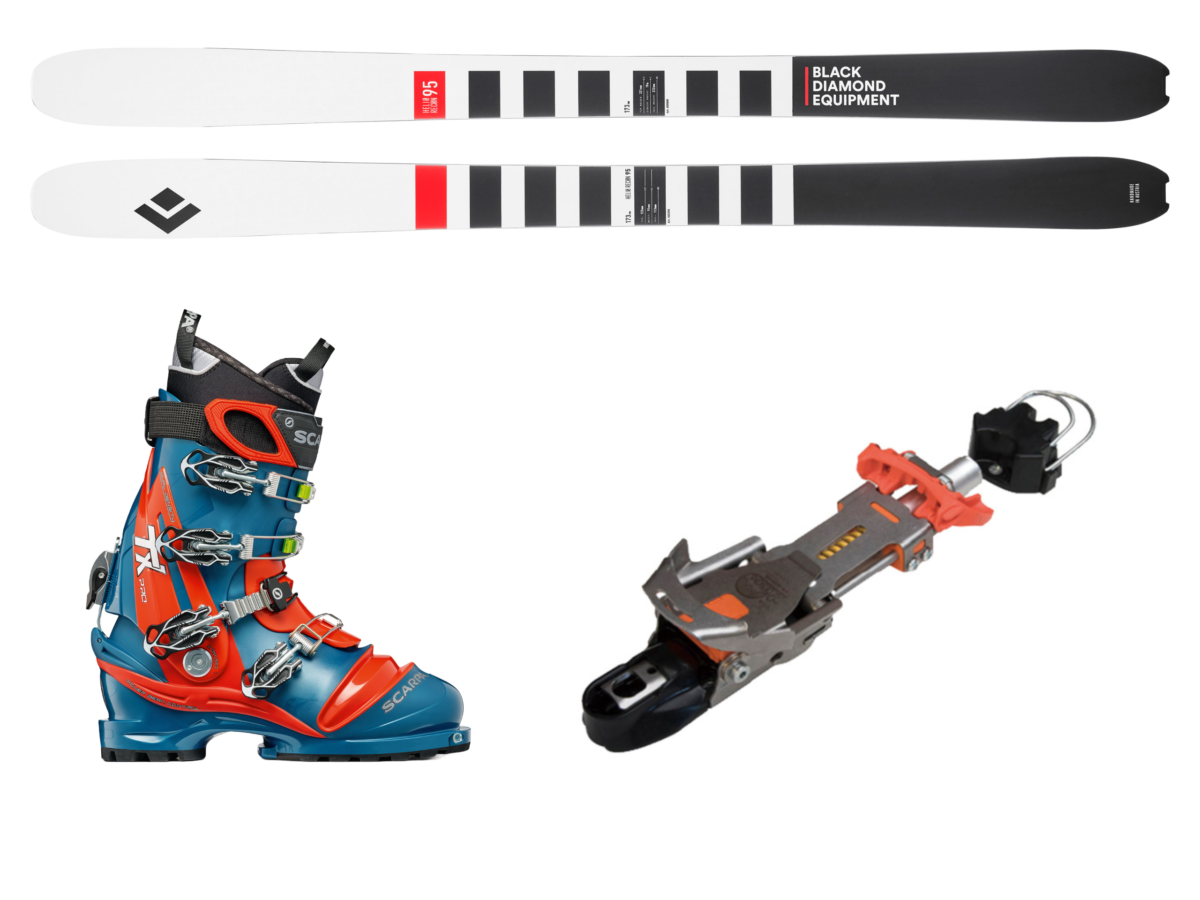
Gear Setup Recommended for Beginner BC Skiers
Skis: Blackdiamond | Helio Recon 95
Bindings: 22 Designs | Outlaw X
Boots: Scarpa | TX Pro
This setup has a center width that is easy to handle even for beginner telemark skiers, and prioritizes ease of use over lightness for both the skis and bindings. This setup is recommended for those who can ski anywhere on the slopes with alpine skis but want to start telemark skiing
Reviewer
Infield
Toyokazu Nakano
[Main guide areas] Myoko, Kubiki area, Hokushin area / Other: Mt. Tateyama, Mt. Chokai, etc.
[Qualifications]
JMGA Ski Guide Stage II
, JAN Avalanche Worker Level 2
First of all, I want you to have a well-balanced set that is light and well-rounded
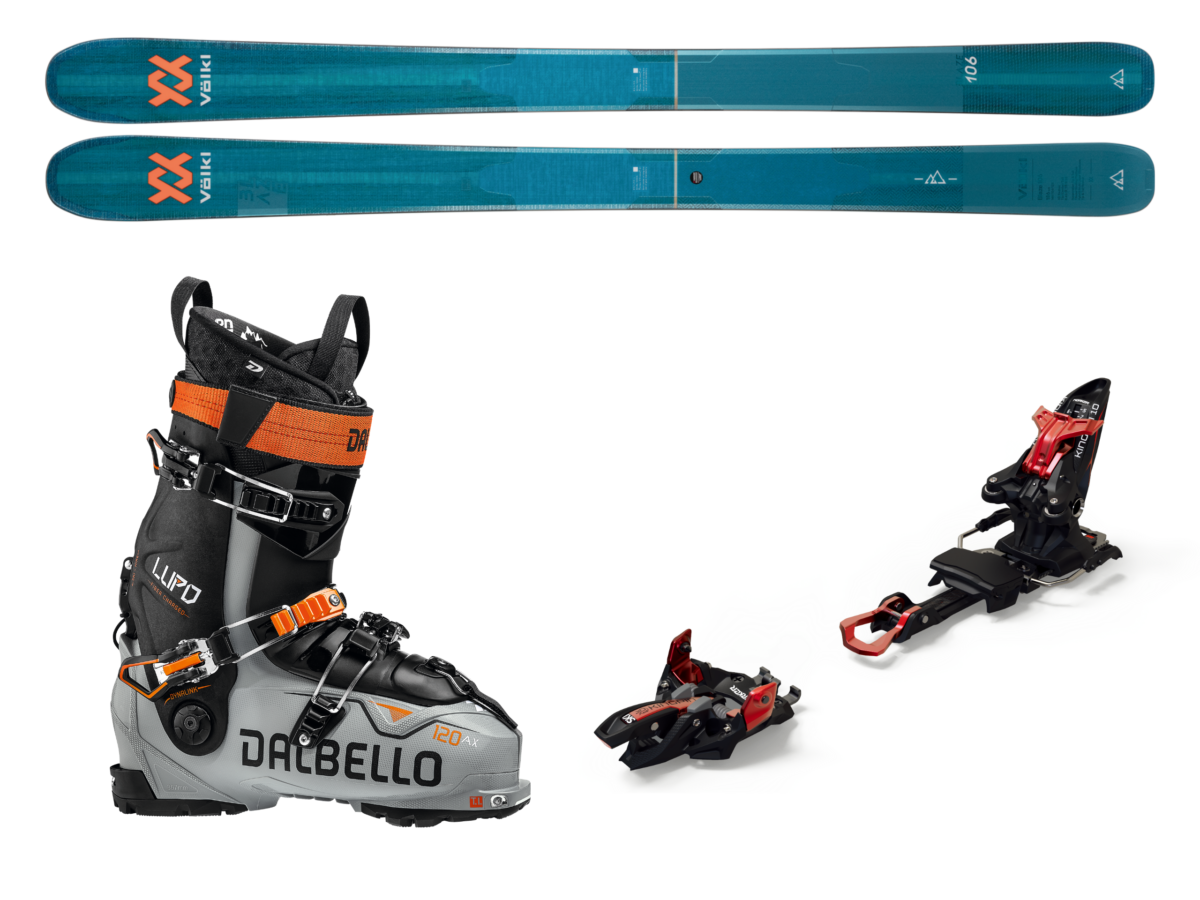
Gear Setup Recommended for Beginner BC Skiers
SKI: VÖLKL | BLAZE106
BINDINGS: MARKER | KINGPIN 10
BOOTS: DALBELLO | LUPO AX120
The first set I recommend for guests new to backcountry skiing is a well-balanced, all-around setup that's lightweight enough for a variety of situations. This setup covers everything from powder to granular or packed slopes.
I use a variety of types, but this is by far the one I use most often. For those who typically use skis with a center of 60-70mm on the slopes, a center of 106mm may seem extra thick, but if you plan to go backcountry even in the peak season, this level of buoyancy is desirable.
For women, I also recommend the VÖLKL BLAZE106 W as an entry-level model. The reasons are the same as for the men's model: its well-balanced design, regardless of conditions, and its ease of use for all skiing skill levels.
As a long-time VÖLKL skier, I've felt that their ski-making philosophy is based on the idea that "skis that are satisfying for advanced skiers but difficult for beginners and intermediates" and "skis that are easy for beginners and intermediates to use but not satisfying for advanced skiers can really be called good skis." I feel that they are challenging themselves with product development that challenges these questions. So, while they are high-end models, they are by no means difficult to use. Although they are labeled "W (women's)," the specs are nearly identical to those of men's skis, and regardless of gender, you can choose them based on the size range and your preferred graphics.
Please don't get me wrong: you can enjoy backcountry skiing without backcountry gear. Gear specifically designed for backcountry skiing makes the experience easier and more fulfilling. However, the most important thing is to actually try backcountry skiing, rather than buying the gear. At LOCUS GUIDE SERVICE, we offer rentals of the above sets, including seals, as well as tour binding sets that can be used with your current boots. Please take advantage of these rental options.
Reviewer
LOCUS GUIDE SERVICE
Kazuya Furuse
[Main guide area] Hakuba area
[Qualifications]
JMGA Ski Guide Stage II
, JAN Avalanche Worker Level 2
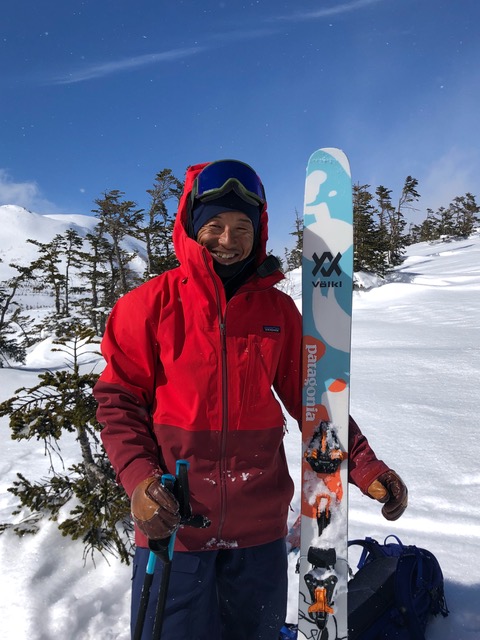
A setup that is light, easy to operate, and has excellent sliding sensitivity
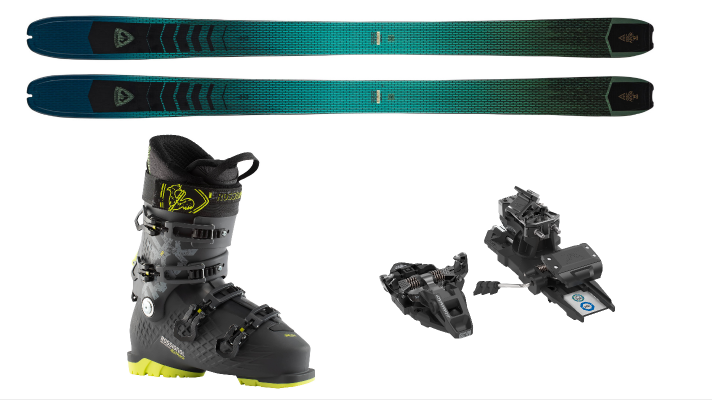
Gear Setup Recommended for Beginner BC Skiers
SKI:ROSSIGNOL|ESCAPER97 NANO
BINDINGS:DYNAFIT|ST Rotarion
BOOTS:ROSSIGNOL|All TRACK110
The skis are about the same length as your height and about 100cm wide. The ESCAPER97 NANO (Rossignol) are light and easy to use without sacrificing maneuverability. Personally, I recommend the TLT bindings, but the ST Rotarion (Dynafit) are more secure and easy to use.
Lighter boots are recommended for those with less stamina. My top pick is the All TRACK110 (Rossignol). The wide last makes them comfortable and easy to wear for long periods of time. They offer lightness while still providing excellent sliding feel.
Reviewer
RIKI JAPOW GUIDE
Riki Nakajima
[Main guide areas] Around Tomamu, around Furano, around Asahikawa / Other: Niseko, Rusutsu, Nozawa Onsen
[Qualifications]
JMGA Mountaineering Guide Stage II
, JMGA Ski Guide Stage II
, JAN Avalanche Worker Level 1
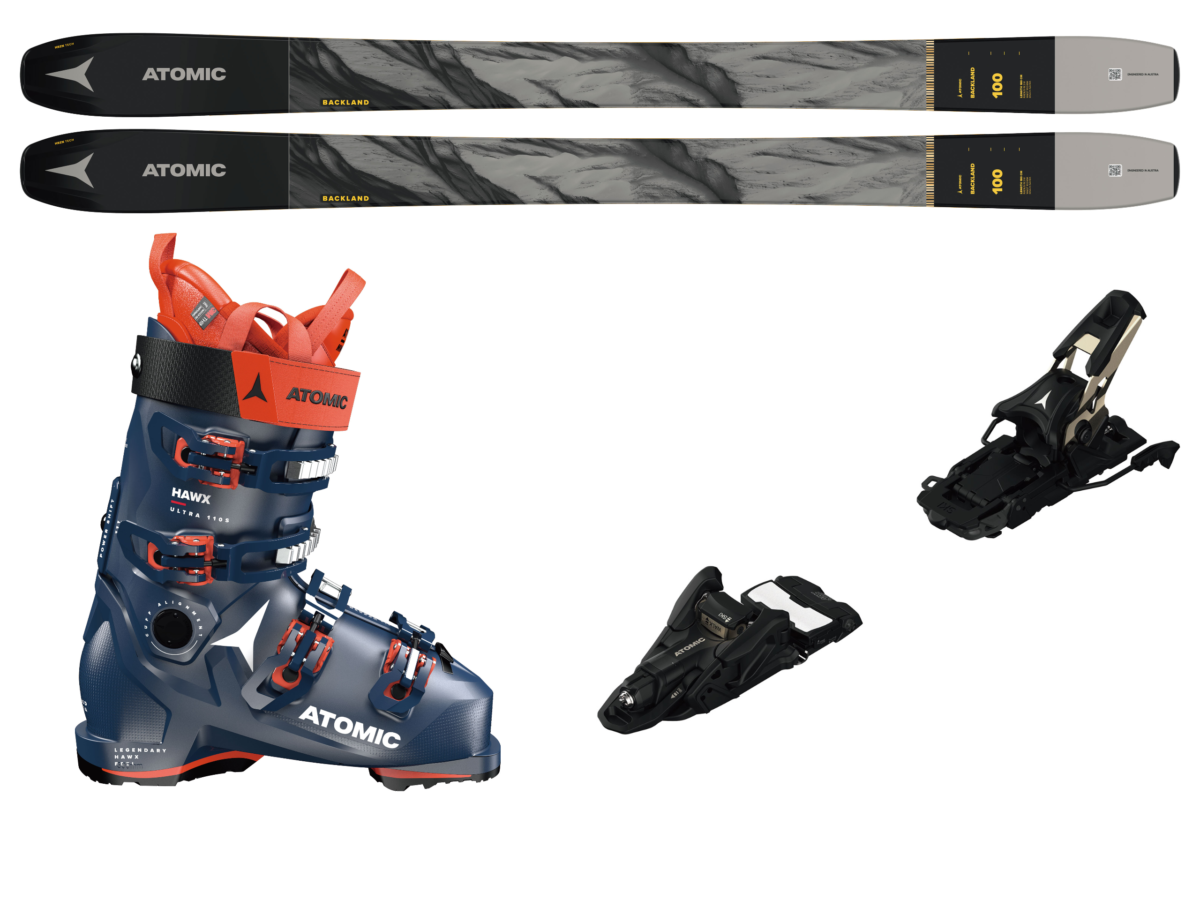
A recommended setup for your first lens, with a center of 100mm
Gear Setup Recommended for Beginner BC Skiers
SKI:ATOMIC|BACKLAND100
BINDINGS:ATOMIC|SHIFT
BOOTS:ATOMIC|HAWX URTLA XTD110
We recommend skis with a center of 100mm as your first pair, as they can be used from the beginning of the season through the high powder season and spring season. Even if you purchase your second or third pair of skis, 100mm skis will be useful as all-rounders.
The bindings are SHIFT., and when hiking, the bindings don't touch your feet like tech bindings, so they feel lighter, and the foothold for walking is closer to your toes, making them easier. When skiing, the bindings are step-in, so there's forward pressure, which provides excellent tracking and safety, and we recommend them.
Hawks boots are not only light, but also have thick inner boots and a great fit. If you're only considering powder, you don't need a very stiff flex at first.
Reviewer
Daichi Terui
[Main guide area] All of Hokkaido
[Qualifications]
JMGA Mountain Guide Stage I
, JMGA Ski Guide Stage II
, JAN Avalanche Worker Level I