
INDEX
- Waxing: Bringing out the best in your skis' gliding performance
- The keyword is liquid wax. Highly recommended!
- However, there is also a traditional method using solid wax. In that case, do it like this
- How does wax work with stickers?
Learn from the owner of "bottomline," a maintenance
professional with over 15 years of experience
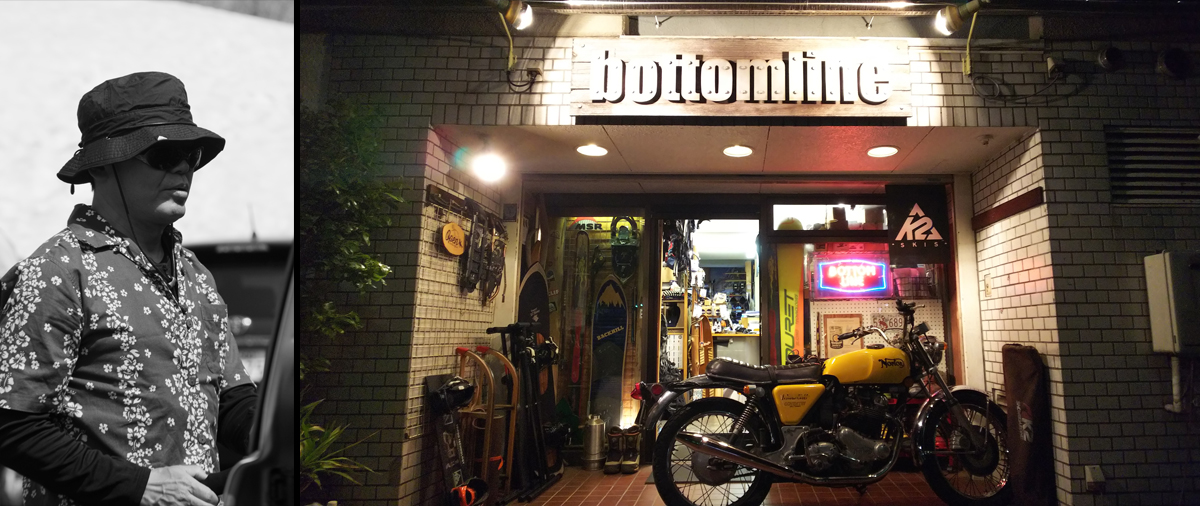
In this series, we ask Tabata Tomoyuki, owner of the pro shop "bottomline," to share his know-how on tuning up your skis to "enhance your skiing experience." The theme this time is waxing. With the season finally upon us, we hope you will use this information to prepare for your time on the snow.
Click here (Topic_1) to start this series.
Waxing: Bringing out the best in your skis' gliding performance
The second topic, Topic_2, is "waxing."
The snow season has finally begun. Before you go skiing, waxing is something you should do to make a huge difference. Wax can enhance the ski's gliding performance, or vice versa. You have great skis, but they're not gliding...that's a waste of a valuable asset.
So, let's ask a tuning professional to teach us how to think about and use wax so that our boards are in perfect condition for skiing
Times have changed. Waxing in freeride is..
When you hear the word "waxing," some people still reflexively reject it, imagining it as a tedious task. However, times have changed. Waxing in freeriding, where you're not competing for position or time, has changed considerably from the old days. The key to this is liquid wax
The keyword is liquid wax, which
I highly recommend!
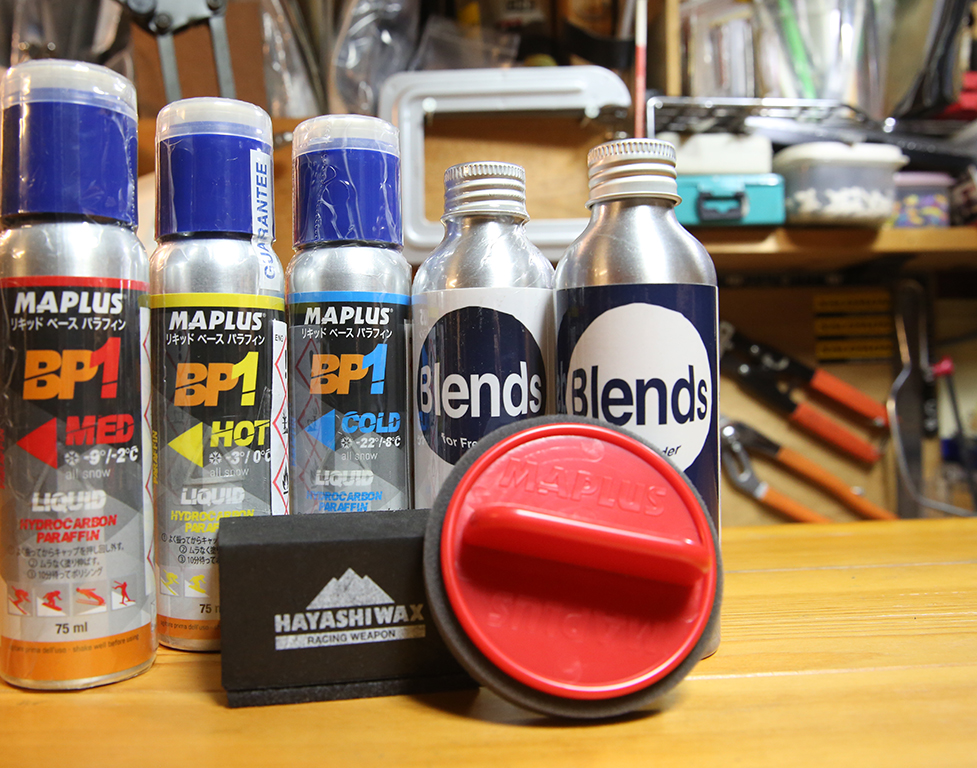
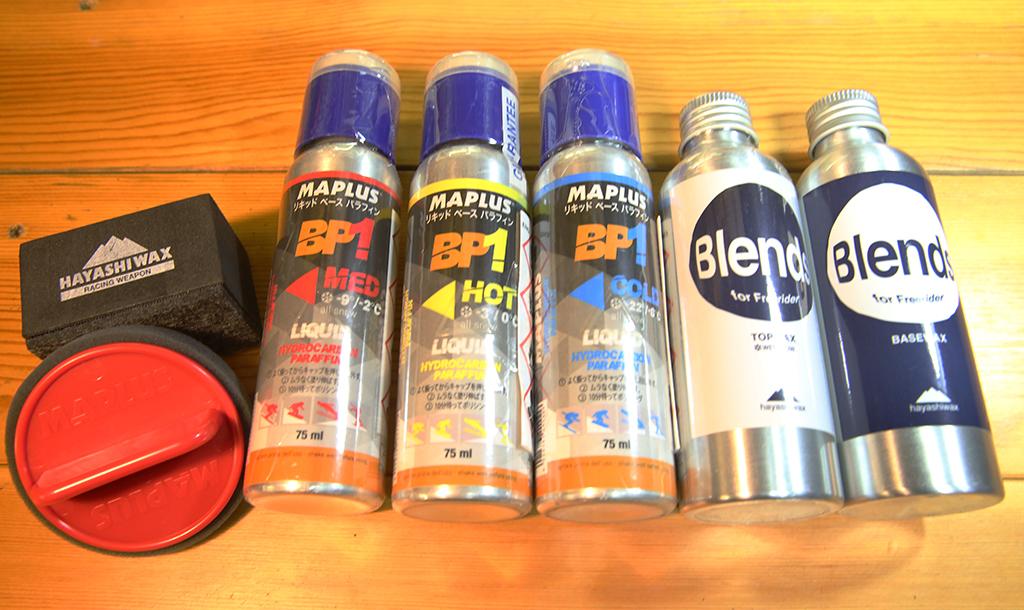
When you think of liquid, the first thing that comes to mind is the so-called "easy wax." However, as you know, this was not long-lasting and was only a temporary solution. This is where the current liquid waxes, labeled "BASE WAX" and "TOP (gliding) WAX," came into existence. For example, something like this photo
It's easy to use:
just pour an appropriate amount onto the special felt or sponge and spread it over the sliding surface.
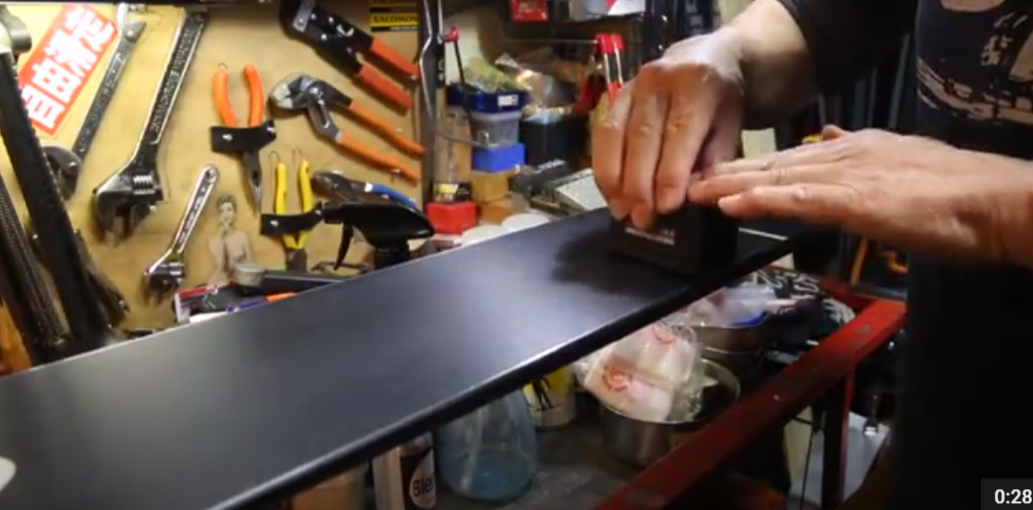
All you have to do is wait a few minutes for it to dry and then brush it.
Since there's no scraping required, there's no wax shavings, and no ironing required. This method is very convenient, as it can be done at any time, whether indoors or on the go.
Hot waxing seems to have the edge in terms of durability, but since you can apply it more frequently, the durability issue is ultimately covered.
Here's a quick review of the basics of WAX
I mentioned BASE and TOP (gliding), but in fact, BASE paraffin wax alone is sufficient for gliding. Paraffin waxes are divided into different temperature ranges (usually yellow, red, and blue), so it's important to keep that in mind, but some don't even mention this (they're mostly white).
Even competitive skiers often only use this BASE paraffin wax when practicing. Gliding waxes are often expensive, and there's no need to differentiate between different waxes to master basic techniques. Incidentally, some catalogs even clearly state that they're training waxes.
Simply put, the temperature ranges are determined by the hardness of the wax. The reason is to accommodate various factors, such as whether snowflakes will stick to the surface or not. I won't go into the details here.
What is TOP (Sliding) WAX?
What are its effects?
So, what is TOP (gliding) WAX? Well, it's a wax that adds additives such as fluorine, silicon, and rare metals to the paraffin mentioned above to improve the glide on suitable snow conditions. That's why it's expensive
However, aside from the necessity of using it for competitions, I think it's fine not to rely too much on fluorine for water repellency when it comes to freeriding, including backcountry skiing. While C8 is no longer in use, there's been a recent trend toward caution regarding fluorine levels C6 and below.
In summary, BASE (paraffin) wax alone provides basic glide performance and lasts well. TOP WAX adds various properties to that surface.
So, yes... TOP WAX only works when you apply the wax to the various snow conditions at the time. Conversely, if it's not perfectly matched, you won't get the desired results (despite the high price). This is the world where so-called service technicians compete on the competition scene. This is one of the reasons why glide waxes can be so difficult.
Another benefit of liquid wax is that it's eco-friendly
But back to the main topic. Liquid wax has another advantage. It's simply "eco-friendly." Since it doesn't require an iron, it doesn't require electricity, and there's no waste from scraping. These two points are actually big. I'm not sure if that's why, but companies are increasing the number of liquid wax products like this
However, there is also a traditional method using solid wax,
in which case you should do it like this.
That said, we should still keep in mind the traditional method of using solid wax.
Apply base wax and peel it off.
For freeriding, we still recommend using waxing sheets when applying solid wax. This is because you can apply it thinly, which reduces the amount of wax used, and makes it easier to peel off.
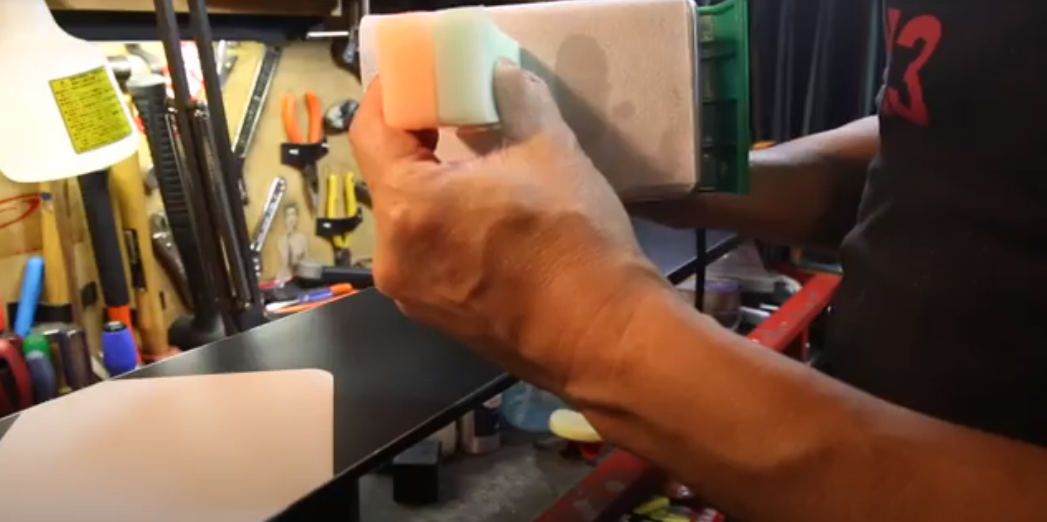
Important points when applying and removing base wax using waxing sheets
The key is
to apply it at a temperature that doesn't produce smoke, but melts the wax and allows it to be spread easily (check out the video!).
When removing: Do not remove too much with a scraper
Once you have peeled it off to a certain extent, finish it off a little earlier using a nylon brush. If there are any areas where the brush gets caught, lightly scrape only those areas again. The trick to not peeling off too much is to lightly touch the scraper to the finished product after brushing to check, and if there is still enough left to peel off lightly and thinly, it's OK. That's what it feels like in words
By the way...
how does wax work with seals (climbing skins)?
Climbing skins are an essential item for backcountry skiing or splitboarding. These are attached to the base and the hair provides traction, allowing you to walk and climb. In other words, they are useless if they don't stick to the base. You apply wax to improve glide, but it would be bad if the climbing skins didn't stick. This compromise is very important.
In conclusion, when it comes to backcountry skiing, waxing beforehand should be kept to a minimum. Of course, this doesn't mean you shouldn't wax. You should plan ahead for the use of climbing skins. It goes without saying, but
what should you do?
The idea is to hike up, peel off the climbing skins, and then apply the final waxing on site. In other words, you apply a light coat beforehand, and then carry a wax with good glide properties to use on site. Formally, it's an extension of simple wax, or perhaps a type of glide wax
However, we also want to be environmentally conscious. We would like to reduce the use of fluorine as much as possible. For example, this is our original wax
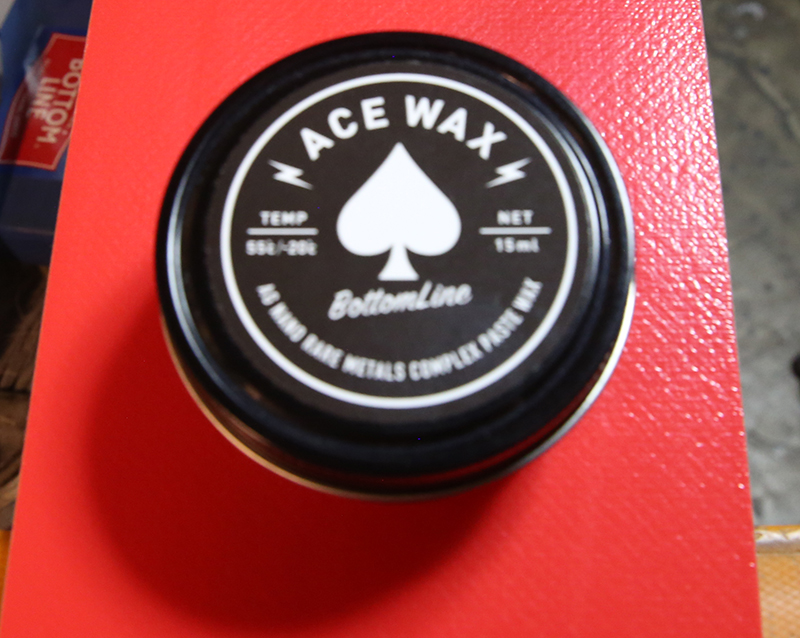
This wax improves gliding performance by increasing the amount of "Ag (silver) complex" rather than relying on fluorine for gliding. Here, we have tried to reduce the amount of fluorine as much as possible to the point where it does not even affect gliding. Incidentally, there are many waxes currently on the market that do not claim to have gliding properties due to fluorine, so be sure to check them out
In the next Topic 3, we will talk about "Handling edges to change your gliding."
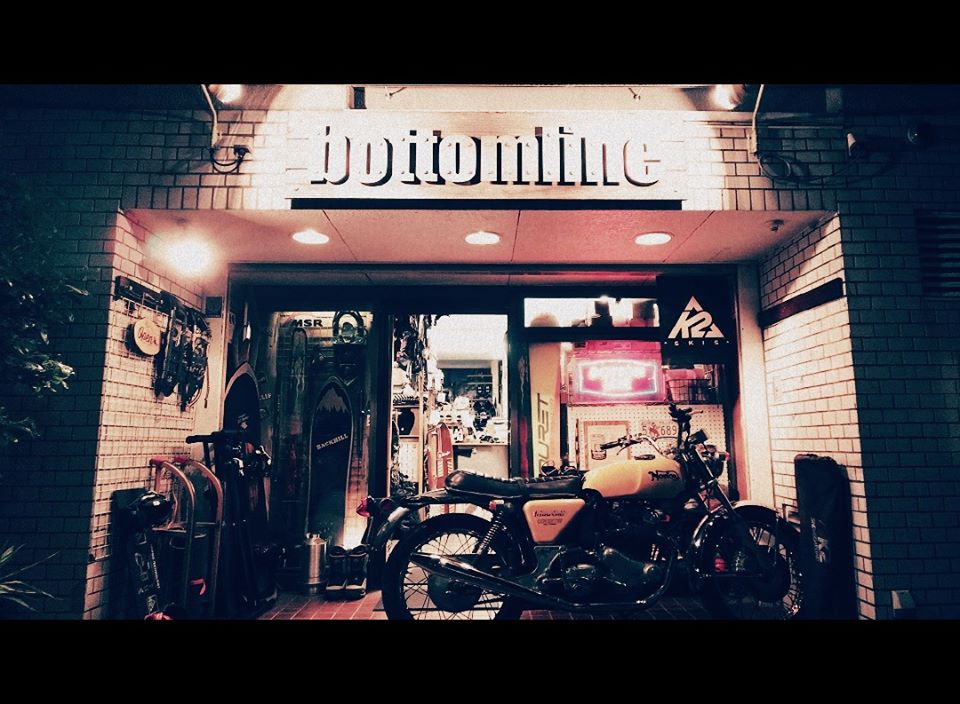
bottomline
http://bottom-line.jp
"The reason we named the shop 'bottomline' is to evoke the image of a 'top-to-bottom' gliding line, and also because we wanted to create a shop for everyday users, including those at the bottom, rather than a shop for top athletes pursuing their skills. Like a local bike shop, we'd like to continue listening to the sound of your engine and asking questions like, 'Could this be the reason it's not working properly?' so that everyone can ride comfortably."
Profile:
Tomoyuki Tabata
Born in Chiba Prefecture in 1967. In the late 90s, he worked at a ski shop in Jiyugaoka. He then learned TUNE-UP and opened a shop called "bottomline" in 2004, combining the two.
Taught by : Tomoyuki Tabata (bottomline) Editorial: STEEP Editorial Department