

After competing in World Cup races, Kenta Uraki returned to the snow in 2018 as head coach of the All Japan Alpine Team. The following year he moved to Innsbruck, Austria, and is now the exclusive distributor of Kessle Ski in Japan. From a global perspective from overseas, he will be bringing you the latest information and interesting topics on European snow culture, gear, and technology
European ski resorts on the rise
Photo: Akira Sasaki
My first visit to Europe was at the age of 16, 34 years ago. For the next 15 years until I retired as a competitive skier, I visited Europe every year, spending about half the year mainly at ski resorts in Austria, Switzerland, Italy, and France. I must have visited around 200 ski resorts in Europe alone. The villages at the foot of the ski resorts were lined with beautiful hotels, and many tourists visited throughout the year. Even back then, I got the impression that the historic European ski resorts were slowly and steadily developing into resorts, introducing new attractions
After retiring from racing in 2004, he returned to Europe in 2018 and has been living in Innsbruck, Austria since 2019. The biggest difference since then is the modernization of ski resorts and the widespread adoption of the internet. Many ski resorts have adopted the latest lifts, gondolas, snow machines, automatic ticket gate systems, and more, dramatically improving comfort and quality. The widespread adoption of the internet has also led to the digitalization of information and services, making skiing extremely convenient, with online lift pass purchases, real-time weather information, route navigation, and more
Furthermore, with the improvement of online information dissemination, the appeal of ski resorts has been spread all over the world, and the resorts have become increasingly international. What is particularly noteworthy is that even as European ski resorts have undergone these changes, they have carefully passed on their history and culture, preserving medieval townscapes, traditional cuisine, and local customs
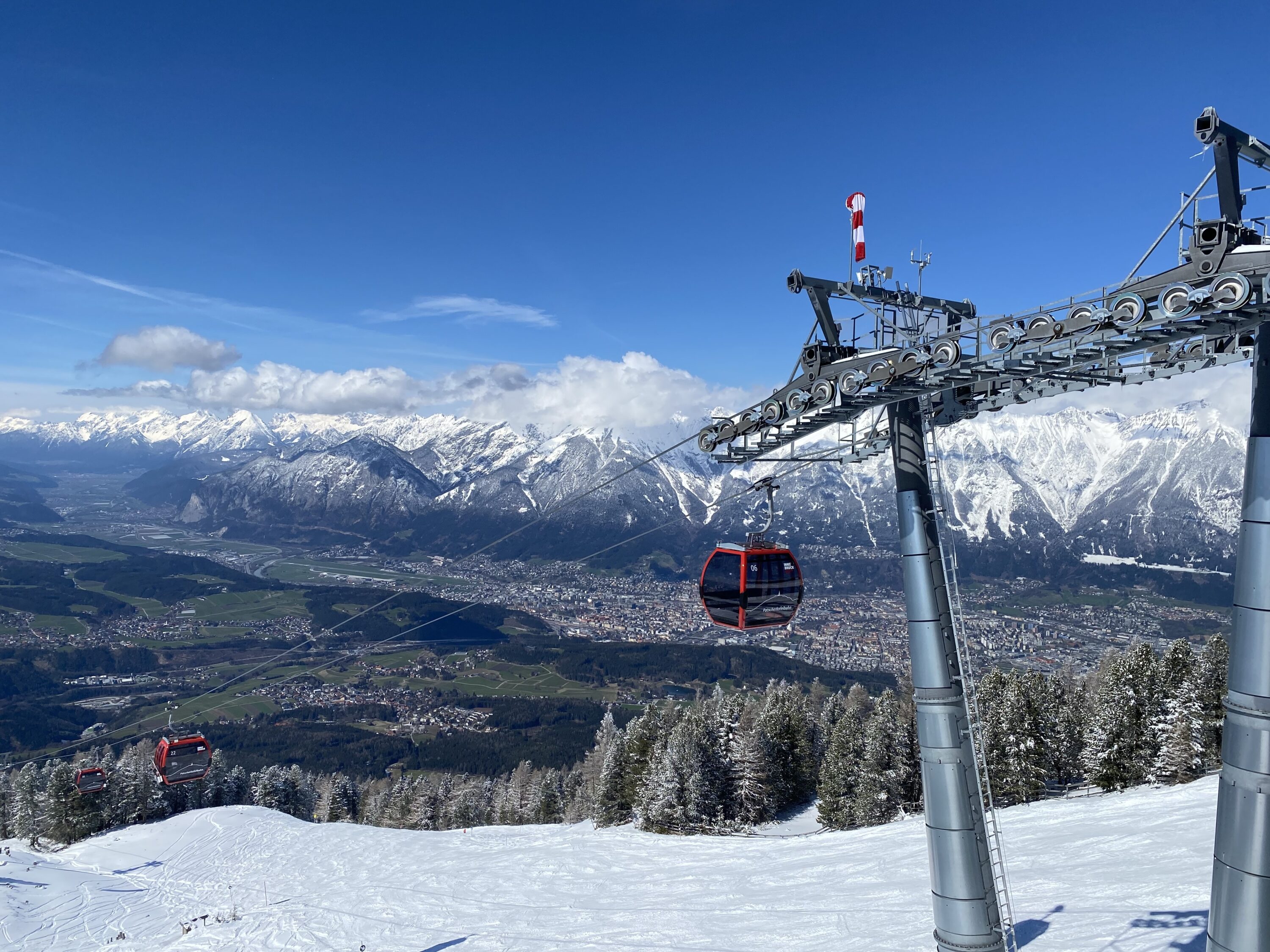
Ski resorts, spread mainly around the European Alps, have great potential in their natural environment, with their mountain ranges, magnificent scenery, and abundant snowfall.With the modernization of ski resorts and the spread of the Internet, they continue to attract more skiers from around the world than ever before.What's more, the unique appeal of ski resorts continues to grow, not only through skiing, but also through luxurious stays, exquisite dining, and a sense of oneness with nature
This time, we will introduce some of Europe's best resorts where you can experience the "real winter," sharing our own experiences
Dolomiti Superski (Italy) | An overwhelming sense of scale!

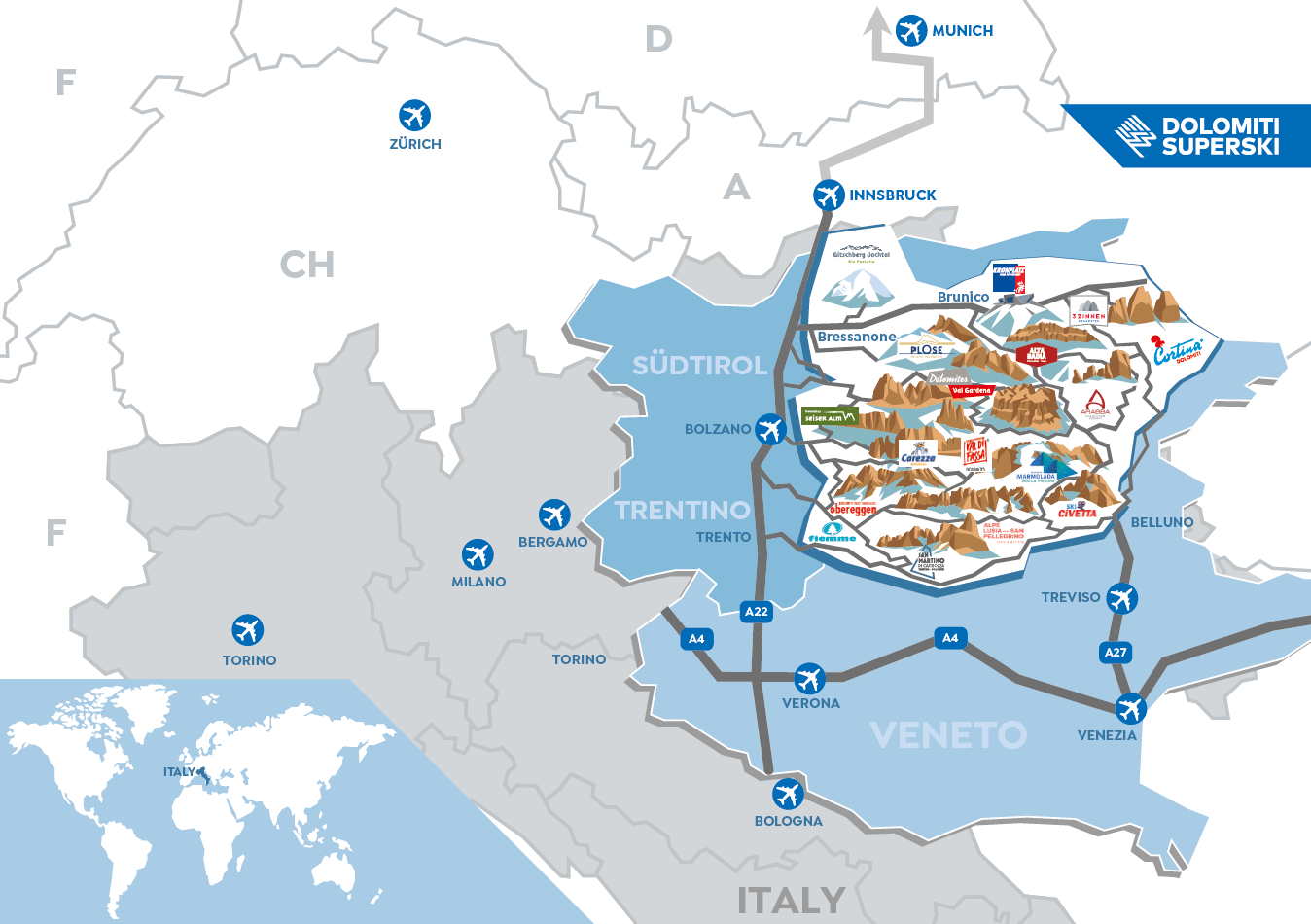
Dolomiti Superski is a massive ski resort complex in northern Italy, consisting of 25 ski resorts in 12 areas, including Cortina d'Ampezzo, which will host the 2026 Winter Olympics. It also includes Val Gardena, Alta Badia, and Kronplatz, where the Alpine Skiing World Cup is held every year, so any skier may have heard of some of these resorts
What's surprising is its size - with a total area of 3,000 km², it's 1.5 times the size of Tokyo. There are 450 gondola lifts installed there, and a total run of 1,220 km, all of which can be enjoyed with one common lift pass. Not all of the ski resorts are connected, so you have to travel between the different areas by car, but overall it can be said to be the largest ski area in the world
The greatest attraction of this area is undoubtedly the spectacular views of the Dolomite Alps, a World Heritage Site. The rugged rock faces, dyed pink and orange, create a landscape that looks almost like sculpture. The ski trails that weave through them create a surreal world that makes you feel like you've stepped into a movie


Another must-see is Italy's unique food culture. Everyone loves pizza and pasta, but Italy is also blessed with the sea, so there's a wide variety of ingredients, including seafood. The simple seasonings, centered around olive oil, bring out the best in the ingredients, so you'll never tire of them, even if you're staying for a long time. Furthermore, the Dolomites ski resorts have a high rate of sunny days and are relatively affordable compared to neighboring countries, so any skier should visit them at least once
Trois Vallées (France) | The world's largest luxury ski resort

Les Trois Vallée is one of France's leading ski resorts, consisting of eight ski resorts spread across three valleys, centered around Courchevel, Meribel, and Val Thorens. All eight ski resorts are connected by lifts and gondolas, making it the largest ski resort in the world that can be accessed solely by skis. It is said to be 50 times larger than Shiga Kogen Ski Resort, the largest in Japan, with a total ski run of 600km and over 160 lifts
The Trois Vallées is also known as a luxury resort, and its centerpiece is the ski resort of Couchevel, located on the border with Italy. Five-star hotels, Michelin-starred restaurants, and luxury boutiques line the streets. There's even a small airport just outside the village center that can accommodate private jets. While it's a ski resort, it's already garnering attention as a premium destination for the world's wealthy

On the other hand, the areas of Meribel and Val Thorens have a more casual atmosphere and are popular with families and young skiers. Of course, there is a lift pass that covers the entire mountain, so you can move freely throughout the area. Val Thorens is the highest ski resort in Europe, located at an altitude of 2,300m, and is known for its stable snowfall and high-quality powder snow throughout the season. Val Thorens has been named the World's Best Ski Resort in the World Ski Awards, which began in 2013, 9 times out of the last 12 times
Boasting overwhelming scale and quality, Trois Vallées is truly the "world's most sophisticated ski resort." It is the perfect destination for those who want to experience the ultimate winter, overturning their concept of a ski trip
Zermatt (Switzerland) | A mountain resort with spectacular views of the Matterhorn
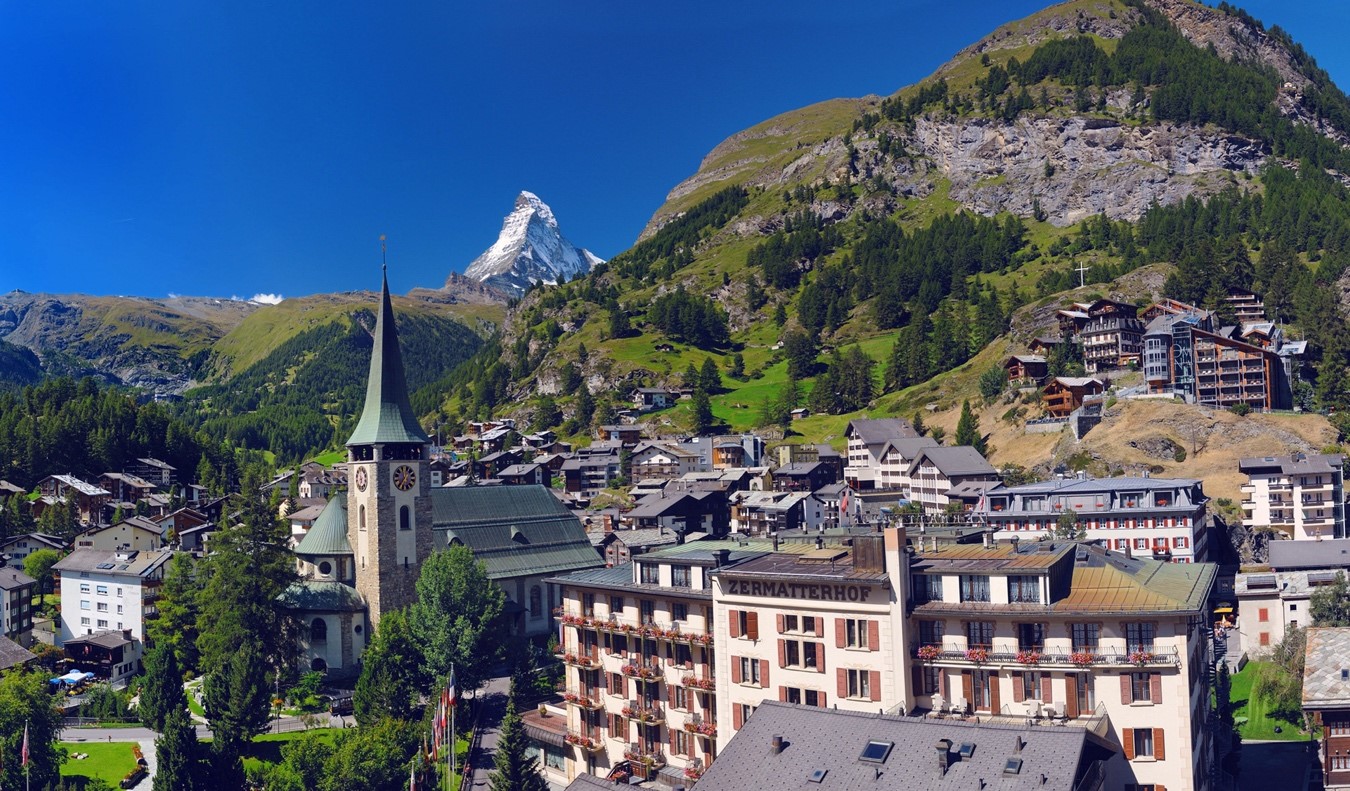
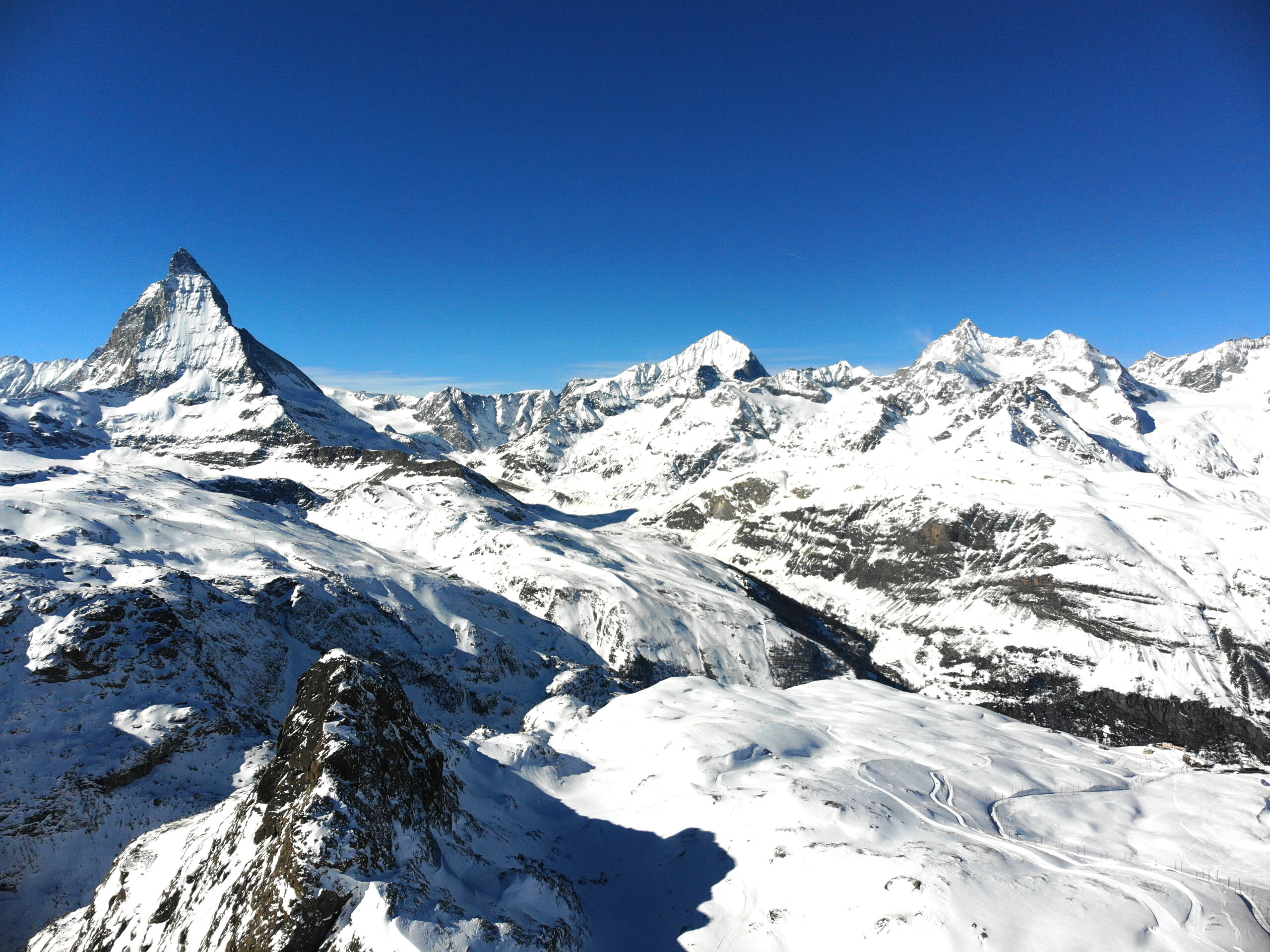
Located in southern Switzerland, Zermatt is a world-famous mountain resort at the foot of the famous Matterhorn (4,478m above sea level) in the Alps. Its greatest attraction is undoubtedly the picturesque view of the Matterhorn. No matter what season you visit, you will be captivated by its majestic appearance. For environmental reasons, gasoline-powered vehicles are prohibited from entering the village of Zermatt, so you must park your car in the parking lot just outside the village, and electric vehicles are the main means of transportation within the village
In the center of the village, chalets (traditional wooden buildings) line the streets, and there are also plenty of luxury hotels and restaurants. When you think of Switzerland, you think of cheese! Spending a relaxing time savoring raclette or cheese fondue is an exceptional experience. Zermatt, where natural beauty, tranquility, and high-quality service come together, is a "mountain resort for adults," and it will continue to attract many people
Zermatt is also known as a summer training location for ski athletes, and as the training base for the Swiss national alpine team, it offers the best environment in the off-season. Switzerland is already expensive, but the glacier ski resort can be accessed not only from Zermatt, but also from Cervinia, Italy, by gondola, so many athletes base their training in Italy to keep costs down
Until the 2023-24 season, the Alpine Ski World Cup also featured a cross-border downhill race starting in Zermatt and finishing in Cervinia, but this is no longer taking place after unsettled November weather often led to cancellations

Kitzbuehel (Austria) | The most well-known traditional World Cup course

Kitzbühel in Austria is one of Europe's most historic and prestigious ski resorts. One of the reasons it remains so well-known is the Hahnenkamm-Rennen, an alpine skiing World Cup race held every January. The downhill course, Streif, is said to be the most dangerous and demanding in the world, and the athletes' life-risking runs thrill fans from all over the world
During the Hahnenkamm race, the whole town is in a festive mood, and over 90,000 media and spectators from all over the world visit to watch the three-day race over the weekend. Arnold Schwarzenegger is also known to attend every year
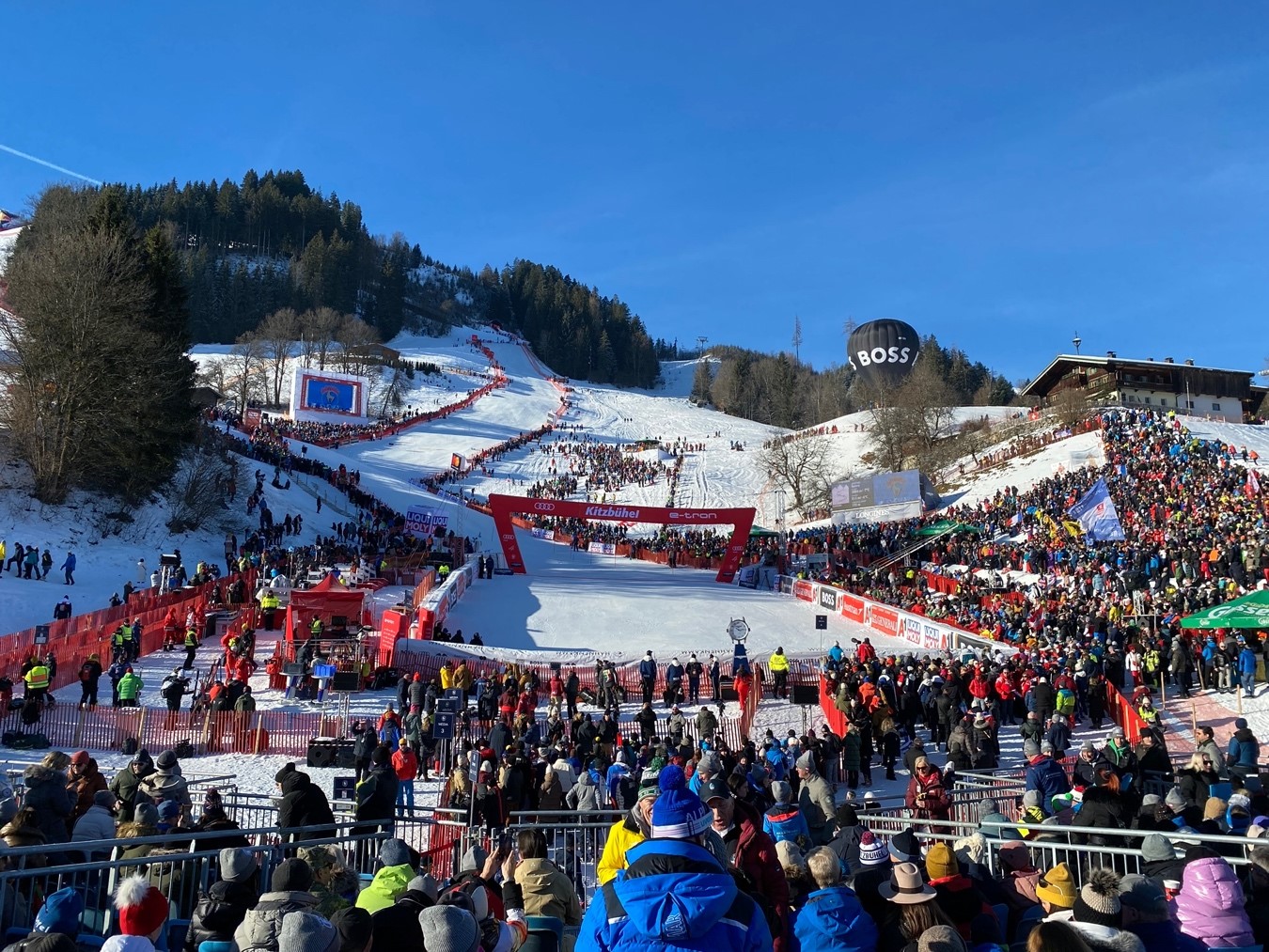
The ski area boasts over 179km of groomed runs and over 50 lifts and gondolas. Particularly popular is the area that partially opens up the Streif run. The thrill and sense of accomplishment of skiing down the world's most dangerous World Cup run is something you won't find anywhere else. There are also plenty of beginner runs and kids' areas, making it popular with families. Kitzbühel is a traditional ski resort that has been given the glamour of the World Cup and is now blended with youth culture. If you want to experience authentic European ski culture, you should visit during the World Cup, if possible
Ischgl (Austria) | A luxury resort filled with young people
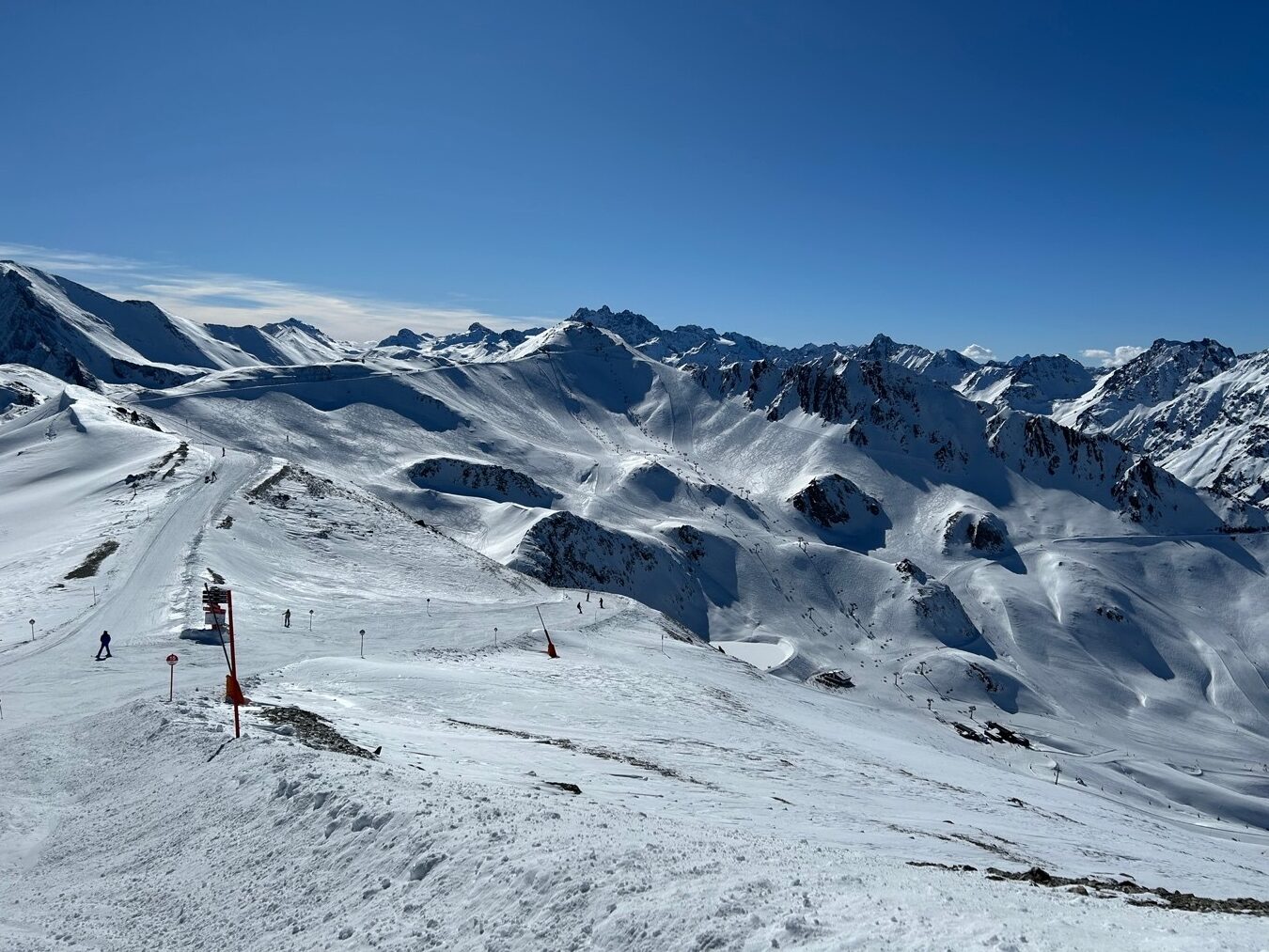
In February of this year, after finishing work in Japan and returning to Austria, I immediately headed to Ischgl, about an hour and a half from my home in Innsbruck. It's a huge ski resort with a total length of 239km of slopes, stretching from an altitude of around 2000m via gondola
On a clear, sunny morning, I slowly got ready and headed up the mountain, and for my first run, I started off slowly on a packed run with few people around. As I started off in wide turns on the flat, firm snow while taking in the magnificent scenery, it felt so good that my speed increased. It had been a while since I last skied, and I must have continued skiing for about two minutes, feeling the lactic acid building up in my thighs. The feeling I had at that moment was so moving that it's hard to put into words; it was the best run of the season
Thinking that I had skied quite a distance, I looked at the screen of my cell phone and saw the word SWISS... It seemed that while I was skiing, I had crossed the border from Austria into Switzerland. I was meeting a friend for lunch, but my cell phone wouldn't work in Switzerland, so it was quite a struggle to meet up with him at this vast ski resort

The town of Ischgl, where the gondola starts, is lined with modern hotels and restaurants. Apres Ski, which means "after ski" in French, is plentiful, and after skiing, people can have fun in bars and clubs until late into the night. It's a luxury resort that attracts skiers from all over Austria and the world, but its main target customers seem to be a relatively young generation
Arlberg (Austria) | A long history blending tradition and modernity
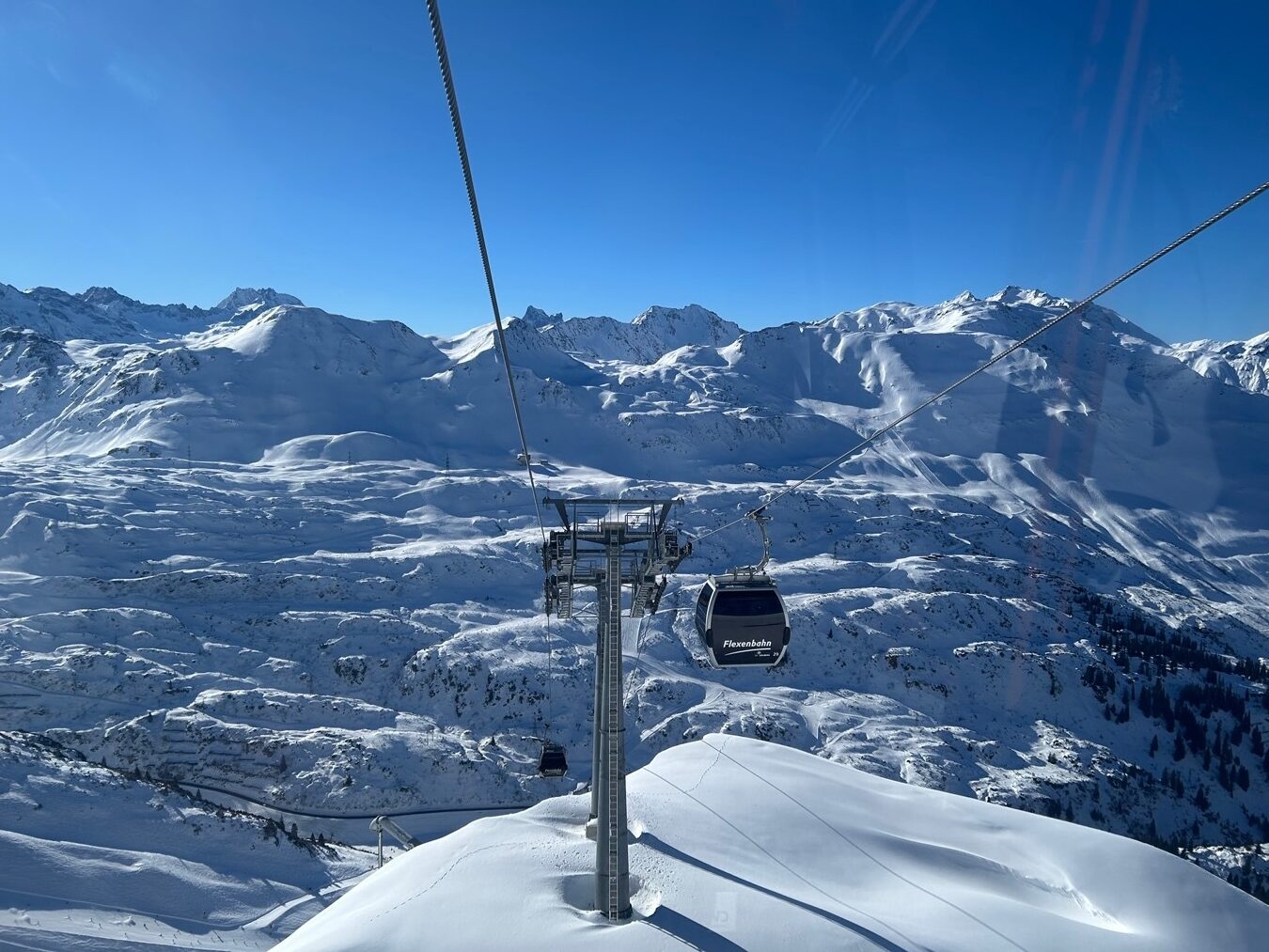
In March, I went to Arlberg, Austria's largest ski resort. On the first day, I had planned to warm up my legs by riding the 22km Weiße Ring from Zurs to Lech, but after three hours of continuous skiing, my knees were swollen, leaving me feeling unsure about the next day
I stayed at the Sporthotel Lorünser, a five-star ski-in/ski-out hotel in Zurs. While I was checking in at the front desk, the hotel staff told me that the Japanese ski team had also stayed there during the World Cup in December 2020. I then remembered that I had checked in at the front desk and stayed in a detached building. I have a terrible memory. The room had an Austrian feel, enveloped in the warmth of wood, and was equipped with a sauna, pool, and even a training gym, so it went without saying that it was very comfortable
On the second day, I went to Stuben, St. Christoph, and St. Anton, enjoying the magnificent scenery, the endless slopes, the modern lifts and gondolas, and even the beer and food in the mountain huts. Perhaps thanks to relaxing in the sauna and pool the night before, my knee was fine until the end

Arlberg is Austria's largest ski resort, with a total length of 305km and a total ski area of approximately 50km², which is equivalent to more than 1,000 Tokyo Domes. Development of the ski resort began in the 1890s, starting from St. Anton, and since 1975, when I was born, the entire Arlberg has been accessible with a single lift ticket
How did the grand idea of turning such a vast natural valley into a ski resort, using skis made of carved wood with no edges, come about in an era before gondolas or lifts? Over the course of more than 100 years, it has developed into Austria's largest ski area, and I am truly grateful that we are able to enjoy it comfortably in this day and age
Ski resorts offer more than just skiing

We've only introduced a small portion of the roughly 4,000 ski resorts in Europe so far, but as you can see, skiing and snowboarding are not just sports; they are also journeys that allow you to experience the local culture and natural beauty, and each ski resort around the world has its own unique charm. They are not just places to "ski," but travel destinations filled with "experiences that enrich your life." These are the perfect places for those seeking a trip that values culture, scenery, and encounters with people while also playing sports in the snowy mountains
Due to the recent rise in prices and the weak yen, the cost of not only staying at a resort but also ski equipment and transportation has skyrocketed, making it difficult for Japanese people in particular to travel to ski resorts overseas. However, there is no doubt that ski resorts around the world, including Japan, continue to evolve and offer an irreplaceable and wonderful experience. Ski resorts will continue to evolve from winter playgrounds to modern, affluent lifestyle spaces