
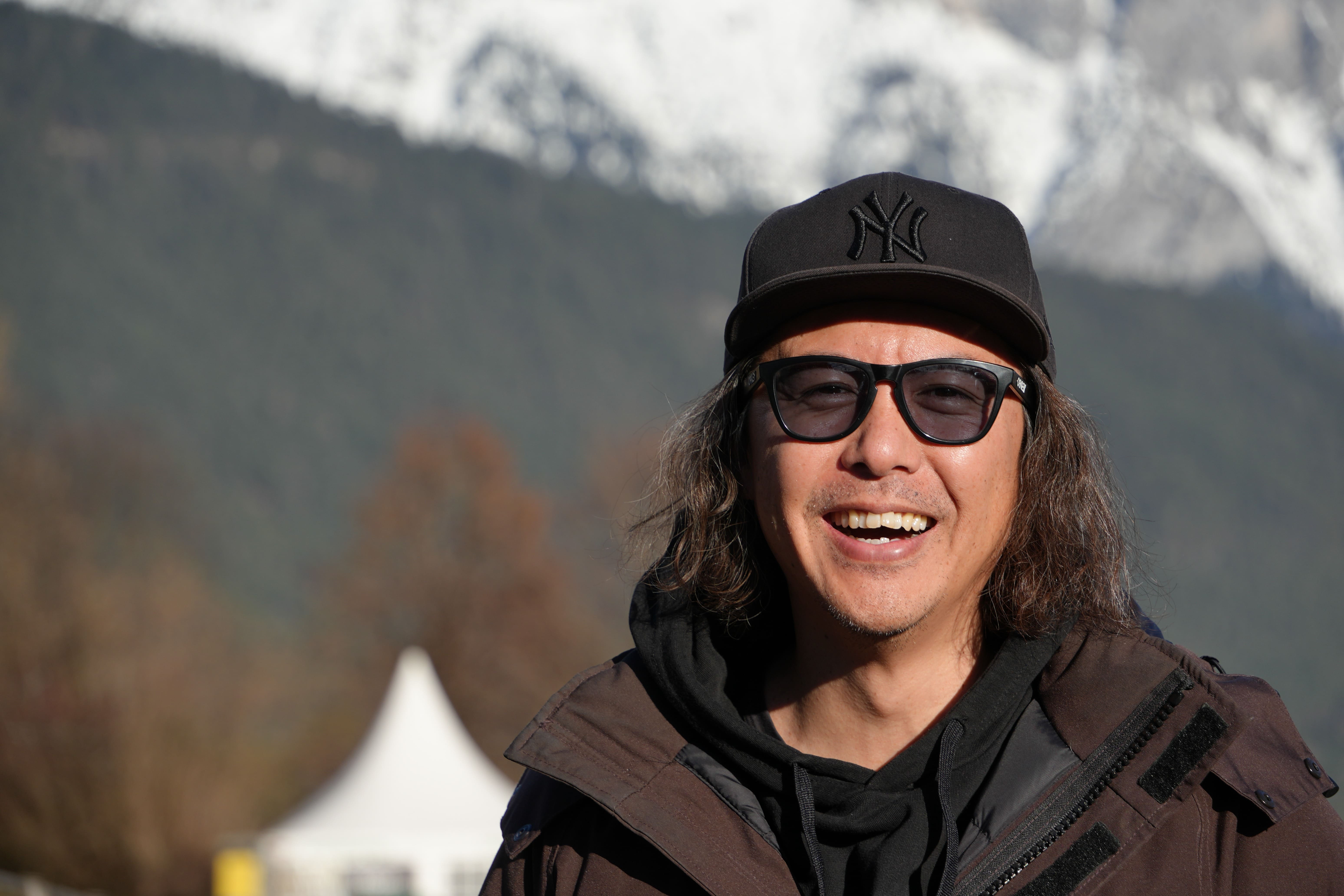
Kenta Uraki, who once competed in the World Cup and also served as head coach of the All Japan Alpine Team, moved to Innsbruck, Austria in 2019 and led the brand's revival for four years as the sole distributor in Japan, before transferring the distribution business in 2026. He continues to connect the snow and resort businesses of Japan and Europe. With a global perspective from overseas, he delivers the latest information and interesting topics on European snow culture, gear, and technology
From Innsbruck, Austria
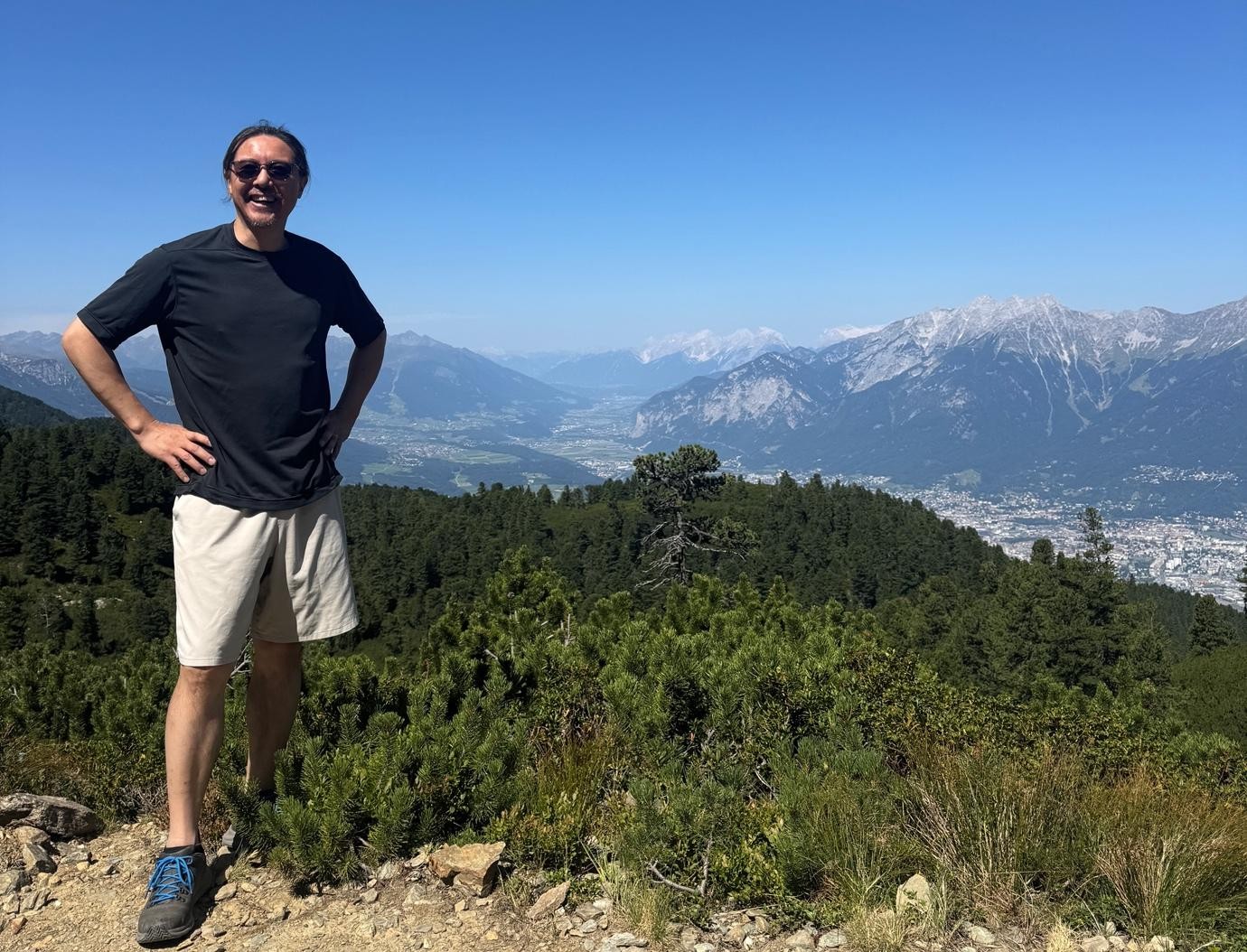
It's been seven years since I started living in Innsbruck, Austria. My family life has always been intertwined with these mountains
But to be honest, before I started living there, I knew absolutely nothing about Austria's "summer mountains." I had assumed that the resorts that are so lively in winter are just places that simply sleep once the snow melts
However, once you actually live there, you realize how wrong you were. Innsbruck in the summer is bustling with families, senior couples, and people who don't usually have any connection to the mountains, and it's a different kind of liveliness than in winter. For the past seven years, every time I've seen that scenery, I've thought, "I want people in Japan to know about this too." I'd like to start this story with that
Standing amidst a breathtaking view without breaking a sweat
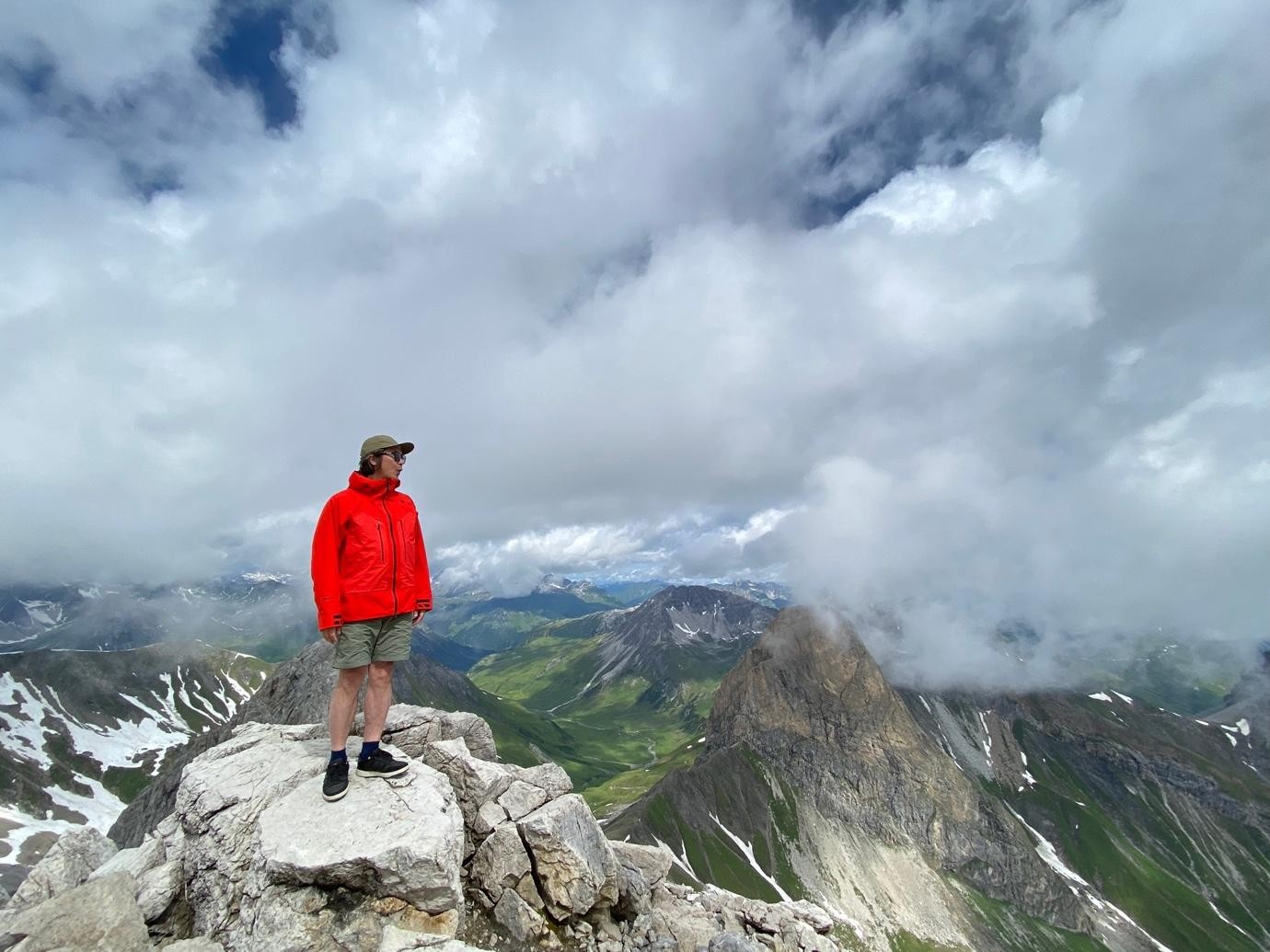
Just a short walk from the center of Innsbruck is the cable car station for Nordkette, located north of the city. After a few transfers, the journey takes just over 20 minutes to reach the observation deck at an altitude of over 2000 meters. Without breaking a sweat, you can enjoy panoramic views of the city below and glacier-capped peaks in front of you. Even on weekday mornings, the gondolas are packed with families and senior couples. What lies beyond is not a world of "mountain climbing," but rather a world of "hiking and mountain walking" where people of all ages can enjoy themselves at their own pace
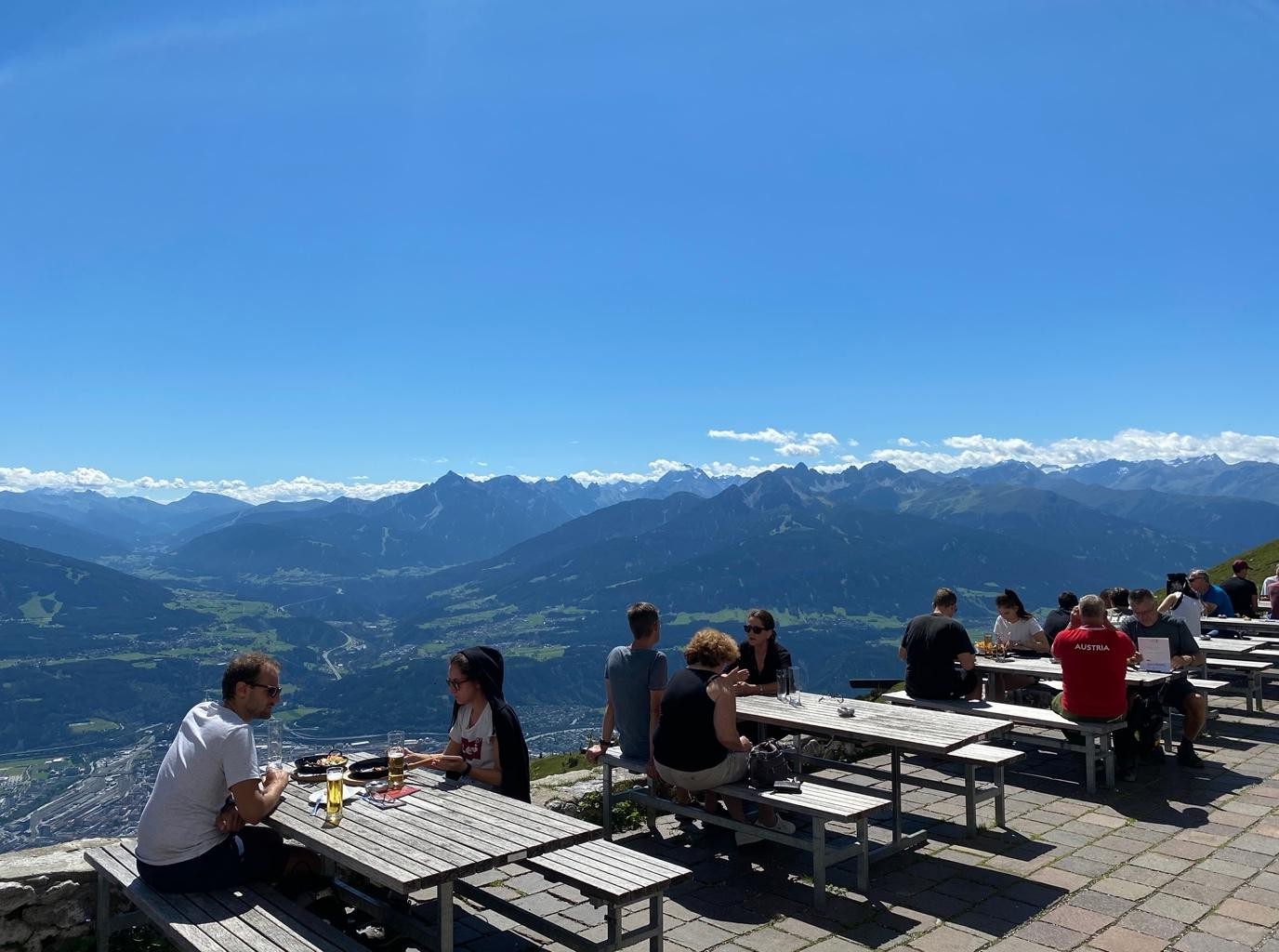
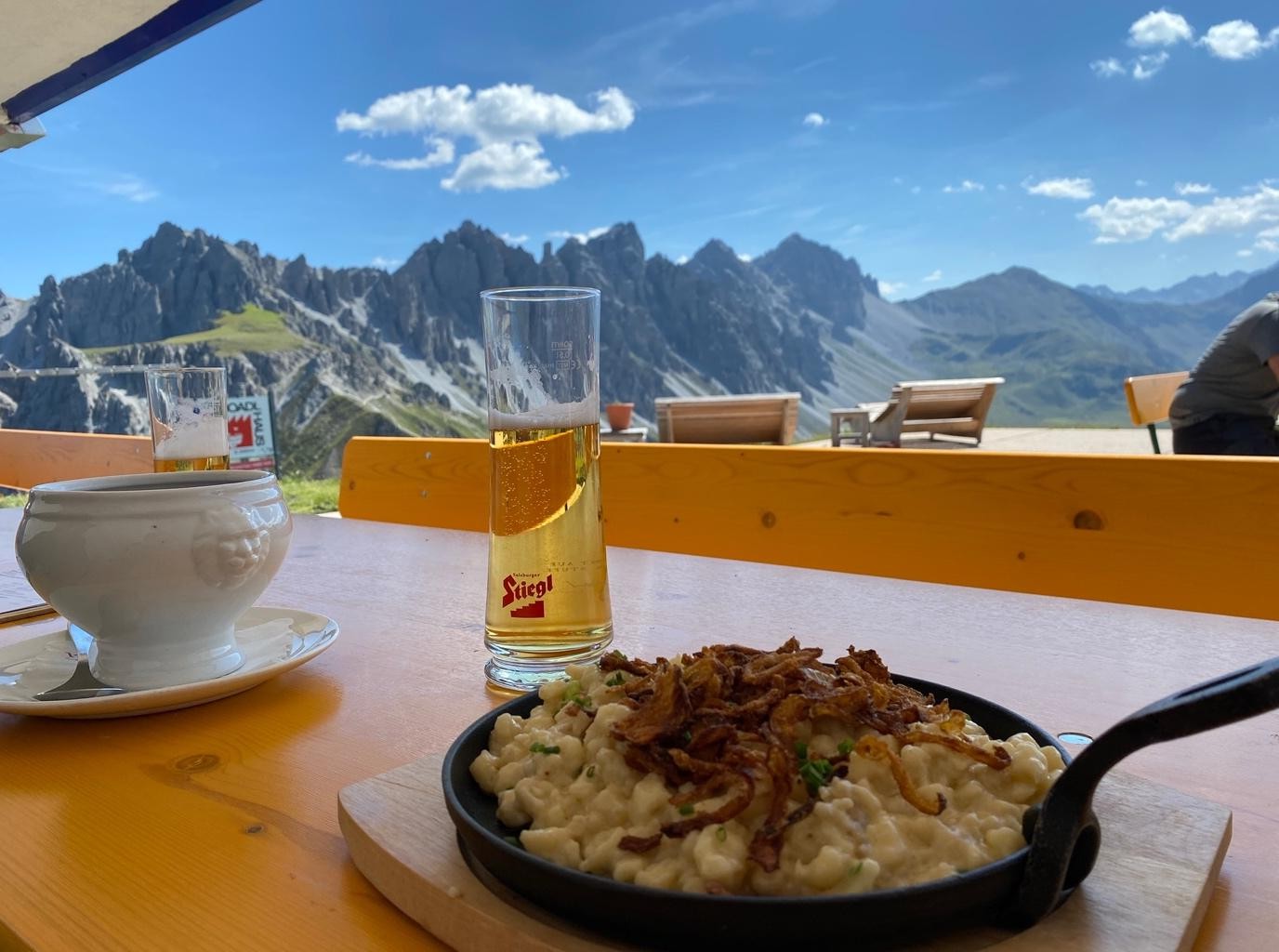
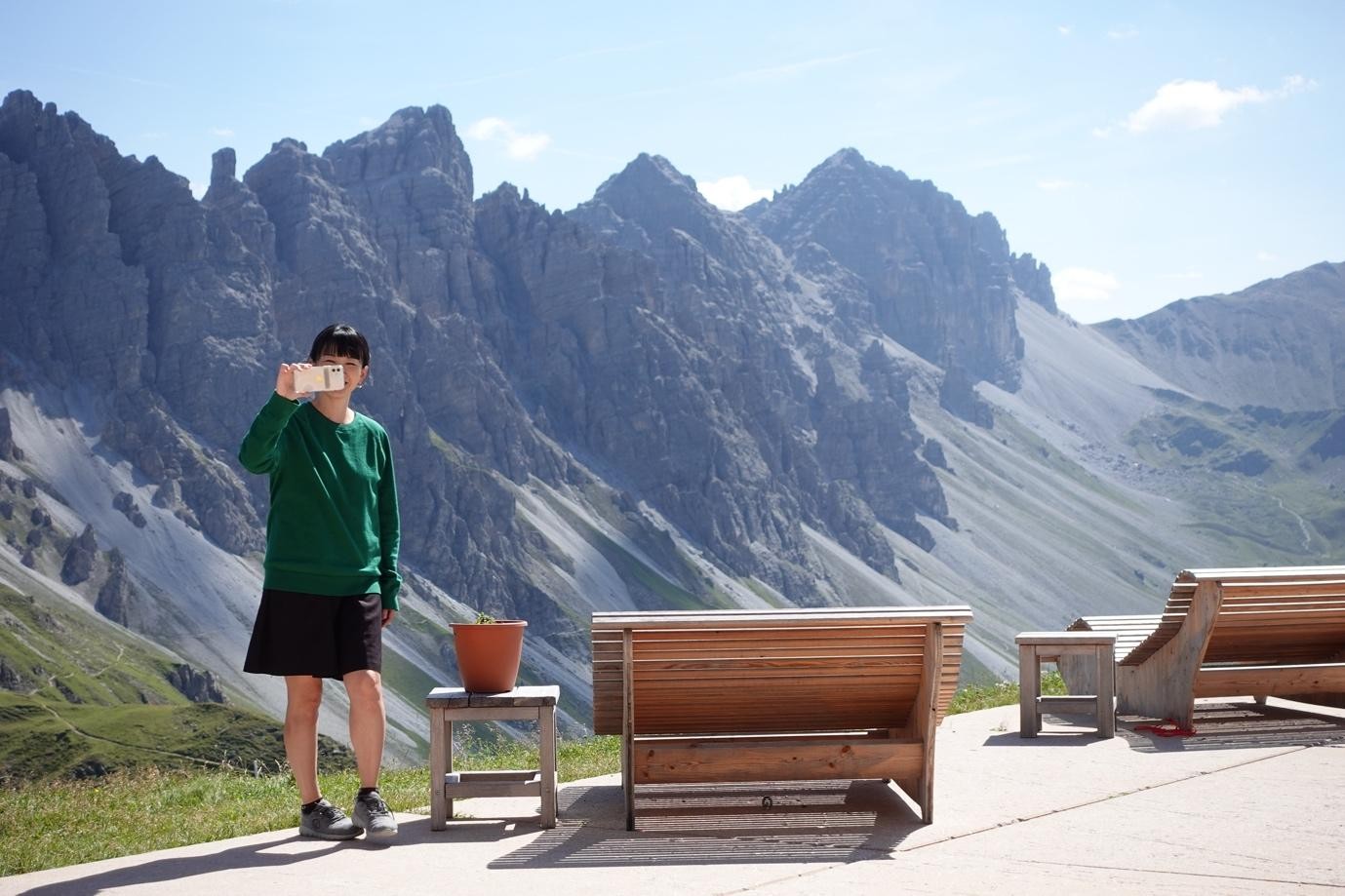
Axam Rhythm, located about 20 minutes south of Innsbruck by car, is a gondola resortofAs you disembark, a breathtaking view of rocky mountains unfolds before you, and you can toast with the classic local dish, Käsespätzle, and a cold beer. There's no need to tackle steep rocky terrain; you can walk around without any problems as long as you're wearing sneakers. This experience is an everyday sight for locals on weekends, but for those from the city, it's something truly extraordinary
In fact, I believe this gap between "familiar scenery" and "special scenery" is the resource that Japanese ski resorts are underutilizing the most. Japanese skiers and snowboarders, who are used to using lifts and gondolas in winter, will understand this feeling all the more
The ridge from Patcherkofel to Grungetzer
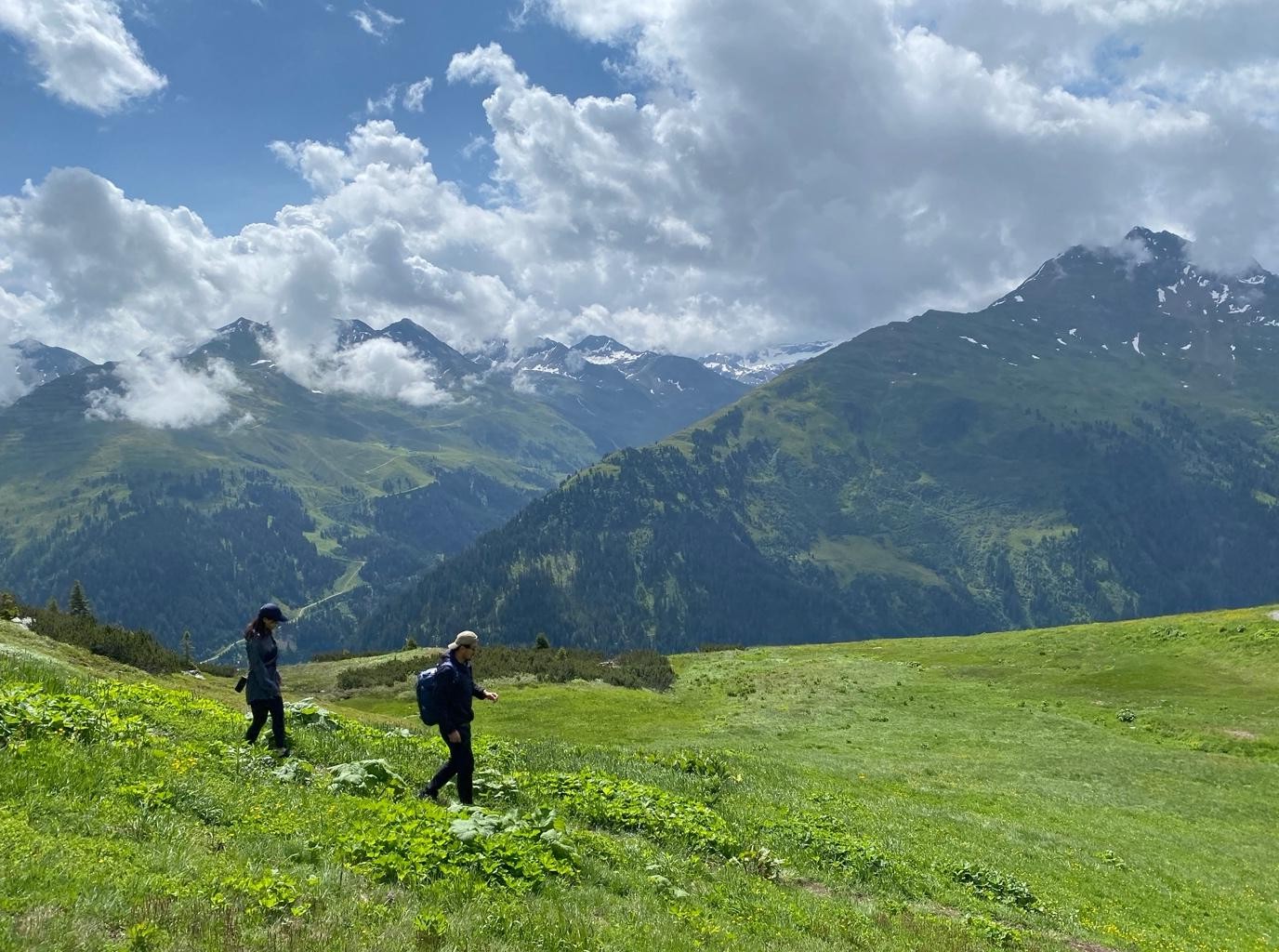
The closest mountain to my home is Patscherkofel, located south of the city. It's a historic slope where the men's downhill competition was held at the Innsbruck Winter Olympics in 1964 and 1976. In the summer, it transforms into a tranquil mountain with observation benches scattered at the top, accessible by gondola. The other day, I invited my son to hike along the ridge from Patscherkofel to the neighboring Grungetzer
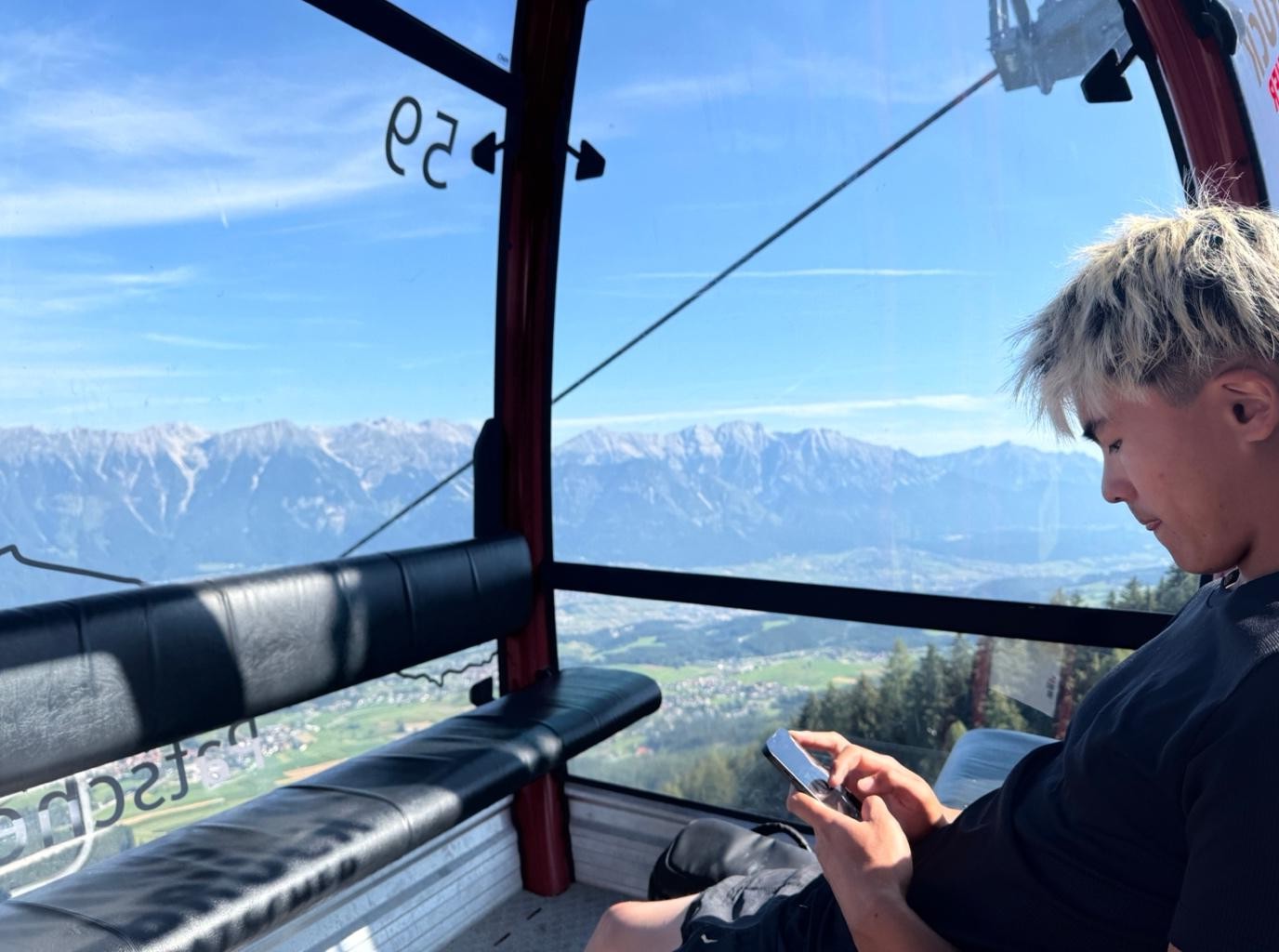
This section is a hiking trail called "Zirbenweg." It's a walk of about 7km, taking approximately 2.5 hours, starting from the Patscherkofel summit station (1952m above sea level), passing around the highest point of the trail at 2060m, and ending at the Grungetzer foothills station (near the Grungetzer base station)
With very few dangerous rocky sections, this route follows a gentle undulation along the treeline and is classified as a trail that even beginners can complete. The sylvestris (European dwarf pine), from which the trail gets its name, is one of the largest primary forests in Europe, with sections where trees hundreds of years old line the path. You can hike only one way and then take the cable car down, making it a fairly easy day hike
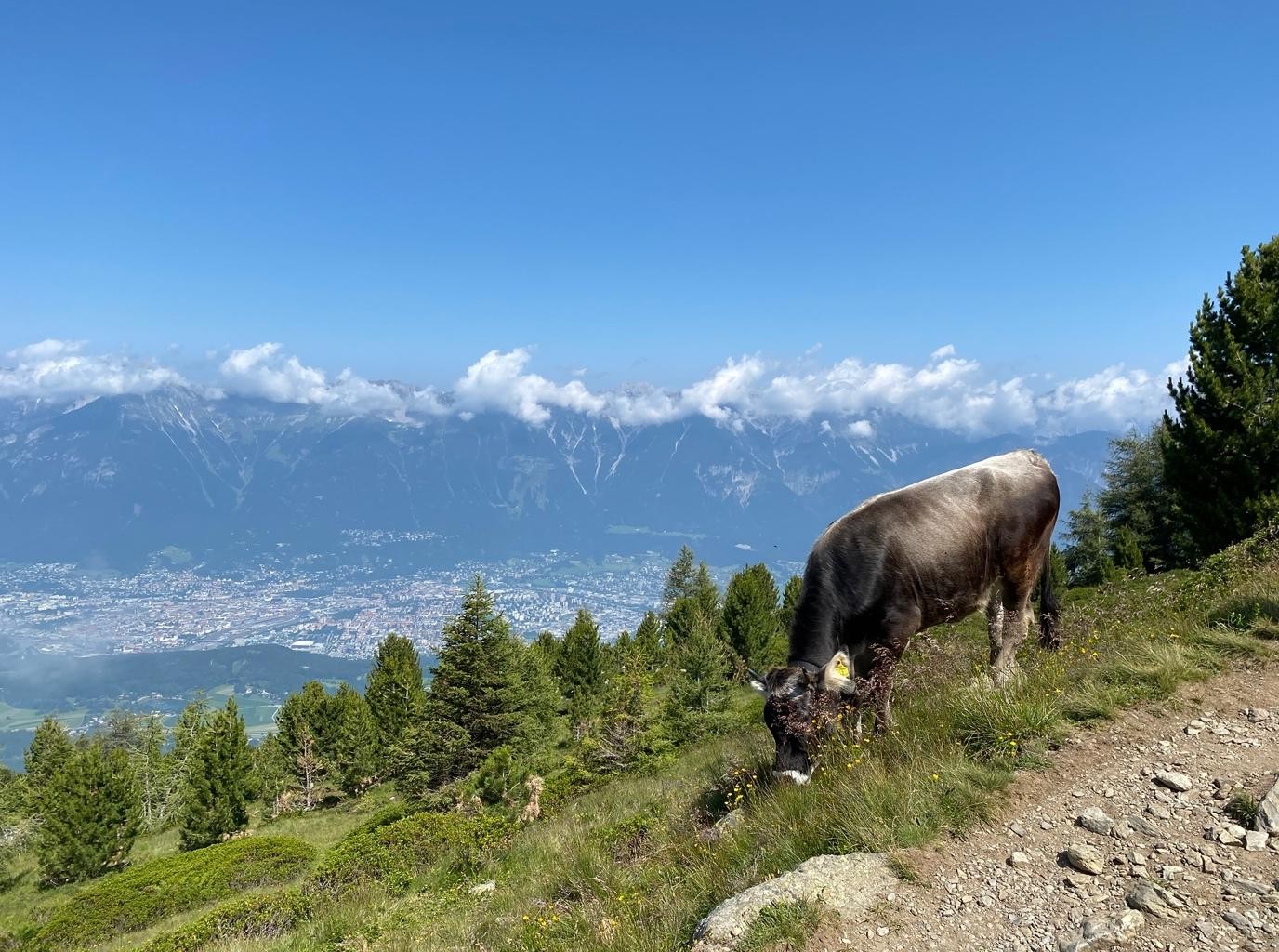
Soon after we started walking, we came across cows grazing peacefully in a pasture. Below us stretched the cityscape of Innsbruck, and the view opened up more and more with each step we took. I didn't need to talk much with my son; just walking side by side was enough. It was a time to forget about everything else and concentrate only on the path at our feet and the mountains in front of us
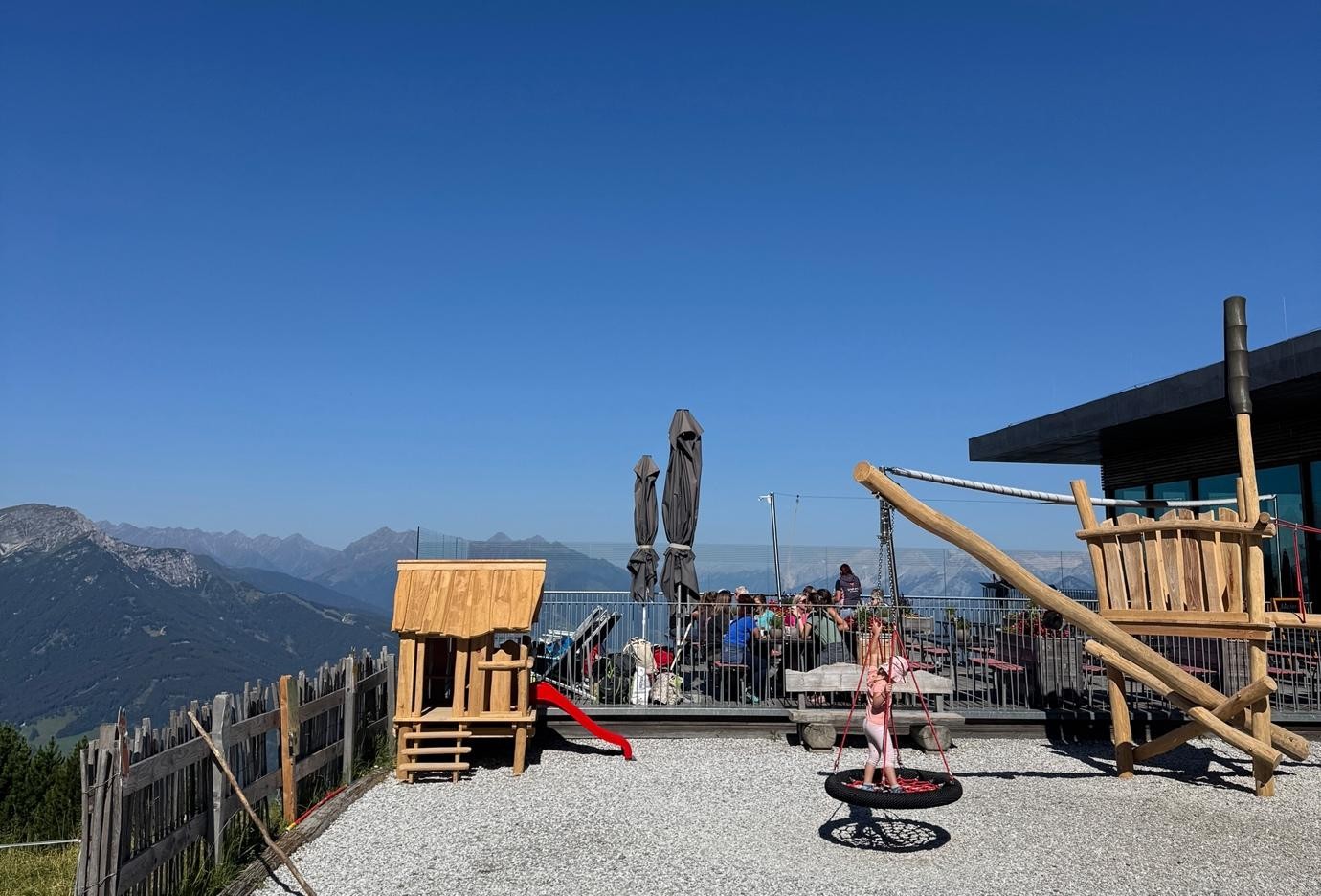
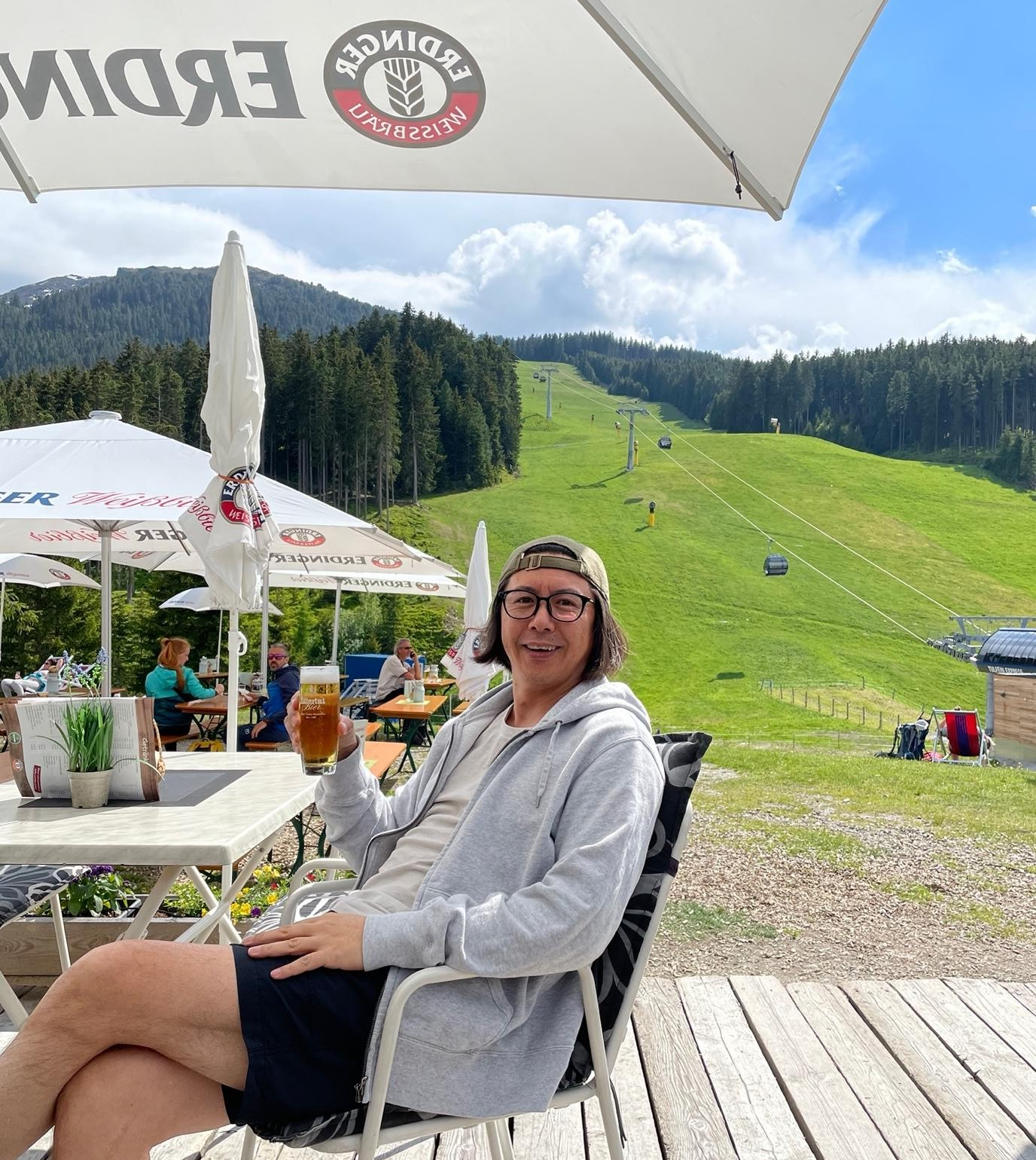
Descending towards the Grungetzer side, we were greeted by a mountain hut terrace bustling with locals. The thought of a beer after the hike made me want to climb the mountain again. I think this kind of leisurely pace is one of the great charms of summer mountaineering
The European idea of making full use of mountains as a "surface."
European resorts really step up their game in the summer because they know that a single gondola or hotel isn't enough to make a destination
They integrate hiking trails, mountain biking, mountain restaurants, and even the surrounding villages, polishing the "entire mountain" into a single tourist product. Their approach is thorough: they leverage the reputation and infrastructure cultivated in winter directly for the summer season
Some resorts, like St. Anton, offer hundreds of kilometers of well-maintained trails, ranging from beginner-friendly walks to challenging routes leading to the summit. Whether you're a serious hiker seeking to climb rocky ridges in the mist, or a family out for a ride, everyone can find their own destination within the same mountain range
The winter paradise becomes a golf course in the summer
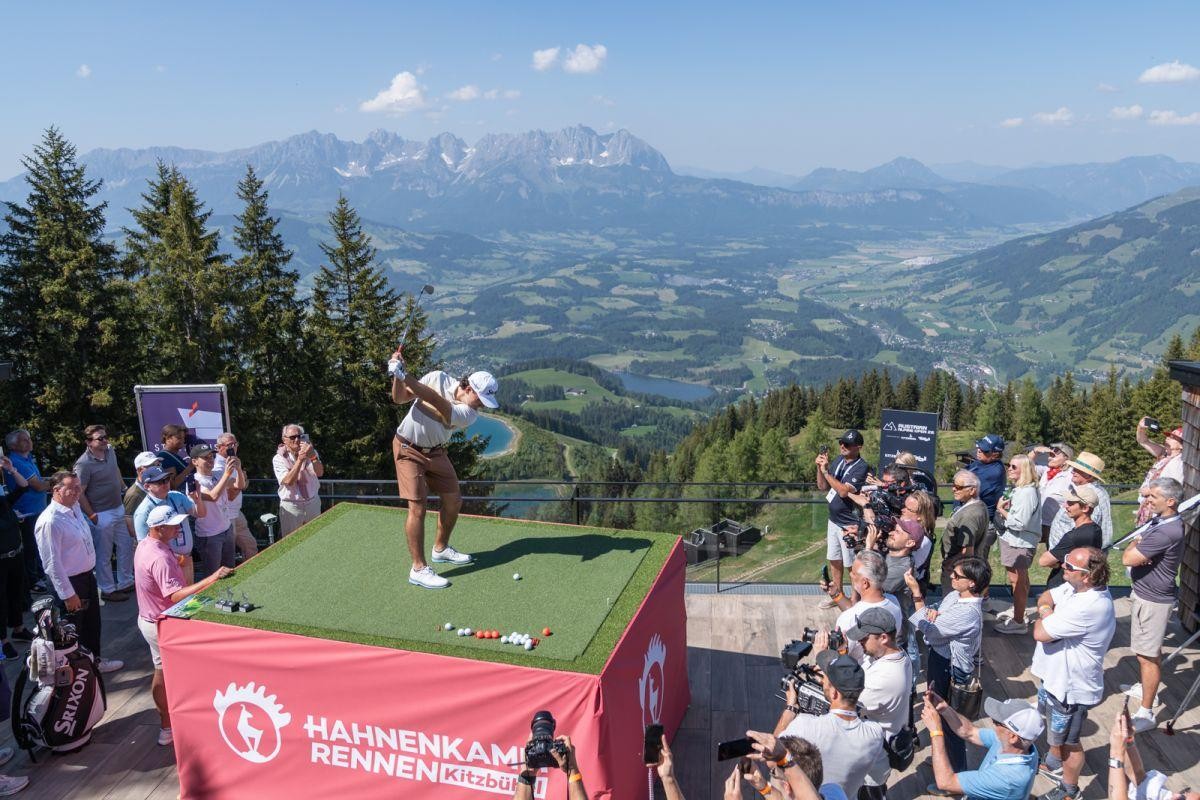
Kitzbühel, famous for its legendary downhill run "Hahnenkamm" in alpine skiing, also attracts many tourists during the summer hiking season

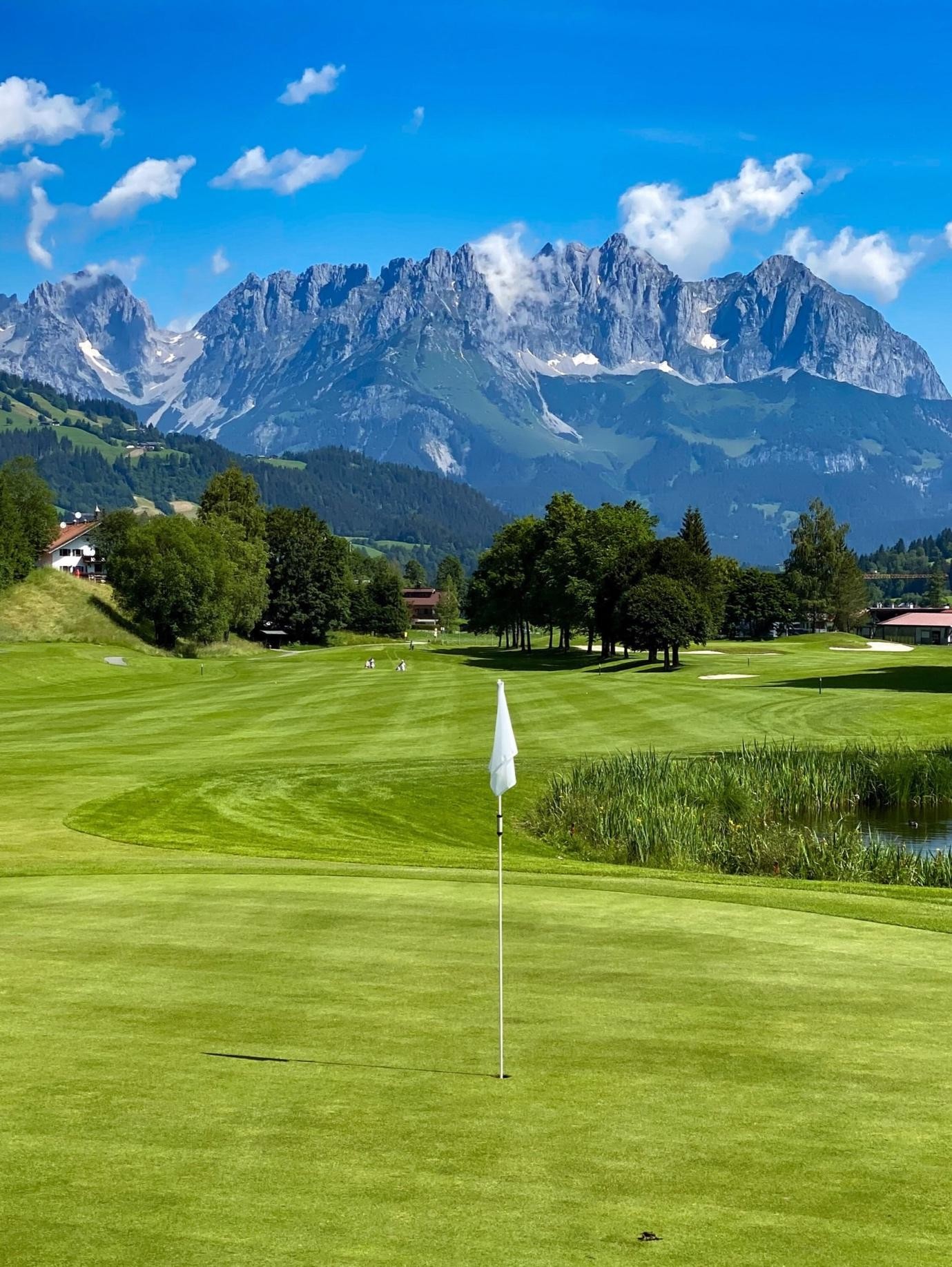
In Kitzbühel, the first European men's golf tournament (DP World Tour) was held this year at the end of May as the "Austrian Alpine Open." The course, set against the backdrop of the Wilderkaiser Mountains, underwent extensive renovations specifically for the tournament and is already being called "Summer Hahnenkamm" by locals
This year, my son, who is active as a golfer, participated in the qualifying round for the final spot in this tournament. He didn't make it, but the fact that the father is an alpine skier and the son is a golfer, two seemingly unrelated sports, share a common ground in the same town of Kitzbühel, gave our family a strange and moving feeling
The background to this event lies in a common concern in ski resort management in recent years: the risks associated with insufficient snow
To ensure a stable revenue stream that doesn't solely depend on winter earnings, they deliberately scheduled a mega-golf event at the end of May. Moreover, they directly applied the large-scale traffic control and VIP hospitality management know-how cultivated at the Alpine World Cup to the summer golf tournament. Skiing and golf attract a highly compatible customer base, and if they can retain guests who visited in the winter for the summer as well, it will directly lead to longer stays and an increase in the asset value of the property as a vacation home
In fact, this competition involves many members of the local Kitzbühel Ski Club and legendary Austrian skiers, making it a development that the winter industry cannot ignore. As an attempt to become a year-round resort, there should be much that Japanese winter resorts can learn from it
Summer ski resort operations have begun in Japan as well
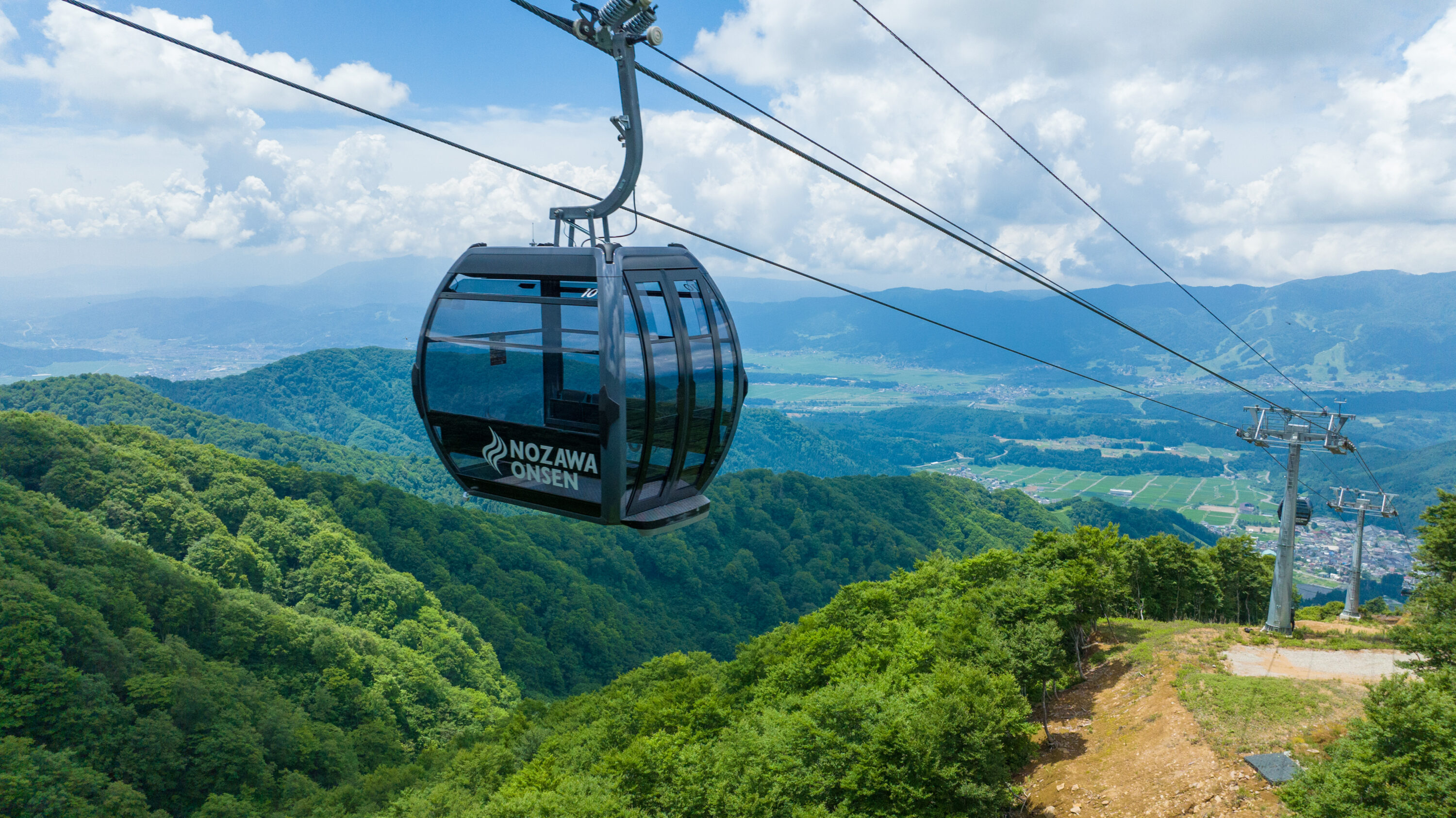
Japanese ski resorts are not immune to this trend. More and more resorts, such as Hakuba Iwatake, Nozawa Onsen, Biwako Valley, and Grandeco, are focusing on operating during the summer green season. Some, like Hakuba Happo-one, have even joined international alliances promoting sustainable resort management and are working to create value throughout the year
I believe we are currently witnessing a transitional period in which a ski resort is transforming from a place that "makes money only for a few months in winter" to a place that "continues to be involved with the local community throughout the year."
Mountains with spectacular views close to the city center
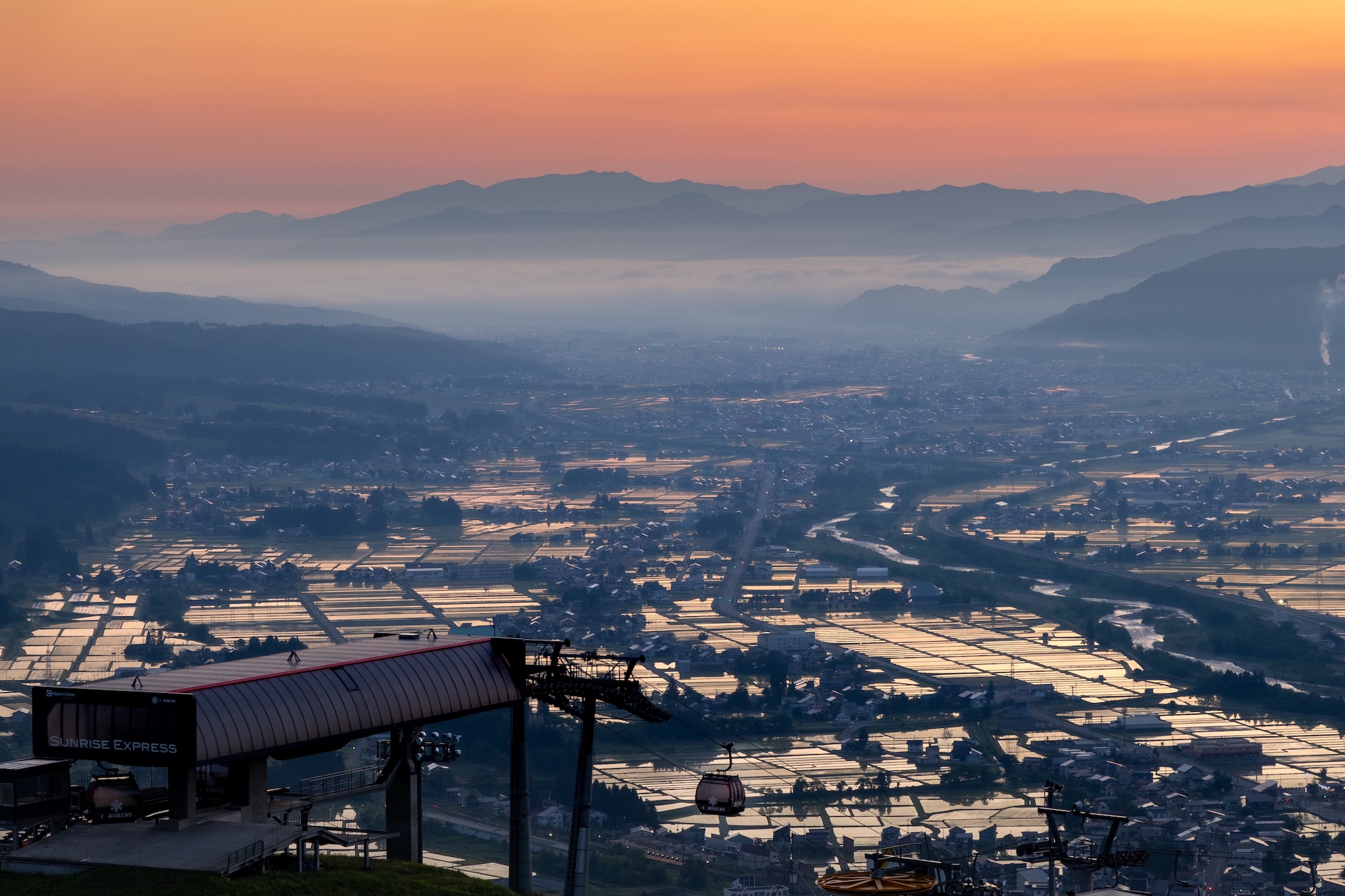
Ishiuchi Maruyama in Niigata, where I grew up until junior high school, offers a panoramic view of the Uonuma Plain from its Grand Terrace, accessible by the Sunrise Express gondola this summer. In May and June, the flooded rice paddies become like a mirror, changing their appearance from a bluish-green in summer to a golden hue in autumn. Gala Yuzawa is only about 70 minutes from Tokyo Station by Shinkansen. It's close enough to the city center for a day trip, allowing you to reach the mountaintop without breaking a sweat
What's needed isn't simply to import the European solutions, but for more people to become aware of these initiatives across Japan and actually visit them. Abundant forests, pristine water, cooler climates at higher altitudes, and diverse local food cultures—Japan's mountains possess assets that rival those of the European Alps. On top of that, they have the overwhelming advantage of being easily accessible from urban centers
Japan is a truly unique country globally, with mountains and hills covering nearly 70% of its land area, and boasting one of the highest forest coverage rates among developed nations. A short train or car ride will take you to mountain ridges reaching 2000 meters in elevation. There are few other countries in the world where such authentic mountains are so readily accessible as an extension of daily life, and where hot springs and local cuisine are so deeply rooted
After living in Europe for seven years, I increasingly felt that "Japanese people are unaware of the richness of their own mountains."
I want you to experience a ski resort in the summer
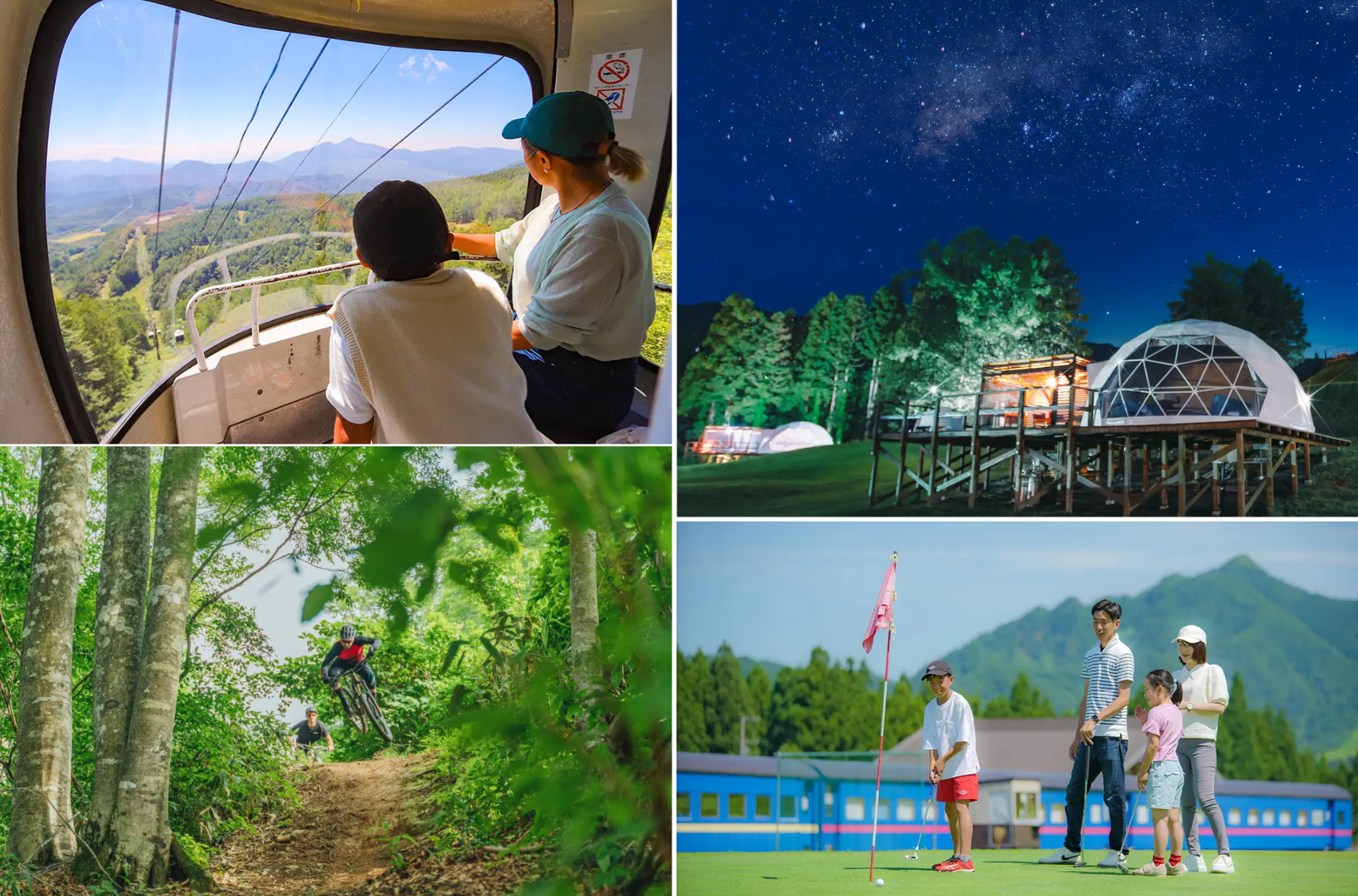
Those slopes in winter become hiking trails in summer, beer gardens at night, and sometimes even a stage for golf and mountain biking. The mountains aren't just for winter. It's a real shame to spend every summer without realizing that
No elaborate equipment, no special physical strength, and no need to even fly overseas are required. Gondolas that will take you to breathtaking scenery without breaking a sweat are already operating within walking distance by bullet train or car. For those who think, "I didn't know about this," I urge you to look up the names of nearby ski resorts before winter arrives. You'll surely find mountains that look completely different from how they do in winter, waiting for you